Exploring the Differences Between Cast Iron and Stainless Steel Materials
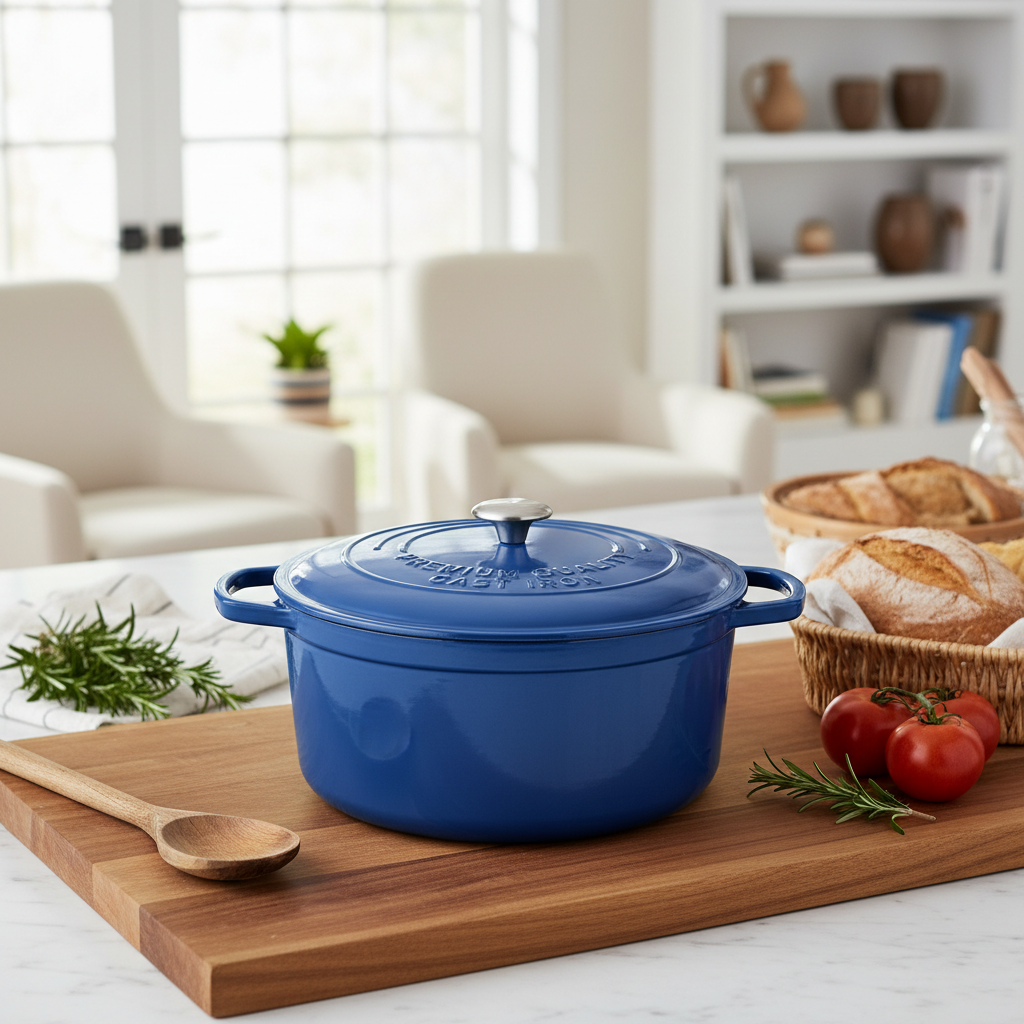
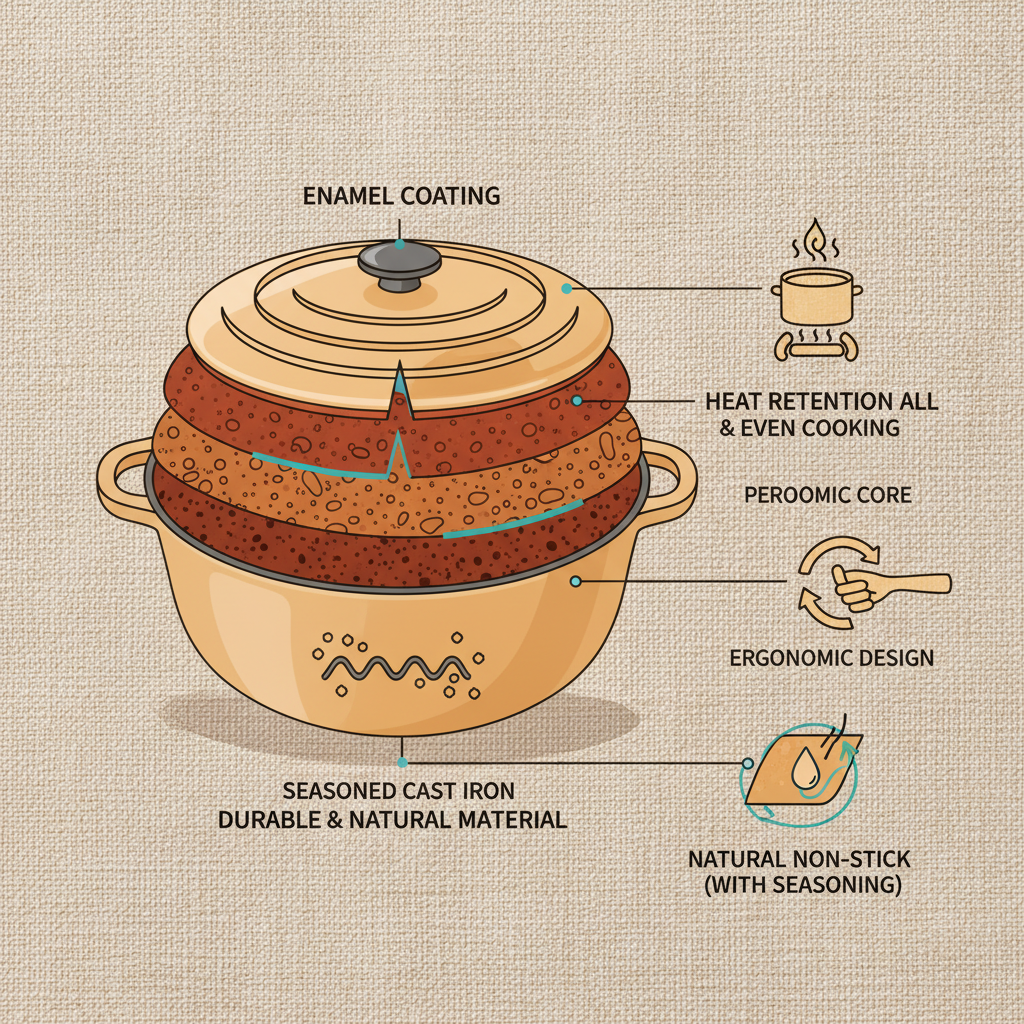
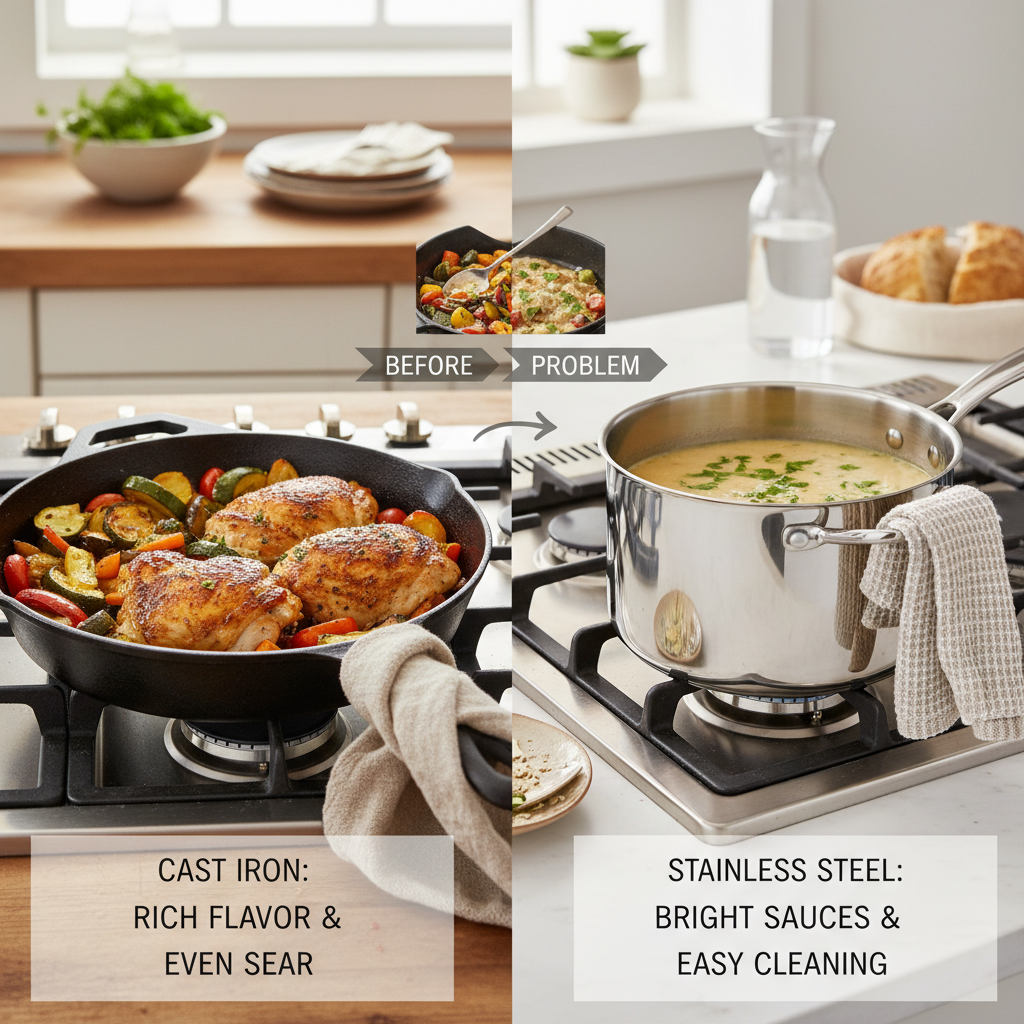
For decades, the choice between cast iron and stainless steel in cookware – and increasingly, in industrial applications – has been a critical one. It's not just about what you're cooking, or what you're building; it's about longevity, performance, and ultimately, the total cost of ownership. Understanding the nuances of cast iron vs stainless is vital for everyone from home cooks to large-scale engineering projects. The global reliance on durable materials impacts everything from food security to infrastructure development, driving demand for informed material selection. The relevance spans industries. Stainless steel, with its corrosion resistance, is dominant in medical and food processing. Cast iron, celebrated for its heat retention, remains a staple in culinary traditions. But these are simplified views. Increasingly, engineers and manufacturers need a deeper understanding of the strengths and weaknesses of each, often blending the two materials to achieve optimal results. Data from the World Steel Association shows a consistent global demand for both, with stainless experiencing growth in emerging economies due to infrastructure projects.
Read more »


 By:Julian Vance - April 22, 2026
 By:Owen Sterling - April 17, 2026

 By:Marcus Caldwell - April 6, 2026

 By:Ethan Bellwether - April 3, 2026