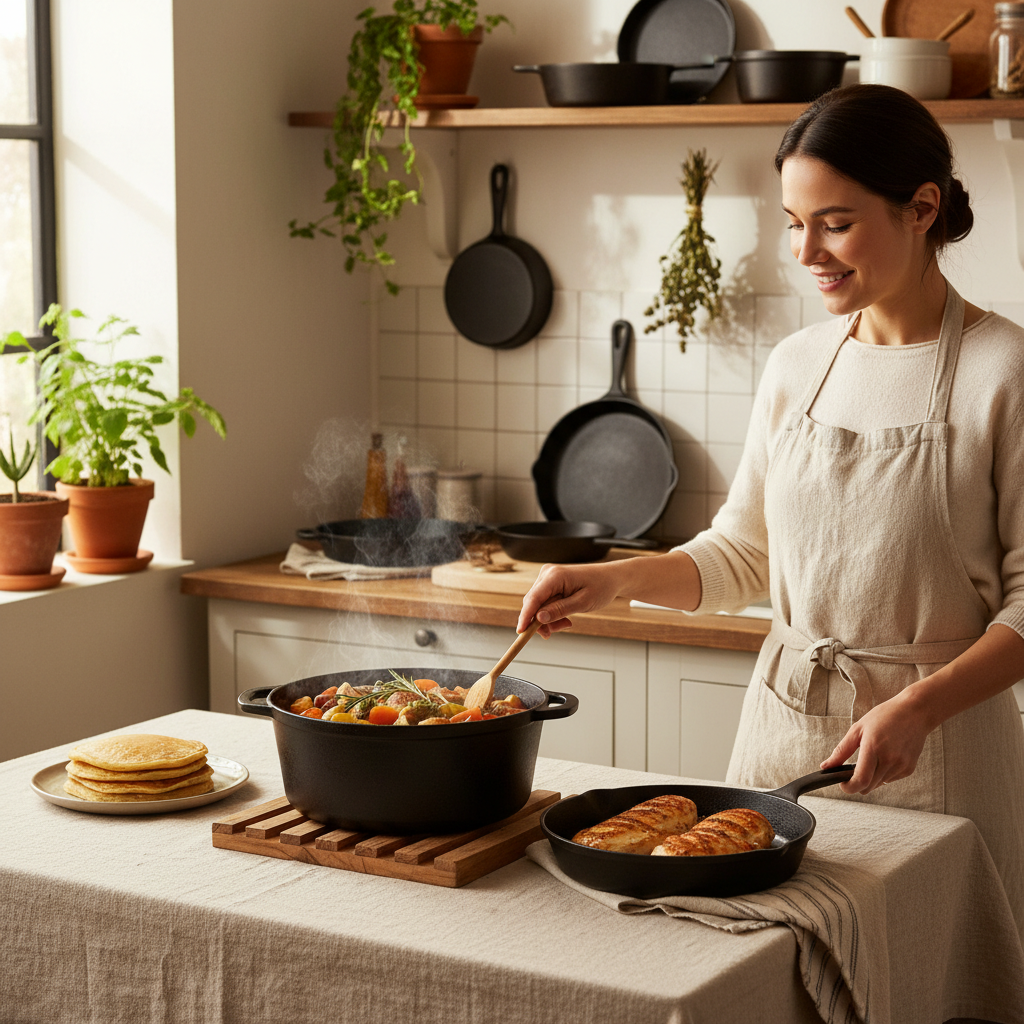
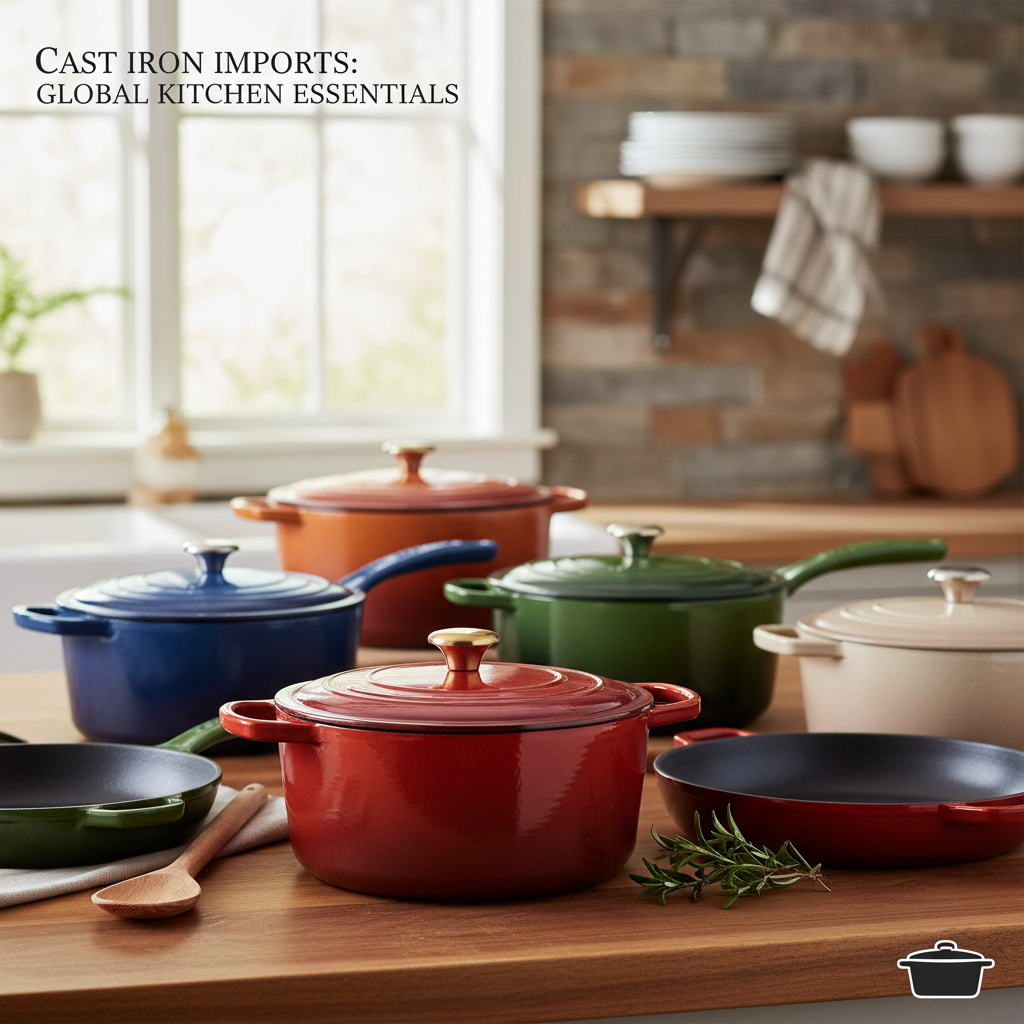
Let me tell you, after years on construction sites, wrestling with materials and chatting with engineers, you learn a thing or two about what really lasts. And when it comes to kitchen tools, that brings us right back to cast iron. It’s not fancy, it’s not trendy, but a good piece of example of cast iron kitchen utensils? That's a workhorse. It’ll outlive you, your kids, and probably their kids too. We're talking about a material that’s been around for centuries, and for good reason. It's not just about tradition; it's about practicality and performance.
Now, a lot of folks think cast iron is a pain – heavy, needs seasoning, and all that. And yeah, there’s a learning curve. But once you get it, it's incredibly rewarding. A properly seasoned pan is virtually non-stick, holds heat like a champ, and can go from the stovetop to the oven without batting an eye. I’ve seen these things holding up to daily abuse on job site lunch duty, and still coming out on top. That’s reliability you can count on, and that’s why I always recommend a solid example of cast iron kitchen utensils.
These days, you’re seeing more and more manufacturers stepping up their game. It’s not just your grandma's cast iron anymore. They’re making lighter-weight versions, with better handles, and even pre-seasoned options to take some of the hassle out of it. The quality is improving, but the core principle remains the same: it’s a durable, versatile tool that’ll serve you well for years to come. It’s not about chasing the latest kitchen gadget; it's about investing in something that’ll be with you for the long haul.
The Enduring Legacy of example of cast iron kitchen utensils
You see cast iron used everywhere, from the fanciest restaurants to the most basic campsites. Why? Because it works. It doesn’t matter if you’re searing a steak, baking cornbread, or just frying up some eggs, a good example of cast iron kitchen utensils delivers consistent results. It’s a testament to simple, effective design – something that’s become increasingly rare these days. It's a material deeply rooted in culinary history, evolving alongside cooking techniques while retaining its core strengths.
The longevity of cast iron is astounding. I’ve seen pans passed down through generations, still going strong after a century of use. That’s not just about the material itself, though. It’s about the way it’s cared for – the seasoning, the cleaning, the respect for a tool that’s earned its place in the kitchen. It’s a connection to the past, a reminder that some things are built to last.
Defining example of cast iron kitchen utensils
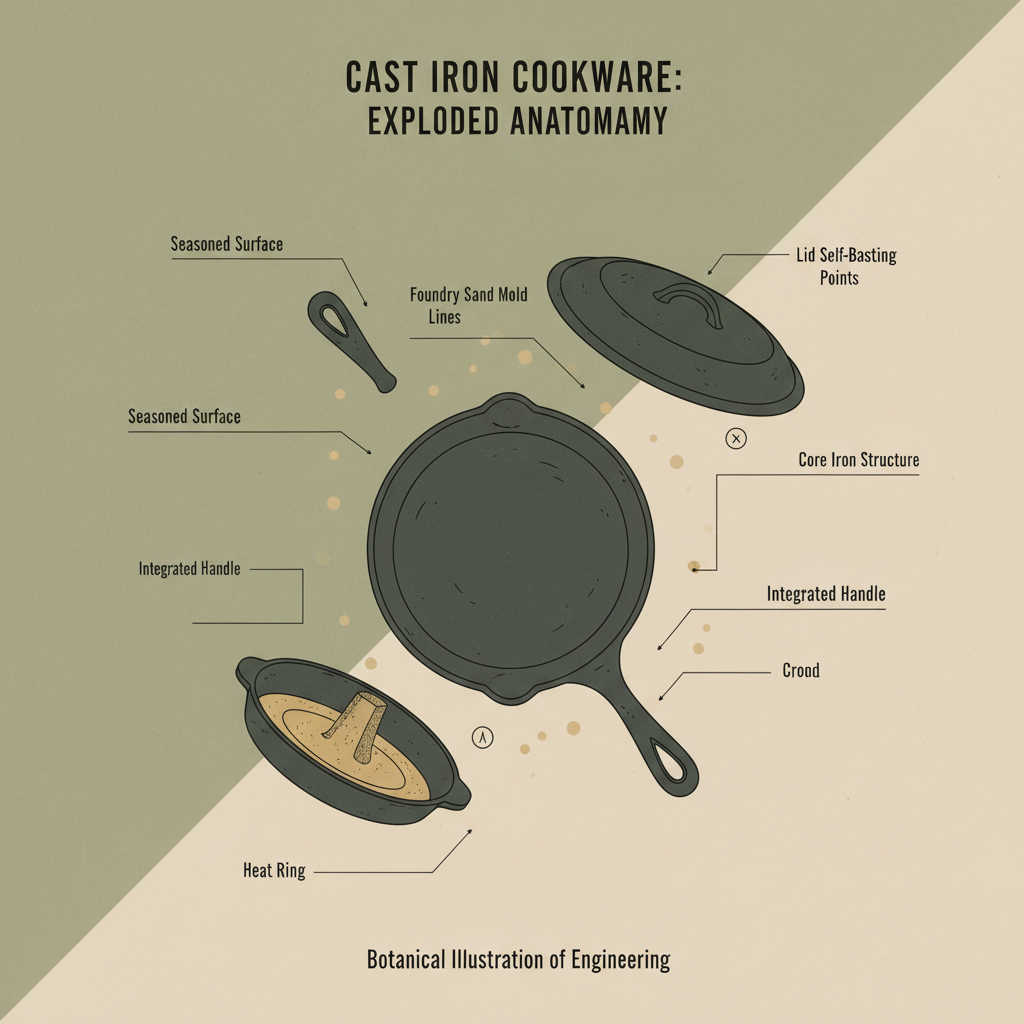
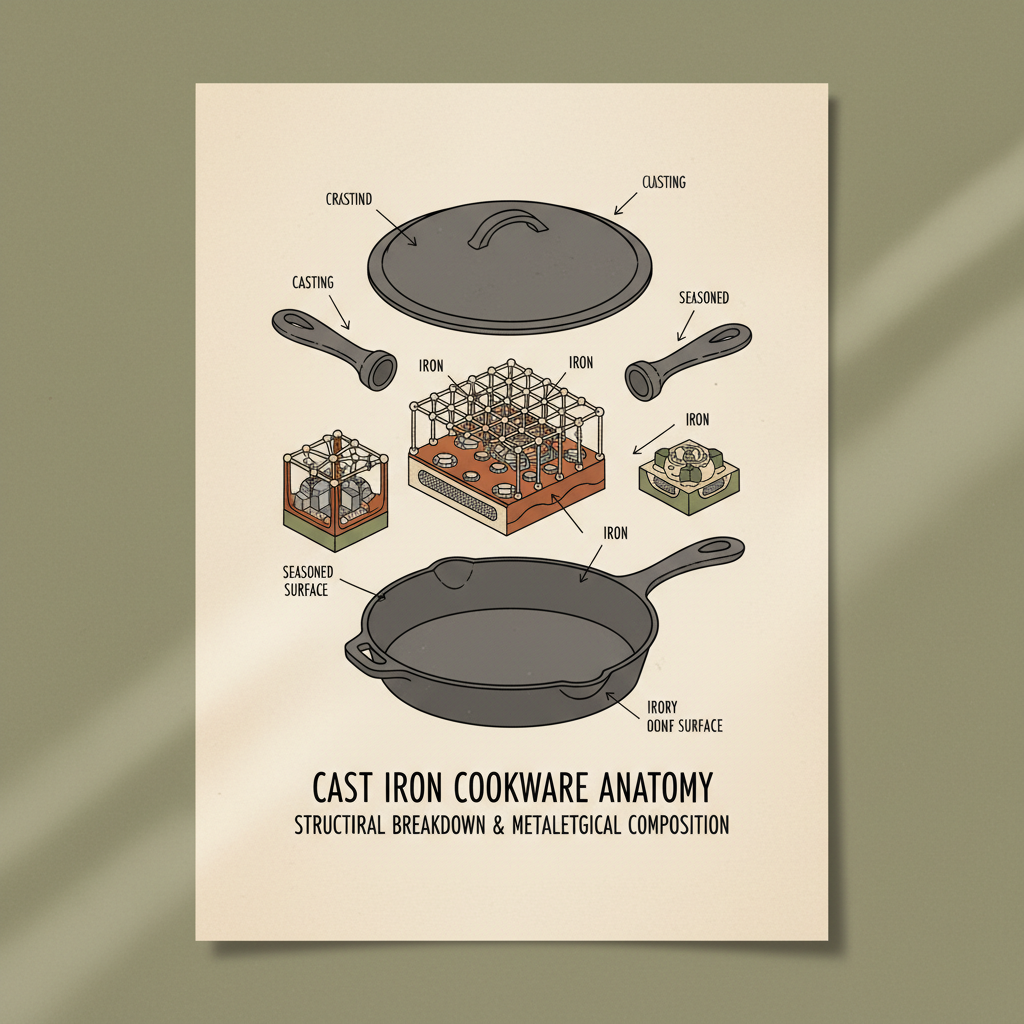
At its core, example of cast iron kitchen utensils are cookware pieces made from cast iron – an alloy of iron, carbon, and silicon. It’s created by pouring molten iron into a mold, which gives it its characteristic thickness and weight. This process results in a material that’s incredibly durable and capable of retaining heat extremely well. Think of it like the concrete of the kitchen – solid, reliable, and built to withstand a lot.
These aren’t just pans; they’re a system. The seasoning – the polymerized oil that coats the surface – is what gives cast iron its non-stick properties and protects it from rust. It's a continuous process, a partnership between the cook and the cookware. It’s a bit like maintaining a good tool on a job site; you keep it clean, you keep it oiled, and it’ll keep working for you.
The versatility of example of cast iron kitchen utensils is another key defining characteristic. You can use it on the stovetop, in the oven, over a campfire, even on a grill. It’s not limited by heat source or cooking method. That’s a level of flexibility you don’t often find in other types of cookware.
Key Characteristics of Quality example of cast iron kitchen utensils
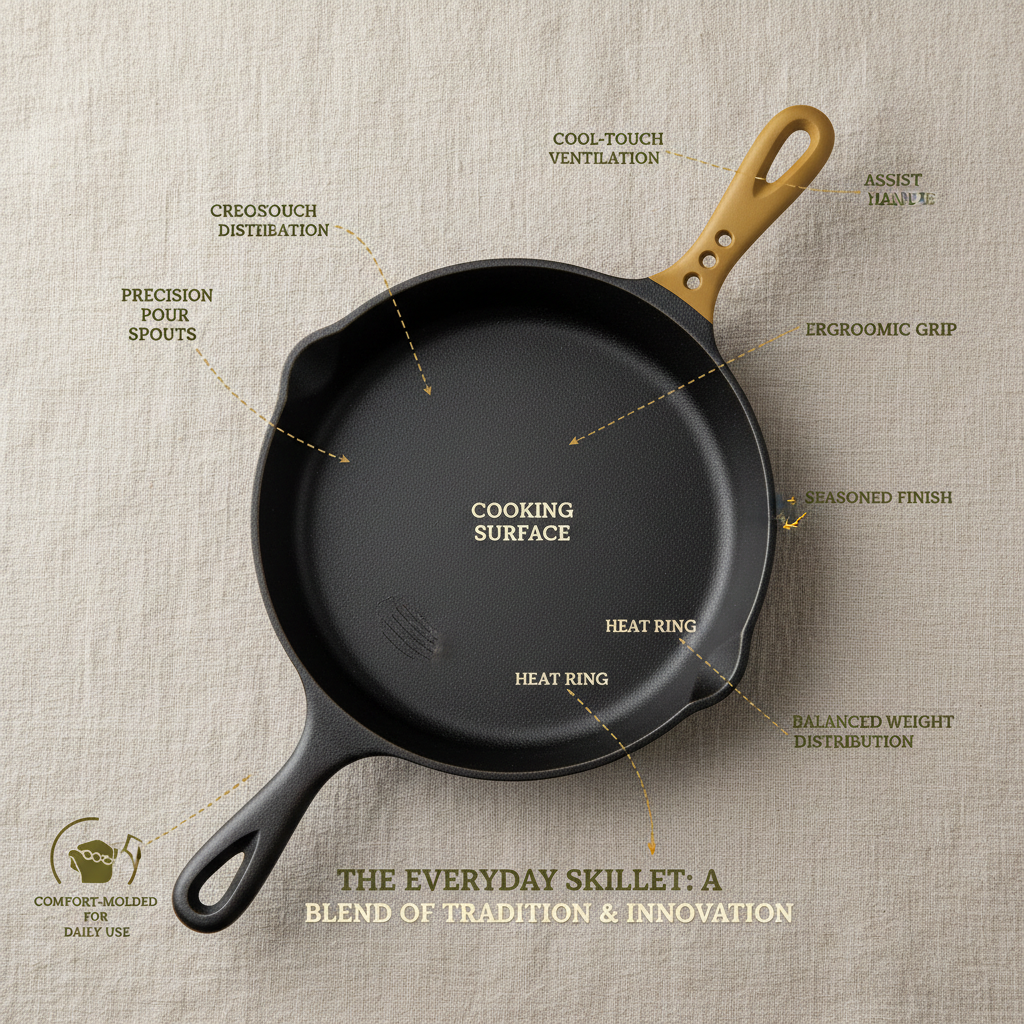
First and foremost, look for a smooth surface. A rough surface indicates poor casting and can make seasoning more difficult. I've seen too many pans with pitted surfaces that just won't hold a good seasoning – a real headache. Then, check the weight; a good piece of example of cast iron kitchen utensils should feel substantial, but not overly heavy. Too heavy and it’s just cumbersome to use.
Handle design is crucial. Look for handles that are comfortable to grip and provide a secure hold, even when the pan is hot. A poorly designed handle can make cooking a real chore. I’ve personally seen someone burn their hand on a poorly designed handle, and it’s not a pretty sight. A good handle is an investment in safety and usability.
Finally, consider the brand. Some manufacturers have a long-standing reputation for quality and consistency. While price isn’t always an indicator of quality, it’s usually a good idea to avoid the absolute cheapest options. You get what you pay for, and with cast iron, that’s especially true.
Performance Metrics of example of cast iron kitchen utensils
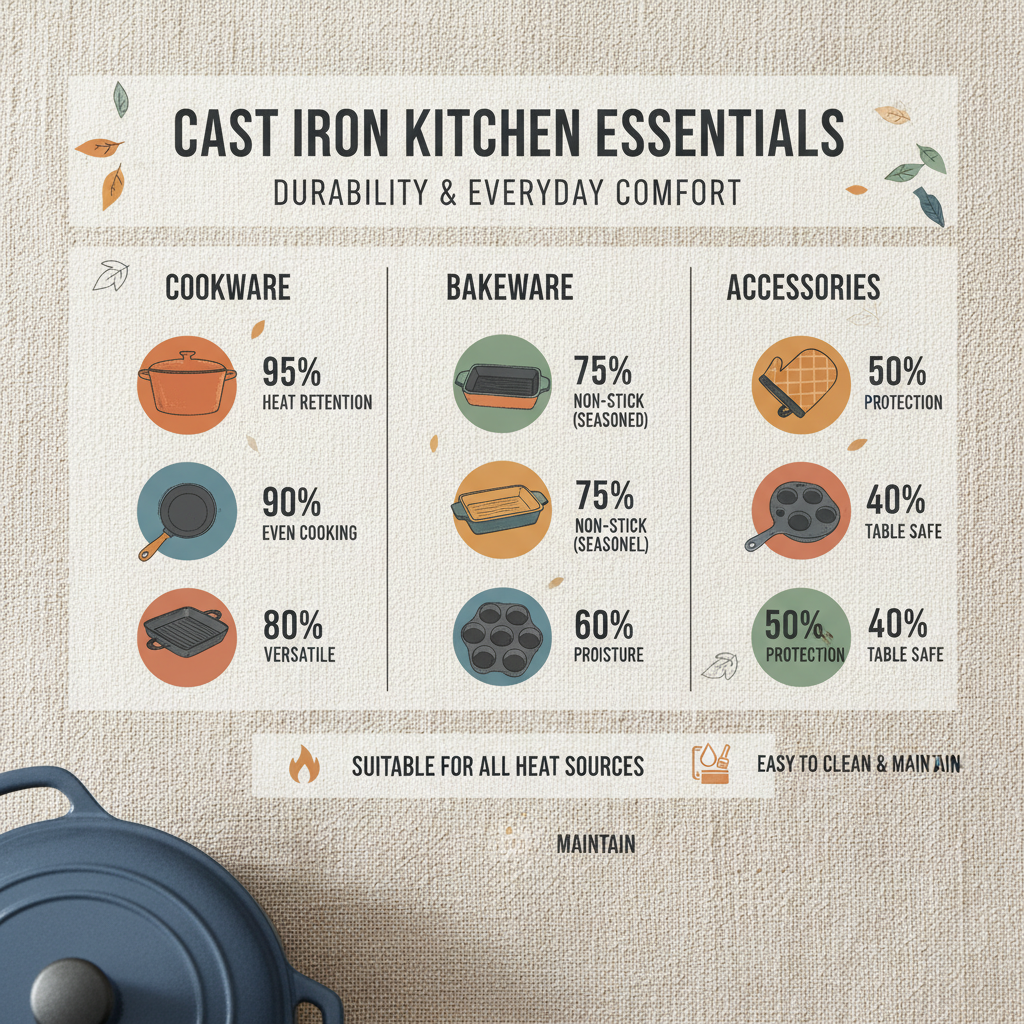
When we talk about performance, heat retention is king. Cast iron excels in this area, maintaining consistent temperatures even when exposed to cold ingredients. This is critical for searing meats and achieving a good crust. We’re talking about a temperature consistency that other materials just can’t match.
Another key metric is thermal responsiveness. While cast iron takes longer to heat up than other materials, it also cools down more slowly. This slower response time can be an advantage for slow-cooking dishes, where consistent heat is essential. It’s a marathon, not a sprint.
Performance Comparison of example of cast iron kitchen utensils Methods
Global Applications in Culinary Arts
From the bustling kitchens of France to the rural farms of the American South, example of cast iron kitchen utensils are a staple in cuisines around the world. In France, they’re used for everything from coq au vin to crepes. In the South, they’re essential for fried chicken, cornbread, and countless other dishes.
You’ll find them in professional kitchens, family homes, and even outdoor cooking setups. It's a tool that transcends cultures and cooking styles. I’ve seen them used in everything from high-end restaurants to remote camping trips. That kind of versatility is rare.
Advantages and Long-Term Value Proposition
The biggest advantage? Durability. It's not a disposable item. Properly cared for, it will last a lifetime – and beyond. That’s a huge cost savings over time compared to constantly replacing cheaper cookware. You’re not just buying a pan; you’re investing in a legacy.
Beyond the cost savings, there’s the environmental benefit. Less waste, fewer resources used to manufacture replacements. It's a more sustainable option, and that’s something we should all be considering. And let’s not forget the sheer joy of cooking with a well-seasoned cast iron pan. It's a tactile experience, a connection to the cooking process.
Plus, a good example of cast iron kitchen utensils holds its value. You can easily sell it secondhand for a decent price. It's a durable good that retains its worth.
Future Trends and Material Innovations
We’re seeing manufacturers experiment with different alloys to create lighter-weight cast iron without sacrificing heat retention. That’s a promising development, making it more accessible to a wider range of cooks. Enameled cast iron is also gaining popularity, offering the benefits of cast iron with easier cleaning and maintenance.
There’s also a growing interest in sustainable manufacturing practices. Companies are looking for ways to reduce their carbon footprint and use recycled materials. It’s a trend that’s here to stay, and it’s a good thing for the industry.
I'm also keeping an eye on smart cookware that integrates with digital recipes and provides real-time temperature monitoring. While it might seem like a departure from the traditional cast iron experience, it could open up new possibilities for precision cooking.
Analysis of Factors Influencing the Longevity of example of cast iron kitchen utensils
| Material Composition |
Seasoning Quality |
Usage Frequency |
Maintenance Practices |
| Iron Content (%) |
Oil Type (Flaxseed, Canola) |
Times Per Week |
Cleaning Method (Mild Soap, Salt Scrub) |
| 98% |
Flaxseed Oil |
5 |
Salt Scrub |
| 95% |
Canola Oil |
3 |
Mild Soap |
| 92% |
Vegetable Oil |
7 |
Mild Soap |
| 90% |
Coconut Oil |
2 |
Salt Scrub |
| 97% |
Grapeseed Oil |
4 |
Mild Soap |
FAQS
Seasoning is key! Start by cleaning the pan with hot, soapy water and drying it thoroughly. Then, apply a very thin coat of oil (flaxseed oil is popular) to all surfaces, inside and out. Bake it upside down in a 450-500°F oven for an hour. Repeat this process several times to build up a good base layer. Remember, thin coats are crucial – you don't want it sticky. Patience is key here.
Rust is the enemy! The trick is to keep it dry and oiled. After washing, always dry your cast iron completely, then apply a very light coat of oil. Avoid soaking it in water for extended periods. If you do get some rust, don't panic. Scrub it off with steel wool and re-season the pan.
This is a controversial one! Traditionally, soap was avoided because it could strip the seasoning. However, modern dish soaps are milder and won't cause significant damage if used sparingly. Just make sure to rinse thoroughly and re-oil the pan afterwards. I personally use a little mild soap when needed.
Acidic foods can break down the seasoning, especially in a newer pan. If you're cooking something acidic, keep the cooking time relatively short. A quick tomato sauce is fine, but simmering it for hours might strip the seasoning. A well-seasoned pan will be more resistant to acid, but it's still something to be mindful of.
Don’t use abrasive cleaners or metal scrubbers! Instead, try simmering some water in the pan for a few minutes to loosen the food. You can also use a plastic scraper or a chainmail scrubber. If all else fails, a paste of baking soda and water can work wonders.
Yes, generally. Enameled cast iron doesn’t require seasoning and is less prone to rust. It’s also easier to clean. However, the enamel can chip if you’re not careful. Avoid using metal utensils and dropping heavy objects into the pan. While easier, they don't have the same heat retention qualities as bare cast iron.
Conclusion
So, there you have it. example of cast iron kitchen utensils aren’t about flash or convenience; they’re about enduring quality, versatility, and a connection to generations of cooks. It’s a material that demands a little respect and care, but rewards you with a lifetime of reliable performance. It’s a workhorse in the kitchen, built to handle whatever you throw at it.
If you're looking for a sustainable, long-lasting investment for your kitchen, I wholeheartedly recommend a good piece of cast iron. It’s not just a pan; it's a legacy. Check out our selection of high-quality example of cast iron kitchen utensils at zdcookware.com and experience the difference for yourself!