Exploring Different Types of Dutch Ovens for Modern and Global Kitchens
Different Types of Dutch Ovens: Why They Still Matter Worldwide
When you hear “Dutch oven,” you might picture a big heavy pot simmering a stew or baking bread with that old-timey charm. But honestly, the variations of Dutch ovens you find today – from cast iron to enameled, from campfire-ready to modern lightweight variants – are more than just kitchen nostalgia. Understanding these different types matters globally because they impact everything from affordable cooking solutions in developing countries to sustainable culinary practices in high-end cuisine. Plus, knowing the different types of Dutch ovens can really enrich how you cook, serve, or even gift someone a trusty tool that'll last decades.
Global Context: The Stewpot in a World of Diverse Kitchens
Globally, cooking practices reflect culture, climate, and resources — and the Dutch oven, in its multiple incarnations, plays a big role. The Food and Agriculture Organization (FAO) highlights the importance of energy-efficient cooking tools in reducing global fuel consumption. Dutch ovens, especially the ones retaining heat well, tie into this idea. They conserve fuel, allow slow cooking, and can be used almost anywhere – from the mountains of Nepal to the plains of sub-Saharan Africa.
Yet there’s a challenge: While the classic cast iron Dutch oven holds heat amazingly, it’s heavy and prone to rust in humid conditions, which limits its use in some regions. This drives demand for alternatives, which leads us straight into the world of different types of Dutch ovens, their uses, and their pros and cons.
Mini takeaway: The Dutch oven isn’t just a pot; it’s a global cooking enabler shaped by resources, traditions, and sustainability needs.
What Exactly Are Different Types of Dutch Ovens?
Simply put, a Dutch oven is a large cooking pot traditionally made of cast iron and designed with a tight-fitting lid. Over time, manufacturers have introduced variations relating to materials, coatings, weights, and sizes to meet different cooking styles and economic conditions.
These range from:
- Traditional cast iron Dutch ovens - thick, heavy, excellent heat retention.
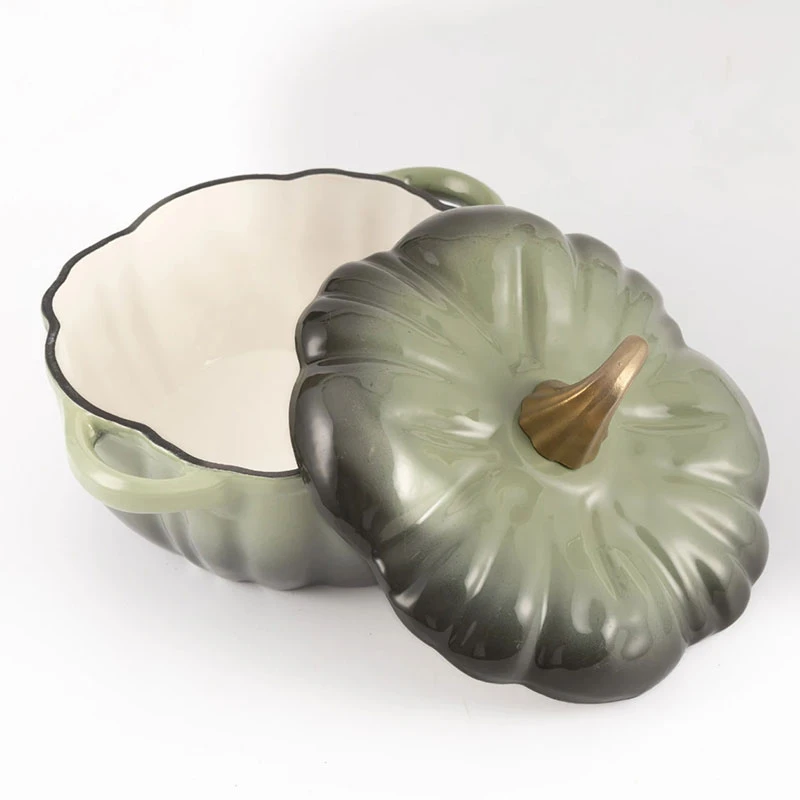
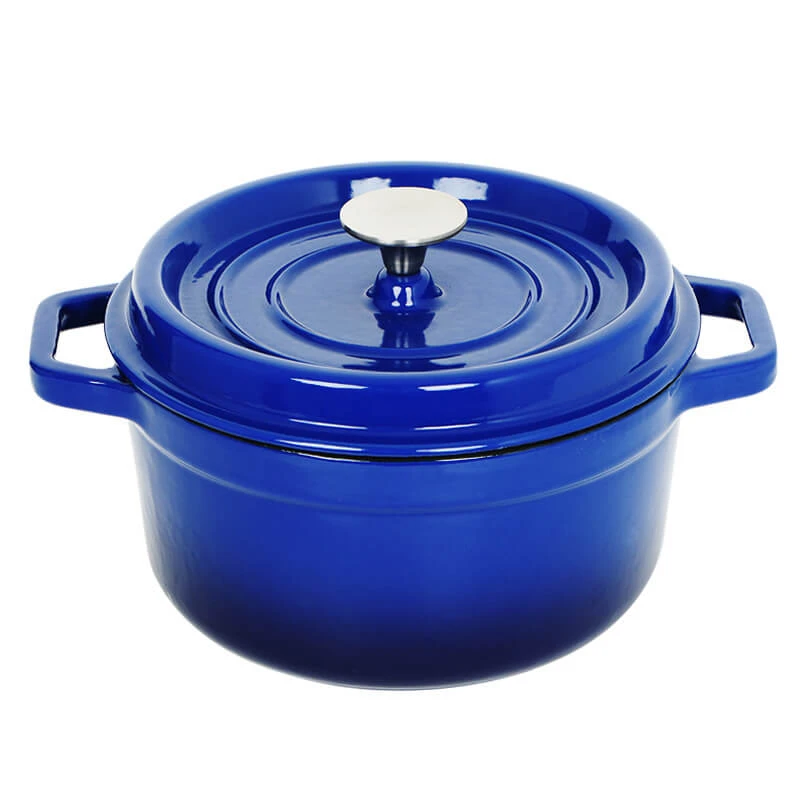
- Enameled cast iron - easier to clean, rust-resistant, colorful.
- Aluminum or ceramic-coated variants - lighter weight, often less durable but more portable.
- Campfire Dutch ovens - designed to withstand open flame and coals, essential for outdoor cooking.
Though it sounds simple, this diversity ties deeply into modern cooking—from humanitarian aid settings where reliable cooking gear is essential, to eco-conscious home kitchens in cities. Each type solves different problems.
Mini takeaway: Different materials and designs address durability, maintenance, portability, and usability in varied settings.
Key Components and What to Look For
Durability
Cast iron is famous for lasting generations. The enameled variants add rust protection, useful in humid or outdoor environments. Conversely, lighter metals may not survive rough use but win in portability.
Heat Retention and Distribution
A classic cast iron Dutch oven excels here, spreading heat evenly and maintaining temperature for slow, even cooking. Aluminum models heat faster but cool down quicker.
Maintenance
Uncoated cast iron needs seasoning; enameled versions just need a wipe-down. This matters in disaster relief contexts where users may lack refined kitchen tools.
Portability
Traditional cast iron can weigh 12+ pounds, making it cumbersome for camping or travel. Lightweight or nested aluminum pots might be preferred in these scenarios.
Cost Efficiency
Pricing spans from affordable entry-level pots to premium artisan enameled brands — and each tier suits different budgets and uses.
| Type | Material | Weight (approx.) | Heat Retention | Maintenance | Typical Use Case |
|---|---|---|---|---|---|
| Traditional Cast Iron | Cast Iron | 12–15 lbs | Excellent | Requires seasoning, prone to rust | Home & slow cooking |
| Enameled Cast Iron | Cast Iron + Porcelain | 10–13 lbs | Excellent | Easy clean, no seasoning | Home & semi-pro kitchens |
| Aluminum Dutch Oven | Aluminum with coating | 5–7 lbs | Moderate | Easy, but coating may chip | Camping & travel |
| Campfire Dutch Oven | Cast Iron | 13–16 lbs | Excellent | Requires seasoning | Outdoor/coal cooking |
Global Applications & Use Cases of Dutch Ovens
Seeing the durable cast iron Dutch oven in a rustic kitchen is one thing, but their rollextensions go so much beyond. For example:
- Post-disaster relief: NGOs distribute sturdy cookware for displaced families. The slow cooking abilities reduce fuel needs, which is vital when energy sources are scarce.
- Outdoor and remote industries: Camps in mining or logging areas often rely on rugged campfire Dutch ovens to feed workers.
- Ethnic and traditional cuisines: African, Cajun, or Mediterranean cooks prize the residue flavors cast iron develops over time.
- Sustainable home kitchens: Some chefs prefer enameled pots to minimize waste and maximize longevity – a green statement in practice.
In fact, many organizations import varied Dutch oven styles to fit the local environment—evidence that one size rarely fits all in cookware! For an overview of forms and styles, see different types of dutch ovens.
Mini takeaway: Dutch ovens are small but mighty players across cultures, industries, and humanitarian efforts.
Advantages & Long-Term Value of Different Dutch Ovens
Tangibly, these pots save energy, deliver consistent cooking, and can last decades, helping economically stretched households or operations. Emotionally, they evoke warmth—family dinners, generations of use, and reliability. You trust that big pot to hold together stews, soups, breads, and sometimes memories.
There’s also a sustainability story. Instead of disposable cookware or frequent replacements, a high-quality Dutch oven can be an heirloom, cutting waste. Plus, its fuel efficiency reduces carbon emissions slightly but meaningfully over time.
Future Trends & Innovations in Dutch Ovens
Looking forward, new materials mix durability with lighter weight. For instance, manufacturers experiment with carbon steel, which combines the heat retention of cast iron but much less weight. Some companies are embedding sensors into Dutch oven lids to connect with smartphones, helping monitor internal temperatures remotely — neat for perfect baking or stewing.
There’s also growing interest in recycled materials and greener coatings in enameled pots, less energy used in production, and longer warranty promises as brands vie for eco-conscious consumers.
Challenges & How Innovations Are Tackling Them
Despite the love for Dutch ovens, there are hurdles. Traditional versions are heavy and require maintenance. Portability limits their widespread camp usage. Price puts some of the higher-end enameled ceramics out of reach. And finally, coatings can chip or scratch, making casual users wary.
Innovators respond by creating modular nesting sets for campers, scratch-resistant surfaces, and hybrid material blends to offer the best of several worlds—a puzzle slowly solving itself.
Vendor Comparison: Popular Dutch Oven Brands
| Brand | Primary Material | Price Range | Warranty | Unique Feature |
|---|---|---|---|---|
| Lodge | Cast Iron | $40–$90 | Limited Lifetime | Affordable quality, US-made |
| Le Creuset | Enameled Cast Iron | $300–$500 | Lifetime | Vibrant enamel & color options |
| Camp Chef | Cast Iron | $60–$130 | Limited Lifetime | Optimized for campfire use |
| Cuisinart | Aluminum Non-stick | $50–$100 | 1 year | Lightweight & affordable |
Frequently Asked Questions About Different Types of Dutch Ovens
1. What’s the difference between cast iron and enameled Dutch ovens?
Cast iron Dutch ovens need regular seasoning to prevent rust and require careful drying. They retain heat extremely well. Enameled cast iron versions have a smooth, chip-resistant coating that protects from rust and is easier to clean but tend to be pricier.
2. Are aluminum Dutch ovens good for outdoor use?
Aluminum Dutch ovens are lightweight and heat quickly, making them good for campsites. However, they don’t hold heat as long as cast iron and their coatings can be less durable around open fires.
3. How should I care for a traditional Dutch oven?
Season your cast iron Dutch oven by applying a thin layer of oil and baking it to create a protective coating. Always dry thoroughly after washing and avoid soap or abrasive scrubbers that can strip seasoning.
4. Can different Dutch ovens be used on induction cooktops?
Yes, traditional and enameled cast iron Dutch ovens work well on induction because they have magnetic properties. Lightweight aluminum models typically don’t unless they have a magnetic base.
5. How do different Dutch ovens affect cooking time?
The thicker and heavier Dutch ovens take longer to heat but provide even and sustainable heat, making slow cooking delicious. Lightweight types heat quickly but cool off sooner, which might require temperature adjustments.
Conclusion: Making the Right Choice in Dutch Ovens
Understanding the different types of Dutch ovens helps you tailor the pot to your needs—whether that’s a heavy-duty heirloom pot for family dinners or a portable set for your next camping trip. Their global relevance and enduring utility make them a worthwhile investment, blending tradition with modern innovation. Curious to explore the styles yourself? Visit our website for a full range of options at https://www.zdcookware.com.
Thanks for sticking around. Sometimes the simplest kitchen tools hold the most fascinating history and future potential.
References
-
Antique Cast Iron Camp Oven: Durable Outdoor Cookware for Professionals | ZD CookwareNewsJan.06,2026
-
Durable 4 Quart Camping Pot for Professional Use | ZD CookwareNewsJan.06,2026
-
Durable Campfire Cast Iron Pot for Outdoor & Industrial UseNewsJan.06,2026
-
Cast Iron Griddle for Camp Stove – Durable Outdoor Cooking EssentialNewsJan.06,2026
-
Dutch Oven Cast Iron Camping – Durable Outdoor Cooking GearNewsJan.05,2026
-
Durable and Efficient Cast Iron Camping Griddle for B2B Professionals | ZD CookwareNewsJan.05,2026