Buy Large Dutch Ovens for Sale – Durable, Efficient, and Versatile Cookware
Understanding Large Dutch Ovens for Sale: Why Size and Quality Matter Globally
There’s something truly timeless about the humble Dutch oven. Cast iron or enameled, small or large, it has been a kitchen staple for centuries. But today, when we talk about large Dutch ovens for sale, we aren’t merely dealing with cookware — we’re exploring a vital culinary tool that spans cultures, industries, and even humanitarian efforts worldwide.
Why does it matter? Because large Dutch ovens embody the perfect blend of durability, heat retention, and versatility. They turn cooking from a routine task into an experience; and in many global contexts, they’re instrumental for feeding larger groups efficiently and sustainably.
Understanding their benefits matters not just to home cooks or chefs but to anyone invested in food systems, supply chains, and sustainable kitchen solutions.
Cooking on a Global Scale: The Growing Need for Large Dutch Ovens
According to the United Nations Food and Agriculture Organization (FAO), efficient feeding of communities, especially in developing or disaster-affected regions, increasingly depends on reliable cookware that can serve many at once. Large Dutch ovens have become indispensable in remote kitchens, farms, and institutions worldwide.
On a related note, World Bank data shows that regions with growing communal cooking demands and limited energy resources lean heavily on cookware that optimizes fuel use — cast iron Dutch ovens excel here.
Yet, the challenge remains: finding large Dutch ovens for sale that balance affordability, longevity, and cooking performance. Many buyers face tough decisions because subpar materials or size mismatches create inefficient cooking and wasted energy.
What Exactly Are Large Dutch Ovens?
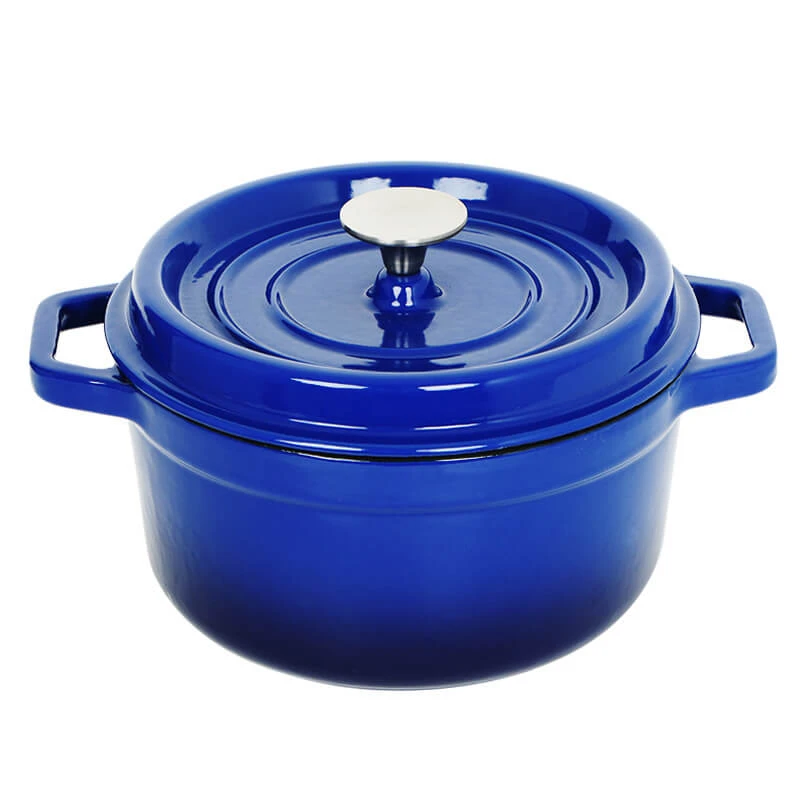
Simply put, large Dutch ovens are heavy-duty pots typically made of cast iron or enameled cast iron. Sizes usually start at around 6 quarts and can go up to 12 quarts or more — enough to feed families, small groups, or teams.
They come with thick walls and heavy lids that trap heat and moisture, making them perfect for slow cooking, braising, baking, and even frying.
Beyond kitchens, such ovens have found uses in community kitchens, outdoor events, and humanitarian feeding programs — all because they combine durability with excellent heat distribution, even on rudimentary heat sources.
Core Features that Matter When Choosing a Large Dutch Oven
1. Durability
Many large Dutch ovens are made from cast iron — which, frankly, is like kitchen armor. It can last decades if cared for well. Enameled surfaces add rust resistance and ease of cleaning but sometimes chip if handled roughly.
2. Heat Retention and Distribution
Good ovens keep a consistent temperature. This doesn’t just improve taste and texture — it saves fuel and cooking time, important in settings where resources are stretched thin.
3. Size and Capacity
The “large” label varies, but usually, that means pots above 7 quarts. Choosing the right size depends on your group size, stove type, and cooking style. Oversized ovens can waste heat; too small won’t feed enough. Large Dutch ovens for sale often come in a range of sizes to fit these needs.
4. Versatility and Usability
Handles must be sturdy yet manageable, lids fit tight to lock moisture, and the surface finish should fit your cooking style — enamel for easy cleaning, or bare cast iron for searing.
5. Cost Efficiency
They’re a long-term investment, not disposable pots. Sometimes splurging a bit upfront saves money over the years. But there are affordable quality options out there.
Product Specifications at a Glance
| Model | Material | Capacity (Quarts) | Weight (lbs) | Finish | Approx. Price |
|---|---|---|---|---|---|
| Classic Cast Iron 10-quart | Cast Iron | 10 | 15 | Bare Cast Iron | $85 |
| Enameled Dutch Oven 8-quart | Enameled Cast Iron | 8 | 12 | Glossy Enamel | $130 |
| Pro Chef 12-quart Oven | Cast Iron | 12 | 18 | Pre-Seasoned | $145 |
Global Uses of Large Dutch Ovens: From Kitchens to Crisis Zones
Large Dutch ovens have transcended their domestic roles. For example, in remote industrial camps in Canada or Australia, these ovens prove crucial for feeding teams working long shifts, often in severe weather.
Humanitarian organizations operating in post-disaster zones in Southeast Asia have reported that large Dutch ovens enable efficient meal prep despite limited fuel and infrastructure. They’re perfect for open-fire cooking or charcoal burners.
In Europe and North America, restaurants and bakeries prize large Dutch ovens for artisan bread baking because the thick walls emulate traditional brick ovens, giving that sought-after crust and crumb.
So yeah, their reach is vast — and the diversity of applications proves their relevance.
Mini takeaway: When an oven lasts for decades, serves large groups, and works on rudimentary heat, it’s no wonder they’re cherished worldwide.
Why Investing in Large Dutch Ovens Makes Sense Now and Later
- Cost savings over time: Long-lasting cookware means fewer replacements.
- Fuel efficiency: Better heat retention can reduce fuel use.
- Sustainability: Cast iron is fully recyclable and often made with recycled materials.
- Emotional connection: Passing down a Dutch oven can become a family tradition.
- Reliability under tough conditions: When things get rough, dependable cookware makes all the difference.
Vendor Snapshot: Where to Find Quality Large Dutch Ovens
| Vendor | Price Range | Material Options | Warranty | Customer Ratings |
|---|---|---|---|---|
| ZDCookware | $80 - $150 | Cast Iron, Enameled | 10 years | 4.7/5 |
| CookMaster | $90 - $180 | Enameled Cast Iron only | 5 years | 4.3/5 |
| Heritage Cookware | $70 - $140 | Cast Iron only | Limited lifetime | 4.5/5 |
Looking Ahead: Innovations and Trends in Large Dutch Ovens
Oddly enough, even a product as old-school as the Dutch oven is benefiting from tech and sustainability trends. We’re seeing advances in lighter alloys combined with cast iron, which keep durability but lower weight and heat time.
Also, more eco-friendly enameling procedures are emerging, minimizing toxic emissions. Meanwhile, digital temperature monitoring lids are slowly entering the market, helping cooks nail precise temperatures without opening the pot over and over. It feels like tradition is catching up with technology — slowly but surely.
Challenges and Solutions in Choosing the Right Large Dutch Oven
One typical issue? Weight. Large cast iron ovens are heavy, which can be tough for some users. Solutions include ergonomic handles or composite blends. Another challenge is price — some models are a significant upfront investment. But, as any cook with a family recipe tells you, they’re worth it, given the lifespan.
When enamel chips, food can stick and pots could rust; proper seasoning and handling are crucial. Fortunately, many sellers provide care guides or warranties.
Frequently Asked Questions About Large Dutch Ovens for Sale
Q1: What is the best size large Dutch oven for a family of six?
A: Generally, an 8 to 10-quart Dutch oven is ideal for feeding a family of six comfortably, allowing for hearty stews, roasts, or breads without frequent batch cooking.
Q2: Are enameled or bare cast iron Dutch ovens better for heavy use?
A: Bare cast iron is generally tougher and better for high-heat searing but requires seasoning. Enameled products are easier to clean and avoid rust but may chip if mishandled.
Q3: Can large Dutch ovens be used on induction cooktops?
A: Yes, cast iron Dutch ovens work excellently on induction due to their magnetic properties, but weight and size should be managed to avoid stove damage.
Q4: How do I maintain a large cast iron Dutch oven?
A: Regular seasoning with oil, avoiding soap or harsh chemicals, drying promptly, and storing in a dry place helps maintain durability and prevents rust.
Q5: Where can I find durable and affordable large Dutch ovens for sale?
A: Reputable cookware vendors like ZDCookware offer a range of durable, reasonably priced options with warranties and customer support.
In Conclusion: The Timeless Value of Large Dutch Ovens
Whether in bustling urban kitchens, outdoor camping trips, or emergency feeding centers, large Dutch ovens continue to prove their worth. Their resilience, efficiency, and versatility make them a smart investment that pays dividends—in flavor, sustainability, and years of reliable service.
Thinking of upgrading your cookware setup? Consider exploring large Dutch ovens for sale today. It might just change the way you cook, forever.
References:
1. United Nations Food and Agriculture Organization (FAO) – Cooking and Fuel Efficiency Report, 2021
2. World Bank Data on Household Energy Usage, 2022
3. ISO Standards for Cookware Safety (ISO 18064)
-
Antique Cast Iron Camp Oven: Durable Outdoor Cookware for Professionals | ZD CookwareNewsJan.06,2026
-
Durable 4 Quart Camping Pot for Professional Use | ZD CookwareNewsJan.06,2026
-
Durable Campfire Cast Iron Pot for Outdoor & Industrial UseNewsJan.06,2026
-
Cast Iron Griddle for Camp Stove – Durable Outdoor Cooking EssentialNewsJan.06,2026
-
Dutch Oven Cast Iron Camping – Durable Outdoor Cooking GearNewsJan.05,2026
-
Durable and Efficient Cast Iron Camping Griddle for B2B Professionals | ZD CookwareNewsJan.05,2026