Comprehensive Guide to Types of Dutch Oven for Every Kitchen
Types of Dutch Oven: A Handy Guide for Anyone Cooking with Tradition
If you've ever enjoyed a slow-cooked stew, a perfectly baked cobbler, or a rich, tender pot roast, chances are you’ve benefited from the magic of a Dutch oven. But did you know there are several types of Dutch oven, each with its own history, material makeup, and cooking style? Understanding these nuances not only elevates your kitchen game but also taps into a global tradition that stretches back centuries — bringing together cultures, techniques, and innovations in one humble pot.
Globally, the Dutch oven is more than just cookware; it’s a symbol of sustainability and versatility in households, restaurants, and even humanitarian relief kitchens. Knowing the different types empowers cooks everywhere to select the right tool for their needs, contributing to better food outcomes, less energy waste, and an enduring respect for craft and flavor.
Why Care About Types of Dutch Oven? A Global Perspective
The humble Dutch oven holds a surprisingly significant place in kitchens across continents. According to market studies by organizations like the International Cookware Association (ICA), sales of cast iron and enameled Dutch ovens have surged worldwide — roughly a 7% increase annually over the last five years — driven by home chefs seeking durable, multi-use pots.
But there’s more to it than mere numbers. Across diverse cooking traditions, from African stews simmered over charcoal to French cassoulets slow-baked in wood-fired ovens, the right type of Dutch oven solves key problems:
- Heat distribution: Ensures even cooking in regions with inconsistent fuel sources.
- Durability: Offers longevity in areas where replacing cookware frequently is impractical or expensive.
- Portability: Facilitates cooking in outdoor or disaster relief settings where infrastructure may be limited.
So, when you hear “types of Dutch oven,” it’s really about recognizing the subtle ways these pots optimize culinary efforts globally — and why chefs, from weekend cooks to humanitarian workers, place value on choosing well.
What Exactly Are the Different Types of Dutch Oven?
In simplest terms, a Dutch oven is a heavy cooking pot with a tight-fitting lid used for roasting, boiling, frying, and baking. But beyond that, the variations tend to hinge on material and design:
- Cast Iron (Traditional): The iconic, rugged pot often sold uncoated. Must be seasoned to develop its natural non-stick layer.
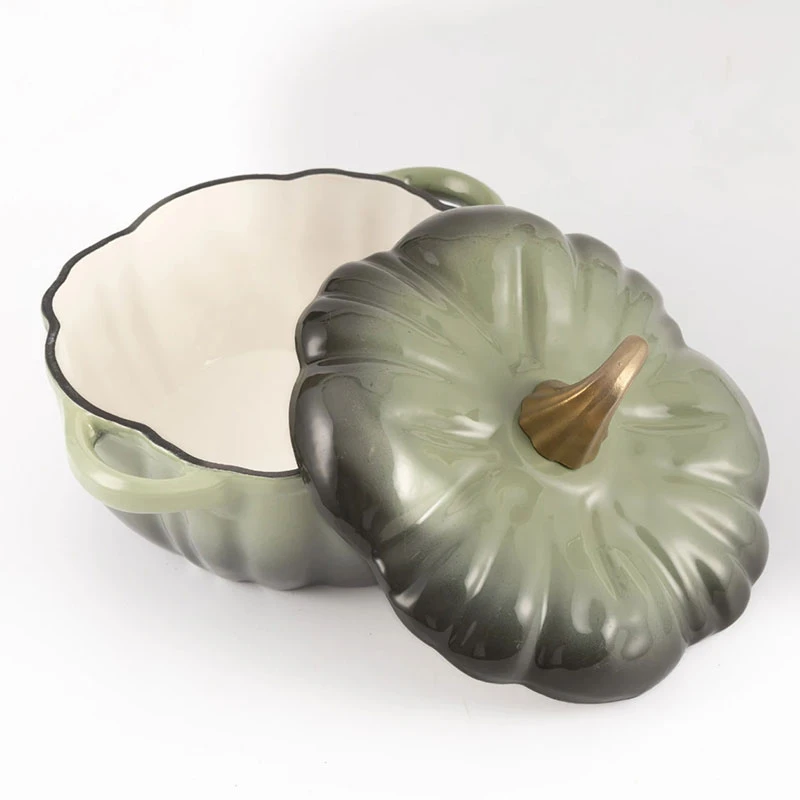
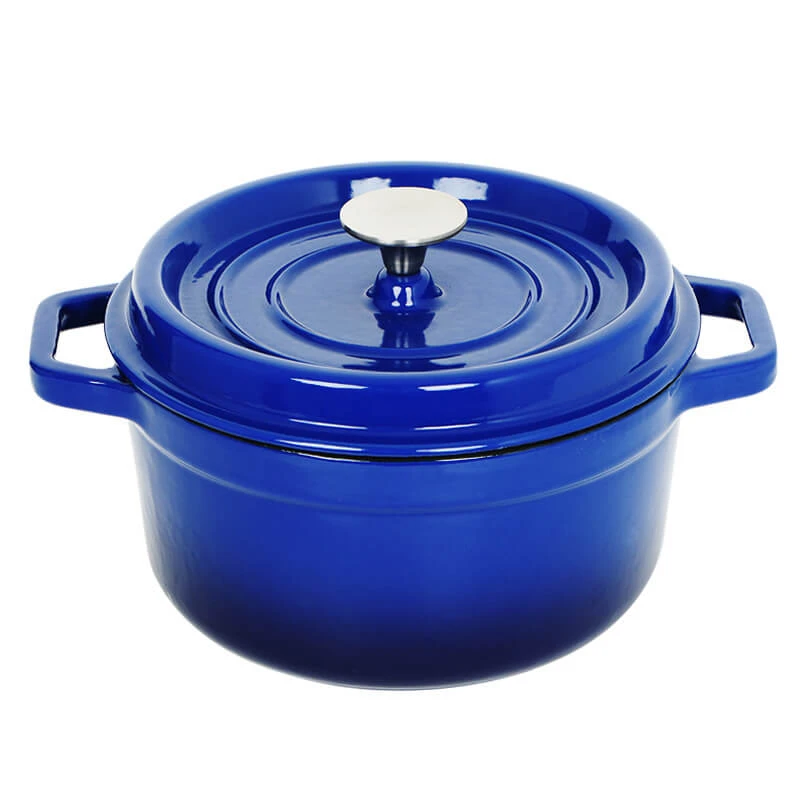
- Enameled Cast Iron: Coated with a smooth vitreous enamel for no seasoning required and easier care, yet retains heat brilliantly.
- Aluminum Dutch Ovens: Lightweight and quick to heat, ideal for camping but less durable than cast iron.
- Ceramic Dutch Ovens: Used mostly in ovens and microwaves, often more delicate but visually appealing.
- Carbon Steel Dutch Ovens: Sometimes viewed as the “lighter cousin” to cast iron, with quicker heat-up and cooler handling.
Interestingly, these variations aren’t just about kitchen convenience. They connect to modern industry and emergency aid, where heat retention, durability, and sanitization matter a lot. For example, in some refugee camps, cast iron Dutch ovens are prized due to their robustness and ability to cook large batches over open flames.
Mini Takeaway:
You’re basically choosing between rugged longevity (cast iron), ease of maintenance (enameled), lightness (aluminum), or specialty use (ceramic). Each type suits different cooking rituals and environments.
Core Features to Consider When Choosing a Dutch Oven
Durability
Cast iron Dutch ovens practically last forever—outlive cars and coffee makers! Their resilience against warping and cracking makes them excellent for both everyday use and tough outdoor conditions.
Heat Retention & Distribution
Oddly enough, the old-school cast iron holds and distributes heat more uniformly than many modern pots. That’s why dishes like braises or baked beans come out so perfectly tender.
Maintenance & Care
Traditional cast iron demands seasoning — a bit of extra love and skill — whereas enameled versions are nearly dishwasher safe, a hit for busy kitchens.
Weight & Portability
Smaller aluminum pots are easier to carry, especially for camping or relief missions. However, heavier cast iron often means better cooking results but less portability.
Cost Efficiency
Cast iron typically costs less upfront but needs seasoning and occasional maintenance. Enameled versions are pricier but often outlast cheaper aluminum variants.
Size & Volume
From 2-quart mini pots perfect for singles to 9-quart giants for family feasts, size matters. Many chefs own several sizes — like tools in a kit.
| Type | Material | Weight | Maintenance | Price Range | Best For |
|---|---|---|---|---|---|
| Traditional Cast Iron | Cast Iron | Heavy (6-12 lbs) | Seasoning needed | $30 - $100+ | Slow cooking, open flame |
| Enameled Cast Iron | Cast Iron + Enamel | Heavy (7-13 lbs) | Easy clean, no seasoning | $70 - $250+ | Fine cooking, color variety |
| Aluminum Dutch Oven | Aluminum | Light (2-4 lbs) | Hand wash recommended | $20 - $60 | Camping, quick heat |
| Ceramic Dutch Oven | Ceramic | Medium (4-7 lbs) | Fragile, hand wash | $40 - $100 | Oven baking, serving |
Mini Takeaway:
It feels like each feature — be it ease, weight, or price — nudges you toward a different Dutch oven type, depending on exactly how and where you cook.
Where Are Dutch Ovens Used Most — Real-World Examples
Here’s a fun thought: Dutch ovens break continents. In rural Appalachia, cast iron pots have been cooking meals since pioneer days. Meanwhile, in West African refugee camps, large, weathered cast iron Dutch ovens sit atop open fires, feeding dozens daily, their thick walls holding heat evenly even on soot-choked flames.
In France and Italy, enameled Dutch ovens grace restaurant kitchens, prized for their non-reactive surfaces and bright colors. Campers in the US Southwest often carry lightweight aluminum versions, perfect for backpacking breakfasts after cold desert nights.
Types of Dutch oven play a quiet but vital role in disaster relief and humanitarian kitchens, helping NGOs deliver hot meals even when electrical grids falter. Their robust design means less waste and fewer replacements — a small but significant eco-impact.
Mini Takeaway:
Different types of Dutch oven find their niches across geographies and use-cases — from slow-cooked family recipes to emergency feeding stations.
Comparing Popular Dutch Oven Vendors
| Brand | Type Focus | Price Range | Warranty | Unique Features |
|---|---|---|---|---|
| Lodge | Traditional Cast Iron | $30 - $120 | Limited Lifetime | Pre-seasoned, US-made |
| Le Creuset | Enameled Cast Iron | $250 - $600+ | 30 years | Wide color range, superior enamel |
| Camp Chef | Aluminum & Cast Iron | $35 - $150 | Limited | Outdoor gear focused |
| Staub | Enameled Cast Iron | $150 - $500 | Limited Lifetime | Matte black enamel, self-basting lid |
The Enduring Benefits of the Dutch Oven Family
Beyond the historical charm and culinary myths, the types of Dutch oven offer lasting practical benefits:
- Cost-effectiveness: Sturdy pots lasting decades reduce replacement and energy costs.
- Sustainability: Many are made from recycled materials and require no electricity when used over fire.
- Social impact: Builds community by enabling large meals, important for family and relief efforts.
- Reliability: Trusted tools in uncertain times, whether power outages or outdoor adventures.
And frankly, there’s a certain nostalgia and satisfaction in working with a pot that seems almost companion-like—holding heat, harboring flavors, aging like a fine wine over time.
What Lies Ahead: Dutch Oven Innovations & Trends
Looking forward, the Dutch oven market isn’t just sitting on old irons. Brands are experimenting with:
- Eco-friendly manufacturing: Using more sustainable production methods and recyclable materials.
- Hybrid materials: Combining cast iron with lighter alloys for balance between heat retention and portability.
- Non-toxic coatings: Innovating alternatives to traditional seasoning for zero maintenance.
- Smart cookware: Integrating temperature sensors for digital cooking guides (still niche but promising).
In a world increasingly mindful of waste and kitchen efficiency, adapting the timeless Dutch oven to modern needs might just be one of the smarter moves.
Challenges & Practical Solutions in Using Different Dutch Ovens
Of course, no kitchen tool is perfect:
- Weight: Cast iron pots are notoriously heavy, leading to user fatigue. Solution? Smaller sizes or carbon steel versions.
- Chipping enamel: Happens with rough handling. Carefully using wooden utensils and avoiding thermal shock helps.
- Seasoning upkeep: Traditional Dutch ovens need occasional seasoning, which can intimidate beginners. Many guides and seasoning kits now make this easier.
Ultimately, knowledge and care smooth over potential roadblocks — which really underlines the importance of knowing your Dutch oven type and its unique quirks.
FAQ: Common Questions About Types of Dutch Oven
Q1: Which type of Dutch oven is best for campfire cooking?
A: Traditional cast iron Dutch ovens win hands down for durability and heat retention over campfires. Their thick walls tolerate rough outdoor use and distribute heat evenly, perfect for stews and breads cooked over coals.
Q2: Can I use an enameled Dutch oven on induction cooktops?
A: Yes, most enameled cast iron Dutch ovens work well on induction because of their iron core. Just verify your model for compatibility, but it’s generally safe.
Q3: How do I maintain a traditional cast iron Dutch oven?
A: After each use, clean with hot water and a brush (avoid soap), dry immediately to prevent rust, and apply a thin layer of vegetable oil to season the surface. Stubborn residue can be scrubbed gently with salt.
Q4: Are aluminum Dutch ovens safe for everyday use?
A: While lightweight and quick-heating, aluminum Dutch ovens often lack durability and can warp over time. They’re great for camping or short-term use but less ideal for daily cooking.
Q5: Why do enameled Dutch ovens cost so much more?
A: The enamel coating involves specialist manufacturing and quality control to prevent chipping and maintain vibrant colors. Plus, they require less seasoning and often feature superior heat retention, raising their price.
Wrapping It Up: Embrace the Pot that Endures
Choosing between the various types of Dutch oven is less about finding a “one size fits all” and more about matching your lifestyle, cooking style, and values with the pot in hand. Whether you’re simmering a family stew, baking outdoors, or supporting relief efforts, the right Dutch oven is a trusty companion for many years — sometimes a lifetime.
Curious to explore more? Visit our website at https://www.zdcookware.com for detailed guides, product reviews, and tips on Dutch ovens and other cookware essentials.
References:
-
Antique Cast Iron Camp Oven: Durable Outdoor Cookware for Professionals | ZD CookwareNewsJan.06,2026
-
Durable 4 Quart Camping Pot for Professional Use | ZD CookwareNewsJan.06,2026
-
Durable Campfire Cast Iron Pot for Outdoor & Industrial UseNewsJan.06,2026
-
Cast Iron Griddle for Camp Stove – Durable Outdoor Cooking EssentialNewsJan.06,2026
-
Dutch Oven Cast Iron Camping – Durable Outdoor Cooking GearNewsJan.05,2026
-
Durable and Efficient Cast Iron Camping Griddle for B2B Professionals | ZD CookwareNewsJan.05,2026