Dutch Oven Pot Cast Iron: Timeless Cookware for Sustainable Cooking & More
The enduring charm and practicality of the Dutch oven pot cast iron
For centuries, the dutch oven pot cast iron has been a kitchen staple beloved by professional chefs, home cooks, and adventurers alike. Yet its global importance transcends your grandma’s slow-simmered stews or campfire culinary rituals. This humble cookware piece combines durability, versatility, and sustainability, making it relevant beyond just kitchens — into industries, relief efforts, and sustainable living movements worldwide.
Understanding what makes the cast iron Dutch oven special offers insight into how materials science, traditional craftsmanship, and practical design converge—benefiting settings that range from commercial kitchens in urban centers to remote off-grid communities.
Global significance: Why Dutch oven pot cast iron matters in today’s world
Statistics show that cast iron cookware accounts for approximately 30% of the global cookware market as of 2023, with steady growth predicted through 2030 (source: ISO Cooking Trends Report 2023). In many regions, especially where access to electricity is limited or unreliable, the ability of a cast iron Dutch oven to retain and evenly distribute heat is invaluable.
Moreover, with rising global interest in sustainable cooking and low-impact lifestyles, cast iron Danish ovens - yes, sometimes called "Danish ovens" in parts of Europe - see renewed focus for their longevity and recyclability. Challenges that this American invention (originally inspired by European designs) addresses include reducing single-use cookware consumption and lowering dependence on plastic or aluminum pans, which have higher environmental footprints.
In short, the Dutch oven pot cast iron plays a quiet but vital role in resource efficiency, traditional food security practices, and even disaster relief cooking setups worldwide.
Getting to know the Dutch oven pot cast iron
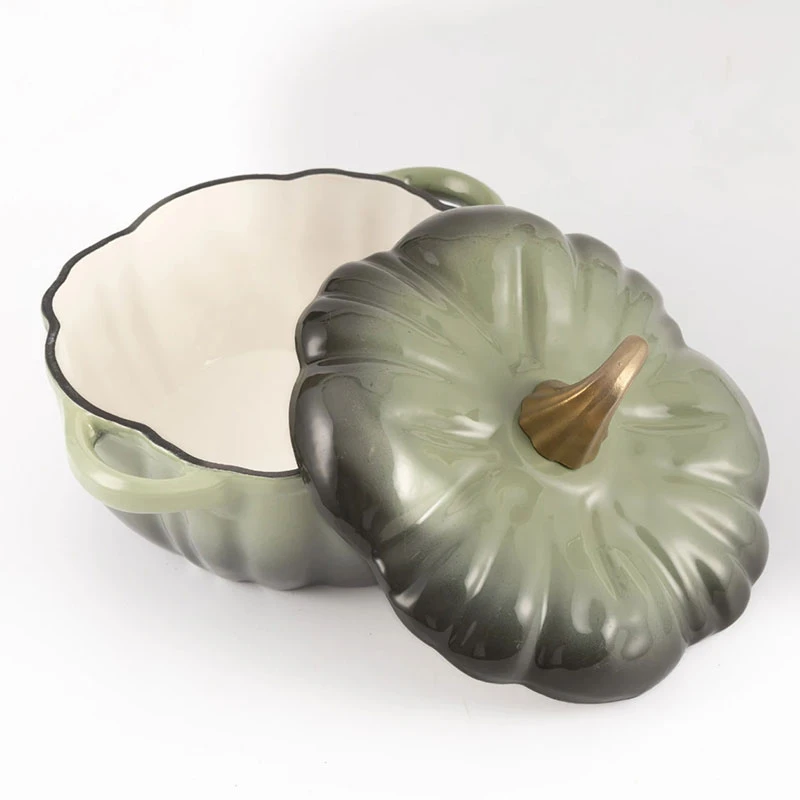
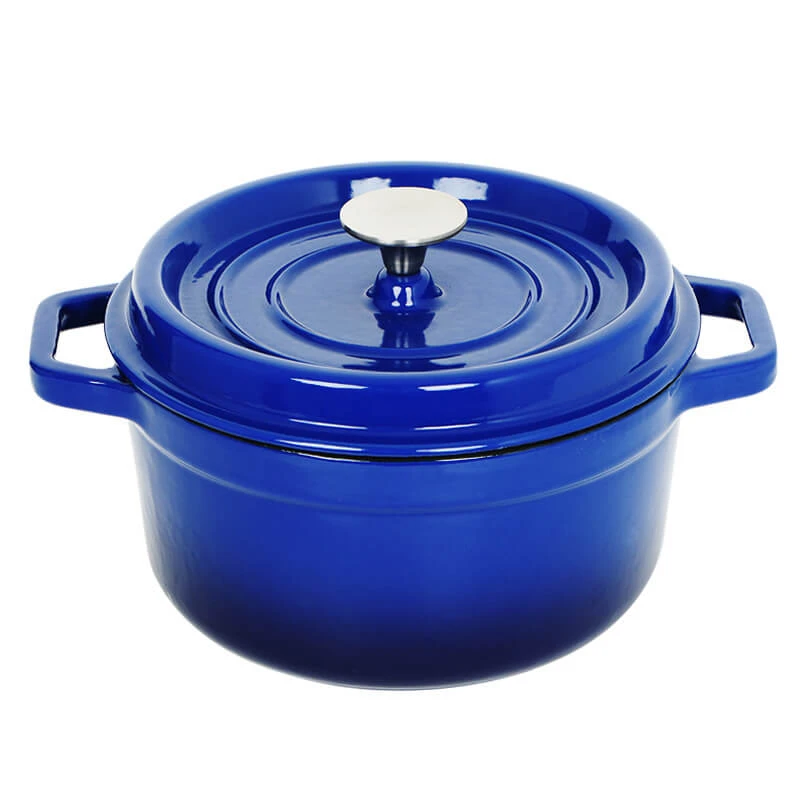
So, what exactly is a dutch oven pot cast iron? Simply put, it’s a heavy-duty cooking pot made from cast iron — a rugged, iron-carbon alloy — that’s usually coated with a specialized enamel or left bare. The pot sports a tight-fitting lid and thick walls, helping trap heat and moisture inside.
While its origins date back to early 18th-century Europe and colonial America, it remains relevant in modern food production, commercial kitchens, and even humanitarian aid. For remote areas or off-grid scenarios, the Dutch oven becomes an essential multi-use vessel, capable of cooking everything from stews to breads, using wood fires, charcoal, or gas.
Mini takeaway:
The Dutch oven pot cast iron bridges centuries of tradition with modern needs — sturdy craftsmanship meeting versatile, sustainable cooking.
Core components making the cast iron Dutch oven stand out
Durability that’s built to last
The cast iron material can literally last generations if cared for properly. Unlike lighter metals which might warp or degrade, cast iron evenly conducts heat without hotspots, perfect for slow-cooking. Many vintage pots still function flawlessly after 100+ years.
Heat retention and distribution
One of cast iron’s best assets is how well it holds heat, making it great for recipes requiring constant temperature. The thick walls trap warmth and moisture, ensuring tender, juicy dishes every time.
Multi-purpose and fuel flexible
A Dutch oven can be used on stovetops, ovens, campfires, grills — even open flames. This versatility suits industrial kitchens and survivalists alike.
Cost efficiency over time
Though upfront costs can be higher than aluminum pans, the longevity and performance mean lower replacement rates — a clear value proposition economically and environmentally.
Eco-friendly and recyclable
Cast iron is 100% recyclable, and many manufacturers are moving towards greener enameling techniques to reduce waste and toxic outputs.
Ease of maintenance & seasoning
Some Dutch ovens come pre-seasoned, and those uncoated require regular oiling to keep a non-stick patina. This involves some care but also encourages sustainable use over throwaway alternatives.
Mini takeaway:
- The key factors — durability, heat management, fuel versatility, cost-effectiveness, and sustainability — explain why this cookware remains relevant beyond the kitchen.
Where in the world is the Dutch oven pot cast iron winning hearts (and flame)?
Across continents, the cast iron Dutch oven finds a surprising number of applications:
- North America: Camping, tailgating, and farm-to-table restaurants laud it for rustic authenticity and reliable performance.
- Africa: In rural communities, reliable cookware that can survive uneven fuel quality, rough conditions, and long-term use is invaluable for daily sustenance.
- Asia: Street food vendors appreciate the heavy lid for steam retention in preparing dumplings or braised dishes.
- Humanitarian organizations: NGOs provide cast iron Dutch ovens in disaster zones for communal cooking setups — sturdy, easy to clean, and multi-use.
An interesting example comes from wildlife conservation camps in remote Australia, where traditional ovens aren’t feasible — but cast iron Dutch ovens, heated over fire pits, are used for communal meals that foster team bonds.
Mini takeaway:
The Dutch oven pot cast iron adapts seamlessly—from luxury kitchens to rugged humanitarian missions—proving that good design really travels.
Worth the investment? Evaluating advantages and long-term value
The Dutch oven pot cast iron represents a rare blend of emotional satisfaction and practical benefits:
- Reliability and trust: It’s a pot you can trust to perform whenever you need it.
- Sustainability: Reducing disposable cookware saves resources and landfill space over decades.
- Economic value: Comparable to “buy it once” philosophy—it’s a pot you donate to your heirs, not toss.
- Emotional comfort: There’s something reassuring about cooking in a familiar pot that deepens family and cultural traditions.
It really combines logic and feeling in a way few kitchen tools manage — that’s part of why it remains a cherished kitchen cornerstone worldwide.
Innovations lighting the path forward for cast iron Dutch ovens
While the basic design hasn’t changed much, ongoing innovations keep the Dutch oven relevant:
- Smarter enameling: New eco-friendly coatings are non-toxic and reduce manufacturing waste.
- Digital and smart cookware: Some manufacturers experiment with embedded temperature sensors that pair with apps, helping cooks get perfect results without guesswork.
- Lighter alloys: Innovations in composites could reduce the classic weight, appealing to outdoor enthusiasts.
Moreover, increasing emphasis on carbon footprint awareness pushes producers and users toward longer lifecycles and circular economy ideals.
Mini takeaway:
Though classic, the cast iron Dutch oven is drawing contemporary tech and sustainability into its fold, promising a resilient future.
Common challenges and ways forward
Like any product, the dutch oven pot cast iron isn’t perfect:
- Weight: The heavy heft can be a real drawback, especially for elderly or disabled users.
- Maintenance: Seasoning can intimidate newcomers or busy kitchens.
- Fragility of enamel coatings: Chips or cracks can undermine usefulness.
Solutions? Layered enamel technology is evolving to resist chipping. Educational outreach and starter kits help new users maintain seasoning properly. And hybrid designs mix cast iron with lighter materials without losing heat retention benefits.
Mini takeaway:
Challenges exist, sure. But advancements and practice keep the tradition alive, well, and evolving.
Frequently Asked Questions About Dutch Oven Pot Cast Iron
Q1: How do I properly season my cast iron Dutch oven?
A: Seasoning involves coating the interior with a thin layer of cooking oil and baking it at a high temperature to build a natural, non-stick patina. Pre-seasoned versions make this easier. Regular seasoning prevents rust and improves cooking performance.
Q2: Can I use a cast iron Dutch oven on an induction cooktop?
A: Yes! Cast iron is magnetic and works perfectly with induction stoves, providing excellent, even heating. Just be cautious to avoid scratching glass surfaces when moving the pot.
Q3: Are enamel-coated Dutch ovens dishwasher safe?
A: Generally, yes. Most enameled Dutch ovens can be cleaned in the dishwasher, but repeated dishwasher cleaning may dull the finish over time. Hand washing with mild soap is recommended to preserve the coating longer.
Q4: How long does a cast iron Dutch oven typically last?
A: With proper care, these pots can last a lifetime — or even multiple lifetimes. Many families pass down their cast iron Dutch ovens for generations as treasured heirlooms.
Q5: Is cast iron cookware safe for people with iron allergies?
A: Pure cast iron cookware doesn’t leach significant amounts of elemental iron into food, but acidic foods cooked for long periods may increase iron content slightly, which could affect sensitive individuals. Consulting with a healthcare professional is advisable.
Product Specification Table: Typical Cast Iron Dutch Oven
| Feature | Specification |
|---|---|
| Material | Cast iron (enameled or bare) |
| Capacity | 2 to 7 quarts (1.9 to 6.6 liters) |
| Weight | 6 to 12 lbs (2.7 to 5.4 kg) |
| Heat source compatibility | Gas, electric, induction, oven, open flame |
| Maintenance | Seasoning for bare iron; hand wash gentle recommended |
| Typical Price Range | $30 - $250 depending on brand and size |
Comparison Table: Popular Cast Iron Dutch Oven Vendors
| Brand | Price Range | Coating Options | Warranty | Unique Feature |
|---|---|---|---|---|
| Lodge | $30 - $90 | Bare cast iron, preseasoned | Limited Lifetime | Affordable, American-made |
| Le Creuset | $200 - $400 | Enameled cast iron | Limited Lifetime | Luxury brand, vibrant colors |
| Staub | $150 - $350 | Enameled cast iron | Limited Lifetime | Matte finish enameling, self-basting lid |
| Camp Chef | $70 - $150 | Bare cast iron, preseasoned | Limited Lifetime | Designed for outdoor cooking |
Wrapping it up — why the dutch oven pot cast iron remains a treasure
In a world constantly chasing new gadgets and fleeting trends, the dutch oven pot cast iron proves timeless. It connects us to centuries of culinary tradition while meeting modern-day demands for sustainability, versatility, and reliability. Whether it’s crafting feasts in urban kitchens, fueling survival dishes in remote regions, or assisting humanitarian cooks under harsh conditions, this cookware stands as a symbol of durability and thoughtful design.
If you’re curious about exploring the many benefits of cast iron Dutch ovens—perhaps starting your own collection or upgrading your cooking methods—feel free to visit our site for a great selection, expert advice, and more insights.
Happy cooking and forging new memories!
References
-
Antique Cast Iron Camp Oven: Durable Outdoor Cookware for Professionals | ZD CookwareNewsJan.06,2026
-
Durable 4 Quart Camping Pot for Professional Use | ZD CookwareNewsJan.06,2026
-
Durable Campfire Cast Iron Pot for Outdoor & Industrial UseNewsJan.06,2026
-
Cast Iron Griddle for Camp Stove – Durable Outdoor Cooking EssentialNewsJan.06,2026
-
Dutch Oven Cast Iron Camping – Durable Outdoor Cooking GearNewsJan.05,2026
-
Durable and Efficient Cast Iron Camping Griddle for B2B Professionals | ZD CookwareNewsJan.05,2026