Ceramic Coated Dutch Oven – Durable, Safe, and Sustainable Cookware Solutions
Why the Ceramic Coated Dutch Oven Matters More Than You Think
If you've ever wondered why so many passionate home cooks and professional chefs rave about the ceramic coated Dutch oven, you're not alone. Beyond the kitchen, this unassuming tool holds a key to sustainable cooking, better health, and even global food security in some ways. In a world increasingly mindful of environmental impact and longevity in kitchenware, understanding what makes these pots special—and why they’re gaining traction worldwide—is worth your time.
Introduction: The Global Stage for Ceramic Cookware
Globally, the kitchenware market is evolving. According to a 2023 report by the World Bank, the demand for durable, eco-friendly cooking solutions has increased by over 12% annually, especially in developing regions where access to reliable cooking tools is paramount. Here, the ceramic coated Dutch oven stands out — a design that blends tradition with modern tech to combat common issues like toxic coatings, poor heat distribution, and environmental waste.
The challenge? Traditional cast iron, while beloved for durability, tends to rust and can leach metals if improperly seasoned. On the flip side, some non-stick coatings involve chemicals with sustainability and health concerns. The ceramic coated Dutch oven serves as a compelling solution here: offering a non-toxic, resilient cooking surface that changes how meals are made globally.
Mini takeaway: In a world looking for sustainability and safe cooking, ceramic coated Dutch ovens bridge tech and tradition, providing a cleaner, greener option.
What Exactly Is a Ceramic Coated Dutch Oven?
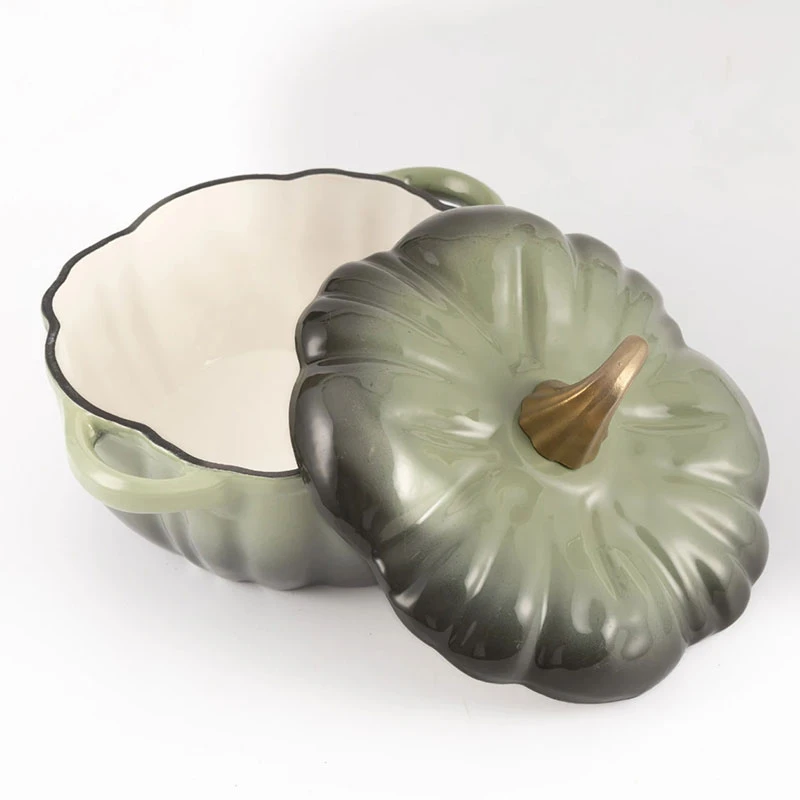
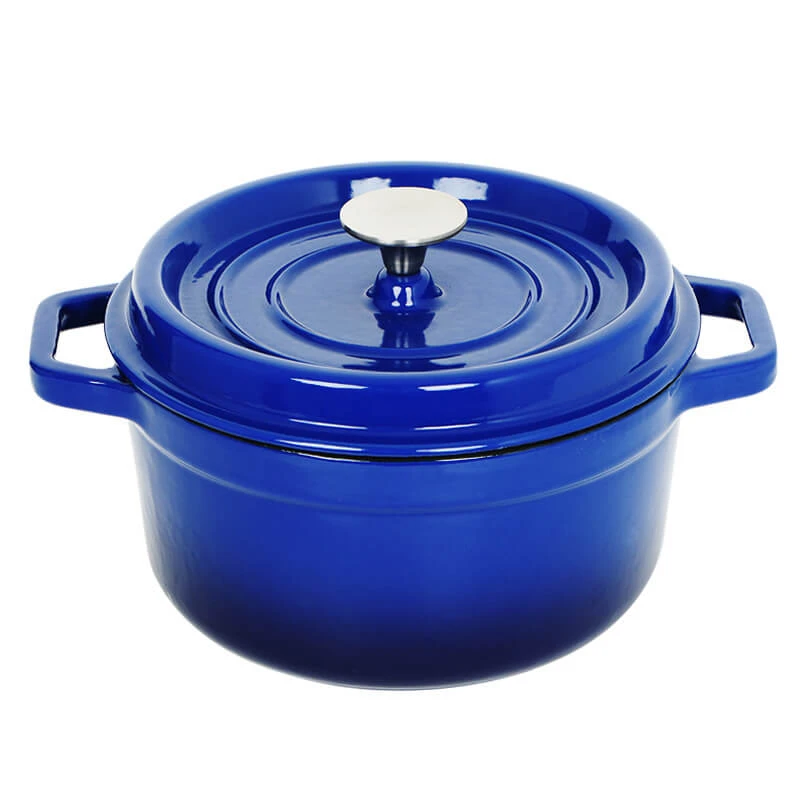
Simply put, a ceramic coated Dutch oven is a heavy-duty pot—usually cast iron or aluminum at its core—covered inside and sometimes out with a smooth, hard ceramic layer. This layer protects the metal, boosts durability, and offers a naturally non-stick surface without harmful PTFE or PFOA chemicals found in some synthetics.
Beyond just cookware, these ovens symbolize a shift toward conscientious manufacturing and healthier home and industrial cooking practices. They resonate well with sectors focusing on humanitarian aid kitchens, communal food preparations, and eco-conscious restaurants.
Key Features That Shape the Ceramic Coated Dutch Oven
1. Durability Without Compromise
Ceramic coatings are inherently resistant to scratching and chipping—most mild abrasions won’t penetrate the surface, ensuring this isn’t just a seasonal trend but a long-lasting investment in cookware.
2. Heat Retention & Even Cooking
Thanks to the Dutch oven’s traditional cast iron core, heat distributes evenly and retains warmth for hours. It’s almost like the pot remembers the heat you gave it, slowly releasing it to avoid hot spots.
3. Chemical-Free & Food-Safe
Ceramic coatings are free from toxic additives common in other non-stick surfaces. This reassures users who worry about chemicals transferring into food or creating environmental pollutants.
4. Easy Maintenance and Cleaning
Because of the non-stick ceramic surface, cleanup is easier. Even stubborn food residues rarely cling, making it ideal for busy kitchens (both personal and industrial).
5. Versatility Across Cooking Styles
From stovetop searing to oven roasting, the ceramic coated Dutch oven handles multiple heat sources and cooking methods gracefully. Some can even be used on induction cooktops, adding to their flexibility.
Mini takeaway: The ceramic coated Dutch oven isn’t just a pot; it’s a thoughtful blend of durable tech, safer materials, and cooking versatility.
Where and How These Dutch Ovens Make a Global Difference
Their real-world applications extend beyond your average kitchen. For example:
- Developing Regions: NGOs have adopted ceramic coated Dutch ovens in post-disaster relief programs where durable, easy-to-clean, and safe cookware is crucial.
- Eco-conscious Urban Kitchens: Sustainable restaurants in Europe and North America rely on these ovens to reduce chemical exposures and minimize waste.
- Remote Industrial Zones: Mining and construction camps use these for communal meals, trusting their resilience and ease of maintenance.
Even space agencies have eyed ceramic coatings for long-term food prep in constrained environments due to their longevity and safety.
Advantages that Make Ceramic Coated Dutch Ovens Worth It
The benefits stack up nicely:
- Cost Efficiency: They last longer, reducing replacement frequency.
- Healthier Cooking: No harmful chemical leaching means cleaner meals.
- Environmental Impact: Produced without toxic materials, they align with green manufacturing.
- Emotional Value: Users often express a sense of “trust” and “connection” to cookware that performs reliably and safely over years.
Mini takeaway: Embracing ceramic coated Dutch ovens isn’t just an economic decision, but one that touches food safety, environmental care, and emotional satisfaction.
Looking Ahead: Innovations on the Horizon
Industry insiders suggest continued innovation in ceramic coatings will improve scratch resistance and thermal efficiency. Further, some are exploring coatings infused with antimicrobial properties to enhance food safety. The push towards sustainable manufacturing processes promises even less environmental impact, while digital temperature-monitoring technology could become integrated into lids—a kind of smart kitchenware evolution.
It’s odd to think a pot could get “smart”, but then again, everything—from fridges to ovens—is shifting in that direction. The ceramic coated Dutch oven isn’t immune.
Common Challenges and How They're Being Tackled
Of course, no product is perfect. Ceramic coatings can be prone to cracking if dropped, and sometimes users mistakenly use metal utensils causing damage. However, companies now offer improved formulas that are more flexible under stress. Educating consumers on proper care—like avoiding sudden temperature shocks—helps extend product life dramatically.
For those worried about price, entry-level models are becoming more affordable without sacrificing quality, thanks to scaled manufacturing and better global supply chains.
Product Specification Table: A Typical Ceramic Coated Dutch Oven
| Feature | Specification |
|---|---|
| Material Core | Cast Iron / Aluminum (varies by model) |
| Coating Type | Ceramic (PTFE/PFOA-free) |
| Weight | 3.5 - 7 kg (7.5 - 15 lbs) |
| Capacity | 4 - 7 quarts |
| Heat Source Compatibility | Gas, Electric, Induction (selected models), Oven |
| Care Instructions | Hand wash recommended; avoid metal utensils |
Vendor Comparison: Selecting the Right Ceramic Coated Dutch Oven
| Feature | Brand A (Premium) | Brand B (Mid-Range) | Brand C (Budget) |
|---|---|---|---|
| Coating Longevity | 10+ years | 5 - 7 years | 2 - 4 years |
| Heat Distribution | Excellent | Good | Adequate |
| Oven Safe | Up to 500°F (260°C) | Up to 450°F (232°C) | Up to 400°F (204°C) |
| Warranty | Lifetime | 5 Years | 1 Year |
| Price Range | $150 - $300 | $80 - $150 | $40 - $80 |
FAQ: Quick Answers About Ceramic Coated Dutch Ovens
Q1: How do ceramic coatings compare to traditional non-stick surfaces?
Ceramic coatings are generally free from PTFE and PFOA, meaning fewer health concerns. They're more heat resistant, but sometimes less slick initially—though they improve with seasoning and use. Plus, they tend to last longer without flaking.
Q2: Can I use metal utensils with a ceramic coated Dutch oven?
It’s best to avoid metal utensils, as they can chip or scratch the ceramic surface. Wooden, silicone, or nylon tools extend the life of the coating.
Q3: Are ceramic coated Dutch ovens suitable for induction cooktops?
Many models designed with a magnetic base handle induction well, but always check the manufacturer specs. Not every ceramic coated Dutch oven is induction-compatible.
Q4: How should I clean and maintain a ceramic coated Dutch oven?
Hand washing with mild detergent and warm water usually suffices. Avoid abrasive scrubbers. Some are dishwasher safe, but hand washing extends the coating’s life.
Q5: Do these ovens retain heat better than other cookware?
Thanks to their heavy cast iron core, they do retain and distribute heat exceptionally well—much better than many stainless steel or aluminum pots.
Conclusion: Why You Should Consider a Ceramic Coated Dutch Oven Today
Whether you're a professional chef, a home cook, or involved in larger-scale kitchens, the ceramic coated Dutch oven offers durability, safety, and efficiency that few other pots can match. The global push for sustainable, non-toxic cooking solutions makes it a timely choice, especially when balanced against cost and long-term value. So why wait?
Explore the benefits and discover a range of options at ceramic coated dutch oven. Your next meal—and the planet—might just thank you.
Mini takeaway: The ceramic coated Dutch oven isn't just cookware—it's an investment in health, planet, and culinary excellence.
References
-
Antique Cast Iron Camp Oven: Durable Outdoor Cookware for Professionals | ZD CookwareNewsJan.06,2026
-
Durable 4 Quart Camping Pot for Professional Use | ZD CookwareNewsJan.06,2026
-
Durable Campfire Cast Iron Pot for Outdoor & Industrial UseNewsJan.06,2026
-
Cast Iron Griddle for Camp Stove – Durable Outdoor Cooking EssentialNewsJan.06,2026
-
Dutch Oven Cast Iron Camping – Durable Outdoor Cooking GearNewsJan.05,2026
-
Durable and Efficient Cast Iron Camping Griddle for B2B Professionals | ZD CookwareNewsJan.05,2026