Discover the Power of Tiny Dutch Ovens – Small in Size, Big in Impact
Why Tiny Dutch Ovens Matter in Today's World
When we talk about tiny dutch ovens, we might initially picture a charming, petite cookware piece perfect for one or two servings. But beyond kitchen aesthetics, they carry significance that ripples through global cooking traditions, product design, and even humanitarian contexts. Understanding tiny dutch ovens unlocks a little world of efficiency, sustainability, and practicality that’s oddly satisfying—because size often belies power and versatility.
Globally, cooking utensils play a key role in food security and cultural preservation. According to the Food and Agriculture Organization (FAO), improving cooking methods can reduce fuel consumption and harmful emissions. Tiny dutch ovens fit right in here, bridging traditional cast iron durability with compact design making them attractive for urban lifestyles, outdoor enthusiasts, and even relief efforts.
Mini takeaway: Tiny is mighty in cookware, and appreciating how mini dutch ovens impact cooking, fuel use, and traditions makes them more than cute pots.
Setting the Scene: A Global Look at Tiny Dutch Ovens
The global cookware market (valued in billions, no less) shows healthy growth partly because of rising interest in specialized items like tiny dutch ovens. The United Nations estimates over 55% of the world's population now lives in urban areas — smaller living spaces, smaller kitchens, smaller everything. Tiny dutch ovens meet this shift by catering to consumers wanting that robust cast iron cooking experience without hogging countertop real estate or storage space.
But there's another angle. In remote or disaster-hit regions where resources are tight and fuel scarce, efficient cookware like tiny dutch ovens can minimize waste and improve nutrition through careful heat retention and distribution. It’s fascinating how a small product can quietly support global challenges.
Mini takeaway: Tiny dutch ovens are not just a consumer trend; they address evolving global urbanization and humanitarian needs by combining compactness with durability.
So, What Exactly Is a Tiny Dutch Oven?
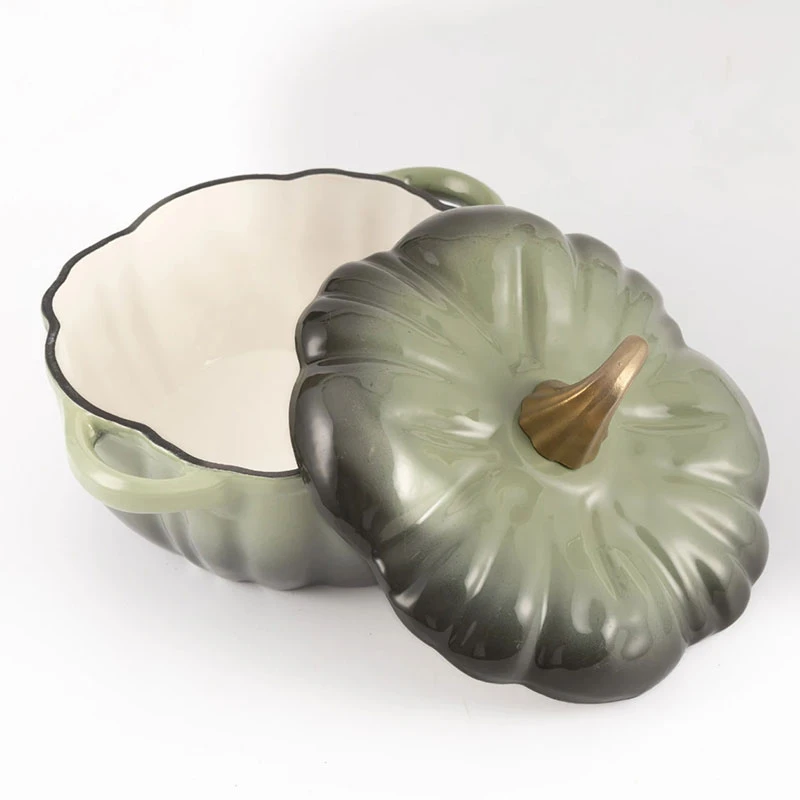
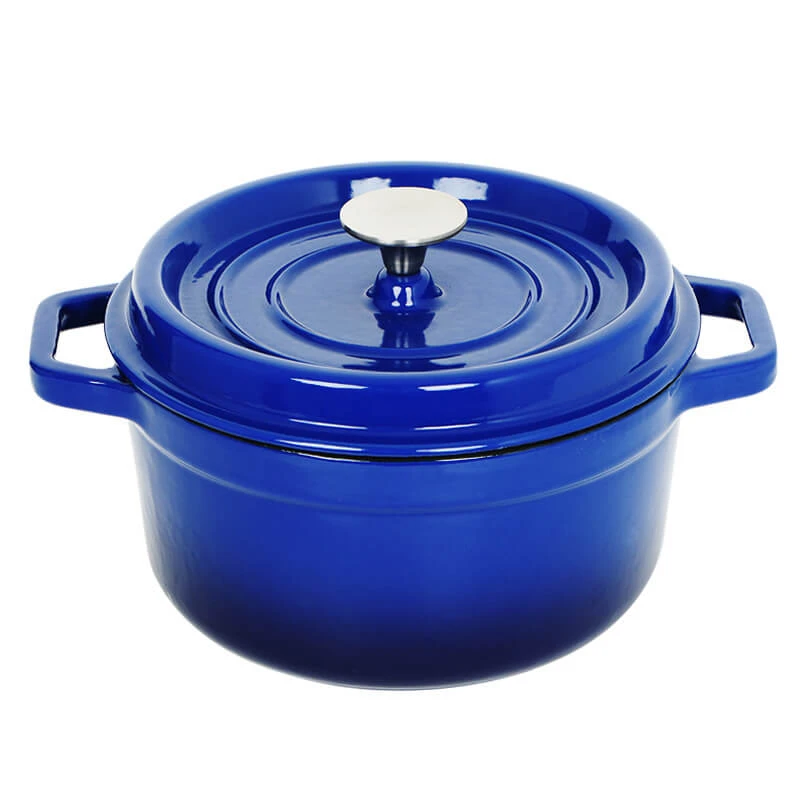
Simply put, a tiny dutch oven is a reduced-size version of the classic thick-walled pot, usually made from cast iron or enameled cast iron. Traditionally, dutch ovens are known for excellent heat retention and even heating, favored for slow-cooking stews, braises, and baking bread.
The “tiny” versions typically range from 1 to 3 quarts in capacity—small enough for single servings or side dishes but retaining the iconic heavy construction. This blend of size and material makes them versatile kitchen tools. They’re equally at home on a stovetop, inside an oven, or even campfires, catering to those who want utility without bulk.
Interestingly, the tiny dutch oven intersects with modern design trends focusing on space-saving and multifunctional tools, making them relevant for urban apartments, eco-conscious consumers, and even NGOs working on food security.
Core Components That Make Tiny Dutch Ovens Stand Out
1. Durability
Unlike lightweight pans, the cast iron core ensures longevity. Many say these ovens can last decades, even centuries, with proper care. Even the enamel-coated versions resist rust and chipping.
2. Heat Retention and Distribution
Cast iron and enamel excel at maintaining steady heat—ideal for low-and-slow cooking without constant fuel input. This efficiency matters globally, especially where energy conservation is a priority.
3. Size and Portability
A tiny dutch oven’s compact form fits tight storage and small kitchens, but it’s also a favorite on camping trips where gear weight and volume are crucial.
4. Versatility
Small enough for one-person meals but robust enough to bake bread, roast vegetables, or simmer sauces—the multifunctionality is compelling.
5. Sustainability
Cast iron is recyclable and long-lasting. When paired with traditional cooking fuels or modern induction stoves, tiny dutch ovens can reduce overall kitchen waste and energy demands.
Mini takeaway: From its enduring materials to its multifunctional uses, the tiny dutch oven packs efficiency that appeals broadly — from minimalist homes to global aid kitchens.
Across the Globe: How Tiny Dutch Ovens Are Put to Use
In regions ranging from the Pacific Northwest to parts of rural Africa, tiny dutch ovens serve different but equally vital roles.
- Post-disaster relief: Compact, durable cookware helps NGOs provide hot meals where infrastructure is weak.
- Urban living: Kitchen spaces shrink but culinary ambitions don’t; tiny dutch ovens offer a solution.
- Outdoor enthusiasts and campers: Their resilience and weight make them prized companions.
- Small-scale food businesses: Pop-up cafes and food trucks benefit from multi-use equipment like these.
In one notable case, a relief organization in Haiti reported that distributing tiny dutch ovens lowered local fuel consumption by 15%, thanks to the ovens' efficient heat retention—freeing up fuel logs for other needs.
Mini takeaway: Whether on a rugged trail or in the heart of humanitarian aid, tiny dutch ovens prove their worth beyond the kitchen shelf.
Specifications to Consider When Choosing Your Tiny Dutch Oven
| Specification | Typical Range / Feature | Notes |
|---|---|---|
| Material | Cast Iron / Enameled Cast Iron | Durability & heat retention |
| Size (Capacity) | 1 - 3 quarts | Fits 1-2 servings conveniently |
| Weight | 2 - 5 lbs (roughly) | Heftier than typical pans but manageable |
| Heat Source Compatibility | Gas, electric, induction, open flame | Universal use on many cooktops |
| Lid Type | Tight-fitting with knob | Helps trap moisture and heat |
Comparing Popular Tiny Dutch Oven Vendors
| Brand | Size Options | Material | Price Range | Special Features |
|---|---|---|---|---|
| Lodge | 1.5 - 2 quarts | Seasoned Cast Iron | $30 - $45 | Affordable, American-made |
| Staub | 1 - 2.25 quarts | Enameled Cast Iron | $120 - $180 | Premium finish, self-basting lids |
| Le Creuset | 1 - 3 quarts | Enameled Cast Iron | $150 - $250 | Iconic colors, lifetime warranty |
The Lasting Value of Tiny Dutch Ovens
Investment in a tiny dutch oven pays off in several practical ways. First, the cookware's longevity alone defies the throwaway culture dominating many product categories today. Cooking with cast iron gives a connection to tradition and reliability that just feels honest.
From an emotional standpoint, there’s joy in mastering meals in a tool that holds heat like a dream and literally ages well. Logically, using less fuel thanks to heat retention aligns with sustainable living goals, helping reduce household energy footprints.
Plus, sharing meals cooked in these goes beyond taste. It builds trust, comfort, and safety—things the world craves now more than ever.
Looking Ahead: Innovations in Tiny Dutch Oven Design
New materials and coatings are improving enamel resilience, reducing chipping and discoloration. Some brands are experimenting with lighter alloys paired with cast iron bases —a neat hybrid aiming to keep heat performance but ditch part of the weight.
Furthermore, digital cooking tools increasingly integrate with traditional cookware, letting chefs monitor temperatures better—even in tiny pots.
On a bigger scale, sustainable production methods and carbon-neutral manufacturing are reshaping the tiny dutch oven industry just as consumers demand greener choices.
Common Challenges and How to Tackle Them
A chief complaint is the inherent heaviness—no surprise with cast iron. But clever design tweaks, like thinner walls or ergonomic handles, help.
Also, maintaining seasoning (for bare cast iron) requires care, which not everyone is ready for. Education and detailed guides solve this.
For enamel ovens, chipping and cracking can occur, but many vendors now offer better warranties and more durable finishes.
FAQ: Your Tiny Dutch Oven Questions Answered
Q: What makes tiny dutch ovens better than regular-sized ones?
A: Their small size suits single or two-person meals, minimizing fuel use and leftovers. They heat quickly but still provide excellent slow-cooking benefits, perfect for modest kitchens or quick camping setups.
Q: Can a tiny dutch oven be used on induction stovetops?
A: Absolutely. Most cast iron dutch ovens, including tiny ones, work great on induction, gas, electric, and even open flames—making them versatile across cooking environments.
Q: How should I maintain a bare cast iron tiny dutch oven?
A: After cooking, clean with hot water and a soft brush; avoid soap. Dry thoroughly and apply a thin oil coat to keep the seasoning intact and prevent rusting.
Q: Are there environmental benefits to using tiny dutch ovens?
A: Yes. Their durability means fewer replacements, and their heat retention decreases fuel consumption. Also, using them for slow cooking reduces cooking time overall, saving energy.
Q: Where can I find good tiny dutch ovens online?
A: Many reputable cookware brands are widely available. For trusted products and options, visit our tiny dutch oven page to compare selections and learn more.
Wrapping It Up
Tiny dutch ovens might seem like a niche item, but their long-term value, versatility, and global relevance are genuinely impressive. Whether it’s a cozy kitchen or a relief camp stove, they bring together tradition, innovation, and sustainability.
For those curious to dive deeper or shop your perfect match, head over to our tiny dutch oven collection —you might just find that the smallest pot makes the biggest difference.
References:
1. Food and Agriculture Organization (FAO), “Cooking Solutions and Energy Use”
2. United Nations Urbanization Data, UN DESA 2022
3. ISO Standards on Cast Iron Cookware Durability and Safety
-
Antique Cast Iron Camp Oven: Durable Outdoor Cookware for Professionals | ZD CookwareNewsJan.06,2026
-
Durable 4 Quart Camping Pot for Professional Use | ZD CookwareNewsJan.06,2026
-
Durable Campfire Cast Iron Pot for Outdoor & Industrial UseNewsJan.06,2026
-
Cast Iron Griddle for Camp Stove – Durable Outdoor Cooking EssentialNewsJan.06,2026
-
Dutch Oven Cast Iron Camping – Durable Outdoor Cooking GearNewsJan.05,2026
-
Durable and Efficient Cast Iron Camping Griddle for B2B Professionals | ZD CookwareNewsJan.05,2026