Durable Cast Iron Roasting Pan with Lid – Ultimate Kitchen Essential
The Essential Guide to the Cast Iron Roasting Pan with Lid
Cast iron cookware has enjoyed a surge in popularity worldwide, and among the standout tools is the cast iron roasting pan with lid. But why, exactly, is this timeless piece enjoying such global relevance? Simply put, this pan offers a blend of natural heat retention, durability, and versatility that’s tough to beat. In kitchens across continents — from family homes to professional restaurants — understanding its benefits can elevate cooking to an art form while also nodding to sustainability and long-term value.
So, let’s get into why this particular pan matters globally, how it fits into modern cooking and industry needs, and what you should consider if you’re thinking of adding one to your kitchen arsenal.
The Global Perspective: Why the Cast Iron Roasting Pan Matters
Globally, cast iron cooking vessels have roots that trace centuries back, but their practical advantages have kept them relevant today. According to the Wikipedia entry on cast iron cookware, cast iron’s unparalleled heat retention and even cooking make it popular in both rustic and commercial uses. Interestingly, market data from the World Bank suggests a rising middle class in developing countries is driving demand for quality kitchen tools — and cast iron fits this trend well due to its longevity.
On another front, the ISO standards for cookware materials emphasize durability and safety, areas where cast iron excels. However, modern kitchens face a challenge: balancing fast, efficient cooking with the need for reliable, multi-purpose pans that last decades rather than months. Enter the cast iron roasting pan with lid — a design that answers this problem elegantly by being both an oven and stovetop workhorse.
What Exactly Is a Cast Iron Roasting Pan with Lid?
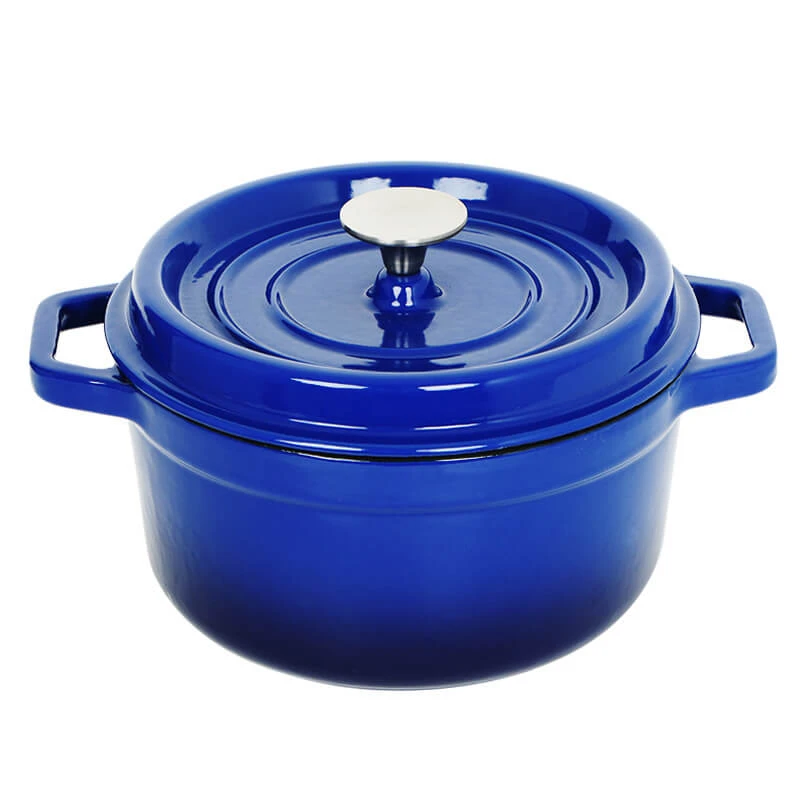
Put simply, a cast iron roasting pan with lid is a large, heavy-duty pan crafted from cast iron, designed specifically for roasting meat, poultry, vegetables, and more. The lid, often snug-fitting and equally made of cast iron, traps moisture and heat, allowing for evenly cooked, juicy results. Think of it as the lovechild of a skillet and a Dutch oven but optimized for roasting.
This pan type is a staple in both kitchens focused on traditional cooking methods and those that embrace modern culinary challenges—like sustainable feeding in remote areas or long-term food prep for large groups, including humanitarian settings. Its no-frills engineering and natural materials also contribute to eco-conscious cooking trends globally.
Mini Takeaway:
The cast iron roasting pan with lid isn’t just another pan. It’s a versatile, durable multi-tasker that has both historical charm and practical modern-day relevance.
Key Features to Consider
Durability That Goes the Distance
Cast iron’s hallmark is durability. Many chefs swear by their grandmother’s pan still going strong after decades. The roasting pan with lid shares that legacy — resistant to overheating and warping, it can handle searing temperatures and live through daily kitchen battering.
Superior Heat Retention and Even Cooking
Unlike thinner pans that might create hotspots, cast iron spreads heat evenly, making roasting consistent and predictable. The included lid helps retain moisture, essential for juicy roasts that aren’t dried out by dry heat.
Multi-Functional Design
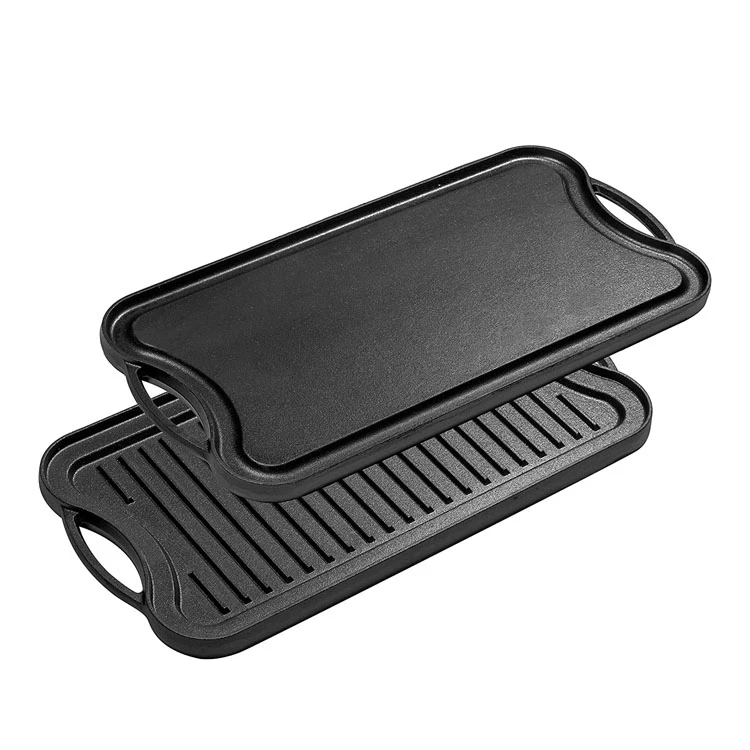
This pan’s a kitchen chameleon. Use it on the stovetop for searing, then slip it into the oven to roast. The lid doubles as a griddle or skillet surface if needed — talk about value.
Natural Non-Stick Qualities
When properly seasoned, cast iron develops a natural non-stick surface, cutting down on added fats and ideal for health-conscious cooks.
Environmental Sustainability
Cast iron’s longevity means less frequent replacement, lowering environmental impact. No plastic or non-stick chemicals involved.
Affordability over the Long Haul
While often pricier upfront than aluminum or steel, the investment pays off by decades of use—often outlasting the cook who bought it!
Mini Takeaway:
When choosing a cast iron roasting pan with lid, focus on the features that match your cooking style, from raw durability to culinary versatility.
Specifications of a Typical Cast Iron Roasting Pan with Lid
| Feature | Specification |
|---|---|
| Material | High-quality cast iron, pre-seasoned or unseasoned |
| Dimensions | Typically 14" to 17" length; 11" to 15" width; 3" to 5" depth |
| Weight | About 8 to 15 pounds depending on size |
| Lid Type | Fitted cast iron lid, often with a handle or knob for easy removal |
| Oven Safe | Up to 500°F or higher |
| Stovetop Compatibility | Gas, electric, induction, and open flame |
Vendor Comparison: Leading Cast Iron Roasting Pan Suppliers
| Vendor | Price Range (USD) | Warranty | Notable Features | Customer Rating (out of 5) |
|---|---|---|---|---|
| CastMaster Pro | $75 - $120 | Limited lifetime | Pre-seasoned, ergonomic handles | 4.7 |
| IronHaven | $60 - $95 | 5 years | Rust-resistant finish, oven-to-table design | 4.5 |
| Heritage Cookware | $90 - $130 | Lifetime | Traditional style, handcrafted lids | 4.8 |
Real-World Applications: Where the Cast Iron Roasting Pan Shines
Across the globe, from gourmet kitchens in France to community feeding programs in rural Africa, the cast iron roasting pan with lid plays a starring role. In the hospitality industry, chefs prize it for consistent roasting quality and its ability to transition from stovetop to oven with no fuss. Oddly enough, NGOs working in remote zones also use similar pans for preparing meals in field kitchens because they are reliable, easy to clean, and extremely durable.
Post-disaster relief efforts frequently rely on sturdy cookware for feeding displaced populations — and the cast iron roasting pan’s durability and heat efficiency reduce fuel consumption, a significant concern in austere environments. Beyond food service, some artisanal communities even use these pans for slow-cooking traditional recipes that require slow, even heat.
Mini Takeaway:
This pan’s trusted reputation crosses cultural and geographic divides, serving chefs, families, and aid workers alike.
The Long-Term Value & Advantages
- Cost Efficiency: Invest once, cook for decades.
- Sustainability: Reduces waste through longevity and avoids synthetic coatings.
- Enhanced Cooking Quality: Delivers juicy, well-roasted meals every time.
- Emotional Value: Sentimental hand-me-down item that connects generations.
- Trust and Reliability: Proven performance in diverse cooking conditions.
Plus, with growing interest in zero-waste kitchens and slow food movements, these pans embody a philosophy of care — for your food, your family, and the planet.
Emerging Trends & Innovations
Tech-savvy manufacturers are experimenting with coatings that preserve seasoning longer and resist rust better. Some models now come with digital temperature sensors embedded for precision control — handy in professional settings.
There’s also talk of integrating recycled iron materials, aligning with circular economy goals promoted by the UN’s sustainable development framework. As energy efficiency gains priority, cast iron’s compatibility with induction stoves (which are greener) further solidifies its relevance.
Challenges and How They’re Addressed
Of course, no product is perfect. Cast iron pans can be heavy, making handling difficult for some folks. They also require maintenance — seasoning and avoiding rust — which might deter casual users.
Manufacturers now offer ergonomic handles and lighter cast blends to ease the weight issue. Pre-seasoned models remove the learning curve, making these pans more accessible. With proper care instructions and accessories, many find these hurdles manageable.
FAQs About Cast Iron Roasting Pans with Lids
1. How do I season a cast iron roasting pan with lid properly?
Seasoning involves coating the pan with a thin layer of vegetable oil and baking it at high heat to create a natural non-stick surface. Repeat several times for best results. This protects your pan from rust and improves cooking performance.
2. Can these pans be used on induction cooktops?
Yes, cast iron is naturally magnetic and compatible with induction stoves, making it a versatile option across modern kitchen appliances.
3. How heavy is a typical cast iron roasting pan with lid?
Weights vary by size but generally range between 8 and 15 pounds. While heavy, many find the pan’s heat-retention benefits worth the effort.
4. Are pre-seasoned pans better than unseasoned?
Pre-seasoned pans are ready to use right away and less prone to rust. Unseasoned pans require you to season them yourself, which some culinary enthusiasts actually prefer for custom seasoning layers.
5. How long will a quality cast iron roasting pan last?
With proper care, these pans can last a lifetime — often passed across generations. This longevity is one of their biggest draws.
Wrapping It Up: Why Invest in a Cast Iron Roasting Pan with Lid?
There’s something comforting about a well-built cast iron roasting pan with a lid — it feels like a kitchen companion that ages gracefully while helping you craft delicious, nourishing meals. For those who value durability, sustainability, and performance, this tool repays its price several times over.
Thinking it might be time to add one to your collection? Explore options, check vendor specifications, and then see how it changes your approach to roasting at cast iron roasting pan with lid. You just might find it becomes your go-to kitchen asset for years to come.
References
-
Antique Cast Iron Camp Oven: Durable Outdoor Cookware for Professionals | ZD CookwareNewsJan.06,2026
-
Durable 4 Quart Camping Pot for Professional Use | ZD CookwareNewsJan.06,2026
-
Durable Campfire Cast Iron Pot for Outdoor & Industrial UseNewsJan.06,2026
-
Cast Iron Griddle for Camp Stove – Durable Outdoor Cooking EssentialNewsJan.06,2026
-
Dutch Oven Cast Iron Camping – Durable Outdoor Cooking GearNewsJan.05,2026
-
Durable and Efficient Cast Iron Camping Griddle for B2B Professionals | ZD CookwareNewsJan.05,2026