Dutch Oven Frying Pan – Versatile Cookware for Global Kitchens & Relief Efforts
The Marvel of the Dutch Oven Frying Pan: Why It Still Matters Worldwide
When you hear “dutch oven frying pan,” you might imagine two very different items. Yet, blending the best of both—a deep, enameled pot and a versatile pan—has revolutionized kitchens and humanitarian aid setups alike. This hybrid cookware isn't just a beloved staple for home chefs; it’s a critical tool worldwide that marries durability, versatility, and efficiency. And here's the kicker: understanding these advantages isn't just about better pancakes or stew. Globally, such cookware supports sustainable cooking practices, reduces fuel consumption, and even aids disaster relief efforts.
So why should we, beyond the culinary enthusiasts and volunteers, care? Well, the dutch oven frying pan is increasingly a symbol of smarter, more adaptable cooking solutions capable of withstanding harsh conditions—be it in isolated villages or urban food trucks. For a world that’s increasingly resource-conscious, these pans play a subtle but vital role in better nourishment and energy use.
Why the Dutch Oven Frying Pan Holds Global Importance
Globally, millions rely on cookware that’s efficient, durable, and safe. According to data from the International Organization for Standardization (ISO), energy-efficient cooking appliances can reduce cooking fuel use by up to 30%. This translates directly into reduced deforestation in vulnerable parts of the world and fewer emissions overall. In humanitarian circles—think post-disaster or refugee camp scenarios—having reliable cookware like the dutch oven frying pan can make a huge difference in food prep speed and safety.
But there’s a challenge. Many cooking tools are either too fragile or too bulky for rugged conditions. That’s where the dutch oven frying pan shines, solving a core problem: how to cook diverse meals quickly in less-than-ideal environments.
What Exactly Is a Dutch Oven Frying Pan?
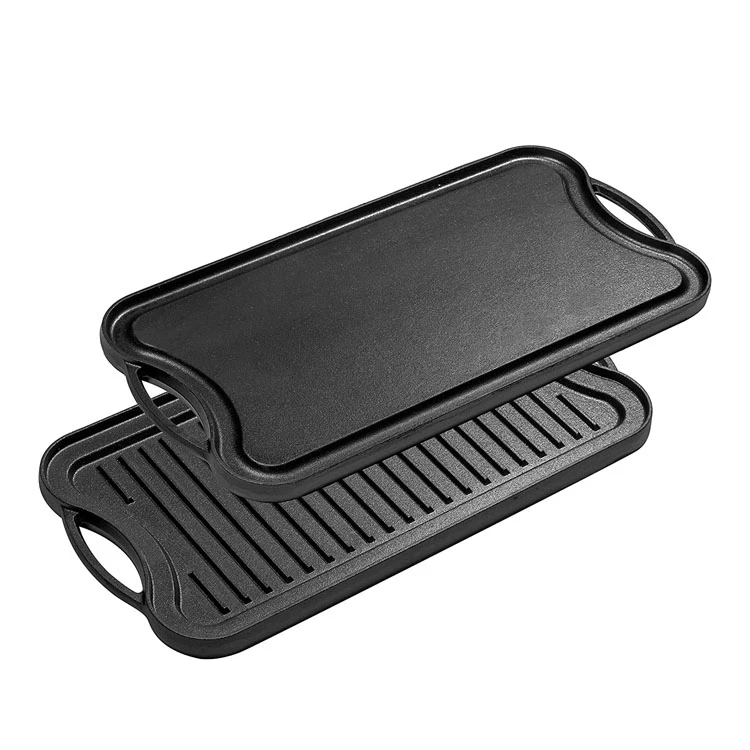
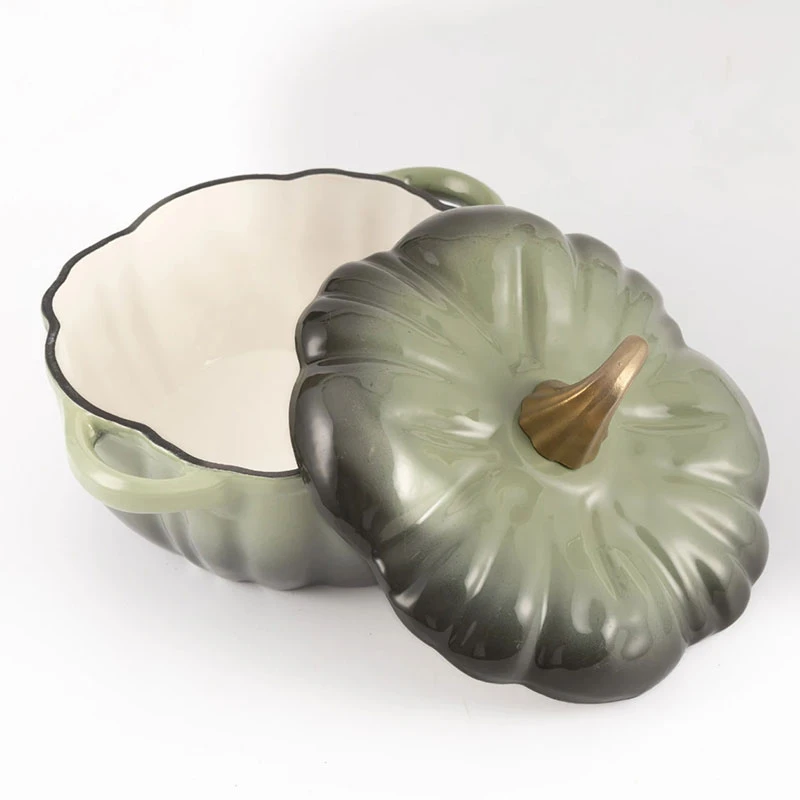
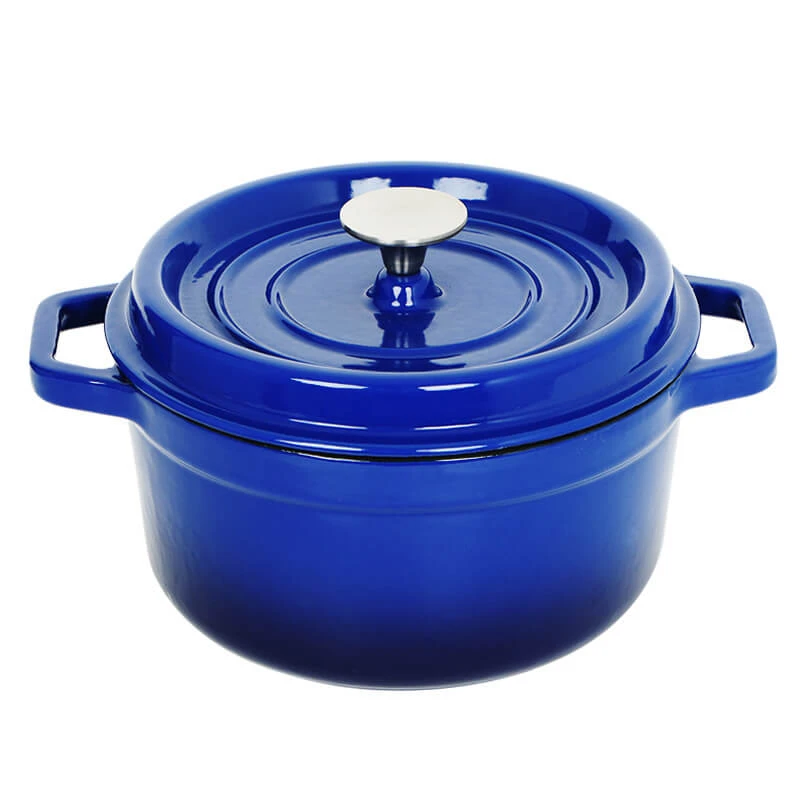
Simply put, a dutch oven frying pan combines the heavy, thick walls of a traditional dutch oven with the broad, shallow cooking surface of a frying pan. It’s usually made from cast iron or enameled cast iron—materials prized for even heat distribution and extraordinary durability. This hybrid allows chefs and home cooks alike to sear, simmer, bake, and fry—all in one versatile piece.
From a humanitarian perspective, think of it as a multi-tool for cooking: robust enough to cook stews over open flames, yet shallow enough to fry eggs or pancakes efficiently. Its dependable design has direct ties to modern industry practices focused on longevity and resource efficiency.
Core Aspects of Dutch Oven Frying Pans That Matter
1. Durability and Heat Retention
These pans are built to last—and not just for a few seasons. Cast iron’s dense structure means heat spreads evenly and stays stable, which isn’t just handy for flavor but also conserves energy. In volatile environments, where fuel is scarce or unstable, this makes a real difference.
2. Versatility in Cooking Styles
From slow braising to quick frying, the dutch oven frying pan covers it all. For aid organizations feeding large groups quickly, this flexibility means fewer utensils to manage and simpler logistics.
3. Ease of Cleaning and Maintenance
Despite their weight, these pans are simple to clean, often requiring just water and a little brush or cloth. Enamel coatings protect the surface from rust and reactive foods, which means longer shelf life and better hygiene—critical when water is limited.
4. Scalability and Size Options
They come in various sizes—from small 8-inch skillets to large 12-inch pots—that can feed individuals or sizable groups. This scalability matches diverse needs, from home kitchens to field canteens.
5. Cost Efficiency over Time
Initial costs might seem high, but many cooks swear by their dutch oven frying pans lasting decades. Consider it an investment in consistent, efficient cooking with low replacement frequency.
Mini Takeaway:
Long-lasting, multifunctional, and energy-efficient, the dutch oven frying pan is a multi-faceted tool essential for sustainable cooking worldwide.
How Dutch Oven Frying Pans Are Used Around the Globe
From kitchens in bustling cities to refugee camps on remote mountainsides, the dutch oven frying pan is trusted universally. Organizations like the UNHCR often distribute durable cooking pots to displaced communities because they handle everything from frying maize cakes to simmering nourishing broths.
In Western kitchens, chefs appreciate the pan’s ability to go from stovetop to oven seamlessly—dishing out artful braises or crispy-skinned chicken. Meanwhile, in areas prone to power outages or where cooking fuel is limited, the pan’s capacity to maintain heat for longer means fewer fuel refills and safer cooking conditions.
Oddly enough, even food truck vendors have adopted these pans for their sturdiness and cooking flexibility, optimising their small spaces without sacrificing menu variety.
Specification Table: Typical Dutch Oven Frying Pan
| Feature | Specification |
|---|---|
| Material | Enameled cast iron or seasoned cast iron |
| Diameter | 8–12 inches (20–30 cm) |
| Oven Safe Temperature | Up to 500°F (260°C) |
| Weight | 4 to 8 lbs (1.8 to 3.6 kg) |
| Maintenance | Seasoning or enamel care per usage |
Advantages & Lasting Value: Why Choose a Dutch Oven Frying Pan?
- Energy efficiency: Heat retention means cooking faster with less fuel.
- Longevity: They don’t just last years—they become heirlooms.
- Health & Safety: Even cooking minimizes burned food and foodborne bacteria.
- Environmental Impact: Fewer replacements and fuel savings mean a smaller carbon footprint.
- Social Impact: Enables reliable meal prep in tough contexts, providing dignity and nourishment.
There’s also something comforting about cooking on cookware that feels “right” in your hands — heavy enough to trust, simple enough to master, and adaptable enough to challenge your cooking creativity.
Vendor Comparison Table: Popular Dutch Oven Frying Pan Brands
| Brand | Material | Price Range | Unique Feature |
|---|---|---|---|
| Lodge | Seasoned cast iron | $40–$70 | Affordable, great pre-seasoned finish |
| Le Creuset | Enameled cast iron | $200–$400 | Vibrant colors, lifetime warranty |
| Staub | Enameled cast iron | $180–$350 | Matte black enamel, self-basting lids |
Future Trends & Innovations in Dutch Oven Cooking
As sustainable living becomes non-negotiable, manufacturers are exploring lighter materials that offer the same heat retention, such as carbon steel with innovative coatings. Digital temperature control and smart cooktops made for such pans could soon offer precision never thought possible in cast iron's old-school world.
Plus, community kitchens in developing regions are experimenting with solar-powered cookstoves designed specifically for dutch oven cookware, reducing fuel dependency dramatically. It’s a fascinating intersection of tradition meeting tomorrow.
Challenges & Expert Solutions
The main gripe? Weight. Cast iron is not light, which can limit use in mobile or emergency contexts. Experts suggest ergonomic handle designs and detachable handles as solutions. Other challenges include rust if not cared for properly, which enamel coatings reduce but don’t eliminate.
Innovations like rust-resistant seasoning treatments and lightweight composites are underway, pushing this classic cookware closer to modern demands.
Frequently Asked Questions About Dutch Oven Frying Pan
- How do I maintain a dutch oven frying pan to prevent rust?
- Regular seasoning with oil after use is key for uncoated cast iron. For enameled pans, simply clean with mild detergent and dry thoroughly. Avoid soaking or dishwasher use, which can degrade finishes.
- Can I use my dutch oven frying pan on induction cooktops?
- Yes! Cast iron and enameled cast iron are excellent for induction since they contain ferrous material. Just be mindful of weight to protect your cooktop surface.
- Are dutch oven frying pans suitable for outdoor cooking?
- Absolutely. Their durability and heat retention make them perfect over campfires or portable stoves, especially when multi-use cookware is needed to reduce packing weight.
- Why is the dutch oven frying pan better than regular frying pans?
- Due to its thicker material, it distributes and retains heat more evenly, leading to better searing and less chance of hotspots burning food.
- Is an enameled dutch oven frying pan easier for beginners?
- Yes, because the enamel coating prevents rust and eliminates the need for seasoning, plus cleaning is simpler—a big plus for many novices.
Wrapping It Up: The Enduring Appeal of the Dutch Oven Frying Pan
The dutch oven frying pan isn't just kitchen nostalgia; it’s a tool rooted in practicality, endurance, and sustainability. Its global footprint stretches from gourmet restaurants to refugee relief camps—where trusted, versatile cookware is nothing short of essential.
If you’re ready to add this powerhouse to your culinary arsenal or to support projects that depend on durable cookware, visit our website: dutch oven frying pan and discover which model fits your needs best.
It’s funny how something seemingly simple— a pan—can connect so many stories, cultures, and innovations. That’s why I’ll probably never stop appreciating the humble dutch oven frying pan.
References
-
Antique Cast Iron Camp Oven: Durable Outdoor Cookware for Professionals | ZD CookwareNewsJan.06,2026
-
Durable 4 Quart Camping Pot for Professional Use | ZD CookwareNewsJan.06,2026
-
Durable Campfire Cast Iron Pot for Outdoor & Industrial UseNewsJan.06,2026
-
Cast Iron Griddle for Camp Stove – Durable Outdoor Cooking EssentialNewsJan.06,2026
-
Dutch Oven Cast Iron Camping – Durable Outdoor Cooking GearNewsJan.05,2026
-
Durable and Efficient Cast Iron Camping Griddle for B2B Professionals | ZD CookwareNewsJan.05,2026