Discover the Quality and Craftsmanship of Made in Cookware Dutch Oven | Global Insights & Buying Guide
What Makes the 'Made in Cookware Dutch Oven' So Globally Significant?
At first glance, the phrase made in cookware Dutch oven might evoke memories of family dinners simmering on a stovetop or an outdoor camping scene. But beyond the comforting image lies a fascinating global story – one that ties manufacturing precision, cultural heritage, and modern culinary trends all into one heavy, enameled pot. Understanding this topic has real-world significance, especially as consumers worldwide become increasingly aware of the production origin and quality of cookware they trust in their kitchens.
From a global perspective, the cookware industry represents a multi-billion-dollar trade sector, with countries like France, the US, China, and even Turkey emerging as key players in producing Dutch ovens. The reliability, design, and production standards surrounding these kitchen essentials aren't just consumer concerns—they have ripple effects on international trade balances, sustainability efforts, and even economic livelihoods in manufacturing hubs.
The Global Context Behind Made in Cookware Dutch Oven
According to ISO manufacturing standards and trade data from the World Bank, cookware exports have steadily risen by about 3.2% annually worldwide in the past decade. Interestingly, Dutch ovens—a specific category within cast iron or enameled cast iron cookware—have garnered heightened consumer attention due to the foodie culture boom and increasing interest in traditional cooking methods.
However, one pressing challenge remains: discerning authentic, high-quality Dutch ovens “made in” a specific country from cheap knockoffs flooding online marketplaces. Consumers want to know about durability, non-toxic coatings, and provenance. That's where the term made in cookware Dutch oven embodies a promise of quality and traceability rooted in local manufacturing expertise, often associated with old-world craftsmanship combined with modern techniques.
Mini Takeaway:
Understanding the global landscape of made in cookware Dutch ovens is about more than just kitchen tools — it intertwines with international economics, quality assurance, and consumer trust.
Defining 'Made in Cookware Dutch Oven'
So, what exactly is a made in cookware Dutch oven? Simply put, it refers to those cast iron or enameled cookware pieces manufactured and assembled in a specific country, adhering to that nation's quality, safety, and production standards.
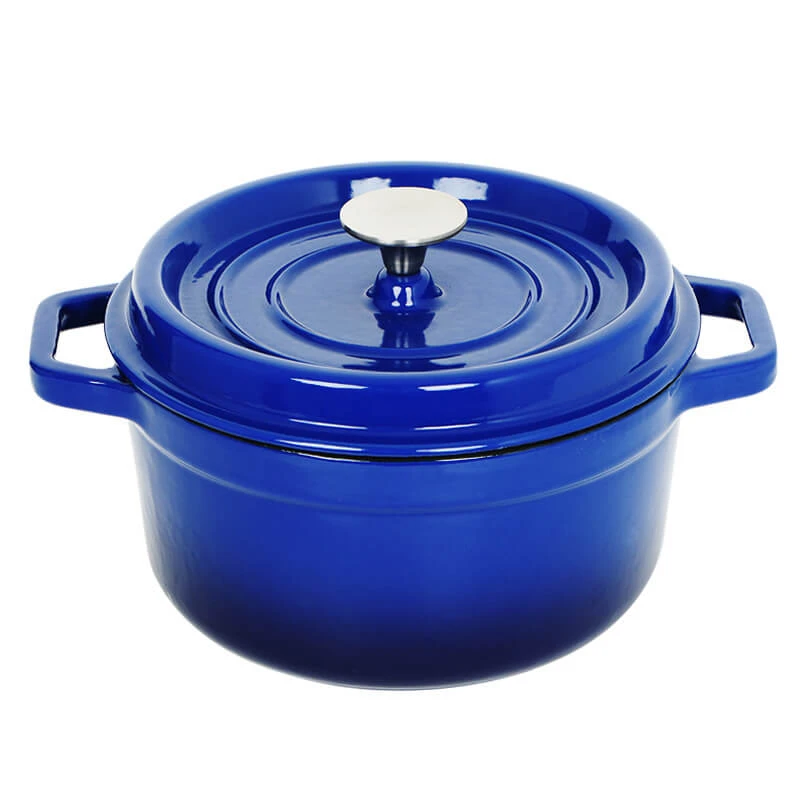
Dutch ovens themselves are heavy-duty pots with thick walls and tight-fitting lids designed for slow cooking, braising, and baking. Traditionally made from cast iron, many modern variants come with an enamel coating making them easier to clean and acid-resistant.
There’s a rich history here: named somewhat ironically after a Dutch casting technique, the modern industry for these cookware has roots centered in places like France (hello, Le Creuset), the US (Lodge), and even China (Yuet Sai), each lending its own take to the design and finish.
Mini Takeaway:
A made in cookware Dutch oven is as much about location as about materials and craftsmanship—a testament to industry traditions meeting contemporary kitchen needs.
Key Components That Make These Cookware Pieces Stand Out
Durability & Material Quality
One major factor is obviously the material. Cast iron retains heat incredibly well, providing consistent temperature harmony for cooking. Enameling, on the other hand, offers a non-reactive surface that prevents rust and simplifies cleaning. You get this mix of robustness and user convenience that really defines the category.
Precision Manufacturing
Modern made in cookware Dutch ovens undergo rigorous mold casting, heat treatments, and finishing procedures. Many specialists mention the importance of perfect weight distribution and lid tightness to preserve moisture and evenly cook food. Improper casting leads to warping or cracking later—so quality control is king.
Size & Weight Options
Sizes range from petite 2-quart models good for small families to massive 9-quart beasts for batch cooking or celebrations. Weight varies, roughly from 4 to 12 pounds, which oddly enough affects handling preferences—some swear heavier is better, others seek lightweight portability.
Coating & Finish
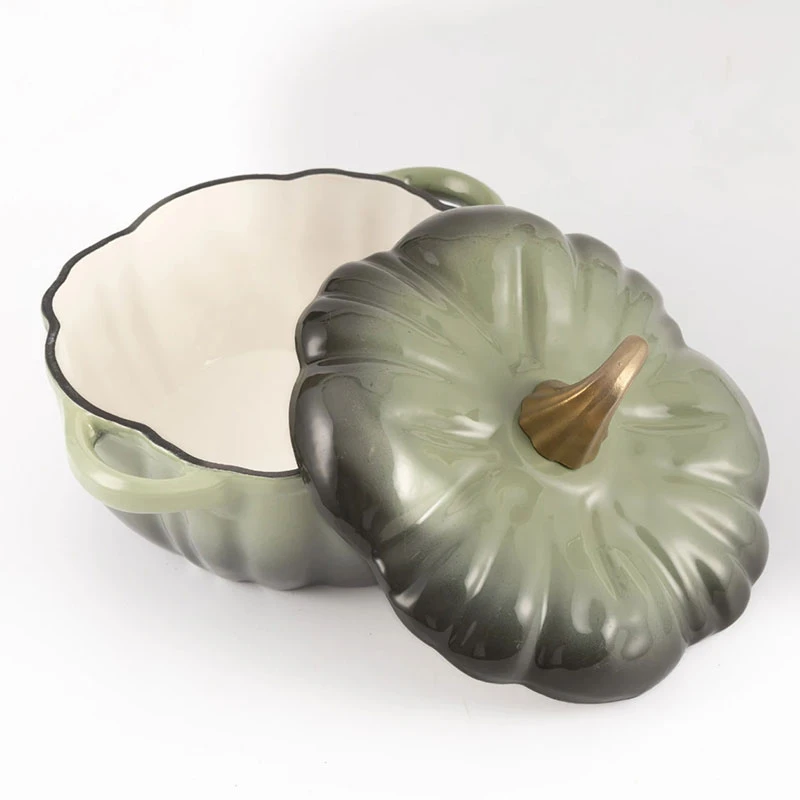
Some Dutch ovens feature multiple enamel layers to boost resistance against staining, chipping, or discoloration, especially from acidic foods like tomatoes. Color options also tap into consumer style choices—classic red, muted blue, or even “vintage green” tones attract different market segments.
User Trust & Warranty
Many manufacturers back their craftsmanship with extensive warranties — some lifetime — signaling their confidence and building brand loyalty globally.
Mini Takeaway:
- The fusion of material quality, manufacturing precision, and design variety defines a valued Dutch oven.
- Consumers may want to weigh durability versus ease of use based on cooking habits.
Global Applications: Where and Who Benefits From These Dutch Ovens?
These pots are not just luxury kitchen items. They find use everywhere from professional kitchens in Paris to family homes in Tokyo and even rugged campsites in North America. The made in cookware Dutch oven can handle baking bread, stewing meat, slow-cooking beans, or crisping roasts—a versatility sought by chefs and home cooks alike.
In developing regions, cast iron Dutch ovens manufactured locally offer more than culinary uses—they double as durable cookware for outdoor and indoor cooks, reducing resource waste thanks to longer lifespans compared to cheaper alternatives.
Nonprofits and food aid programs have even integrated these resilient pots into community kitchens and disaster relief settings, where reliable cooking gear is essential under challenging conditions.
Mini Takeaway:
An authentic made in cookware Dutch oven crosses cultural and geographic boundaries, proving its worth from luxury dining to survivalist kitchens.
Advantages & Long-Term Value of Investing in High-Quality Dutch Ovens
- Cost Effectiveness: While initial price points can be higher, these ovens often last decades, translating to fewer replacements and lower lifetime costs.
- Sustainability: Cast iron is 100% recyclable and enameled coatings reduce the need for harmful chemical soaps.
- Emotional Connection: Passing down a heavy, battle-worn Dutch oven from generation to generation creates family heritage ties.
- Reliability & Safety: Stable materials mean fewer toxic residues or warping hazards, providing safe meal prep.
- Design & Innovation: Enthusiast communities innovate with anodized finishes or induction-compatible bases.
Mini Takeaway:
Investing in a reputable made in cookware Dutch oven isn't just about cooking better food—it's an emotional, economic, and ecological choice.
The Future: Trends and Innovations Shaping Dutch Oven Production
What really piques my interest is how this venerable cooking tool adapts to modern times. We’re seeing an uptick in carbon-neutral manufacturing processes, use of green energy, and eco-friendly packaging tied to sustainability goals (ISO 14000 standards, for example).
Also, advanced ceramics and hybrid coatings aim to make these ovens lighter, scratch-resistant, or even digitally enabled with embedded temperature sensors someday—smart cookware, anyone?
Global trade policies might shift too, encouraging more localized production to reduce carbon footprints, which could further boost consumer demand for regionally made cookware.
Mini Takeaway:
The classic Dutch oven is on the cusp of blending tradition with cutting-edge sustainability and tech—a promising future indeed.
Challenges Faced & Ways to Overcome Them
Of course, nothing’s perfect. Consumers often wrestle with the heft of a cast iron Dutch oven, its care instructions, and cost. Plus, the market is riddled with low-quality imitations diluting trust.
Vendors and manufacturers are tackling this by offering lighter alloys, better enamel resilience, and transparent labeling systems authenticated via blockchain tech (hard to fake a certified “made in” tag then!). Education campaigns help buyers understand why paying extra is worthwhile.
Product Specification Table: Typical Made In Cookware Dutch Oven Comparison
| Feature | Small (2-3 qt) | Medium (5-6 qt) | Large (8-9 qt) |
|---|---|---|---|
| Weight | 4.2 lbs (1.9 kg) | 8 lbs (3.6 kg) | 11.5 lbs (5.2 kg) |
| Material | Cast Iron, Enameled | Cast Iron, Enameled | Cast Iron, Enameled |
| Lid Seal | Tight-fitting | Tight-fitting | Tight-fitting |
| Oven Safe Temp | 500°F (260°C) | 500°F (260°C) | 500°F (260°C) |
| Warranty | Lifetime | Lifetime | Lifetime |
Vendor Comparison: Popular Brands With Made in Cookware Dutch Oven Roots
| Brand | Country of Manufacture | Material | Price Range | Unique Feature |
|---|---|---|---|---|
| Le Creuset | France | Enameled Cast Iron | $300 - $600 | Classic vibrant colors, excellent enamel |
| Lodge | USA | Cast Iron (Traditional & Enameled) | $40 - $120 | Affordable, seasoned surface options |
| Staub | France | Enameled Cast Iron | $200 - $500 | Matte enamel finish, self-basting lids |
FAQs About Made in Cookware Dutch Oven
Q1: How do I know if a Dutch oven is genuinely 'made in' a specific country?
A1: Authenticity usually comes from certification labels, brand transparency, or direct manufacturer info. Some companies provide serial numbers or country-specific markings. If you want to be 100% sure, buying directly from reputable retailers or brand websites like here helps avoid counterfeits.
Q2: What maintenance is recommended for an enameled Dutch oven?
A2: Enameled Dutch ovens don’t need seasoning like raw cast iron but should be cleaned gently with mild soap and soft sponges. Avoid metal utensils that can chip enamel and high heat that risks cracking. With proper care, these ovens can last decades.
Q3: Are made in cookware Dutch ovens compatible with induction cooktops?
A3: Yes, most cast iron-based Dutch ovens, whether enameled or traditional, work well on induction surfaces due to their ferromagnetic properties.
Q4: Can these Dutch ovens be used outdoors, say, for camping?
A4: Absolutely, many cooks swear by them for their durability and slow-cooking capability. Just be mindful of weight and heat source type.
Q5: Why are some Dutch ovens so expensive? Is it worth it?
A5: Higher-end Dutch ovens often reflect superior casting techniques, thicker walls, advanced enamel coatings, and warranty coverage. Whether it’s worth it depends on cooking frequency and preference for longevity versus initial price.
Conclusion & Your Next Step
To wrap it all up, the made in cookware Dutch oven is no mere kitchen oddity but a cornerstone of cooking culture, global manufacturing, and sustainable investment. Its balance of tradition and innovation keeps it relevant, while an informed choice can elevate your cooking experience and support craftsmanship worldwide.
If you’re ready to explore quality options backed by authentic manufacturing and excellent warranty, take a look at made in cookware Dutch oven specialists—you might just find a pot that becomes your kitchen heirloom.
Mini Takeaway:
Whether you’re a weekend chef or a culinary pro, investing in an authentically made Dutch oven pays off in performance, durability, and joy for years to come.
References
-
Antique Cast Iron Camp Oven: Durable Outdoor Cookware for Professionals | ZD CookwareNewsJan.06,2026
-
Durable 4 Quart Camping Pot for Professional Use | ZD CookwareNewsJan.06,2026
-
Durable Campfire Cast Iron Pot for Outdoor & Industrial UseNewsJan.06,2026
-
Cast Iron Griddle for Camp Stove – Durable Outdoor Cooking EssentialNewsJan.06,2026
-
Dutch Oven Cast Iron Camping – Durable Outdoor Cooking GearNewsJan.05,2026
-
Durable and Efficient Cast Iron Camping Griddle for B2B Professionals | ZD CookwareNewsJan.05,2026