The Large Enamel Dutch Oven: Durable, Versatile Cookware for Global Kitchens
Understanding the Large Enamel Dutch Oven: A Global Kitchen Essential
When you hear the phrase large enamel dutch oven, you might picture a big, colorful pot waiting on a stove, ready to simmer a hearty stew or fresh bread dough. But this humble cookware has become more than just a kitchen staple — it’s a fascinating example of classic design paired with modern innovation, enjoyed worldwide and embraced for its durability and versatility.
Globally, cooking vessels like this prove essential not only in the home but in situations where reliability and efficiency are critical. From family kitchens in Europe to humanitarian aid kitchens in remote areas, understanding why the large enamel coated pot continues to thrive worldwide helps us appreciate how time-tested craftsmanship meets today’s practical needs.
The Global Context: Why Size and Material Matter in Cookware
In recent years, there has been a resurgence in cast iron, specifically enamel-coated cast iron cookware — a trend not limited to hipster cafes but documented by the manufacturing stats on cast iron use. The World Bank notes that nearly 3 billion people globally rely on improved cooking technologies for safety and efficiency, which often includes durable cookware built to last.
Why does the large enamel dutch oven matter here? Because it solves a few big problems: longevity, versatility across cooking methods (oven, stove, even open fire), and ease of cleaning thanks to the enamel surface. International kitchens, whether professional or community-run, face constant challenges — uneven heating, food residue buildup, and tools that simply wear out too fast. This is where quality enamelware shines.
In humanitarian and disaster-relief operations especially, durable cookware that provides even heat distribution and retains temperature can be a game-changer for feeding large groups efficiently and safely.
What Exactly Is a Large Enamel Dutch Oven?
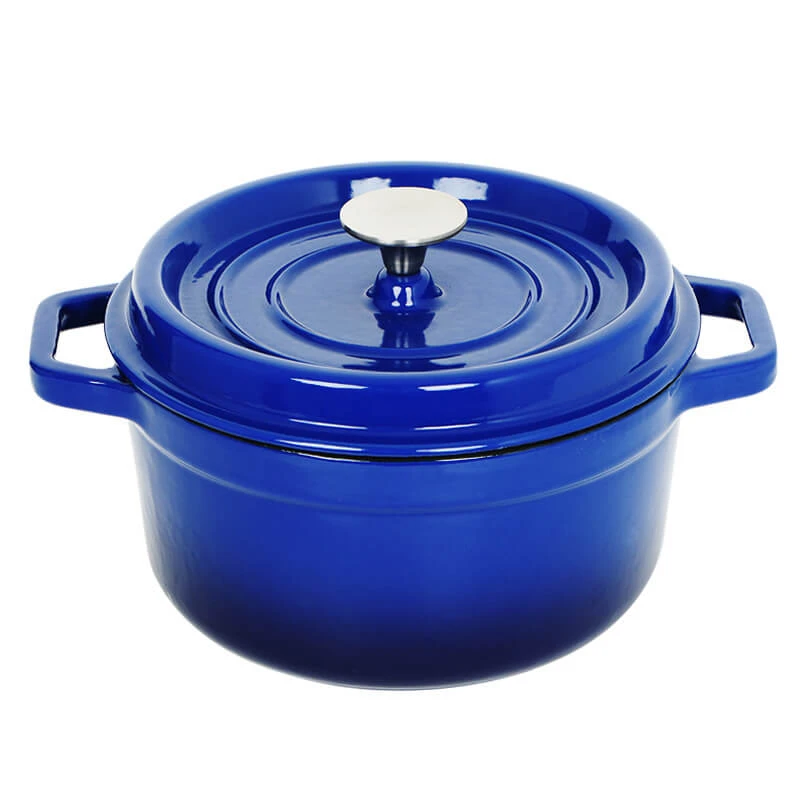
In simple terms, a large enamel dutch oven is a heavy pot made from cast iron coated with a layer of vitreous enamel. That enamel gives it a glass-like, non-reactive surface that’s resistant to rust, acidic foods, and sticking. The typical "large" size refers to capacities from 5 to 7 quarts — for cooking meals that serve several people.
Its roots date back hundreds of years but today, it sits comfortably at the crossroads of industrial manufacturing and artisanal craftsmanship, combining mass production precision with materials designed to meet both day-to-day and professional culinary demands.
Core Components and Features to Know
1. Durability
Cast iron itself is legendary for withstanding decades of use — in fact, many chefs swear by it for producing richer flavors over time. The enamel layer enhances this by protecting the metal underneath from rust and scratches, leading to a pot that often becomes an heirloom.
2. Heat Retention and Distribution
This large pot’s thick walls store and distribute heat evenly, preventing hotspots that might scorch food. It makes slow-cooking things like stews or braises reliable and predictable — especially important when cooking in less-controlled environments.
3. Versatility
You can use a large enamel dutch oven on gas, electric, induction cooktops, and in ovens. Some adventurous cooks even use them over campfires. This multi-use nature means fewer pots overall, simplifying both home and commercial kitchens.
4. Ease of Maintenance
The smooth enamel surface usually requires only gentle hand washing (dishwashers… sometimes, but not always recommended). It resists acidic foods like tomato sauces without imparting metallic tastes.
5. Design and Aesthetics
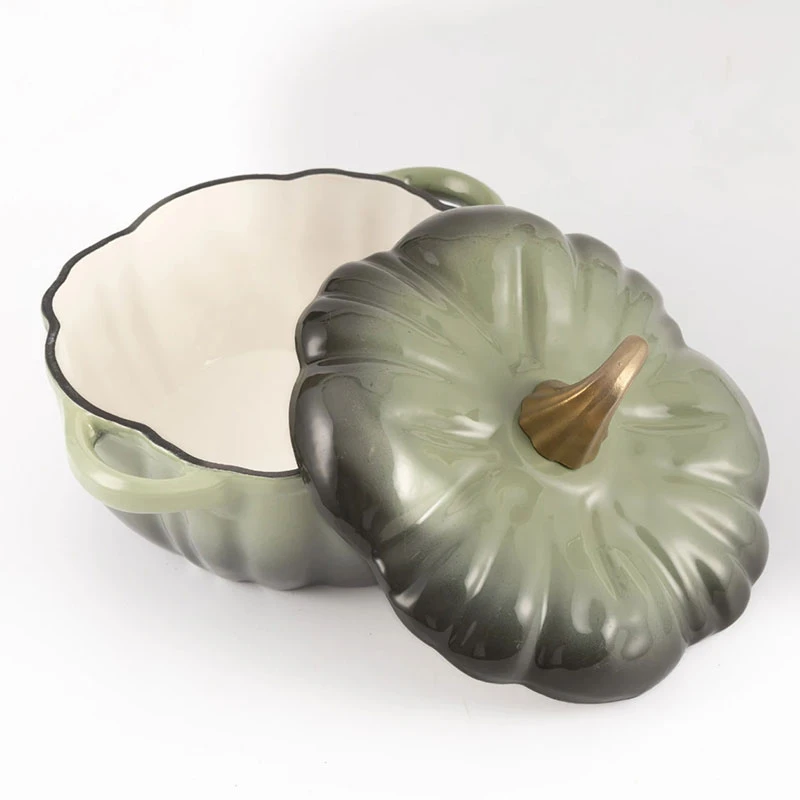
Available in eye-catching colors and finishes, these pots add charm to any kitchen — an understated but appreciated bonus.
Typical Specifications of a Large Enamel Dutch Oven
| Specification | Typical Value |
|---|---|
| Material | Cast Iron Core with Vitreous Enamel Coating |
| Capacity | 5 to 7 quarts (4.7 to 6.6 liters) |
| Weight | 7 to 10 pounds (3.2 to 4.5 kg) |
| Oven Safe Temperature | Up to 500°F (260°C) |
| Handles | Loop Handles, Enamel-Coated |
| Lid | Tight-Fitting, Enamel Coated with Heat-Resistant Knob |
How Different Vendors Stack Up
| Brand | Price Range | Color Options | Warranty | Notable Features |
|---|---|---|---|---|
| Brand A | $120 - $150 | 8+ colors | 10 years limited | Extra-thick walls, ergonomic handles |
| Brand B | $90 - $120 | 5 colors | 5 years limited | Lightweight design, dishwasher safe |
| Brand C | $150 - $180 | 10+ colors | Lifetime | Premium enamel quality, oven-to-table design |
Global Use Cases: From Home Kitchens to Humanitarian Missions
What might surprise many is how extensively the large enamel dutch oven is used beyond normal home cooking. Relief agencies in disaster-struck zones, like those responding to famines or refugee crises, frequently equip communal kitchens with these pots. They offer reliable heat retention and need minimal care, crucial when water or power may be scarce.
Farm-to-table restaurants and industrial food production facilities alike turn to these pots for their dependable performance. In remote parts of Africa and Asia, using basic fuels like wood or charcoal, sturdy enamel pots are preferred for daily meal prep.
One vivid example: a nonprofit in Nepal scaled up its meal programs using these ovens, thanks to their ability to cook multiple dishes consistently on primitive stoves. It streamlined food prep, reduced fuel use, and improved nutrition delivery to vulnerable groups.
Quick Takeaway:
- Large enamel dutch ovens handle tough cooking scenarios gracefully.
- They're a trusted tool in both developed and developing regions.
Long-Term Benefits That Matter
Keeping a reliable cooking pot around is about more than just making food. It’s about trust — that your meal will come out right, the pot won’t fail mid-cook, and cleanup won’t feel like a chore. The enamel layer provides a hygienic surface that doesn’t react with food, preserving flavors and even nutritional value.
Because these pots last for decades, the investment in a quality large enamel dutch oven pays off environmentally and economically, reducing waste and replacing disposable cookware. There’s a quiet dignity in knowing your cookware can be passed down — to children or even community kitchens.
Future Directions: What Lies Ahead for Enamel Cookware?
Interestingly, manufacturers are exploring more eco-friendly enamel coatings with less impact on the environment, alongside improvements in weight reduction — because, let’s be honest, cast iron can feel like a workout! Innovations also include better heat-conductive alloys and even smart cookware that tracks temperature digitally.
Automation in production and stricter ISO certifications for material safety also ensure future pots are more consistent in quality, helping users everywhere feel confident in their purchase.
Challenges & How They're Being Solved
Enamel chipping remains a concern, especially when handling or storing pots roughly. In response, brands now use tougher enamel layers and develop better packaging. Weight can be a challenge for some users, too, but newer iterations balance strength and weight more skillfully.
Lastly, while the upfront price is higher than generic pots, educational efforts about lifespan cost savings aim to shift consumer expectations towards investing once to buy well.
FAQs About Large Enamel Dutch Ovens
Q1: How do I maintain my enamel dutch oven to prevent chipping?
A1: To reduce chipping, avoid sudden temperature changes (like cold water on a hot pot), use non-metal utensils, and store carefully to prevent knocks. Hand washing with mild detergent preserves the enamel. With good care, your pot can last decades.
Q2: Can I use a large enamel dutch oven on induction cooktops?
A2: Yes, since the core is cast iron, large enamel dutch ovens are compatible with induction stoves, gas, electric, and ovens. That versatility is one huge reason they remain popular.
Q3: Is enamel cookware safe for acidic foods like tomato sauce?
A3: Definitely — the enamel coating is non-reactive, so it won’t impart metallic tastes or degrade when cooking acidic dishes. This is a big plus over bare cast iron.
Q4: What size should I choose for a family?
A4: A 5 to 7-quart size suits most families or small gatherings. Larger capacities exist but can be heavy to manage daily.
Q5: Where can I buy quality enamel dutch ovens?
A5: Trusted kitchenware stores, brand websites, and reliable online retailers carry a range. For more on this, explore options at large enamel dutch oven providers.
Wrapping It Up: Why the Large Enamel Dutch Oven Still Wins Hearts
In a world of fleeting fads, the large enamel dutch oven quietly endures as a symbol of quality, reliability, and timeless design. Whether you’re simmering dinner for your family or feeding tens in a humanitarian effort, this cookware answers fundamental needs for durability, versatility, and ease. In the long run, it’s an investment in better food — and better moments around the table.
Looking to upgrade your kitchen tools or find a gift that lasts a lifetime? Check out more on large enamel dutch oven selections and see what suits your style and needs best.
References
-
Antique Cast Iron Camp Oven: Durable Outdoor Cookware for Professionals | ZD CookwareNewsJan.06,2026
-
Durable 4 Quart Camping Pot for Professional Use | ZD CookwareNewsJan.06,2026
-
Durable Campfire Cast Iron Pot for Outdoor & Industrial UseNewsJan.06,2026
-
Cast Iron Griddle for Camp Stove – Durable Outdoor Cooking EssentialNewsJan.06,2026
-
Dutch Oven Cast Iron Camping – Durable Outdoor Cooking GearNewsJan.05,2026
-
Durable and Efficient Cast Iron Camping Griddle for B2B Professionals | ZD CookwareNewsJan.05,2026