Nov . 30, 2025 23:10
Back to list
The Ultimate Guide to Quality Cast Iron Dutch Oven | Durable & Sustainable Cookware
Why a Quality Cast Iron Dutch Oven Matters in Today’s Kitchen
If you’ve ever found yourself lingering over a bubbling stew or crusty bread fresh from the oven, you might have unknowingly benefited from the magic of a quality cast iron Dutch oven. But beyond the usual familial kitchen warmth, these iconic cookware pieces have a bigger story to tell. Not only do they deliver unmatched cooking performance, but they also reflect a global culinary heritage and environmental sustainability — a rare combo these days. Globally, cast iron cookware has been a staple for centuries, cherished for its versatility and resilience. According to the International Culinary Federation, cookware durability and energy efficiency are key factors in reducing waste and improving cooking outcomes worldwide (1). The quality cast iron Dutch oven, often seen as the gold standard in heavy-duty cookware, plays a vital role in achieving those goals. From the sizzling kitchens of France to cozy homes in Asia, the use of high-quality cast iron Dutch ovens helps reduce energy consumption by retaining heat better and cooking evenly, which ultimately means less fuel used and less carbon footprint. Understanding what makes a quality cast iron Dutch oven so special empowers chefs, homemakers, and even humanitarian organizations to choose wisely. Think slow-cooking casseroles during power outages or outdoor cooking in remote areas — where versatility and reliability literally matter. This article walks you through the essential facets of this cookware staple, its global significance, and why investing in the best makes long-term sense. ---What Exactly Is a Quality Cast Iron Dutch Oven?
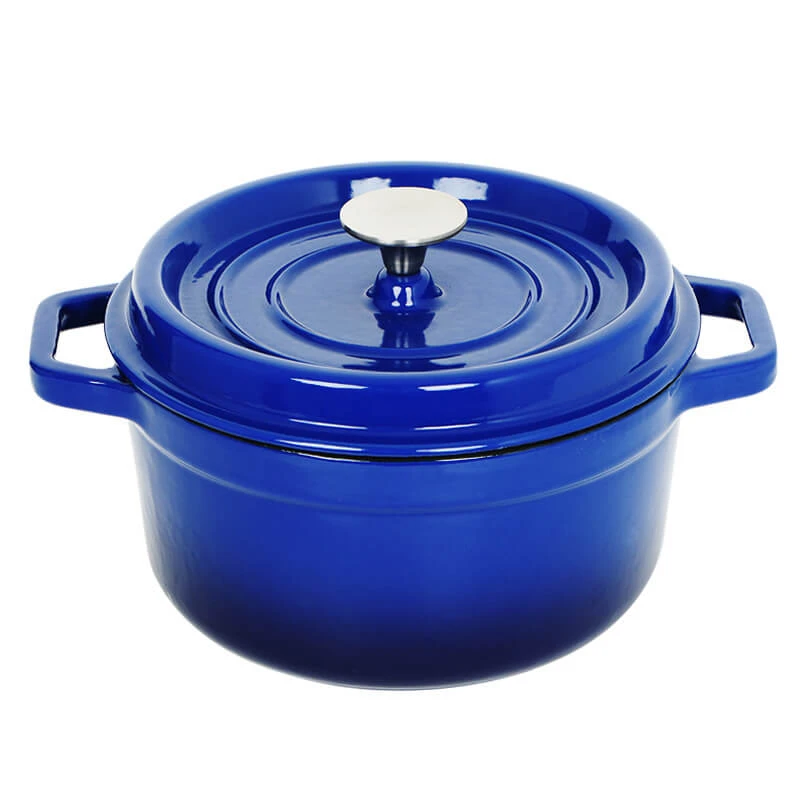
At its core, a quality cast iron Dutch oven is a heavy-duty cooking pot, typically with thick walls and a tight-fitting lid. These pots are made from cast iron, known for its incredible heat retention, durability, and even cooking. Unlike regular pots, cast iron Dutch ovens can be used on a variety of heat sources: stovetops, ovens, campfires — you name it. In simple terms: it’s a multi-functional cooking powerhouse. You can braise, roast, bake, fry, stew — even simmer sauces for hours without worrying about hot spots or scorching (if you’re using quality cookware, anyway). But beyond that kitchen definition, these dutch ovens intersect interestingly with modern industry and humanitarian efforts. For example, post-disaster camps often rely on sturdy, efficient cookware that can endure rough conditions and cook large quantities for communities. The quality cast iron Dutch oven fits the bill, helping conserve fuel and food resources — a subtle but important humanitarian aid tool. ---Breaking Down the Essentials: Key Features of a Quality Cast Iron Dutch Oven
Durability
Durability is perhaps the most obvious advantage. Good-quality cast iron Dutch ovens can last decades — often outliving these who use them. I’ve seen heirloom pots that still cook like new after 70 years! This longevity means less waste and fewer replacements, which makes environmental and economic sense.Heat Retention and Even Cooking
One thing many manufacturers claim, but quality cast iron really delivers on, is heat retention. Once hot, it stays hot—with minimal energy input. This is key for slow-cooking meals, allowing even cooking without constant adjustment.Versatility
From stove to oven to open flame, the quality cast iron Dutch oven adapts — perfect for home kitchens and outdoor adventures alike. Whether you want to bake bread or whip up chili, the pot holds heat and moisture so beautifully it almost doubles as a steam cooker.Maintenance & Seasoning
Unlike fancy non-stick pots that wear out or peel, a cast iron Dutch oven only gets better with use. Seasoning the pot (coating it with oil and heating) creates a natural, non-stick surface. This seasoning also protects the iron and keeps food tasting great.Cost Efficiency
While the upfront cost can seem high, the true value lies in long-term use. Unlike cheap cookware that warps or fails in months, investing in a quality cast iron Dutch oven avoids repeated purchases — plus savings on energy and food wastage. ---
Mini takeaway: A carefully chosen quality cast iron Dutch oven is a robust, economical investment that outshines many modern cookware options, sticking the test of time and varied cooking needs.
---
Global Application and Real-World Use Cases
The cast iron Dutch oven isn’t just a kitchen curiosity — it’s a global workhorse. In Europe, traditional kitchen culture thrives on it; in parts of Africa, NGOs distribute heavy-duty Dutch ovens to rural communities to reduce firewood consumption. The pot’s long heat retention means families collect less fuel, easing environmental pressures and improving safety. In disaster zones, NGOs choose quality cast iron Dutch ovens because they last and can feed groups efficiently — think of refugee camps in the Middle East or remote mountain villages in Nepal. Cooking large stews or soups with consistent heat, even during rolling blackouts, is essential. Oddly enough, many industrial kitchens and small restaurants also swear by cast iron Dutch ovens for the same reasons: durability, versatility, and heat control. It feels like a small step backward to tradition but a big leap forward for sustainability. ---Product Specification Table
| Feature | Typical Range | Why It Matters |
|---|---|---|
| Material | Cast Iron with Enamel Coating Options | Durability & maintenance preferences |
| Capacity | 3 qt – 7 qt (approx. 2.8–6.6 liters) | Fits family or commercial cooking needs |
| Weight | 7–12 lbs (3.2 – 5.4 kg) | Handles rugged use but is portable enough for outdoor |
| Heat Source Compatibility | Stovetops, ovens, open flame, induction (varies) | Versatility in cooking environments |
| Average Price | $50–$250 , depending on brand and size | Reflects quality, warranties, and manufacturing |
Vendors Comparison for Quality Cast Iron Dutch Ovens
| Brand | Price Range | Material Quality | Warranty | Notable Features |
|---|---|---|---|---|
| Lodge | $50 - $120 | High-quality cast iron, seasoned | Limited Lifetime | Affordable, durable, US-made |
| Le Creuset | $200 - $400 | Enamel-coated cast iron, premium | Limited Lifetime | Vibrant enamel, wide color range, iconic |
| Staub | $200 - $350 | Matte enamel with self-basting lids | Limited Lifetime | Made in France, excellent heat retention |
Long-Term Value: More Than Just A Pot
There’s more to a quality cast iron Dutch oven than the tangible. Sure, it’s about cooking efficiency, durability, or the perfect sear. But many who swear by these pots talk about a deeper kind of value: trust in heirloom cookware, crafting meals that connect generations, or sustainability in a throwaway culture. Emotionally, there’s comfort in a pot that hums quietly on the stove for hours. It carries a quiet dignity alongside its cast iron heft — a reminder that sometimes, slow and steady really does win the race. I suppose that’s why it still holds a cult following in both top chefs’ kitchens and remote communities relying on its reliability. ---What’s Next? Trends & Innovations on the Dutch Oven Horizon
The world of quality cast iron Dutch ovens isn’t stuck in history. Manufacturers increasingly experiment with: - Eco-friendlier foundry processes to reduce carbon emissions. - Enamel coatings made with natural minerals for safer cooking. - Improvements in weight reduction without losing heat retention. - Digital temperature monitoring inserts, marrying tradition and tech. - Local sourcing of raw materials to cut down on shipping emissions. As sustainability becomes a priority globally (according to recent ISO environmental standards), these innovations ensure the Dutch oven continues evolving while respecting its heritage. ---Addressing Common Questions About Quality Cast Iron Dutch Ovens
- Q: How do I properly season and maintain my cast iron Dutch oven?
- Seasoning involves applying a thin layer of vegetable oil and heating the pot to build a nonstick patina. Avoid soap for regular cleaning and dry thoroughly after washing to prevent rust. Occasional re-seasoning keeps it in top shape.
- Q: Can I use a cast iron Dutch oven on induction stoves?
- Yes, cast iron works excellently on induction stoves because it’s magnetic and retains heat well. Just be cautious to avoid scratching glass cooktops by lifting rather than sliding the pot.
- Q: Are enamel-coated Dutch ovens better than bare cast iron?
- Enamel coating offers easier maintenance (no seasoning needed) and prevents rust. However, they can chip if dropped and may be pricier. Bare cast iron is ideal for those who enjoy traditional seasoning rituals and want a slightly lighter pot.
- Q: How do I choose the right size for my needs?
- Consider your typical cooking volume: a 5-quart pot suits a family of four, while larger 7-quart models are great for batch cooking or entertaining. Smaller sizes work well for singles or couples.
Wrap-Up: Why Invest in a Quality Cast Iron Dutch Oven?
In the end, choosing a quality cast iron Dutch oven is about more than just cookware — it’s an investment in versatility, sustainability, and a tradition that stretches back centuries yet remains perfectly relevant today. Whether you’re feeding family, a small business, or supporting global communities, the long-lasting value it offers speaks loud and clear. For anyone ready to step up their cooking game or embrace a more mindful kitchen, take a look at quality cast iron Dutch oven selections designed for every need. Happy cooking — may your meals be slow, your pots heavy, and your stories rich. ---
References
(1) International Culinary Federation - Sustainable Kitchen Practices Report, 2022
(2) Wikipedia: Dutch oven
(3) ISO Environment Standards - 14001:2015, Sustainable Manufacturing, 2023
(1) International Culinary Federation - Sustainable Kitchen Practices Report, 2022
(2) Wikipedia: Dutch oven
(3) ISO Environment Standards - 14001:2015, Sustainable Manufacturing, 2023
Latest news
-
Antique Cast Iron Camp Oven: Durable Outdoor Cookware for Professionals | ZD CookwareNewsJan.06,2026
-
Durable 4 Quart Camping Pot for Professional Use | ZD CookwareNewsJan.06,2026
-
Durable Campfire Cast Iron Pot for Outdoor & Industrial UseNewsJan.06,2026
-
Cast Iron Griddle for Camp Stove – Durable Outdoor Cooking EssentialNewsJan.06,2026
-
Dutch Oven Cast Iron Camping – Durable Outdoor Cooking GearNewsJan.05,2026
-
Durable and Efficient Cast Iron Camping Griddle for B2B Professionals | ZD CookwareNewsJan.05,2026