Custom Dutch Oven: Innovative Cookware for Global Sustainability and Efficiency
Custom Dutch Oven: A Global Staple Reinvented for Modern Needs
Ask anyone who loves cooking or even outdoor enthusiasts, and a Dutch oven is that reliable culinary workhorse you just don’t forget. But here’s the twist: custom Dutch ovens are becoming focal in industries far beyond kitchen tables, speaking to how tradition meets innovation on a global scale. Whether it's for sustainability, humanitarian aid, or specialized cooking, understanding the role of custom Dutch ovens goes deeper than just “cast iron pot.” It’s about adaptability, durability, and efficiency, all rolled into one heavy, colorful package.
Why is this relevant worldwide? Because food prep connects everyone – from home cooks in France to field hospitals in Bangladesh – and custom Dutch ovens offer a solution that’s cost-effective, scalable, and, frankly, kind of indispensable. So, what does the term actually encompass, and why might you care beyond just making a tasty stew? Let’s untangle it.
The Global Stage: Why Custom Dutch Ovens Matter Today
Globally, around 2 billion people still rely on open fires or inefficient cookware (according to the UN Energy Report 2023), which raises issues of health, safety, and environmental sustainability. In this setting, a custom Dutch oven — designed with local needs, materials, and cooking styles in mind — can revolutionize how communities cook while reducing fuel consumption and indoor pollution.
Industrially, large-scale food service operations and outdoor expeditions demand cookware that's resilient, versatile, and uniquely specified for their needs. Think restaurant chains customizing their Dutch ovens for branding or NGOs tailoring cookware for refugee camps. The challenge is to find cookware that both respects tradition and embraces innovation — which is why custom options shine.
So, What Exactly is a Custom Dutch Oven?
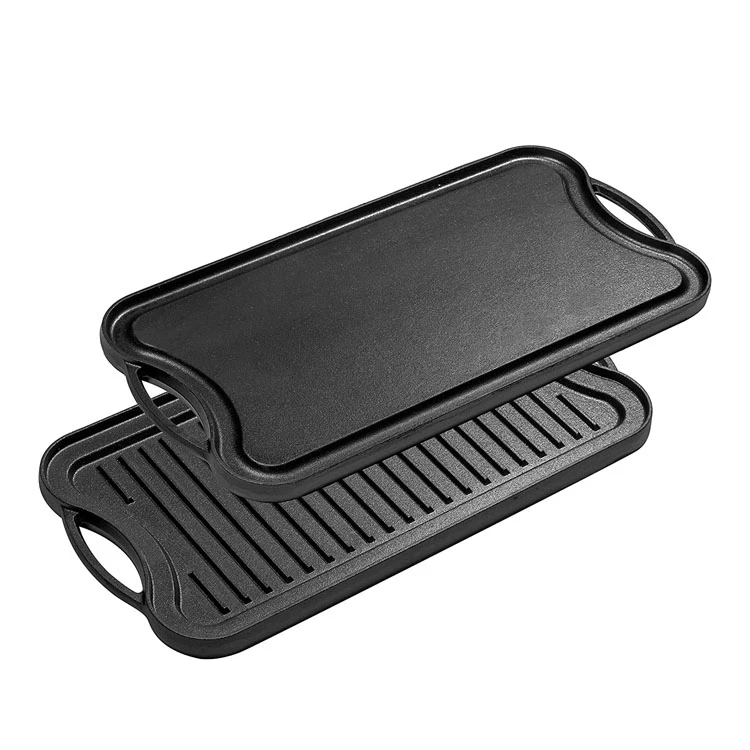
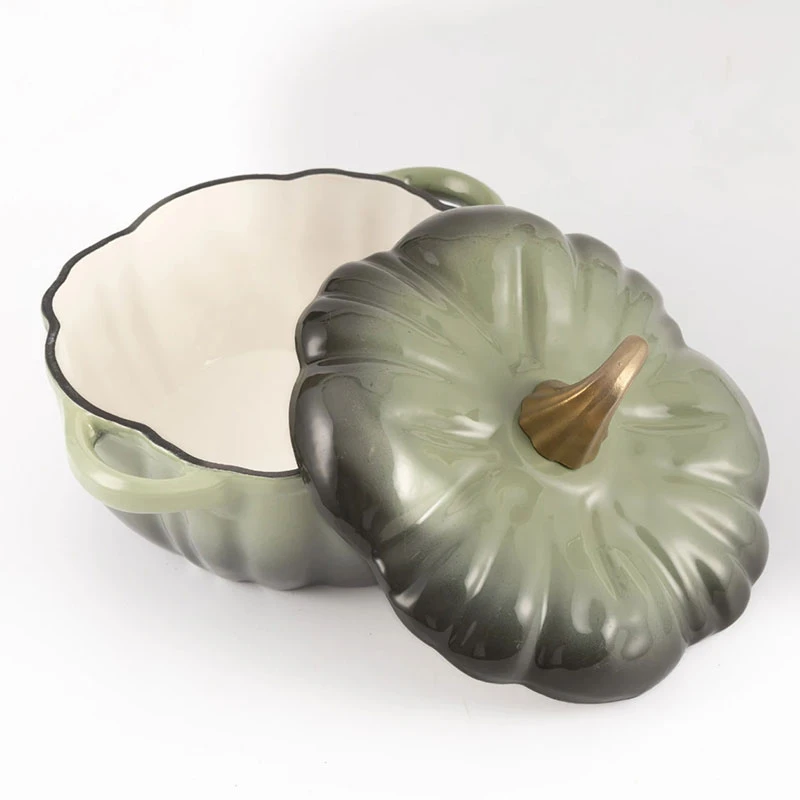
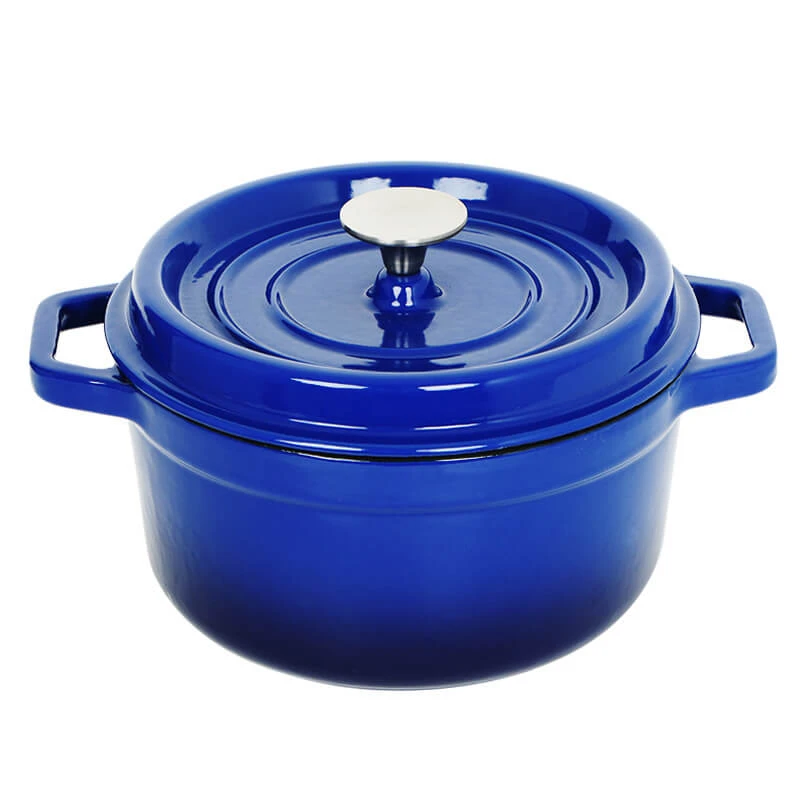
At its core, a Dutch oven is a heavy, usually cast iron pot with a tight-fitting lid, designed for slow cooking. Custom Dutch ovens take this base and personalize factors like size, material composition, coating, weight, and even aesthetics (color, logo, ergonomic handles) to meet specific needs.
From humanitarian logistics (where durability and lightweight design matter) to gourmet chefs demanding precise heat retention or unique shapes, the “custom” element means these ovens can be optimized for varied environments while maintaining the trusted benefits of traditional design.
Key Factors That Define a Top-Tier Custom Dutch Oven
1. Durability and Material Quality
Most traditional Dutch ovens are cast iron, but modern custom builds mix in materials like enameled steel or ceramics. The goal? Toughness that withstands heavy use and varying heat sources — from campfires to gas stoves — without cracking or warping.
2. Thermal Efficiency
Custom Dutch ovens often feature coatings or design tweaks that improve heat distribution, conserving fuel and speeding cooking times. For example, double-layer enameling or polished interiors can help retain heat longer — a must-have in energy-scarce areas.
3. Weight and Portability
While the heft of cast iron is part of the charm, transport can be a pain. Some custom models use lighter alloys or slimmer walls to balance performance with ease of handling, especially for outdoor or emergency use.
4. Size and Shape Customization
Varied volume capacities or shapes (round vs. oval) allow users to cook multiple dishes or larger meals. For instance, an oval design fits a roast better, while a large round pot may double as a perfect stew cooker.
5. Surface Coating and Finish
Many opt for non-stick or easy-clean enameled finishes, adjusted to local cooking customs (e.g., acidic foods) or maintenance capabilities. Customization extends to color and branding — often valuable for fundraising or commercial giveaways.
Custom Dutch Oven Specifications at a Glance
| Specification | Standard Model | Custom Model Options |
|---|---|---|
| Material | Cast Iron | Enameled Cast Iron, Ceramic, Lightweight Alloy |
| Capacity | 5-7 Quarts | 1-10 Quarts, Oval or Round Shape |
| Weight | 8-12 lbs (3.6-5.4 kg) | 4-14 lbs depending on materials & size |
| Coating | None / Basic Seasoned | Enameled, Non-stick, Custom Colors or Logos |
| Handles | Fixed Cast Iron Loops | Ergonomic, Foldable, Heat-Resistant Grips |
How Are Custom Dutch Ovens Used Around the World?
If you peel back the layers, you’ll see these ovens pop up far beyond grandma’s kitchen. In Central African refugee camps, NGOs use lightweight, enameled Dutch ovens to safely prepare meals over open flames, reducing smoke inhalation risks. In northern Canada, outdoor adventure companies require tough but portable Dutch ovens for multi-day trips, tailoring models to cold climates and rough transport. Even big restaurants in Europe commission branded custom Dutch ovens to fit both kitchen needs and their aesthetic style — kinda serving food and marketing together.
Industrially, food trucks and caterers customize ovens to optimize for fuel efficiency during constant city travel. Meanwhile, communities pushing sustainability retrofit ovens to burn biofuels effectively. The adaptability is striking.
Mini Takeaway:
Custom Dutch ovens aren't just cookware — they're adaptable tools shaping how people cook safely and sustainably across vastly different environments.
The Perks: Why Invest in Custom Dutch Ovens?
- Cost Savings: Fuel efficiency and durability reduce replacement needs and energy costs.
- Sustainability: Less smoke, less fuel, more renewables-friendly materials.
- Safety & Health: Less indoor pollution, fewer accidents due to smarter design.
- Emotional Value: Enhancing dignity in crisis zones or simply bringing joy to everyday cooking.
- Longevity & Reliability: Custom builds stand up well to heavy usage over years.
Emerging Trends and Innovations in Custom Dutch Oven Design
Thanks to advances in material science, you now see more blends leveraging ceramics and alloys — aiming for lighter weight without compromising heat retention. Green coatings that tolerate acidic foods also pop up. Digital sensors embedded in lids to monitor cooking progress? That’s on some R&D whiteboards.
Environmental policies encourage designs that minimize fuel use and promote more sustainable manufacturing. One wonders if solar-assisted Dutch ovens will become mainstream — especially in sun-rich but resource-poor regions.
Challenges and How Experts Are Addressing Them
Despite advances, the usual suspects remain: high initial cost for some custom designs, heavier weight that’s tricky for field workers, and limited local production in certain regions. Experts suggest modular designs and easier repair kits to make these ovens more field-serviceable, especially in humanitarian contexts.
Customization sometimes struggles to match mass production efficiency — but clever batching and on-demand digital printing for branding are narrowing this gap.
Comparing Leading Vendors of Custom Dutch Ovens
| Vendor | Product Range | Customization Options | Lead Time | Price Range |
|---|---|---|---|---|
| CastPro | Traditional & Enamel | Color, Size, Logo | 4-6 weeks | $$ |
| GreenForge | Lightweight Alloy | Material, Shape, Handle | 3-5 weeks | $$$ |
| EmaCook | Enameled Cast Iron | Finish, Color, Logo | 6-8 weeks | $ |
FAQ: Common Questions About Custom Dutch Ovens
- Q: What makes a custom Dutch oven better than a standard one?
- A: Custom Dutch ovens offer tailored features such as size, weight, and coatings to suit specific cooking environments and needs, improving usability and efficiency that standard models can't match.
- Q: Are custom Dutch ovens more expensive to maintain?
- A: Not necessarily. Though initial costs may be higher, their enhanced durability and fuel efficiency usually translate into lower maintenance and operating expenses over time.
- Q: How do I know which custom features are right for my needs?
- Consider your typical cooking scenarios: heat sources, portability needs, meal size, and cleaning preferences. Vendors often offer consultations to align features with your intended use.
- Q: Can custom Dutch ovens be shipped internationally for humanitarian projects?
- Yes. Many manufacturers provide global shipping options and will help navigate customs and import regulations, especially for NGO projects.
Wrapping Up: Why Custom Dutch Ovens Are More Than Just Cookware
In the end, custom Dutch ovens embody a blend of tradition and progress — a simple concept refined for complex, real-world challenges. They’re about sustainability, reliability, and, honestly, adding a little joy back to the way we prepare food wherever that may be. If that’s the kind of kitchen companion (or industrial asset) you’re looking for, custom Dutch oven options might just surprise you with how well they fit your needs.
Want to customize your own? Visit us at https://www.zdcookware.com and explore the possibilities.
References:
-
Antique Cast Iron Camp Oven: Durable Outdoor Cookware for Professionals | ZD CookwareNewsJan.06,2026
-
Durable 4 Quart Camping Pot for Professional Use | ZD CookwareNewsJan.06,2026
-
Durable Campfire Cast Iron Pot for Outdoor & Industrial UseNewsJan.06,2026
-
Cast Iron Griddle for Camp Stove – Durable Outdoor Cooking EssentialNewsJan.06,2026
-
Dutch Oven Cast Iron Camping – Durable Outdoor Cooking GearNewsJan.05,2026
-
Durable and Efficient Cast Iron Camping Griddle for B2B Professionals | ZD CookwareNewsJan.05,2026