Enameled Pot: Durable Cookware with a Global Impact
Enameled Pot: Durable Cookware with a Global Impact
When you think of an enameled pot, what likely comes to mind is a shiny, colorful piece of cookware sitting on your stove. Yet, the story of this humble kitchen staple stretches far beyond our homes—it touches on sustainability, food safety, and manufacturing innovation worldwide. Understanding the enameled pot isn't just about appreciating its charm but about recognizing the role it plays in food preparation globally, especially as concerns over durability, hygiene, and eco-friendliness grow.
Global Context: Why Enameled Pots Matter
Globally, cookware markets are projected to grow over 5% annually through the next decade, driven by increasing urbanization and evolving consumer preferences for safer and longer-lasting kitchen tools (Source: Statista). In particular, the enameled pot addresses several challenges faced by households and commercial kitchens alike:
- Food safety: Non-toxic, easy-to-clean surfaces reduce contamination risks.
- Durability: Extended lifespan vs traditional cookware mitigates waste.
- Energy efficiency: Even heat distribution decreases cooking times, saving fuel.
Oddly enough, the simple enamel coating makes a big difference globally—especially in rural or low-resource areas where access to reliable cookware impacts nutrition and health outcomes.
What Is an Enameled Pot?
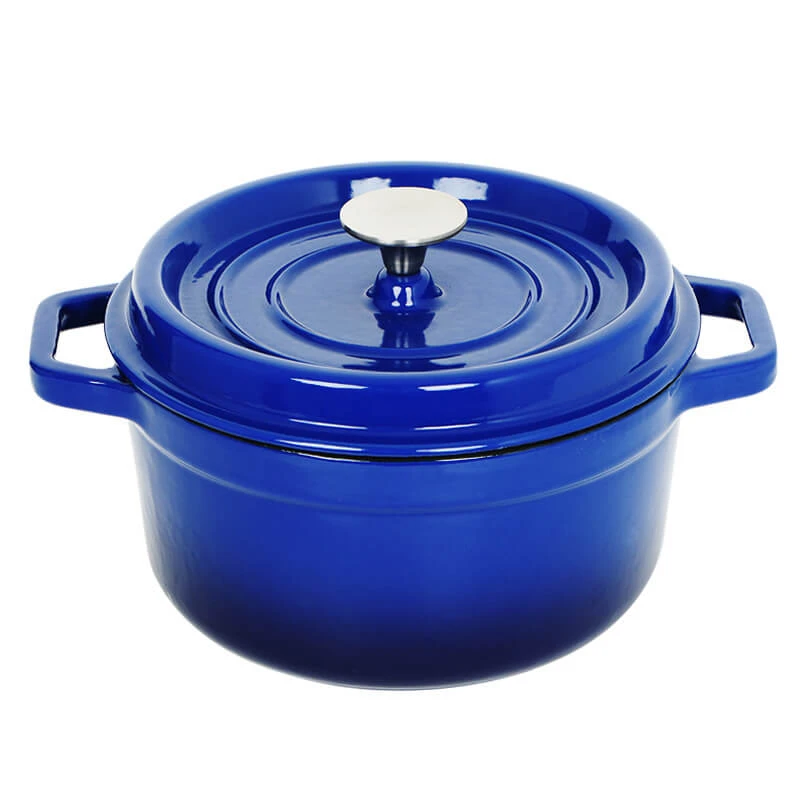
Simply put, an enameled pot is a cooking vessel made from metal (usually cast iron or steel) coated in a layer of vitreous enamel—a kind of glass fused at high temperatures that forms a smooth, protective surface. This layer prevents rust, resists stains, and provides chemical inertness, so food doesn't react with the metal underneath.
This dual nature—robust metal core plus glassy shell—makes enameled pots a fascinating blend of tradition and modern engineering. They bridge kitchen hygiene needs with sustainability goals, which is increasingly relevant as global standards tighten (ISO 22000 food safety management, for example).
Key Features of Enameled Pots
Durability
Unlike bare cast iron that needs seasoning and can rust, enameled pots resist chipping and corrosion. This longevity means less frequent replacements, cutting down resource waste.
Heat Retention and Distribution
The heavy base holds heat evenly, making it ideal for slow cooking. The enamel surface also prevents hot spots that could burn food—a feature many chefs swear by.
Maintenance
Enameled pots are surprisingly low-maintenance. Dishwasher-safe manufacturers typically recommend gentle detergents to protect the enamel. Food rarely sticks, so soaking is usually enough—not a chore in busy kitchens.
Visual Appeal
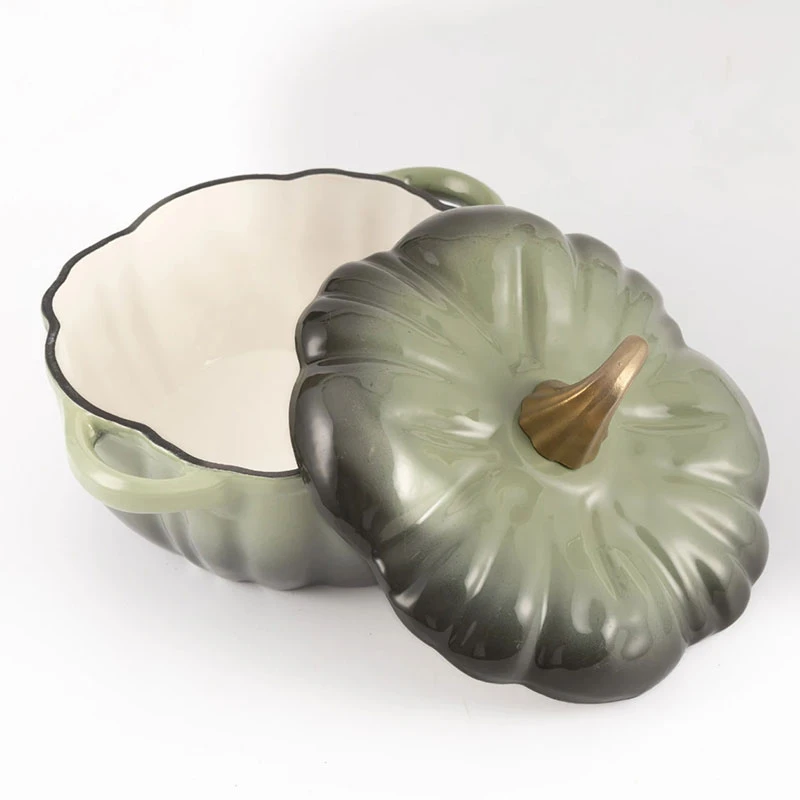
Available in multiple colors and finishes, enameled pots bring style to the stove. This aesthetic factor often tips the scales for customers buying for both function and decor.
Safety and Sustainability
The coating is free of harmful chemicals like PFOA and PTFE, which are common in some non-stick surfaces. Also, many brands use recycled materials, reflecting a wider push for environmental responsibility.
Applications Around the World
Households across Europe and Asia favor enameled pots for traditional dishes requiring slow simmering and even heat. In France, the iconic cocotte is nearby essential. Meanwhile, NGOs and humanitarian groups sometimes distribute enameled cookware in remote areas to improve food hygiene and nutrition. The pots’ durability reduces replacement frequency, which is crucial where supply chains are intermittent.
In industrial kitchens and restaurants, their reliability paired with eye-catching design makes them invaluable. Oddly enough, this combination of function and form makes them a rare culinary multitasker seen from street food stalls in Southeast Asia to upscale kitchens in North America.
Advantages and Long-Term Value
- Cost efficiency: Though initial costs may be higher, the extended lifespan offers better ROI.
- Environmental impact: Less waste and often better recyclability.
- Food quality: Neutral cooking surfaces prevent metallic tastes and preserve flavor integrity.
- Emotional connection: Many families pass these prized pots down, weaving cookware into legacy and tradition.
Future Trends & Innovations in Enameled Pots
Manufacturers are exploring more sustainable enamel formulas incorporating recycled glass and natural pigments, aiming for even less environmental impact. Then there’s the integration of smarter coatings that may resist scratches or harbor antimicrobial properties.
Additionally, the cookware sector is slowly moving towards digital infusion — imagine smart enameled pots with sensors to track cooking temperatures and times via smartphone apps. While still emerging, these tweaks reflect a broader digital transformation in kitchenware.
Challenges and Solutions
Despite many positives, enameled pots do have vulnerabilities. Chips in the enamel can expose metal to rust. Also, thermal shock (e.g., pouring cold water into a hot pot) risks cracking the coating.
Experts recommend careful handling and choosing brands with robust enamel layers. Companies also improve formulas and manufacturing techniques to reduce defects.
For households seeking durability without fuss, pairing an enameled pot with proper storage and cleaning routines suffices as a solution.
Product Specifications:
| Specification | Typical Values |
|---|---|
| Material | Cast Iron, Steel Core |
| Enamel Coating Thickness | 0.5 - 1 mm |
| Heat Resistance | Up to 500°C (932°F) |
| Weight Range | 1.5 - 4 kg (depending on size) |
| Typical Sizes | 1-quart to 7-quarts |
Vendor Comparison:
| Brand | Price Range | Material Quality | Warranty | Color Options |
|---|---|---|---|---|
| Le Creuset | $$$ | Premium Cast Iron, Triple-Coated Enamel | Lifetime | 20+ |
| Staub | $$$ | Cast Iron with Matte Enamel | Lifetime | 15+ |
| Lodge | $ | Cast Iron with Glossy Enamel | Limited (1 year) | 5 |
Frequently Asked Questions About Enameled Pots
1. How long can an enameled pot last with normal use?
With proper care—avoiding sudden temperature changes and using wooden or silicone utensils—an enameled pot can last for decades. High-end brands often offer lifetime warranties reflecting this longevity.
2. Are enameled pots suitable for induction cooktops?
Yes, as long as the base is magnetic, which most enameled cast iron pots are. It’s worth double-checking product descriptions or testing with a magnet to be safe.
3. Can chipped enamel pose a health risk?
While a small chip won’t immediately degrade food safety, over time exposed metal can rust or leach iron. It’s advisable to replace or repair pots with significant damage.
4. How do I clean stubborn stains without damaging the enamel?
Soak the pot in warm soapy water first. Avoid abrasive cleaners or steel wool. For tough stains, a paste of baking soda and water applied gently with a non-scratch sponge can work wonders.
5. Are enameled pots eco-friendly compared to non-stick cookware?
Generally yes. Enameled pots avoid harmful chemicals like PFOA and PTFE, and their durability reduces waste. Many brands also incorporate recycled materials in production.
Conclusion: Why an Enameled Pot Is a Smart Long-Term Investment
From the everyday cook to global humanitarian kitchens, the enameled pot remains a trusted ally—combining durability, safety, and beauty in one. Investing in one isn't only about the meal you make today but about a long-lasting, sustainable choice. If you’re looking to upgrade your cookware, check out the latest models and colors at enameled pot vendors and see what fits your culinary style and lifestyle.
It’s fascinating how something as ordinary as a cooking pot can also be a window into culture, technology, and global sustainability efforts. Next time you stir a stew, know that enameled pots quietly do a lot more than just hold ingredients.
References
-
Antique Cast Iron Camp Oven: Durable Outdoor Cookware for Professionals | ZD CookwareNewsJan.06,2026
-
Durable 4 Quart Camping Pot for Professional Use | ZD CookwareNewsJan.06,2026
-
Durable Campfire Cast Iron Pot for Outdoor & Industrial UseNewsJan.06,2026
-
Cast Iron Griddle for Camp Stove – Durable Outdoor Cooking EssentialNewsJan.06,2026
-
Dutch Oven Cast Iron Camping – Durable Outdoor Cooking GearNewsJan.05,2026
-
Durable and Efficient Cast Iron Camping Griddle for B2B Professionals | ZD CookwareNewsJan.05,2026