Iron Dutch Oven Pot – Durable Cookware for Global Kitchens & Relief Efforts
The Iron Dutch Oven Pot: A Culinary Classic with Global Significance
When you hear “iron dutch oven pot,” what probably springs to mind is a bulky, cast-iron vessel simmering some hearty stew over a campfire or vintage stove. But this humble kitchen staple means a lot more worldwide than just a cooking tool. From traditional kitchens to humanitarian contexts, understanding the iron dutch oven pot helps us appreciate durability, sustainability, and cultural heritage wrapped in one sturdy pot.
Let’s embark on a journey exploring why this cookware remains relevant, not just in homes, but across industries and regions — with a mix of data, practical insights, and yes, some surprising twists.
Introduction: Why the Iron Dutch Oven Pot Still Matters Globally
Oddly enough, a product dating back hundreds of years is still part of a multi-million-dollar cookware industry that caters to amateur and professional chefs alike. According to ISO standards on cookware materials, cast iron ranks high for heat retention and longevity, making the iron dutch oven pot a prized asset worldwide.
Globally, over 60% of households in some regions still rely on iron cookware for daily meals. This ties directly into sustainability conversations, as iron dutch oven pots often last decades, limiting the disposable culture we face with modern plastics or nonstick alternatives.
One challenge the iron dutch oven addresses is the need for affordable, long-lasting cookware that suits varied fuel sources — from open fires to modern stovetops — especially important in humanitarian operations and rural communities.
What Is an Iron Dutch Oven Pot?
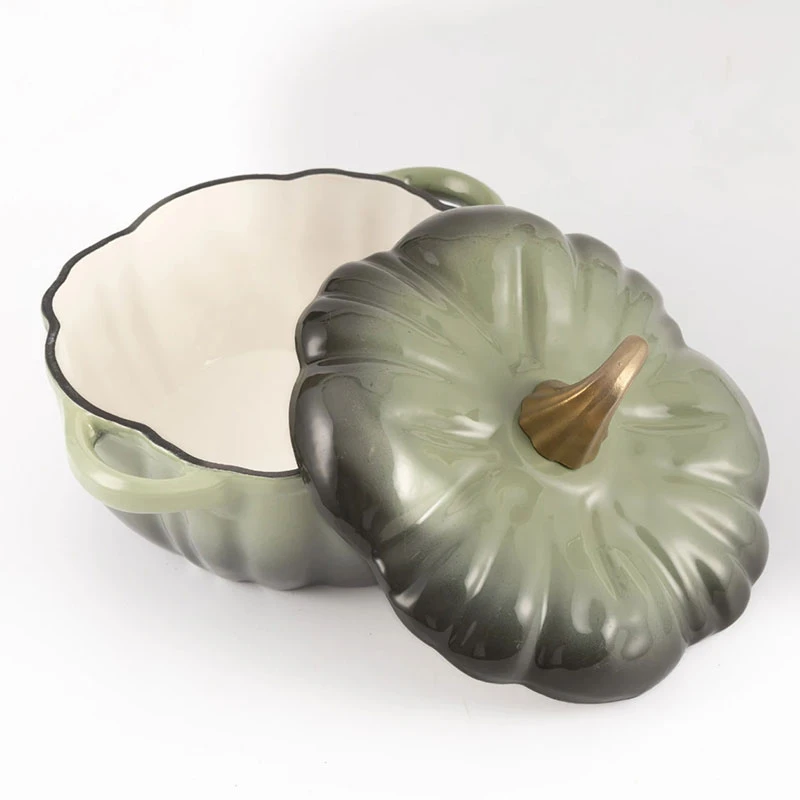
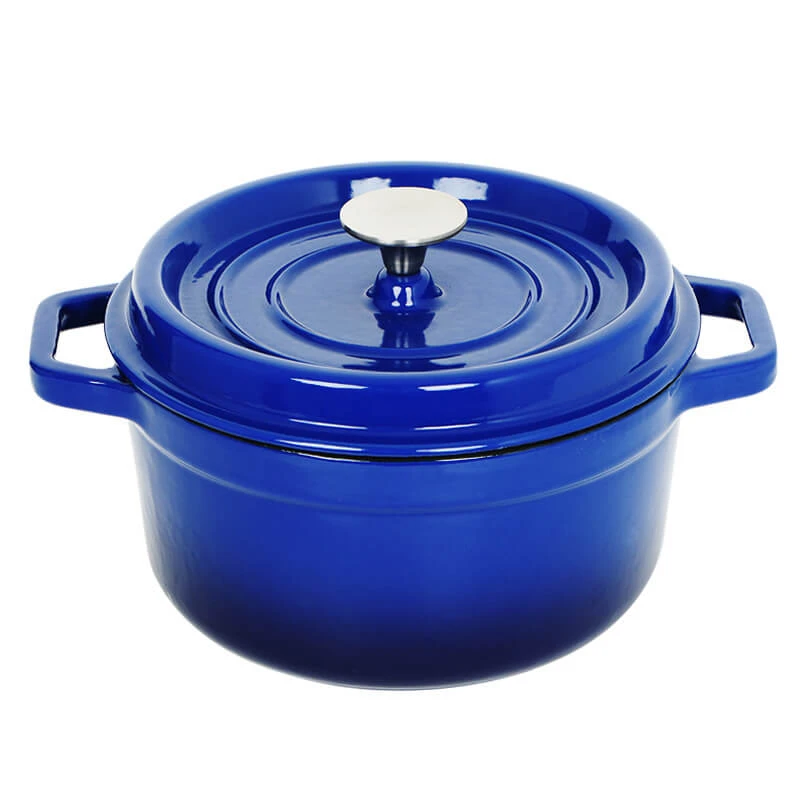
Simply put, an iron dutch oven pot is a heavy-duty cooking vessel made from cast iron, characterized by a tight-fitting lid and thick walls for even heat distribution. Often enameled for easier cleaning, it’s perfect for everything from roasting, frying, to baking.
It represents a tactile connection to traditional cooking but also satisfies modern industry needs like heat efficiency and multi-fuel compatibility. Humanitarian organizations often use these pots in post-disaster camps because they’re robust, easy to maintain, and ideal for large, communal meals.
Core Components & Key Factors
Durability
Cast iron’s lifespan can easily stretch beyond 50 years if well cared for, making the iron dutch oven pot a lifetime investment rather than a throwaway item. The thick iron walls resist warping and corrosion, standing firm in high-heat scenarios.
Heat Retention & Even Cooking
Thanks to cast iron’s density, the pot heats slowly but retains heat impressively well, which encourages even cooking and fewer hot spots — a must for slow-simmered stews or baking bread.
Versatility
These pots work atop gas stoves, electric coils, induction cooktops (if compatible), and even campfires. Their sealed lids lock in moisture, making them a favorite for countless recipes and cuisines worldwide.
Ease of Maintenance (When Enameled)
Though raw cast iron requires seasoning to prevent rust, many modern iron dutch ovens come with durable enamel coatings, simplifying cleaning and preventing food from sticking. This coating also appeals to users concerned about iron leaching.
Cost Efficiency
The upfront price may feel high, but if you consider decades of use, the cost per meal evens out as remarkably low—supporting sustainable consumer choices.
Product Specifications Comparison
| Feature | Standard Cast Iron | Enameled Cast Iron |
|---|---|---|
| Material | Pure Cast Iron | Cast Iron with Porcelain Enamel |
| Weight | 5-7 kg (varies by size) | 5.5-8 kg |
| Maintenance | Requires seasoning | Easy to clean, no seasoning |
| Heat Retention | Excellent | Very good but slightly less than raw cast iron |
| Price Range | $30 - $100+ | $70 - $200+ |
Global Applications & Use Cases
- Post-Disaster Relief: NGOs use iron dutch oven pots as part of emergency field kitchens because they can cook large meals efficiently over diverse heat sources.
- Rural and Developing Regions: Families in parts of Africa and Asia often rely on these pots for daily cooking due to their durability and multi-fuel compatibility.
- Culinary Industries: Professional kitchens prize iron dutch ovens for sous-vide or braising because of heat retention and consistency.
- Outdoor and Camping: Adventurers favor cast-iron Dutch ovens for volcanically heated breads or slow-cooked meats.
So, whether it’s feeding a village post-earthquake or baking artisan bread in a trendy restaurant, the iron dutch oven pot's versatility is impressive.
Advantages & Long-Term Value
First up: these pots are ecological champions in disguise. Using them means less waste, as they avoid the “buy, use, toss” cycle common in cheaper cookware styles. They bring safety to cooking, too — their heat retention reduces chances of erratic flame exposure, especially vital in less controlled environments.
Beyond practicality, there's a built-in emotional comfort. Cooking a cherished family recipe in a pot passed down for generations—there's a dignity and trust in that. It merges innovation with tradition in a way that modern stainless steel pots seldom capture.
Future Trends & Innovations
Although the iron dutch oven seems timeless, innovation is far from absent. New lightweight alloys and hybrid enamel coatings are reducing overall weight and improving durability. Sustainability trends also push companies to develop eco-friendly production methods, including using recycled iron and reducing emissions during manufacturing.
Digital temperature monitoring technology integrated into lids is also on the horizon, helping chefs and everyday cooks optimize cooking times and temperatures precisely.
Challenges & Solutions
Now, it’s not all rosy. The main complaints tend to be weight (these pots can be quite heavy) and maintenance — cast iron requires attention to avoid rusting. But manufacturers are tackling these with lighter metals and better enamel finishes that protect the base metal.
For those hesitant about upfront cost, finance plans and warranties offer peace of mind. Proper education on seasoning and cleaning also helps users maximize their pot’s lifespan.
Vendor Comparison: Leading Iron Dutch Oven Pot Brands
| Brand | Price Range | Warranty | Key Features |
|---|---|---|---|
| Lodge | $40 - $100 | Limited lifetime | Traditional cast iron, seasoned |
| Le Creuset | $150 - $350 | 10 years | Enameled, vibrant colors |
| Staub | $200 - $400 | Limited lifetime | Matte black enamel, self-basting lids |
Frequently Asked Questions about Iron Dutch Oven Pot
Q: How do I prevent rusting on my cast iron dutch oven pot?
A: Season your pot regularly by applying a thin coat of cooking oil and heating it evenly. Always dry thoroughly after washing and avoid soaking with water to prevent rust.
Q: Can I use an iron dutch oven pot on an induction cooktop?
A: Yes, because cast iron is ferrous, it works very well on induction cooktops, providing even heating and excellent temperature control.
Q: Are enameled iron dutch oven pots better for beginners?
A: Often, yes. Enameled pots require less upkeep as they don’t need seasoning and resist sticking. They’re a great choice for those who want durability with minimal fuss.
Q: How heavy is a typical iron dutch oven pot and is it safe for elderly users?
A: Most weigh between 5 to 8 kilograms. While sturdy, their weight can be challenging for some elderly users; lighter models or assistance might be advisable.
Q: Can I cook acidic foods like tomato sauce in a cast iron dutch oven pot?
A: Raw cast iron can react with acidic foods, potentially causing metallic flavors and possible damage to seasoning. Enameled versions handle acids safely, making them a better choice for such dishes.
Conclusion & Call to Action
Frankly, the iron dutch oven pot combines heritage, reliability, and adaptable design in one timeless package. Whether you cherish it as a family heirloom or trust it in professional kitchens, its long-term value is undeniable. It champions sustainable cooking and preserves traditions — a rare feat in today’s fast-paced, disposable world.
Curious to explore more? Visit our website: iron dutch oven pot to find the perfect pot for your culinary adventures.
A small reminder: a well-seasoned iron pot not only nourishes your body but connects you to centuries of cooking lore – truly food for thought.
References
-
Antique Cast Iron Camp Oven: Durable Outdoor Cookware for Professionals | ZD CookwareNewsJan.06,2026
-
Durable 4 Quart Camping Pot for Professional Use | ZD CookwareNewsJan.06,2026
-
Durable Campfire Cast Iron Pot for Outdoor & Industrial UseNewsJan.06,2026
-
Cast Iron Griddle for Camp Stove – Durable Outdoor Cooking EssentialNewsJan.06,2026
-
Dutch Oven Cast Iron Camping – Durable Outdoor Cooking GearNewsJan.05,2026
-
Durable and Efficient Cast Iron Camping Griddle for B2B Professionals | ZD CookwareNewsJan.05,2026