Discover the Benefits and Global Impact of the Dutch Cooking Pot | ZD Cookware
Dutch Cooking Pot: A Timeless Kitchen Essential With Global Impact
When you think about a dutch cooking pot, you might simply picture a heavy, cast-iron pot bubbling away at grandma’s kitchen. But honestly, its significance stretches far beyond nostalgic home cooking. The dutch cooking pot serves as a bridge between traditional cooking methods and modern culinary innovation — offering durability, heat retention, and versatility that have made it indispensable worldwide. In a global context where efficient, reliable cookware matters for nutrition, food security, and even economic development, understanding the power of the dutch cooking pot unlocks insights into sustainable living and cultural continuity.
Why Does the Dutch Cooking Pot Matter Globally?
The global cookware market is projected to reach over $19 billion by 2027, according to industry analyses, with cast iron and enameled pots like dutch ovens holding solid shares due to their lasting quality and energy-efficient cooking (source: Statista 2023). In regions where fuel efficiency is critical or where infrastructure may limit modern kitchens, the dutch cooking pot offers a natural solution. For example, communities in parts of Africa and Southeast Asia rely on similar cookware for slow cooking nutritious meals using low heat, preserving resources and reducing emissions. Amid rising climate change concerns, cookware that enables energy savings aligns well with sustainable development goals outlined by the UN.
Yet, despite its widespread use, many remain unaware of what truly makes the dutch cooking pot special — in both craft and cultural terms. So, let’s take a closer, practical look.
Defining the Dutch Cooking Pot
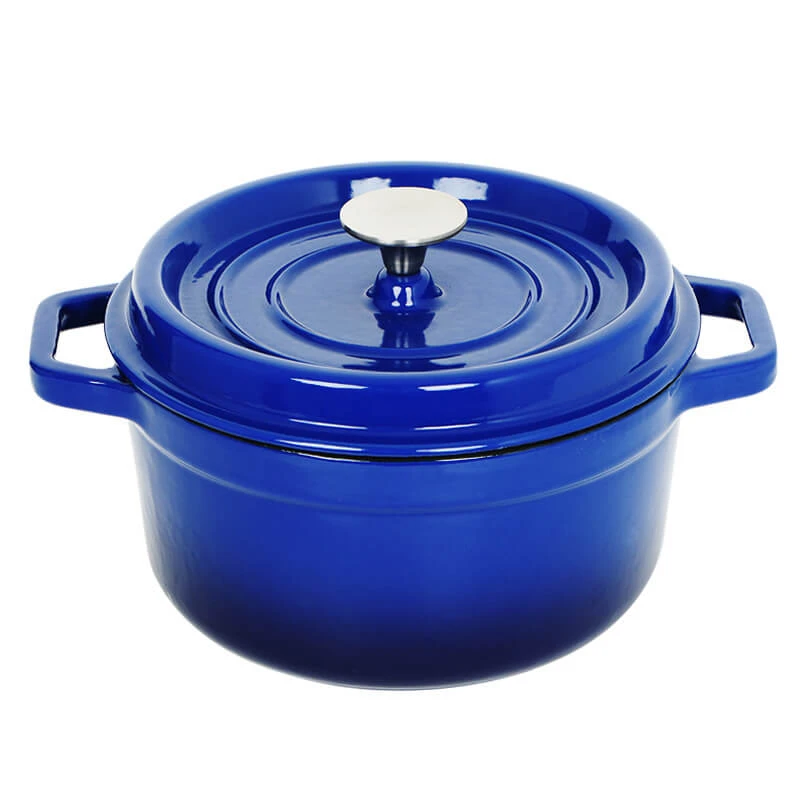
Simply put, a dutch cooking pot (or dutch oven) is a thick-walled pot usually made of cast iron, often coated with enamel. It comes with a tight-fitting lid designed to trap moisture, enabling slow, even cooking. This design dates back to the 17th century, originally popularized in the Netherlands, hence the name. Modern manufacturing has refined these pots but the core principle stays remarkably consistent: minimal heat loss, superb heat distribution, and versatility for everything from braising meat to baking bread.
In humanitarian efforts or outdoor expeditions, the dutch cooking pot’s reliability and ruggedness shine — it can endure rough conditions and still deliver nourishing meals, which can be critical in crisis zones.
Key Features of a Dutch Cooking Pot
1. Durability
Cast iron construction means this pot can last for decades, often becoming a family heirloom. The heavy metal resists warping, scratches, and chipping, especially when enamel-coated.
2. Heat Retention and Distribution
Its thick walls absorb and keep heat evenly, preventing hot spots and burns. This allows for cooking with low, steady heat — a huge fuel saver and taste enhancer.
3. Versatility
From stovetop to oven, you can braise, stew, roast, fry, and bake. Some even argue it’s the Swiss army knife of cookware.
4. Ease of Maintenance
Enamel finishes make cleaning easier and prevent rusting. No seasoning needed, unlike bare cast iron.
5. Size Variety
Dutch ovens come in many sizes, from compact 2-quart models ideal for couples or camping to giant 7-quart versions fit for large family meals or communal cooking.
Mini takeaway: The dutch cooking pot is not just a pot — it's an enduring, flexible tool built for efficient, sustainable cooking under diverse conditions.
Global Applications & Real-World Use Cases
The reach of the dutch cooking pot is quite remarkable. In developed countries, outdoor enthusiasts and home cooks alike celebrate it for hearty recipes and reliable heat. In developing regions, it’s incorporated into aid programs that promote fuel-efficient cooking methods, an important factor in combating deforestation and indoor air pollution.
For example, in East Africa, NGOs encourage the use of dutch oven-style cookware to reduce the need to gather wood fuel, significantly aiding environmental preservation.
In industrial kitchens worldwide, chefs prize these pots for consistency. Oddly enough, even NASA experimented with cast iron cookware to mimic Earth cooking in space missions, highlighting versatility beyond Earthbound kitchens.
Standard Dutch Cooking Pot Specs
| Specification | Typical Values | Notes |
|---|---|---|
| Material | Cast Iron (sometimes Enameled) | Natural iron core; enamel adds non-stick |
| Weight | 4–14 lbs (1.8–6.3 kg) | Varies by size |
| Capacity | 2–7+ quarts (1.9–6.6 liters) | Common sizes for households |
| Heat Source Compatibility | Gas, electric, induction, oven, open flame | Highly versatile |
| Maintenance | Seasoning (cast iron) or easy cleaning (enameled) | Depends on finish |
Comparing Top Dutch Cooking Pot Vendors
| Brand | Material & Finish | Price Range | Warranty | Key Features |
|---|---|---|---|---|
| Lodge | Cast iron, traditional seasoning | $40–$100 | Limited lifetime | Affordable, US-made, durable |
| Le Creuset | Enameled cast iron | $250–$600 | Limited lifetime | Premium enamel, vibrant colors |
| Staub | Enameled cast iron, matte finish | $200–$500 | Limited lifetime | Self-basting spikes, matte enamel |
| Camp Chef | Cast iron, outdoor focus | $50–$150 | Limited | Robust for outdoor cooking |
Advantages & Long-Term Value
- Cost Efficiency: Though the initial investment might seem high for premium brands, the longevity of dutch pots means you rarely replace them, translating to savings over years.
- Sustainability: Using less energy to cook and lasting for decades supports eco-awareness, aligning with global sustainability goals (per ISO 14001).
- Health & Taste: Slow cooking preserves nutrients and enhances flavors, offering wholesome meals.
- Emotional Value: The dutch cooking pot often becomes a sentimental kitchen staple, a symbol of home and heritage.
Mini takeaway: Combining practical benefits with emotional attachment, the dutch cooking pot exemplifies sustainable choice meets culinary passion.
Future Trends & Innovations
What’s next for the dutch cooking pot? Innovations often focus on materials and functionality. For instance, incorporating recycled cast iron or exploring lightweight alloys to reduce heft without sacrificing heat retention. Digitally smart cookware is a curious trend, although not yet mainstream in this category.
Policy-wise, manufacturers may increasingly align with greener production standards globally, aiming to cut carbon footprints. Plus, easy-to-clean enamel coatings may advance further, improving durability and user experience.
Challenges & Solutions
The heaviness of cast iron is a common complaint — it’s not the easiest item to lug around or lift when full. Some brands tackle this by producing smaller sizes or hybrid material blends. Also, traditional cast iron requires seasoning and can rust, which might deter newcomers. Enameled varieties address this, though they come at a price premium.
Cleaning can be daunting for some, but user education on maintenance greatly helps adoption. In humanitarian contexts, supply chain limitations might restrict availability, yet partnerships with cookware manufacturers and NGOs are expanding reach globally.
Frequently Asked Questions About Dutch Cooking Pot
- Q: What makes a dutch cooking pot better than modern non-stick pans?
- A: Dutch cooking pots provide superior heat retention and versatility—great for slow cooking and oven use. Non-stick pans are usually lighter but less durable and unsuitable for prolonged cooking.
- Q: How do I maintain a traditional cast iron dutch oven?
- A: Seasoning by oiling and baking at moderate heat builds a natural non-stick layer. Avoid soap and dry immediately after washing to prevent rust.
- Q: Are enamel-coated dutch ovens safe for acidic food?
- A: Yes, enamel provides a protective barrier preventing iron leaching, making them great for tomato sauces and other acidic dishes.
- Q: Can I use a dutch cooking pot on induction cooktops?
- A: Absolutely. Cast iron conducts well on induction surfaces, offering fast, even heat distribution.
- Q: Is a dutch cooking pot suitable for outdoor cooking camping trips?
- A: Definitely. Their robustness and heat retention simplify cooking over campfires or grills, though weight should be considered for portability.
Conclusion
The dutch cooking pot remains an impressive fusion of tradition and innovation — a kitchen marvel that delivers on durability, efficiency, and timeless appeal. Whether you’re a chef, a camping enthusiast, or part of a community where resourceful cooking is vital, the dutch oven stands tall in performance and value. For those exploring the best in cookware, and curious about sustainable culinary solutions, this classic deserves a spot in your kitchen arsenal.
Curious to see the latest models or find a dutch cooking pot perfect for your needs? Visit our website and explore our curated collections and trusted brand offerings.
Oddly enough, even after centuries, the dutch cooking pot’s story feels far from finished.
References
-
Antique Cast Iron Camp Oven: Durable Outdoor Cookware for Professionals | ZD CookwareNewsJan.06,2026
-
Durable 4 Quart Camping Pot for Professional Use | ZD CookwareNewsJan.06,2026
-
Durable Campfire Cast Iron Pot for Outdoor & Industrial UseNewsJan.06,2026
-
Cast Iron Griddle for Camp Stove – Durable Outdoor Cooking EssentialNewsJan.06,2026
-
Dutch Oven Cast Iron Camping – Durable Outdoor Cooking GearNewsJan.05,2026
-
Durable and Efficient Cast Iron Camping Griddle for B2B Professionals | ZD CookwareNewsJan.05,2026