The Ultimate Guide to Dutch Oven Cast Iron Skillets: Durability, Use & Sustainability
dutch oven cast iron skillet: The timeless kitchen essential with global relevance
At first glance, the “dutch oven cast iron skillet” might sound like just another cooking tool—but it’s actually a global staple that has quietly influenced kitchens and industries worldwide for centuries. Its importance goes beyond just cooking hearty stews or searing meats; this rugged cookware represents durability, sustainability, and multifunctionality that resonates even in today’s fast-paced, eco-conscious world. Understanding what makes this skillet so versatile offers not only culinary inspiration but insight into manufacturing, sustainability efforts, and lifestyle trends across the globe.
Introduction: Why the dutch oven cast iron skillet still matters globally
Oddly enough, despite the abundance of non-stick pans and fancy ceramic options, cast iron dutch ovens and skillets see steady demand internationally. According to the World Bank, global consumer interest in cast iron cookware has risen by nearly 15% over the last decade, driven by both emerging middle classes and a growing focus on durable, sustainable products. Especially in regions where electricity may be inconsistent or fuel economy is critical, this cookware’s ability to distribute heat evenly and last for generations addresses real challenges.
Frankly, while many modern kitchen gadgets promise convenience and speed, few offer the longevity and environmentally friendly profile of a dutch oven cast iron skillet. The problem it addresses is twofold: reliable cooking performance without dependence on complex technology and reducing waste via long-lasting cookware.
Definition & meaning of the dutch oven cast iron skillet
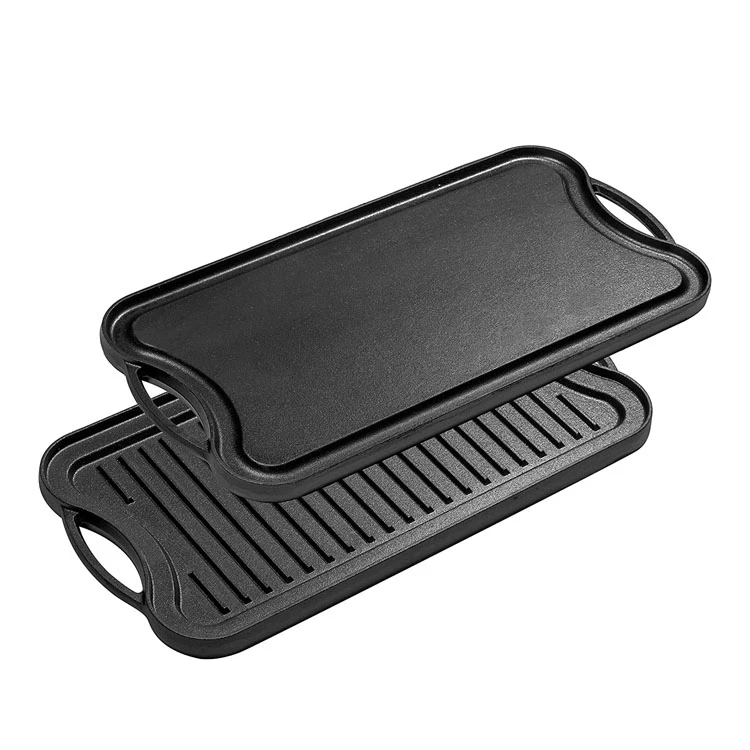
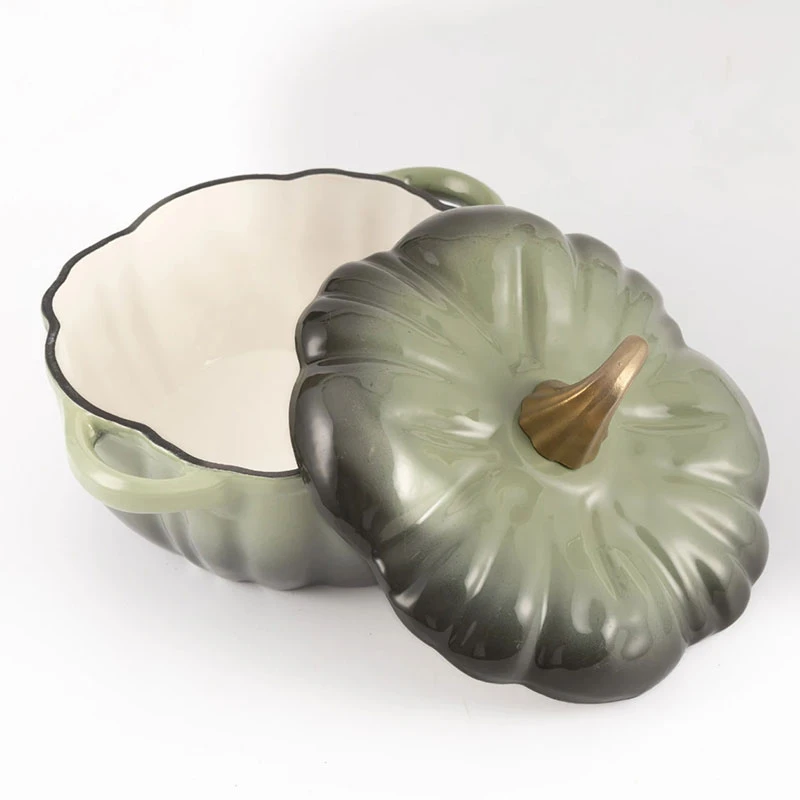
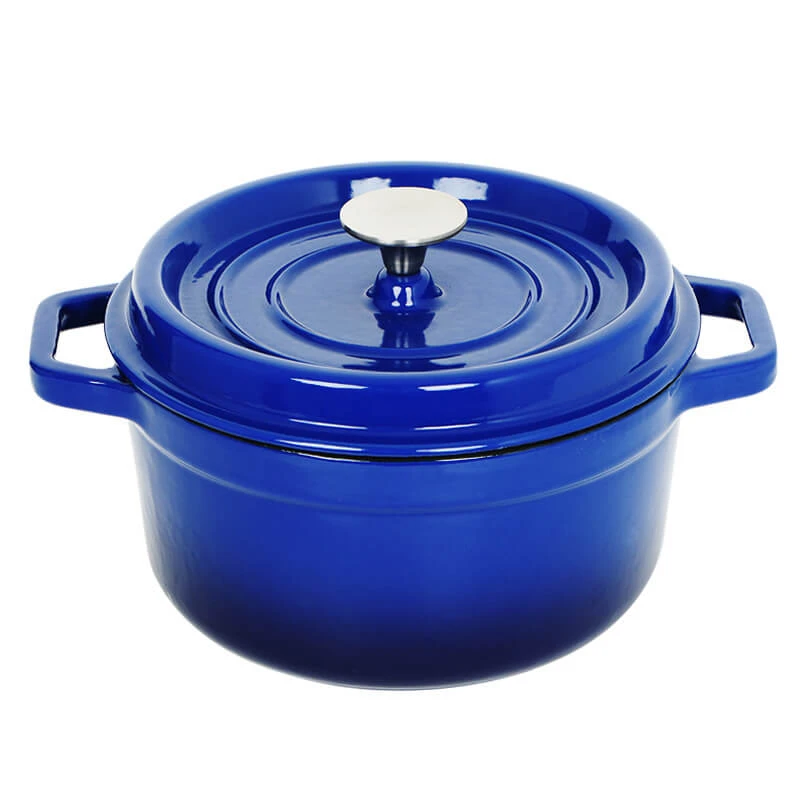
Simply put, a dutch oven cast iron skillet is heavy-duty cookware made primarily from cast iron, known for excellent heat retention and even cooking. Usually, a “dutch oven” refers to a deep pot with a tight-fitting lid, whereas a “skillet” is a flat-bottomed pan—but many manufacturers combine these functionalities into hybrid pieces or sets. Cast iron requires seasoning, a natural layer of polymerized oil, which creates a relatively non-stick surface without synthetic chemicals.
From a humanitarian and industrial perspective, these skillets and ovens are valued for their robustness. In places where electricity or gas stoves are scarce, cast iron cookware works well with wood fires, coal, or solar cookers — contributing to food security and reliable meal preparation. They’re more than just cookware; they’re infrastructure supporting culinary traditions and survival alike.
Key factors that make this cookware a staple
1. Durability & Longevity
Cast iron, as a material, is almost legendary for how it “just keeps going.” Many users boast that their dutch oven cast iron skillet is a family heirloom. Its lifespan easily outperforms most aluminum or non-stick pans, which degrade after a few years.
2. Versatility in cooking
This cookware can sear, fry, bake, simmer, and even be used over open flames. It transitions from stovetop to oven seamlessly—quite the convenience when preparing diverse meals, both for home cooks and professional chefs.
3. Cost efficiency
While upfront prices might seem high, a well-maintained dutch oven cast iron skillet is an investment. Requiring no synthetic coatings and lasting decades means fewer replacements, less waste, and better long-term value.
4. Heat retention and even cooking
Unlike thinner pans, cast iron heats slowly but holds that heat well, distributing it uniformly. That quality ensures fewer burnt spots and more even cooking — a boon for quality-conscious kitchens.
5. Sustainability & eco-friendliness
Cast iron is recyclable, typically manufactured from natural iron ore, and reduces reliance on disposable cookware. From a global sustainability standpoint, this is a quiet but important win.
6. Health aspects
Believe it or not, cooking in cast iron can slightly increase dietary iron intake, which can be beneficial for certain groups. And since it requires no synthetic non-stick chemicals, it's considered a “cleaner” option by many nutritionists.
| Feature | Value |
|---|---|
| Material | Grey Cast Iron |
| Weight | Approximately 6-10 lbs (varies with size) |
| Capacity | 2 to 5 quarts |
| Heat Tolerance | Up to 500°F and beyond |
| Care | Hand wash, dry immediately, regular seasoning |
Global applications & real-world use cases
The dutch oven cast iron skillet enjoys widespread use across continents. In North America and Europe, it’s a kitchen staple among food enthusiasts who value slow-cooked meals and artisan baking. Oddly enough, in parts of Africa and Asia, these skillets are invaluable where power outages are frequent, allowing cooking over charcoal or wood fires.
Organizations like the United Nations Food and Agriculture Organization (FAO) acknowledge that durable cookware can improve nutrition and food security in remote communities. For example, in disaster-relief zones, NGOs often distribute cast iron cookware because it withstands rough handling, multiple fuel types, and diverse cooking techniques.
Industrial kitchens in hospitality sectors also swear by these skillets for their consistent heat and ease of maintenance compared to expensive high-tech alternatives. Even in refugee camps and humanitarian settings, their resilience makes them a vital element in feeding large communities reliably.
Advantages & long-term value
- Cost savings: Over time, durability cuts replacement purchases.
- Eco-impact: Less waste, recyclable materials, fewer chemicals.
- Health benefits: Absence of synthetic coatings, plus dietary iron boosts.
- Emotional value: Many consumers describe owning a cast iron skillet as "foundational" to their cooking identity — it’s more than a tool.
- Design trust: Tried-and-true technology that has lasted for generations—it fosters confidence.
Future trends & innovations
Though the basic casting process remains mostly unchanged for centuries, some companies are exploring greener manufacturing techniques, such as reduced emissions in foundries and recycled iron inputs. With zero-waste becoming a buzzword, the old dutch oven cast iron skillet gains newfound appreciation as a sustainable legacy cookware piece.
Digitally, sensors and smart lids are being integrated to monitor cooking temperatures, which marries tradition with modern convenience. Additive manufacturing (3D printing) and advanced coatings could soon speed up production and enhance non-stick properties without compromising sustainability.
Challenges & solutions
Not everything is perfect: cast iron is heavy and requires maintenance like seasoning and careful cleaning, which can intimidate some users. Additionally, initial cost can be higher than mass-market alternatives.
However, education around proper care is helping overcome these barriers, while brands now offer preseasoned options to ease adoption. Also, ergonomic designs and weight-optimized models help address the heft issue without losing durability.
| Brand | Price Range | Seasoned/pre-seasoned | Eco-credentials | Warranty |
|---|---|---|---|---|
| Lodge | $30-$80 | Preseasoned | Uses recycled materials, eco initiatives | Limited lifetime |
| Le Creuset | $200-$500 | Enamel-coated (non-traditional) | Manufactures in France with sustainability goals | Limited lifetime |
| Staub | $150-$400 | Enamel-coated | Environmentally responsible production | Limited lifetime |
FAQ: Frequently asked questions about dutch oven cast iron skillet
- Q1: How do I clean and maintain a dutch oven cast iron skillet?
- A: Avoid soap or dishwasher cleaning. After use, wipe out with a paper towel or rinse with hot water. Dry immediately and apply a thin layer of oil to maintain seasoning. Over time, this builds a natural, non-stick surface.
- Q2: Can I use a cast iron skillet on an induction cooktop?
- A: Yes! Cast iron is magnetic and works very well with induction heat. Just be cautious when moving it to avoid scratching smooth cooktops.
- Q3: Are dutch oven cast iron skillets safe to use for acidic foods like tomato sauce?
- A: Yes, but cooking highly acidic food for extended periods can wear down the seasoning. It’s best to limit cooking acidic dishes and reseason if needed.
- Q4: Why is a dutch oven cast iron skillet better than aluminum or non-stick pans?
- A: Cast iron lasts much longer, tolerates higher heat, and doesn’t rely on synthetic coatings that wear off. It also adds dietary iron and cooks more evenly.
- Q5: How can I find the right size and weight?
- A: Consider your cooking needs. Smaller skillets (8-10 inches) are great for individual meals. Larger dutch ovens work excellently for stews and batch cooking. Also, read product specs for weight; younger or less strong cooks might prefer lighter, modern designs.
Conclusion + call to action
In real terms, the dutch oven cast iron skillet remains a quietly powerful tool bridging past and present, tradition and innovation. For anyone seeking durability, versatility, and sustainable cooking, it’s hard to beat. And with growing global interest in eco-friendly, long-lasting goods, this cookware’s moment seems far from over.
If you’re ready to explore the best dutch oven cast iron skillet options with trusted craftsmanship and authentic care, visit our website for expert selections that meet the demands of both home and professional kitchens.
Mini takeaway: This skillet isn’t just cookware—it’s a sustainable investment in a better kitchen, and frankly, a part of culinary heritage worth cherishing.
References:
1. Wikipedia – Cast Iron Cookware
2. World Bank – Sustainability Overview
3. FAO – Food and Agriculture Organization
-
Antique Cast Iron Camp Oven: Durable Outdoor Cookware for Professionals | ZD CookwareNewsJan.06,2026
-
Durable 4 Quart Camping Pot for Professional Use | ZD CookwareNewsJan.06,2026
-
Durable Campfire Cast Iron Pot for Outdoor & Industrial UseNewsJan.06,2026
-
Cast Iron Griddle for Camp Stove – Durable Outdoor Cooking EssentialNewsJan.06,2026
-
Dutch Oven Cast Iron Camping – Durable Outdoor Cooking GearNewsJan.05,2026
-
Durable and Efficient Cast Iron Camping Griddle for B2B Professionals | ZD CookwareNewsJan.05,2026