Dutch Oven Pots and Pans: Durable, Sustainable Cookware for Every Kitchen
Discovering the Art and Science of Dutch Oven Pots and Pans
Dutch oven pots and pans might seem like humble kitchen staples, but they play an unexpectedly significant role in homes and commercial kitchens worldwide. Oddly enough, their importance stretches beyond cooking convenience — touching on durability, sustainability, and even humanitarian aid. Understanding these cookware essentials isn’t just for chefs; it’s for anyone curious about how traditional tools adapt to modern needs globally.
Introduction: The Global Stage for Dutch Oven Cookware
Did you know that as of recent trade data, the global cast iron cookware market is projected to grow steadily over the next decade? This rise connects with increased interest in durable, eco-friendly kitchen tools. The World Bank reports rising consumer awareness about sustainability, and dutch oven pots and pans align perfectly with this shift—being long-lasting, energy-efficient, and naturally non-toxic.
Yet challenges remain. In many regions, cheap, disposable cookware floods the market, undermining cookware quality. This trend risks increasing waste and fuels a cycle of replacement rather than repair. Dutch ovens, with their renowned durability, counteract this problem, but spreading this knowledge requires attention.
Definition & Meaning: What Exactly Are Dutch Oven Pots and Pans?
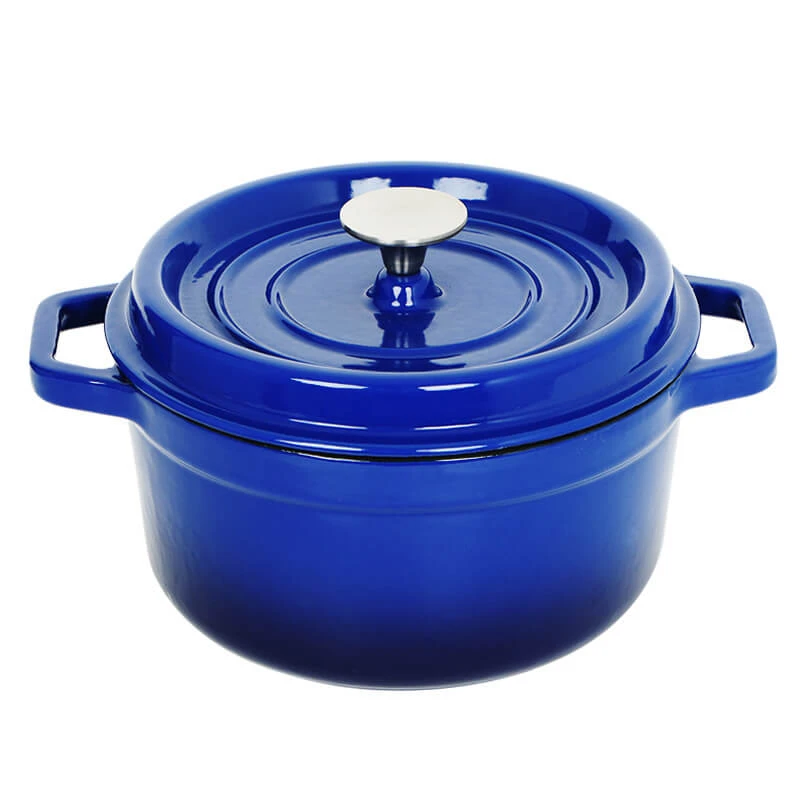
Simply put, dutch oven pots and pans are thick-walled, usually cast iron cookware with tight-fitting lids. They are legendary for even heat distribution and superior heat retention.
While they first appeared in the 18th century, their design remains surprisingly relevant — bridging traditional cooking techniques with modern-day demands. Whether simmering a stew over a campfire or baking bread in a home oven, these pots reliably deliver. In industry terms, their robustness aligns with sustainability goals and humanitarian needs that demand reliable, reusable tools.
Core Components That Make Dutch Oven Cookware Exceptional
Durability – Built to Last
Cast iron’s resilience means dutch oven pots and pans often outlive their owners. From resisting warping to enduring high heat, they can take a beating — and still come out ready for more.
Heat Retention and Distribution
Thanks to thick walls and tight lids, they trap heat efficiently. This results in uniform cooking, which is particularly useful in professional kitchens and outdoor cooking scenarios.
Versatility
You can use them on a stovetop, inside an oven, or even over coals. This flexibility makes them a star player for many cooking styles.
Easy Maintenance and Longevity
While they require seasoning, regular care means dutch oven pots and pans only get better with age. This natural non-stick layer reduces reliance on synthetic coatings, aligning with clean cooking trends.
Cost Efficiency
They might be a bit pricier upfront than thin aluminum pans, but over years they save money and reduce waste — quite the win-win.
Global Applications & Use Cases
In rural parts of Africa and Asia, durable cookware such as dutch oven pots is pivotal in daily meal preparations often done over open fires. International humanitarian agencies recommend cast iron pots since their long lifespan reduces the frequency of supply shipments, cutting both costs and carbon footprints.
Similarly, in remote industrial and mining zones worldwide, chefs rely on these pans to prepare hearty meals that maintain nutrition and warmth for long, demanding shifts.
Even for camping and outdoor enthusiasts in North America and Europe, the dutch oven remains a favorite for its durability and cooking consistency.
Advantages & Long-Term Value
- Economic: Replace multiple thin pans with one reliable dutch oven.
- Environmental: Cast iron cookware is recyclable and lasts for decades.
- Social Impact: Reliable cookware supports food security in challenging environments.
- Safety and Trust: Without synthetic coatings, there's less concern over chemicals leaching into meals.
Emotionally, owning a dutch oven often feels like holding a trusted family heirloom or a tried-and-true tool — it offers comfort, reliability, even dignity.
Product Specifications of Popular Dutch Oven Pots and Pans
| Model | Material | Capacity (Quarts) | Oven-Safe Temp | Weight |
|---|---|---|---|---|
| ClassicCast 6-Qt | Cast Iron | 6 | 500°F (260°C) | 9.5 lbs |
| EcoChef Enamel 5-Qt | Enameled Cast Iron | 5 | 480°F (249°C) | 8.8 lbs |
| LiteCast 4-Qt | Lightweight Cast Iron | 4 | 450°F (232°C) | 6.5 lbs |
Vendor Comparison: Leading Dutch Oven Manufacturers
| Vendor | Price Range | Product Warranty | Sustainability Practices | Special Features |
|---|---|---|---|---|
| Lodge | $30–$120 | Limited Lifetime | Recycled Iron | Pre-seasoned, wide variety |
| Le Creuset | $200–$600 | Limited Lifetime | Eco-friendly coatings | Enamel finish, vibrant colors |
| Staub | $150–$500 | Limited Lifetime | Sustainable manufacturing | Matte black enamel, self-basting lids |
Future Trends & Innovations
Fancy technologies like lightweight cast iron and enamel finishes are making dutch oven pots and pans easier to use and maintain. Sustainability is driving more companies to adopt recycled materials and green manufacturing practices. I heard some companies even exploring smart cookware with embedded temperature sensors for perfect cooking outcomes — though that’s still pretty cutting-edge.
Policymakers globally are promoting sustainable kitchenware through standards and certifications, nudging manufacturers toward improved lifecycle impacts. Plus, as folks embrace outdoor cooking and self-sufficiency more than ever, these ovens fit right into that lifestyle pivot.
Challenges & How Experts Suggest Overcoming Them
Cast iron is heavy, and some users find seasoning intimidating. But, experts recommend beginner-friendly pre-seasoned options and lighter blends to balance tradition with convenience. Addressing cost barriers means recognizing long-term value rather than short-term price.
Misconceptions also linger — many think dutch ovens aren’t dishwasher safe, but with enamel coatings, cleanup is easier than ever. For humanitarian projects, scaling supply in remote areas challenges logistics, but partnerships with local foundries offer promising solutions.
Frequently Asked Questions About Dutch Oven Pots and Pans
- What makes dutch oven pots different from regular cast iron pans?
- Dutch ovens typically have thicker walls and a tight-fitting lid, allowing for even heat distribution and moisture retention, ideal for slow-cooking and baking. Regular cast iron pans are usually shallower and better suited for frying or searing.
- Can I use a dutch oven on any stovetop?
- Most dutch ovens, especially cast iron types, work well on gas, electric, and induction stovetops. Just ensure the base sits flat and avoid thermal shock by heating gradually.
- How long does a dutch oven last with proper care?
- With routine seasoning and maintenance, a good dutch oven can last multiple generations. In fact, many vintage pieces from the mid-1900s are still in kitchens today.
- Are enameled dutch ovens better than traditional ones?
- Enameled dutch ovens require less seasoning, are easier to clean, and offer vibrant colors. However, traditional cast iron versions provide unmatched heat retention and may be preferred for some cooking styles.
- How do NGOs acquire durable cookware for aid projects?
- International aid organizations typically partner with reliable vendors who supply bulk cast iron cookware, optimizing cost and quality. Local sourcing in affected regions is increasingly encouraged for logistics efficiency.
Conclusion: More Than Just Cookware
Dutch oven pots and pans carry legacy, practicality, and sustainability all in one hefty package. They stand as a trusted ally in kitchens around the world — be it for fine-dining chefs, campers, or humanitarian workers in tough conditions. Their timeless design and robust nature embody value that transcends a simple kitchen tool.
If you’d like to explore a variety of dutch ovens and learn more, consider visiting dutch oven pots and pans for trusted selections and expert advice.
In real terms, opting for quality cookware is an investment not only in daily meals but in a sustainable, thoughtful lifestyle.
Mini takeaway: Embracing dutch ovens means honoring tradition, embracing sustainability, and savoring every meal just a bit more.
References:
-
Antique Cast Iron Camp Oven: Durable Outdoor Cookware for Professionals | ZD CookwareNewsJan.06,2026
-
Durable 4 Quart Camping Pot for Professional Use | ZD CookwareNewsJan.06,2026
-
Durable Campfire Cast Iron Pot for Outdoor & Industrial UseNewsJan.06,2026
-
Cast Iron Griddle for Camp Stove – Durable Outdoor Cooking EssentialNewsJan.06,2026
-
Dutch Oven Cast Iron Camping – Durable Outdoor Cooking GearNewsJan.05,2026
-
Durable and Efficient Cast Iron Camping Griddle for B2B Professionals | ZD CookwareNewsJan.05,2026