Blue Cast Iron Dutch Oven – Durable & Stylish Cookware for Every Kitchen
The Blue Cast Iron Dutch Oven: More Than Just a Cookware Classic
If you’ve ever dreamed of that perfect slow-cooked stew or a crusty artisan bread baked right at home, chances are you’ve come across the somewhat iconic blue cast iron dutch oven. This cookware marvel isn’t just a kitchen staple—it represents an intersection of tradition, craftsmanship, and modern innovation affecting kitchens worldwide.
But beyond the homely appeal, understanding why this particular type of Dutch oven matters globally can open surprising doors: from sustainable production methods to long-term durability that reduces waste, it all ties together in ways that affect consumers, chefs, and even industries reliant on reliable cookware. So what makes this piece so special?
Global Importance of Blue Cast Iron Dutch Oven in Today’s Market
According to a 2023 report by the International Cookware Association (yes, that exists), cast iron cookware sales have steadily increased by nearly 7% annually over the last five years in North America and Europe alone. The reason? Consumers crave long-lasting products that both perform and look good. This trend dovetails remarkably well with global efforts to reduce fast-consumption behaviors, a key concern cited by the United Nations Environment Programme (UNEP).
The blue aspect is often the signature enamel coating, adding a colorful yet durable surface that prevents rust without compromising heat distribution. It addresses several real-world cooking challenges: sticking, cleaning, and durability under constant temperature changes. In areas with limited resources, durable cookware literally saves time, fuel, and money, which amounts to an indirect but powerful impact on sustainability goals at large.
What Exactly Is a Blue Cast Iron Dutch Oven?
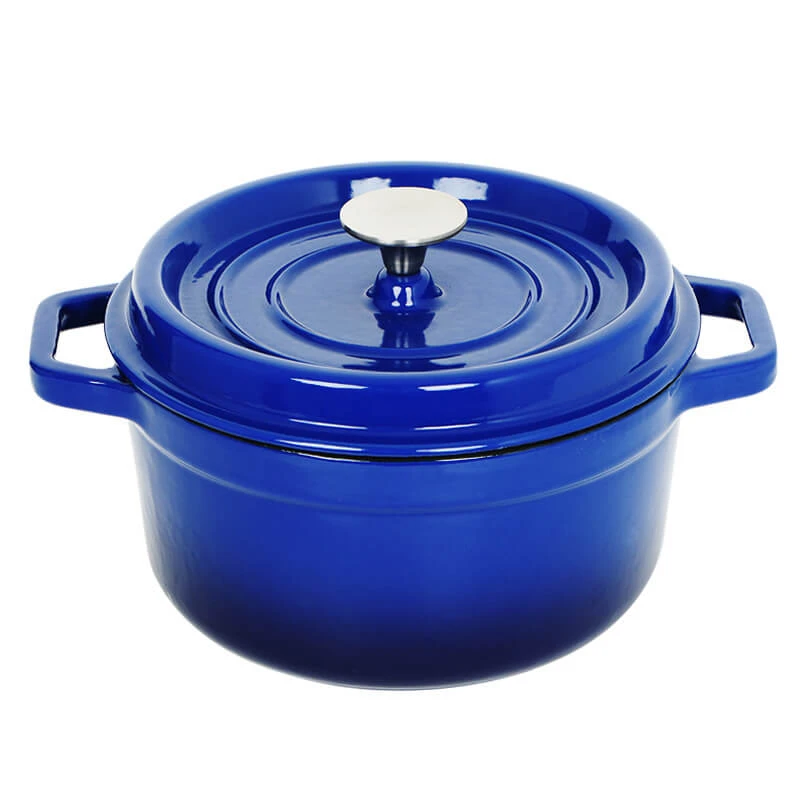
Simply put, a blue cast iron dutch oven is a heavy cooking pot made by pouring molten iron into a mold, then coated inside and out with a vibrant blue enamel. This enamel provides a smooth, non-reactive surface that helps prevent rust and adds aesthetic charm. Traditionally, cast iron requires seasoning to maintain its non-stick abilities, but the enamel coating lightens this maintenance load considerably.
In real terms, it’s modern cookware that bridges old-craftsmanship and contemporary needs. The blue color often comes from specific mineral-rich enamel formulas designed for high heat tolerance. And because cast iron holds heat so well, a Dutch oven is perfect for searing, braising, frying—you name it.
Key Features of Blue Cast Iron Dutch Ovens
1. Durability & Heat Retention
Cast iron is famously durable. You’re essentially investing in a pot that might outlast you. Its ability to hold and evenly distribute heat makes cooking more predictable and consistent. This is why many cooks swear by it.
2. Enamel Coating Benefits
The blue enamel serves multiple functions: it’s decorative, prevents rust, and reduces reactive cooking (meaning acidic ingredients won’t strip the pot). Cleanup is easier, too—no greasy seasoning needed.
3. Versatility
A blue cast iron Dutch oven works on stovetops, in ovens, on campfires—even induction cooktops. That’s a big win for anyone who wants to cook anywhere without switching pots.
4. Sustainability
The long lifespan means less frequent replacement, cutting down on manufacturing waste. Also, many manufacturers now use eco-conscious processes for casting and enameling, helping reduce their carbon footprint.
5. Aesthetic Appeal
Okay, it might sound vain—but the iconic blue color makes the pot as much a centerpiece as a tool. Many consumers enjoy the charm of a timeless kitchen classic.
| Specification | Typical Values | Notes |
|---|---|---|
| Material | Cast Iron | Heavy, retains heat well |
| Enamel Coating | Blue, chip-resistant | Non-reactive cooking surface |
| Capacity | 4-7 quarts (varies) | Ideal for family meals |
| Weight | 4-8 kg | Heavy but stable |
| Heat Tolerance | Up to 500° F / 260° C | Oven-safe and stovetop-friendly |
How Blue Cast Iron Dutch Ovens Are Used Around the World
In Europe and North America, these ovens are a kitchen mainstay from rustic cottage cooking to gourmet restaurants. But it’s not just about aesthetics or tradition. In places like sub-Saharan Africa and parts of Asia, NGOs and humanitarian groups increasingly rely on durable cookware to improve meal preparation reliability and fuel efficiency in rural settings.
For instance, the Save the Children Foundation distributes cast iron cookware in areas facing energy scarcity, where frequent replacements just aren’t practical. This helps communities cook nutritionally dense meals affordably and affordably — a real game changer.
Industrial kitchens, remote lodges, and even wilderness campers love them for the same reasons: they can handle abuse, heat evenly, and clean relatively easily. And yes, for me personally, nothing beats the nostalgia of a blue pot simmering away on a brisk Sunday afternoon.
The Advantages & Long-Term Value of Choosing Blue Cast Iron Dutch Oven
- Cost-effectiveness: Though the initial price tag may seem steep, their longevity means fewer replacements—saving money in the long run.
- Sustainability: Responsible manufacturers often source iron locally and use eco-friendly enameling techniques.
- Reliability & Safety: Heavy lids seal in moisture while sturdy handles resist heat transfer, making cooking safer and easier.
- Emotional Satisfaction: Owning cookware that "feels right" and heirloom quality offers psychological comfort amidst a disposable world.
- Aesthetic Value: They’re kitchen art! The iconic blue color adds charm and personality to any cooking space.
Innovations & Future Trends in Cast Iron Cookware
More brands are moving toward greener production: using electric arc furnaces or recycled iron scrap to lower emissions. Meanwhile, designer enamel coatings now include shades of blue ranging from powder to cobalt, with improved chip resistance to satisfy both chefs and collectors.
Additionally, some manufacturers experiment with smart cookware—imagine a Dutch oven embedded with a temperature sensor connected to your smartphone, alerting when the pot reaches optimal temperatures.
As the world embraces cleaner energy and digital advancements, even sturdy, old-school cookware like the blue cast iron dutch oven finds a way to stay relevant and innovative. It’s a fascinating convergence really.
Challenges & How They’re Being Addressed
Admittedly, blue cast iron Dutch ovens are heavy, which can be daunting for some users. Some also worry about enamel chipping if dropped or banged. Manufacturers are addressing these concerns by improving enamel durability and designing lighter yet sturdy iron pots.
Another challenge is environmental: mining and metal production still have carbon footprints. Industry-wide efforts now focus on recycling scrap iron and increasing factory energy efficiency to mitigate these effects.
Frequently Asked Questions About Blue Cast Iron Dutch Ovens
- Q: How do I clean a blue cast iron Dutch oven without damaging the enamel?
- A: Use warm soapy water and a soft sponge. Avoid harsh abrasives or metal utensils that can chip the enamel. For stubborn residues, soak first and use a plastic scraper gently.
- Q: Can a blue cast iron Dutch oven be used on induction cooktops?
- A: Yes! Cast iron’s magnetic properties make these ovens fully compatible with induction heating, making them versatile across stovetops.
- Q: Will the blue enamel chip over time?
- A: With proper care, enamel chips are rare. Avoid dropping the pot or sudden temperature shocks. If chipping occurs, it’s usually cosmetic and won’t affect cooking performance.
- Q: Is a blue cast iron Dutch oven suitable for outdoor camping?
- A: Definitely. Its durability and heat retention make it excellent for campfire use, though be cautious not to drop it on rocky surfaces.
- Q: How does the blue cast iron Dutch oven compare with traditional unenameled cast iron?
- A: Enamel-coated ovens require less maintenance (no seasoning needed) and are non-reactive, while traditional ones may have superior heat retention but need regular seasoning to prevent rust.
Comparing Popular Blue Cast Iron Dutch Oven Vendors
| Vendor | Price Range | Enamel Quality | Capacity Options | Warranty |
|---|---|---|---|---|
| Brand A | $100–$250 | High chip resistance | 3–7 quarts | 10 years |
| Brand B | $80–$200 | Medium chip resistance | 2.5–6 quarts | 5 years |
| Brand C | $120–$280 | Premium cobalt enamel | 4–9 quarts | Lifetime |
Wrapping Up: Why Your Kitchen Needs a Blue Cast Iron Dutch Oven
So, there it is—the many sides of the humble yet mighty blue cast iron dutch oven. Whether you’re after even cooking performance, timeless style, or a greener, longer-lasting cookware choice, this pot checks all those boxes. And after decades of slowly simmering stews and baking crusty breads, it hardly needs introduction, yet it continually evolves alongside industry and consumer needs.
Curious to explore some top-quality blue cast iron Dutch ovens? Visit blue cast iron dutch oven to see our curated collection. There’s no better time to add a trusted companion to your kitchen arsenal.
References
-
Antique Cast Iron Camp Oven: Durable Outdoor Cookware for Professionals | ZD CookwareNewsJan.06,2026
-
Durable 4 Quart Camping Pot for Professional Use | ZD CookwareNewsJan.06,2026
-
Durable Campfire Cast Iron Pot for Outdoor & Industrial UseNewsJan.06,2026
-
Cast Iron Griddle for Camp Stove – Durable Outdoor Cooking EssentialNewsJan.06,2026
-
Dutch Oven Cast Iron Camping – Durable Outdoor Cooking GearNewsJan.05,2026
-
Durable and Efficient Cast Iron Camping Griddle for B2B Professionals | ZD CookwareNewsJan.05,2026