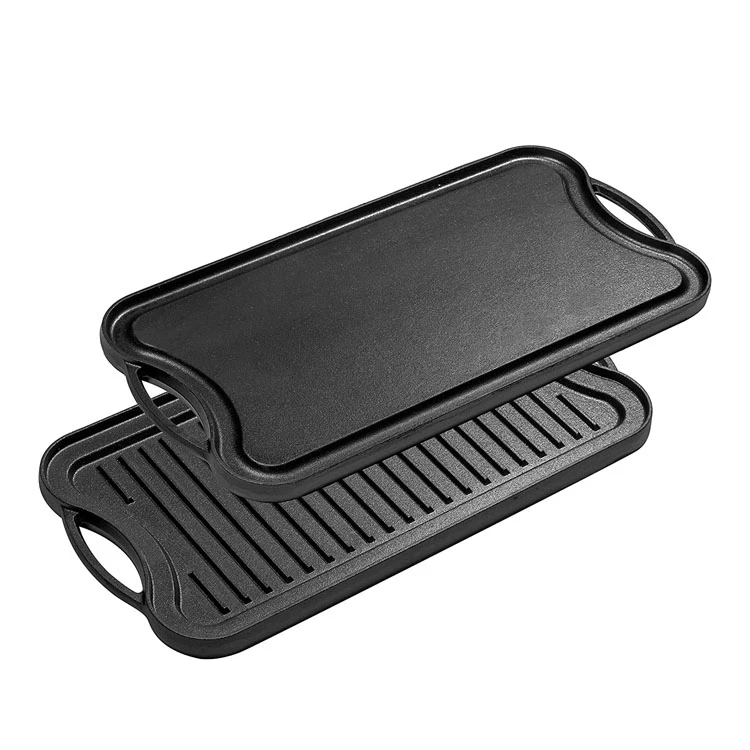
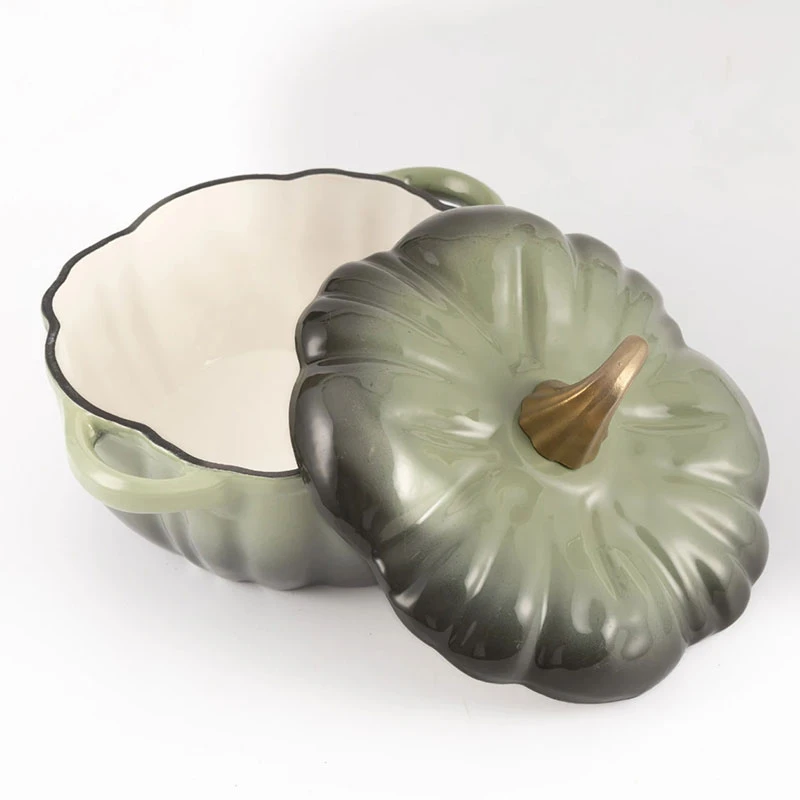
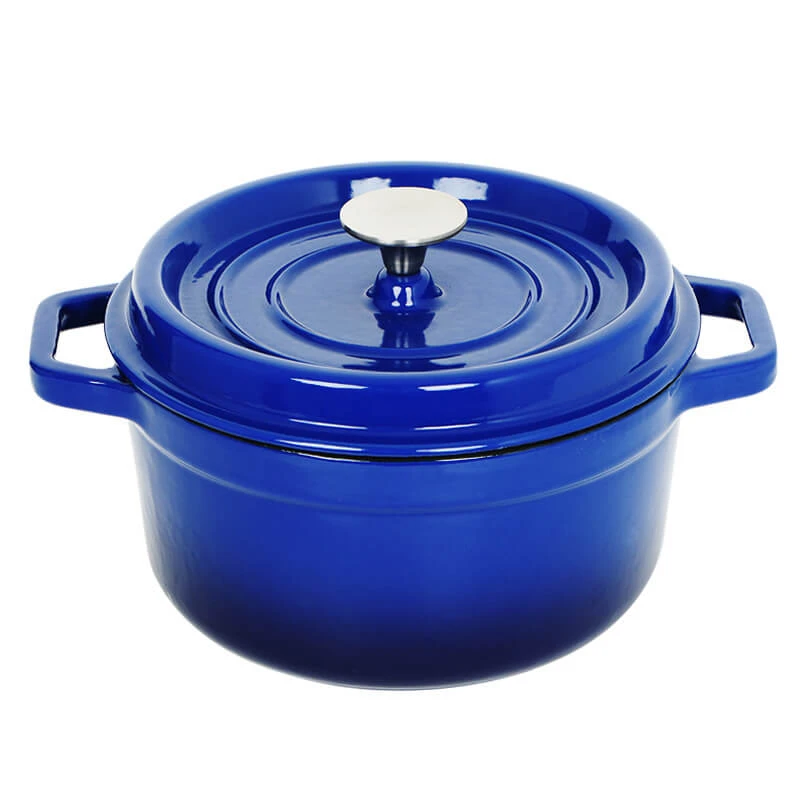
Maiden Dutch Oven – Durable, Sustainable Cooking Solutions for Global Needs
What's So Special About the Maiden Dutch Oven?
When you hear "maiden dutch oven," you might picture a humble pot used for stews and breads. But in today’s industrial and humanitarian worlds, the maiden Dutch oven takes on a much broader meaning. It’s an emblem of durable, multi-purpose solutions in cooking technology with wide-reaching implications—think global aid projects, sustainable initiatives, and household staples. Understanding what this product is and why it matters unlocks insights into manufacturing innovations, environmental benefits, and even cultural traditions that span the globe.
In short, grasping the essence of maiden dutch oven helps manufacturers, NGOs, and consumers alike appreciate how age-old craftsmanship can meet modern requirements in a uniquely effective way.
Why the Maiden Dutch Oven Matters Globally
Against the backdrop of growing global food demands—UN data estimates the population hitting nearly 9.7 billion by 2050—and increased emphasis on sustainable consumption, kitchen technology can no longer be an afterthought. Durable cookware, especially something as versatile as the maiden Dutch oven, offers a way to efficiently prepare nutritious meals over prolonged periods without waste or material fatigue.
Interestingly, the concept also ties into humanitarian efforts. During crisis response scenarios, where resources and energy are scarce, having reliable cooking equipment that lasts and performs well is a small but crucial piece of the puzzle. Not to mention, countries with traditional cooking practices often rely on such cookware for its cultural value as well as practicality.
Mini takeaway:
- The maiden Dutch oven isn't just a pot; it’s an intersection of culture, technology, and sustainability.
- Its global role ranges from everyday homes to emergency kitchens worldwide.
Defining the Maiden Dutch Oven: More Than Just Cast Iron
So, what exactly is a maiden Dutch oven? At its core, it is a heavy-bottomed cooking vessel, typically cast iron, with a tight-fitting lid designed to retain moisture while cooking evenly. The “maiden” aspect refers to the first-time seasoning and breaking-in process, which makes the cookware non-stick and rust-resistant.
In modern culinary industries, this cookware represents the marriage of tradition and innovation. Manufacturers have increasingly introduced enamel coatings for easier cleaning and reduced maintenance, while preserving the classic heat retention properties. And in international relief operations, rugged non-electric cooking solutions like these are prized for their reliability and simplicity.
Key Aspects That Make the Maiden Dutch Oven Stand Out
Durability
One of the maiden Dutch oven’s hallmarks is how it practically laughs at time. Cast iron vessels can last generations if cared for properly. Their resistance to deformation and cracking makes them ideal for varied cooking environments—from home stoves to open flames.
Heat Retention and Distribution
Thanks to thick walls and a dense material, heat spreads evenly across the surface, avoiding hotspots and ensuring consistent cooking. This is especially useful for slow-cooked meals or baking bread.
Seasoning & Maintenance
The seasoning process, usually involving oil treatment and heating cycles, transforms the surface into a natural non-stick layer. This reduces reliance on synthetic coatings and chemicals, aligning well with sustainability goals.
Versatility
From baking and frying to braising, the maiden Dutch oven’s design lends itself to a huge range of cooking techniques. This flexibility means fewer pots are needed in kitchens, reducing material use overall.
Cost Efficiency
Though initially pricier than some contemporary non-stick pans, the longevity of a maiden Dutch oven makes it cost-effective over time. Minimal replacements and lower energy consumption during cooking add to the savings.
Portability and Use in Remote Settings
Its solid build also makes these ovens great for field or camp cooking—features appreciated by humanitarian organizations or outdoor enthusiasts alike.
Mini takeaway:
- Durability and heat mastery are at its core.
- Its adaptability and long-term savings turn casual buyers into lifelong fans.
Specifications of a Typical Maiden Dutch Oven
| Specification | Details |
|---|---|
| Material | Cast Iron (enameled or raw) |
| Weight | 4–7 kg (varies by size) |
| Size Options | From 2-quart to 10-quart capacities |
| Lid Design | Tight-fitting, often with self-basting ridges |
| Oven Safe | Yes, including broiler and open flame |
| Typical Price Range | $40–$200 (depending on brand and size) |
How Different Vendors Stack Up
| Brand | Material Quality | Coating/Finish | Price Range | Availability |
|---|---|---|---|---|
| Maiden Dutch Oven Co. | High-grade cast iron | Natural seasoning or enamel | $70–$180 | Global distribution |
| Traditional Ironworks | Standard cast iron | Raw cast iron, requires own seasoning | $40–$90 | North America and Europe |
| Global Enamelware | Cast iron with enamel coating | Multi-colored enamel finish | $60–$200 | Worldwide online |
Where Maiden Dutch Ovens Come Into Play Worldwide
It’s a curious mix, really. In the Pacific Islands, traditional cooking over fire relies heavily on cast iron vessels akin to the maiden Dutch oven to make hearty family meals. Meanwhile, in sub-Saharan Africa, humanitarian NGOs use these ovens in refugee camps to efficiently prepare large amounts of food with limited fuel resources.
Industrial kitchens across Europe and North America prize them for baking rustic breads and slow-cooked dishes, valuing the even heat and moisture retention. Even remote mining camps in Australia deploy these ovens to serve reliable hot meals under harsh conditions.
So, the maiden Dutch oven travels vast socio-economic terrains—from makeshift relief kitchens to Michelin-starred chef domains—all with one promise: consistent, efficient cooking.
The Advantages & Value That Keep People Coming Back
Here’s where the magic truly resides. Investing in a maiden Dutch oven means more than just buying into cookware. It’s about embracing sustainability, heritage, and trust that this single tool can endure decades.
- Cost Efficiency: Fewer replacements, less energy use.
- Sustainability: Cast iron is recyclable, and seasoning reduces chemical use.
- Social Impact: Enhances dignity in cooking for vulnerable populations.
- Reliability: Heat retention means predictable results every time.
Plus, it’s oddly comforting knowing that something so sturdy even survived centuries of kitchen life. It feels like buying trust and tradition in a pot.
Looking Ahead: Future Trends Around Maiden Dutch Oven
Interestingly enough, we’re starting to see a wave of innovations—smart materials that combine traditional cast iron strength with coatings that require zero maintenance and are even safer environmentally. At the same time, digital heating controllers for ovens that optimize energy use are becoming more common.
Greener manufacturing processes, along with customizability (3D printing components and handles), hint at exciting possibilities. Environmental legislation across regions also pushes manufacturers to improve supply chain transparency, reducing the carbon footprint of maiden Dutch ovens.
Challenges and How Industry is Tackling Them
Not all is perfect. The maiden Dutch oven can be heavy and intimidating for inexperienced cooks. Some cheaper versions suffer from casting inconsistencies or enamel chipping. Seasoning properly is sometimes a steep learning curve, discouraging some users.
However, manufacturers now offer lighter alloys, easier-clean enamels, and detailed seasoning guides that almost hold your hand through the process. NGOs and aid groups often combine these ovens with training programs to get full value from their deployment.
FAQs about the Maiden Dutch Oven
- How do I care for my maiden Dutch oven to ensure longevity?
- Season your oven regularly by coating it lightly with vegetable oil and heating it. Avoid soaking in water, and always dry it thoroughly after washing to prevent rust.
- Is a maiden Dutch oven suitable for cooking on induction stovetops?
- Yes, cast iron retains magnetic properties, making maiden Dutch ovens compatible with induction cooktops, as well as gas and electric ranges.
- Can I use the maiden Dutch oven outdoors over an open flame?
- Absolutely! This cookware is designed to withstand direct heat and can be used on campfires, grills, and even in ovens for versatile cooking experiences.
- Are enamel-coated maiden Dutch ovens better than raw cast iron ones?
- Enamel coatings reduce maintenance and provide color options but can chip. Raw cast iron requires seasoning but offers a traditional, durable surface that improves over time.
Wrapping Up: Why the Maiden Dutch Oven Deserves a Spot in Your Kitchen
The maiden Dutch oven embodies more than cooking tech—it represents a bridge between past and future, personal and global. Whether you’re a chef baking bread or a relief worker feeding families after a disaster, this cookware delivers unmatched value.
Curious? Dive deeper and explore quality options at maiden dutch oven, where craftsmanship meets modern lifestyle.
At the end of the day, it’s about bringing people together over good food, prepared with care and respect for tradition.
References
-
Antique Cast Iron Camp Oven: Durable Outdoor Cookware for Professionals | ZD CookwareNewsJan.06,2026
-
Durable 4 Quart Camping Pot for Professional Use | ZD CookwareNewsJan.06,2026
-
Durable Campfire Cast Iron Pot for Outdoor & Industrial UseNewsJan.06,2026
-
Cast Iron Griddle for Camp Stove – Durable Outdoor Cooking EssentialNewsJan.06,2026
-
Dutch Oven Cast Iron Camping – Durable Outdoor Cooking GearNewsJan.05,2026
-
Durable and Efficient Cast Iron Camping Griddle for B2B Professionals | ZD CookwareNewsJan.05,2026