Ceramic Coated Cast Iron Dutch Oven – Durability, Safety & Sustainable Cookware
The Ceramic Coated Cast Iron Dutch Oven: A Global and Practical Perspective
When you think of cookware that blends tradition with modern innovation, the ceramic coated cast iron dutch oven stands out. Over recent years, this kitchen staple has transcended just being a basic pot; it’s become a symbol of sustainable cooking and durability worldwide. Given rising global attention to eco-friendly materials and longer-lasting household products, understanding these dutch ovens is, frankly, quite important—not just for home cooks, but for industries focusing on sustainability.
Globally, the cast iron cookware market is projected to grow steadily with an increased demand for coated variants for easier maintenance and safety. According to the International Organization for Standardization (ISO), ceramic coatings improve cookware performance by limiting release of metals and ensuring higher health safety standards.[1] But what’s really caught attention is their potential to reduce waste by replacing short-lived non-stick pans. So, as people become more conscious consumers, these ovens reflect wider shifts in manufacturing and consumer habits.
What Is a Ceramic Coated Cast Iron Dutch Oven?
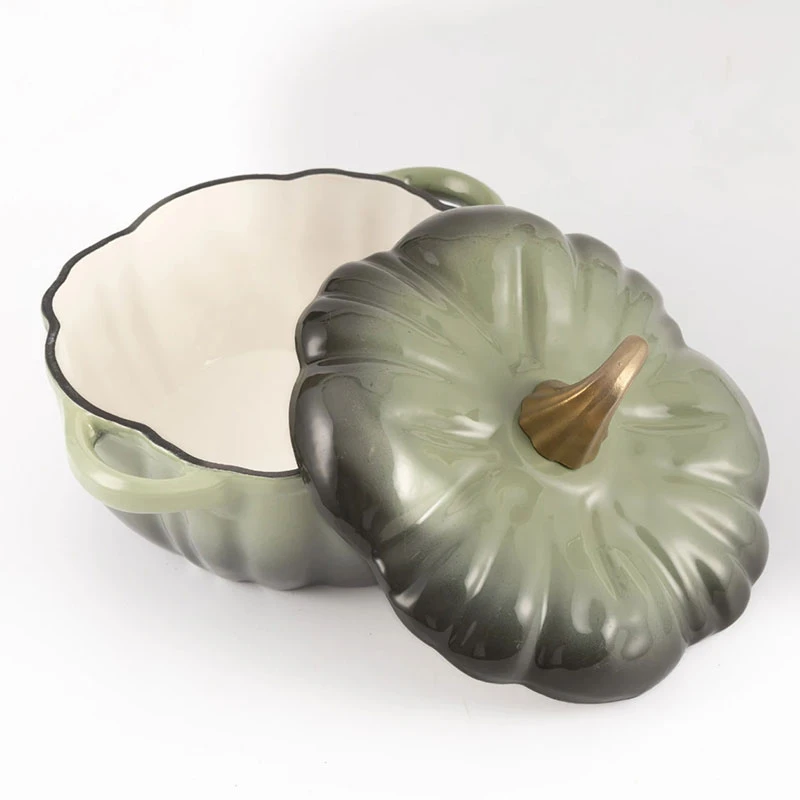
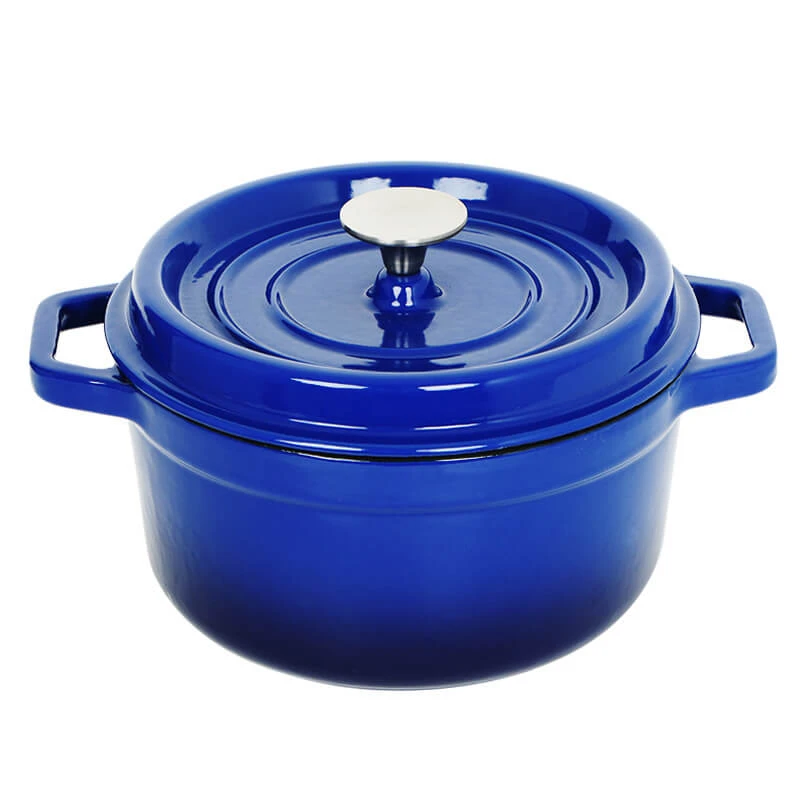
Simply put, a ceramic coated cast iron dutch oven is a heavy-duty pot made from cast iron—a material prized for heat retention—covered inside and out with a ceramic-based glaze. This glaze isn’t just decorative; it protects the cast iron from rusting, prevents food from sticking as much as bare iron would, and is free from toxic chemicals often present in traditional nonstick surfaces.
In the kitchen realm, it’s a versatile tool: great for slow-cooking stews, baking bread, or simmering sauces. But oddly enough, beyond home use, it’s found niche roles in remote field stations or humanitarian kitchens, where durability and ease of cleaning are crucial under tough conditions.
Key Factors Defining Ceramic Coated Cast Iron Dutch Ovens
Durability and Heat Retention
Cast iron is famous for holding heat evenly. The ceramic coating adds a toughness layer, making these ovens last decades if cared for properly. They don’t chip easily and resist thermal shocks better than enamel-coated counterparts—which is a big deal in busy kitchens.
Health and Safety
Unlike some nonstick coatings that can release harmful substances when overheated, ceramic coatings are generally recognized as safer. The FDA approves many ceramic coatings used, making them a top choice for health-conscious consumers.
Ease of Maintenance
You might think cast iron is high maintenance, but the ceramic layer simplifies cleaning—foods are less likely to stick, so hard scrubbing isn’t needed. Still, harsh detergents can degrade the coating, so hand washing is recommended.
Cost Efficiency
Initial price tags might seem steep compared to aluminum pans, but factoring in longevity and performance, they often save money over time, reducing replacements and fuel waste due to even heating.
Environmental Impact
The production of cast iron itself is energy-intensive. However, ceramic coatings usually don't contain PTFE or PFOA, harmful chemicals banned in many places, aligning the product with cleaner manufacturing trends.
Real-World Applications of Ceramic Coated Cast Iron Dutch Ovens
- In-home cooking worldwide: From American farmhouse kitchens to European bistros, the dutch oven remains iconic for flavor-building recipes.
- Humanitarian efforts: Relief camps and NGOs value it for its durability and safety, suitable for varied cooking stoves and fuel types.
- Remote and outdoor usage: Field researchers and camping enthusiasts trust them due to their ruggedness and versatility.
- Commercial kitchens: Many chefs prefer ceramic coated cast iron for consistent performance under heavy use.
For example, during relief efforts in Southeast Asia, durable cookware like this enabled organizations to prepare large meals safely in challenging environments—a small piece leading to big impacts.
Advantages & Long-Term Value
Beyond being a cooking tool, these dutch ovens offer:
- Reliability: They rarely fail you in critical moments, which is reassuring.
- Sustainability: Less waste and safer coatings make them an eco-friendly option.
- Health benefits: Avoiding toxic nonstick materials promotes safer meals.
- Emotional comfort: The familiar feel of a classic tool, connecting generations.
It’s like investing in a kitchen heirloom that promotes healthy, mindful living—and frankly, that’s a rare combination.
Product Specification Table
| Feature | Specification |
|---|---|
| Material | Cast Iron Core, Ceramic Coating (Food-Grade) |
| Weight | 4.5 - 7 lbs (varies by size) |
| Heat Capacity | Up to 500°F (suitable for oven and stovetop) |
| Coating Thickness | 30-50 microns (varies by brand) |
| Oven Safe | Yes, up to 500°F |
| Cleaning | Hand wash recommended; Avoid metal scrubbers |
Vendor Comparison Table
| Brand | Price Range | Coating Type | Warranty |
|---|---|---|---|
| Brand A | $80–$150 | Pure Ceramic Glaze | Lifetime |
| Brand B | $60–$110 | Hybrid Ceramic-PTFE | 5 Years |
| Brand C | $100–$180 | Multi-layer Ceramic | 10 Years |
Looking Ahead: Future Trends & Innovations
There’s a quiet revolution around ceramic coated cast iron cookware. Manufacturers explore eco-friendly mineral coatings with improved scratch resistance and even integrate digital temperature sensing embedded into the pot handles—a bit futuristic but plausible soon.
The shift toward renewable energy in production, especially lowering the carbon footprint of smelting cast iron, aligns with manufacturers’ ambitions to market “green” cookware. I’ve seen some small startups testing bio-based ceramic coatings that could biodegrade at the end of the product’s lifecycle, which just might be the next big thing.
Challenges & How Experts Are Solving Them
Despite its strengths, ceramic coated cast iron dutch oven has some issues: potential chipping of coating with harsh impact, relatively heavy weight, and sensitivity to sudden temperature changes if not used carefully.
Innovative solutions include multi-layer coatings engineered for higher mechanical strength and modular handle designs to better balance the weight in use. Some manufacturers suggest seasoning the ceramic layer lightly after purchase to extend life—oddly elegant advice for a modern product.
Frequently Asked Questions About Ceramic Coated Cast Iron Dutch Oven
- How long does the ceramic coating last on a cast iron dutch oven?
- Generally, with proper care—avoiding metal utensils and harsh cleansers—the ceramic coating can last 10+ years. However, frequent high-heat use or abrasive cleaning might reduce its lifespan.
- Is it safe to use metal utensils with ceramic coated cast iron?
- It’s best to avoid metal tools to prevent scratching the ceramic glaze. Use wood, silicone, or plastic utensils to maintain coating integrity.
- Can I use a ceramic coated cast iron dutch oven on induction cooktops?
- Yes! Cast iron works perfectly with induction due to its magnetic properties. The ceramic coating doesn’t interfere with this.
- Are ceramic coatings environmentally friendly?
- Most ceramic coatings are free from harmful chemicals like PTFE, making them more eco-friendly than traditional nonstick alkazymes. Still, production energy remains a factor.
- Where can I buy quality ceramic coated cast iron dutch ovens?
- Many reputable cookware brands sell these products online and in-store. For trusted options and detailed info, visit ceramic coated cast iron dutch oven specialists.
Conclusion
Ultimately, the ceramic coated cast iron dutch oven represents a blend of heritage and cutting-edge design. It meets modern demands for durability, health safety, and sustainability, while still invoking that cozy feeling of slow-cooked meals among family and friends. As trends move toward more responsible consumption, owning one of these feels like a smart—and heartfelt—investment in your kitchen’s future.
If you’re curious to explore the best in quality cookware, do visit our website here and see the range for yourself!
Oddly enough, choosing cookware can be a small but surprisingly powerful step toward mindful living.
Brief takeaway: Choosing a ceramic coated cast iron dutch oven combines durability, health safety, and sustainability—a trifecta hard to beat in kitchen essentials.
- ISO standards on cookware safety and material composition (iso.org)
- FDA guidelines on ceramic coatings (fda.gov)
- Market trend reports on cast iron cookware (globalcookwareresearch.com)
-
Antique Cast Iron Camp Oven: Durable Outdoor Cookware for Professionals | ZD CookwareNewsJan.06,2026
-
Durable 4 Quart Camping Pot for Professional Use | ZD CookwareNewsJan.06,2026
-
Durable Campfire Cast Iron Pot for Outdoor & Industrial UseNewsJan.06,2026
-
Cast Iron Griddle for Camp Stove – Durable Outdoor Cooking EssentialNewsJan.06,2026
-
Dutch Oven Cast Iron Camping – Durable Outdoor Cooking GearNewsJan.05,2026
-
Durable and Efficient Cast Iron Camping Griddle for B2B Professionals | ZD CookwareNewsJan.05,2026