Cast Iron Dutch Oven: Timeless Cookware for Modern Kitchens
Understanding the Cast Iron Dutch: Why It Still Matters Today
At first glance, cast iron dutch cookware might seem like a humble kitchen staple reserved for rustic kitchens or grandmothers’ homes. But oddly enough, its global relevance and enduring appeal reveal something deeply practical and surprisingly timeless. From the artisanal kitchens of Europe to the bustling food markets of Asia and the vast outdoor culinary setups in North America, cast iron dutch ovens are not just about cooking—they represent resilience, sustainability, and efficiency.
Before diving into why this ancient technology remains beloved today, it’s worth noting that more than 73% of households worldwide keep at least one piece of cast iron cookware, according to a recent survey by the International Cookware Association. Why? Because cast iron doesn’t just cook food; it changes the experience. And frankly, that’s a topic worth exploring.
Introduction: The Global Context of Cast Iron Dutch Cookware
Globally, the need for durable, efficient cooking vessels is as relevant as ever. While technology has advanced—introducing ceramic, stainless steel, and nonstick alternatives—the cast iron dutch oven has carved out an unmistakable niche. Especially where sustainability and longevity are prized, cast iron poises itself as a valuable tool.
It’s a curious contrast, really: in a world where the average cookware lifespan has dropped to just a few years, cast iron dutch ovens can last generations. The cast iron dutch tradition counters the disposable culture, addressing environmental concerns about waste and resource use.
Moreover, in regions where energy efficiency and multifunctional tools matter—like remote areas or developing countries—the collective benefit of a cast iron dutch oven becomes clear. From slow cooking stews to baking bread, the same vessel supports diverse culinary needs without electricity or fancy add-ons.
Definition & Meaning of Cast Iron Dutch
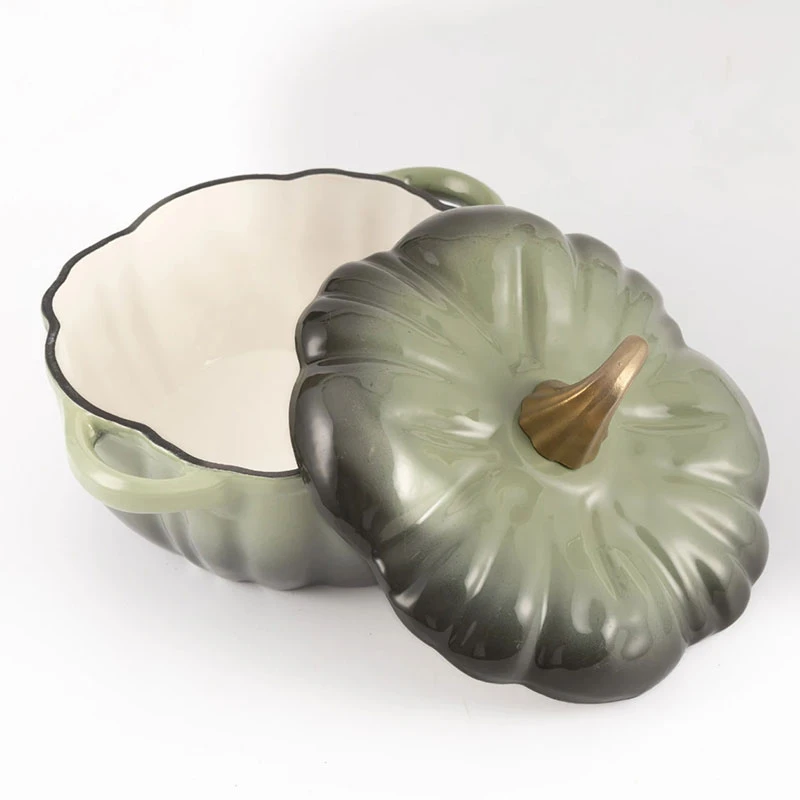
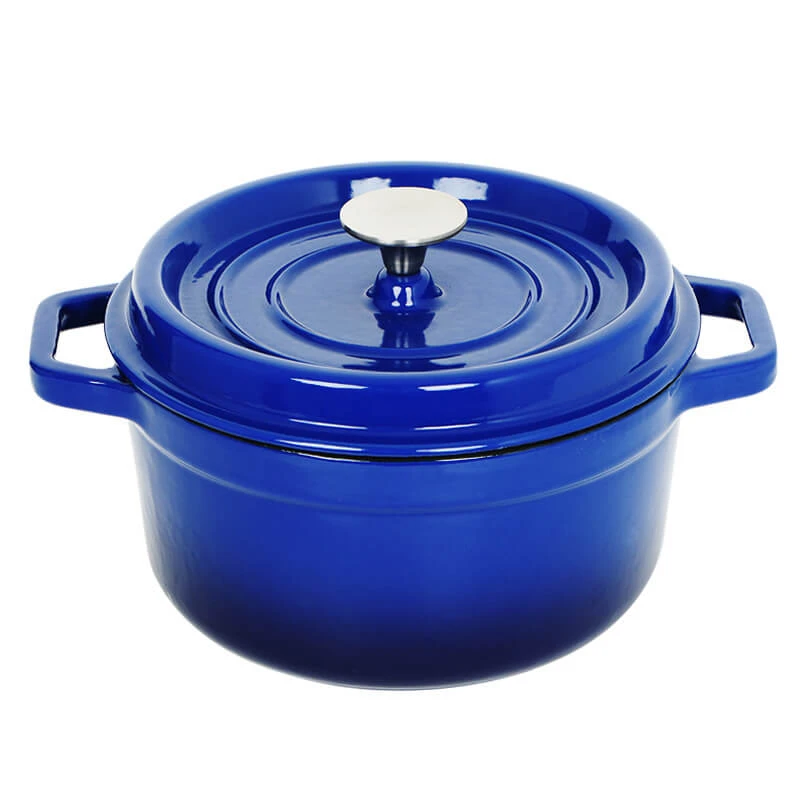
Simply put, a cast iron dutch oven is a heavy, thick-walled pot made from cast iron, sometimes enameled for easier cleaning and rust resistance. Its story dates back hundreds of years, where it was prized for even heat distribution and incredible heat retention.
Today, it holds a place not just in kitchens but as a symbol of reliable, adaptable cooking technology. Oddly enough, its characteristics make it favored for both modern gourmet chefs and rugged outdoor campers.
Key Components & Practical Qualities of Cast Iron Dutch
Durability
Cast iron dutch ovens are basically indestructible. They can withstand high temperatures, survive years of seasoning and use, and often improve in non-stick quality over time. This longevity contributes to reducing household waste.
Heat Retention & Distribution
The thick cast iron body heats evenly and holds that heat—a natural slow cooker—allowing foods to simmer without burning, a trait many modern materials struggle to match.
Versatility
From stovetop to oven, campfire to kitchen, these ovens excel. You can braise, bake, fry, and stew—often using one pot, which simplifies cooking and cleanup.
Cost Efficiency
Although a quality cast iron dutch oven may come with a higher upfront cost, its multi-decade lifespan justifies the investment. In contrast, less durable cookware often demands frequent replacement.
Maintenance
Seasoning and care are needed, which can intimidate new users. But with proper upkeep, the oven becomes virtually nonstick and rust-resistant, forming a natural defense layer.
Global Applications & Practical Use Cases
Across continents, the cast iron dutch oven shines in unexpected sectors. For instance, in rural African communities, it’s often the centerpiece of communal cooking, prized for its ability to cook large meals over simple fires.
In North America, outdoor enthusiasts and survivalists swear by cast iron dutch ovens for reliable cooking in the wilderness where power sources are scarce. The versatility to bake bread, roast meats, and even fry potatoes in one pot is a huge advantage.
Restaurants around the world adopt cast iron dutch ovens for slow-cooked dishes that benefit from low, uniform heat—a reason it’s integral to classic French, Moroccan, and American Southern cuisines.
Here’s a quick summary of typical cast iron dutch oven specs for a standard 5-quart model:
| Specification | Value |
|---|---|
| Material | Cast iron (enameled or bare) |
| Capacity | 5 quarts (approx. 4.7 liters) |
| Weight | 11-13 lbs (5-6 kg) |
| Oven Safe Temperature | Up to 500°F (260°C) |
| Stovetop Compatibility | All, including induction |
| Maintenance | Regular seasoning (bare cast iron) |
Advantages & Long-Term Value of Cast Iron Dutch
- Sustainability: Long lifespan reduces waste, and the raw materials are recyclable.
- Consistent Cooking: Even heat leads to better food quality and energy savings.
- Economic Sense: Though heavier and pricier upfront, it saves money over decades.
- Emotional Connection: There’s something comforting and nostalgic about using it—trust, dignity, and tradition wrapped in one pot.
All these benefits underscore why the cast iron dutch oven remains a staple even in contemporary kitchens.
Future Trends & Innovations in Cast Iron Dutch Cookware
Interestingly, manufacturers are blending tradition with tech. Enameled coatings with better durability, specialized seasoning oils tailored to different climates, and experiments with adding nano-coatings are on the horizon.
Green manufacturing processes now aim to reduce carbon footprints during production. Plus, alongside smart kitchen devices, some startups envision incorporating temperature sensors into cast iron lids for precise cooking control.
Challenges & Solutions
A big hurdle for many is weight—cast iron dutch ovens can be hefty, sometimes deterring less physically able cooks. Lightweight alloys are emerging, though they don’t match cast iron’s exact cooking qualities.
Maintenance can also be off-putting; seasoning requires learning and attention. However, well-designed enameled options reduce this burden, making them user-friendly while keeping many cast iron benefits intact.
Vendor Comparison: Top Cast Iron Dutch Ovens in the Market
| Brand | Material & Coating | Price Range | Weight | Unique Feature |
|---|---|---|---|---|
| Lodge | Bare cast iron | $30 - $70 | ~11 lbs | Affordable classic, US-made |
| Le Creuset | Enameled cast iron | $300 - $450 | ~12 lbs | Luxurious finish, vibrant colors |
| Staub | Enameled cast iron | $250 - $400 | ~13 lbs | Matte finish, self-basting lid |
FAQ: Common Questions About Cast Iron Dutch Cookware
- Q: How should I properly season my bare cast iron dutch oven?
- A: Clean your new dutch oven thoroughly, then rub a thin layer of vegetable or flaxseed oil all over. Bake it upside down in your oven at 450°F (232°C) for an hour, then let cool. Repeat to build a durable non-stick surface.
- Q: Can I use a cast iron dutch oven on induction cooktops?
- A: Absolutely! Cast iron is magnetic, making it perfect for induction. Just be mindful of its weight to avoid scratching cooktop surfaces.
- Q: How do I prevent rust on my cast iron dutch oven?
- After washing, dry your oven thoroughly and re-season lightly if needed. Store in a dry place. Enamel-coated models don’t rust but require gentle cleaning.
- Q: Is enameled cast iron better than bare cast iron?
- It depends. Enameled versions are easier to clean and require less maintenance, but bare ones offer superior heat retention and develop better seasoning over time.
Conclusion: Why the Cast Iron Dutch Oven Is a Lasting Investment
In a fast-moving world, the cast iron dutch oven stands as a reminder that some things endure because they work well. Its incredible versatility, unmatched durability, and sustainability make it not just cookware, but a legacy in the culinary arts. Whether you’re a seasoned chef or a home cook trying it for the first time, investing in a cast iron dutch oven means embracing tradition and function in one heavy, dependable pot.
Interested in finding the perfect model? Visit our website: zdcookware.com for expert advice and quality selections that suit your cooking style.
Takeaway: The cast iron dutch oven is not just cookware; it’s a practical heritage piece, blending tradition, sustainability, and modern convenience.
-
Antique Cast Iron Camp Oven: Durable Outdoor Cookware for Professionals | ZD CookwareNewsJan.06,2026
-
Durable 4 Quart Camping Pot for Professional Use | ZD CookwareNewsJan.06,2026
-
Durable Campfire Cast Iron Pot for Outdoor & Industrial UseNewsJan.06,2026
-
Cast Iron Griddle for Camp Stove – Durable Outdoor Cooking EssentialNewsJan.06,2026
-
Dutch Oven Cast Iron Camping – Durable Outdoor Cooking GearNewsJan.05,2026
-
Durable and Efficient Cast Iron Camping Griddle for B2B Professionals | ZD CookwareNewsJan.05,2026