Durable & Versatile Cast Iron Dutch Oven Set | Global Uses & Benefits
What Exactly Makes a Cast Iron Dutch Oven Set So Special?
At first glance, a cast iron dutch oven set might just seem like an old-school kitchen tool. But dive a little deeper, and you’ll uncover a fascinating story about durability, tradition, and versatility that’s relevant worldwide. From simmering stews in family kitchens to fueling field operations in remote areas, these hefty pots have quietly shaped how we cook for centuries.
Why should you care? Because understanding cast iron dutch ovens is more than culinary trivia — it’s about embracing tools that marry sustainability, efficiency, and a nod to human heritage. Plus, hands down, they're an investment in food quality and readiness that many in the hospitality and emergency sectors swear by.
The Global Context: Why Cast Iron Dutch Oven Sets Matter More Than Ever
It might sound quirky, but cast iron cookware, including dutch ovens, has a surprisingly significant role across industries worldwide.
According to the Food and Agriculture Organization (FAO), nearly 795 million people were undernourished globally as recently as 2020 — and having reliable, sustainable cookware can make a difference in emergency aid scenarios or remote agriculture projects where cooking is a major challenge.
Similarly, ISO quality standards since 2010 have moved manufacturers to optimize cookware towards durability and non-toxic materials. A cast iron dutch oven set fits this perfectly: no toxic coatings, no flimsy parts. For organizations providing field kitchens or disaster relief housing that often rely on such gear, durability is a lifesaver — literally.
But here's the rub: many people don’t realize that these pots solve common issues such as uneven heat distribution, fragility of modern cookware, and chemical contamination risks from non-stick coatings. The cast iron dutch oven set answers most of these.
Mini Takeaway:
- Cast iron dutch ovens aren’t just kitchen relics — they’re globally relevant tools in food security and emergency preparedness.
- Certified durability and material safety make these sets appealing across both consumer and industrial sectors.
What Is a Cast Iron Dutch Oven Set, Really?
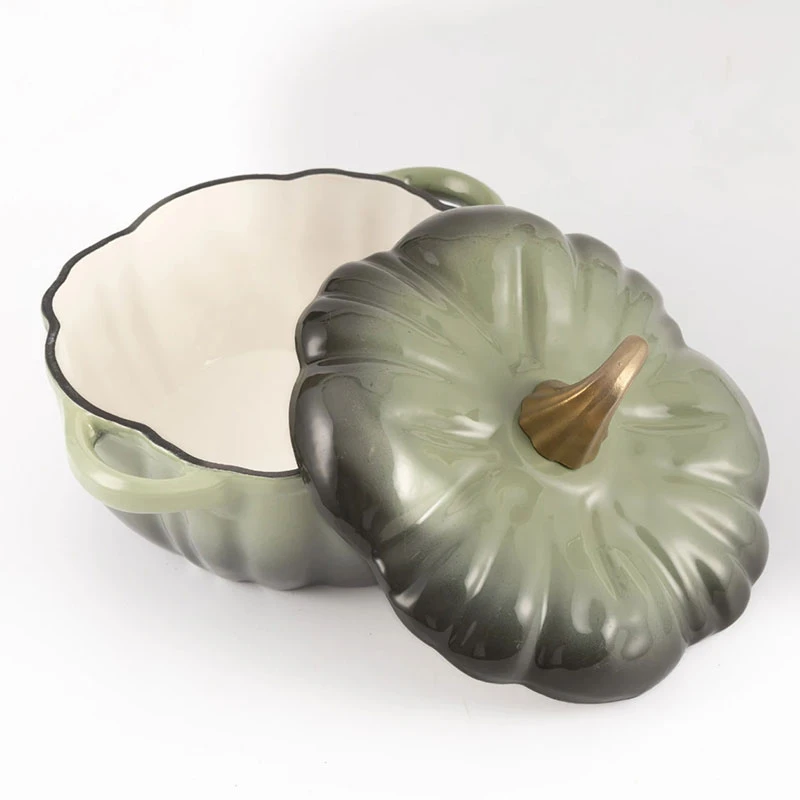
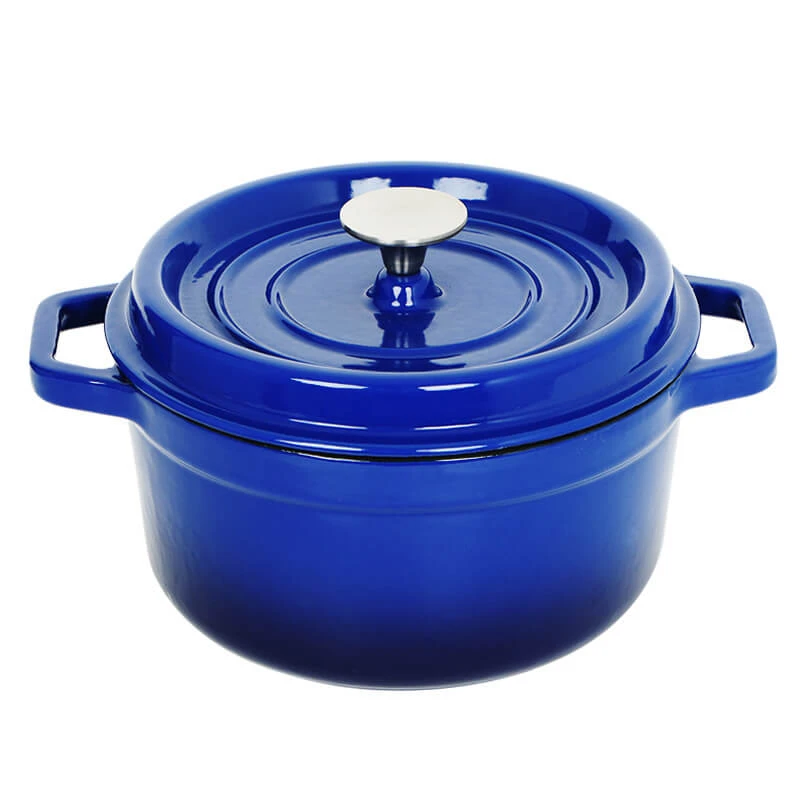
In plain terms, a cast iron dutch oven set is a collection of heavy-duty cooking pots made from cast iron — thick, sturdy, and often coated with an enamel glaze. The traditional ‘dutch oven’ is a big, lidded pot with high sides that excel at slow cooking, baking, frying, and even roasting.
Why a set? Usually, these come in multiple sizes, from small single portions to large pots capable of feeding a crowd. Both seasoned home cooks and industry chefs prize them for heat retention and versatility.
Industries, too, have jumped on board. Humanitarian organizations, outdoor culinary groups, and even the military appreciate these ovens. They provide an ancient yet highly effective way to prepare meals under challenging conditions, which modern tech sometimes struggles to replicate efficiently.
Mini Takeaway:
- A cast iron dutch oven set is basically a collection of rugged, versatile cooking pots favored for their heat properties and longevity.
- The cookware bridges centuries, serving both home cooks and industrial applications equally well.
Core Components of a Cast Iron Dutch Oven Set
1. Durability
Cast iron is famously resilient. With proper care, these pots can last several lifetimes. Unlike thinner or coated metals that warp or peel, a cast iron dutch oven set endures high heat and rough handling.
2. Heat Retention & Distribution
A key advantage is how evenly and steadily heat spreads — great for simmering stews or baking bread. This means less burnt bottom and more consistently cooked food, which is indispensable in both professional kitchens and off-grid settings.
3. Versatility
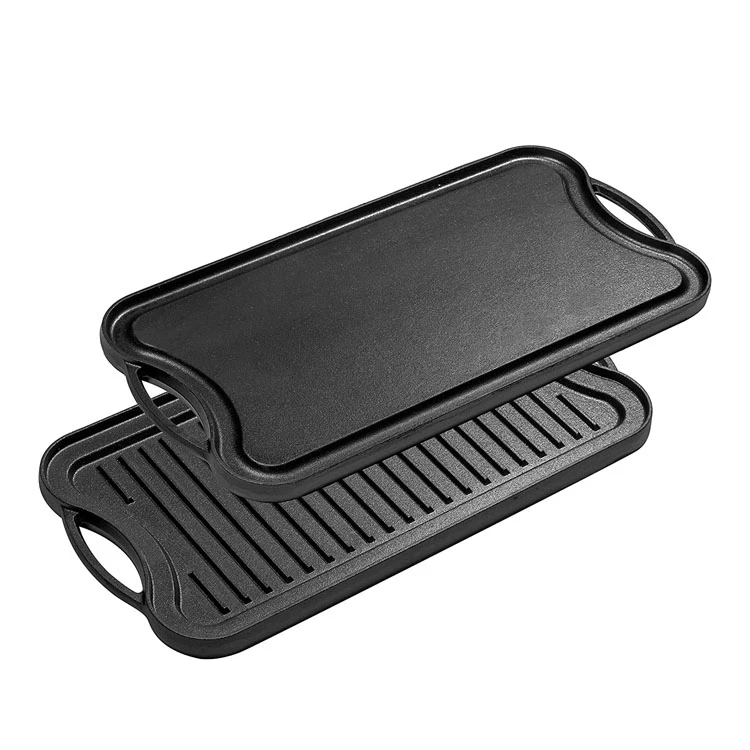
Whether you’re sautéing, frying, or slow-cooking, the cast iron dutch oven fits the bill. Plus, many sets come with lids that double as skillets or griddles, adding layers of functionality.
4. Low Maintenance (Sort Of)
While cast iron does require seasoning to maintain its non-stick surface, modern enameled sets have cut down on the upkeep. This matters a lot for NGOs or outdoor chefs who need low-fuss gear.
5. Cost Efficiency
Initially pricier than some cookware, a cast iron dutch oven set’s longevity and reliability often offset the upfront price — especially when frequent replacements of cheaper gear add up.
| Specification | Typical Range |
|---|---|
| Material | Cast Iron (sometimes enameled) |
| Weight per pot | 3–7 lbs (1.4–3.2 kg) |
| Sizes in set | 8–15 inches diameter |
| Heat source compatibility | Gas, electric, induction, open flame |
| Lid functionality | Can double as skillet/grill |
Mini Takeaway:
- Durability and even heat distribution make cast iron dutch ovens invaluable across contexts.
- Enamel coatings and multi-function lids raise the practicality game.
Where Are Cast Iron Dutch Oven Sets Used Globally?
Oddly enough, these pots have a romantic reputation as “heirloom kitchenware,” but look closer and you'll find them in some hard-to-picture places.
- Post-Disaster Relief Operations: Agencies supporting displaced families in Africa, Southeast Asia, and the Caribbean rely on such cookware because durability and versatility matter when cooking over campfires or fuel stoves.
- Remote Industrial Zones: Mining camps in Canada or oil fields in Russia often use cast iron dutch ovens due to their ruggedness and ability to feed groups efficiently.
- Hospitality & Culinary Schools: Chefs worldwide swear by them for teaching fundamentals of heat and cooking technique — it’s kind of like a playground for serious cooks.
- Outdoor Enthusiasts: Campers, survivalists, and backyard chefs love portable sets for the authentic flavor and multi-use design.
Mini Takeaway:
Across continents and industries, the cast iron dutch oven set is trusted where endurance, quality, and simplicity count most.
Advantages and Long-Term Value of Cast Iron Dutch Oven Sets
Here’s where the story truly clicks. Each of us seeks reliability — whether it’s emotional reassurance that your gear won’t flop mid-chili or the logical economic sense of buying once and using forever.
- Cost-Effectiveness: Yes, cast iron pots aren’t the cheapest, but their lifespan and repairability pay off over years, meaning fewer replacements.
- Sustainability: Made from recyclable materials and often passed down generations, they reduce waste compared to disposable or flimsy cookware.
- Health & Safety: No harmful chemicals often found in non-stick coatings, so a win when it comes to family meals or food aid programs.
- Social Impact: Imagine a field kitchen with these pots — it’s about bringing dignity, warmth, and nourishment to communities in need.
- Innovation Meets Tradition: Modern designs retain traditional benefits while adapting for easier use — like enameled interiors or stove compatibility.
Mini Takeaway:
Investing in a cast iron dutch oven set taps into a blend of ecological, economic, and social benefits — and that, frankly, is becoming more essential with global sustainability goals ramping up.
The Future of Cast Iron Dutch Oven Sets: Innovation on the Horizon
I’ve noticed the market evolving quietly over the past decade, and several trends stand out:
- Eco-Friendly Manufacturing: Using green foundries and recycled metals.
- Digitally Enhanced Cooking: Integrated temperature sensors are being tested in prototypes, offering precise control for chefs.
- Hybrid Materials: Some brands experiment with lighter metals combined with cast iron cores to address weight concerns.
- Smart Enamel Coatings: More chip-resistant and easier to clean finishes that maintain tradition but ease maintenance.
Still, the classic cast iron dutch oven set holds its ground — it’s a bit like the vinyl record of cookware: enduring and beloved.
Challenges and How Experts Are Tackling Them
Cast iron does come with quirks. The weight, for one, can be a problem for many users — not to mention the care needed to avoid rust or seasoning loss. But, manufacturers and end-users have learned to tackle these.
- Developing enamel coatings reduces maintenance fuss and rust risk.
- Design tweaks, like thinner walls and ergonomic handles, improve usability without sacrificing durability.
- User guides and digital resources help new customers master seasoning and care.
These small solutions have boosted adoption beyond the “old-timers” and kitchen purists — making cast iron dutch ovens more popular than ever.
FAQ: Common Questions About Cast Iron Dutch Oven Sets
- Q: How heavy is a typical cast iron dutch oven, and is it suitable for everyday cooking?
- A: Most cast iron dutch ovens weigh between 5 and 7 pounds, though sizes vary. While a bit heavier than non-stick pots, many home cooks find they quickly get used to the weight, appreciating the superior heat retention. Plus, enameled versions reduce maintenance hassles, making daily use easier.
- Q: Are cast iron dutch oven sets safe to use on induction cooktops?
- A: Yes, cast iron is one of the best materials for induction cooking due to its magnetic properties. Both traditional and enameled sets work well, providing even heating on all stove types.
- Q: Can these pots be used outdoors over campfires?
- A: Absolutely. Cast iron dutch ovens are legendary for outdoor cooking. Their robustness and heat distribution are perfect for campfire stews, baking bread, or deep frying.
- Q: How should I clean and maintain my cast iron dutch oven set?
- A: For bare cast iron, cleaning with hot water and a stiff brush generally suffices, followed by drying and seasoning with a thin layer of oil. Enameled versions only require regular dishwashing. Avoid harsh detergents or soaking to preserve longevity.
Conclusion: Why a Cast Iron Dutch Oven Set Is Worth It
In a world increasingly focused on sustainability, versatility, and reliability, the humble cast iron dutch oven set quietly punches above its weight. Whether you’re feeding your family, cooking on expeditions, or supporting humanitarian efforts, these pots deliver unmatched quality and timeless functionality.
If you haven’t yet considered adding one to your toolkit, check out the range available here — trust me, it’s an investment you’ll appreciate more each time you lift the lid.
Vendor Comparison: Popular Cast Iron Dutch Oven Sets
| Brand | Price Range | Material Features | Warranty |
|---|---|---|---|
| Zelda Cookware | $120 – $350 | Enamel coated, chip resistant | 25 years |
| Hartwell Iron | $95 – $280 | Traditional bare cast iron | Lifetime (limited) |
| Nordic Hearth | $130 – $300 | Enamel coating with lightweight design | 20 years |
Want the best picks and expert advice? Visit https://www.zdcookware.com to explore comprehensive options.
Wrapping Up
Ultimately, the appeal of the cast iron dutch oven set lies in its honest simplicity, enduring value, and broad adaptability. From kitchens to campsites to crisis zones, its role is quietly heroic. Maybe it’s time to let one find its place in your culinary journey.
References
-
Antique Cast Iron Camp Oven: Durable Outdoor Cookware for Professionals | ZD CookwareNewsJan.06,2026
-
Durable 4 Quart Camping Pot for Professional Use | ZD CookwareNewsJan.06,2026
-
Durable Campfire Cast Iron Pot for Outdoor & Industrial UseNewsJan.06,2026
-
Cast Iron Griddle for Camp Stove – Durable Outdoor Cooking EssentialNewsJan.06,2026
-
Dutch Oven Cast Iron Camping – Durable Outdoor Cooking GearNewsJan.05,2026
-
Durable and Efficient Cast Iron Camping Griddle for B2B Professionals | ZD CookwareNewsJan.05,2026