Ultimate Guide to Choosing the Perfect Dutch Oven with Lid | ZD Cookware
Why the Dutch Oven with Lid Still Matters Worldwide
At first glance, a dutch oven with lid might just seem like a humble kitchen staple — a trusty cast iron pot that's been around for centuries. But its significance reaches far beyond household cooking. Globally, these pots represent durability, versatility, and even sustainability, playing roles in everything from rustic homesteads to humanitarian relief efforts. Understanding why this simple cookware design has endured and evolved gives insight into how we solve everyday problems with tried-and-true solutions. Plus, the joy of slow-cooked meals can’t be underestimated!
The Global Relevance of a Dutch Oven with Lid
Why does a cast iron pot with a tightly fitting lid warrant international attention? Well, several global facts give a nod to its importance. According to the Food and Agriculture Organization (FAO), more than 2 billion people still rely on traditional cooking methods that waste energy and generate harmful emissions. A dutch oven, with its excellent heat retention and ability to cook food evenly using minimal fuel, presents a practical alternative.
Moreover, the United Nations promotes sustainable cooking solutions that reduce deforestation and indoor air pollution, especially in vulnerable communities. The demand for cookware like dutch ovens aligns with such sustainability goals (source: FAO).
On an industry level, cast iron manufacturing is linked to long-standing metallurgical traditions worldwide, providing jobs and craftsmanship continuity, particularly in Asia and Europe.
A Problem That the Dutch Oven Addresses
Global cooking challenges include inefficient fuel use, uneven cooking which leads to food waste, and cookware fragility that requires frequent replacement. The dutch oven with lid tackles these with:
- High thermal mass that conserves heat, reducing fuel consumption.
- A sealable lid that traps moisture, preserving nutrients and flavor.
- Robust design that lasts for decades if cared for properly.
Mini takeaway: The dutch oven isn’t just a pot — it’s a highly effective cooking tool with social, environmental, and economic ripple effects worldwide.
What Exactly is a Dutch Oven with Lid?
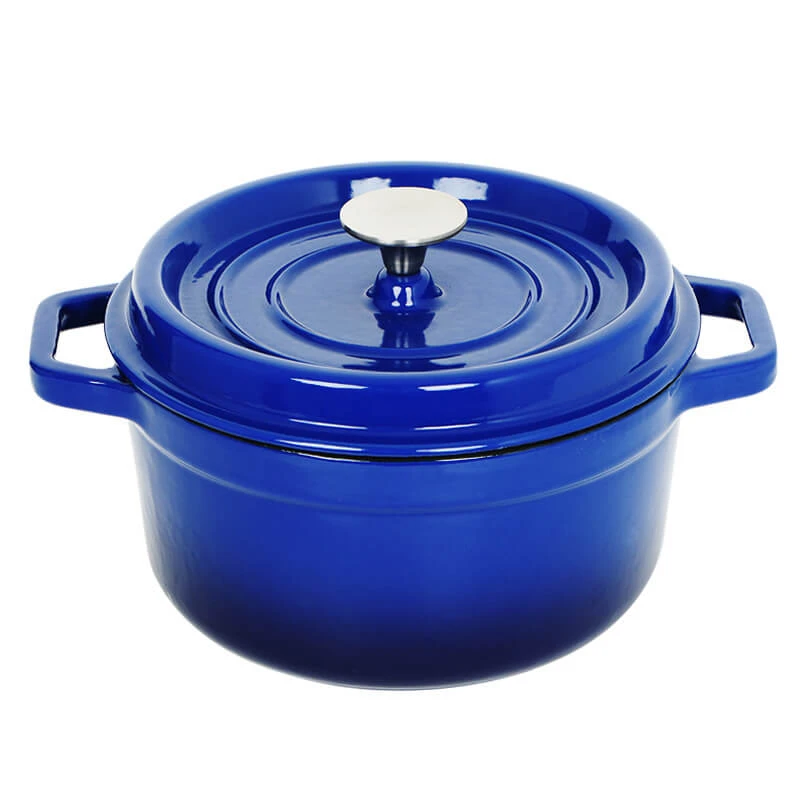
In simple terms, a dutch oven is a heavy, thick-walled cooking pot, traditionally made from cast iron, featuring a tight-fitting lid designed to trap heat and moisture during cooking. While many associate them with simmering stews or baking bread in the oven, these pots are equally at home on open fires or stovetops.
Modern iterations can be enameled (coated with a porcelain glaze), improving ease of cleaning and aesthetics. The lid's snug fit is crucial — it essentially creates a mini pressure-cooker-like environment to evenly cook food over longer periods.
From an industry angle, the dutch oven embodies a blend of traditional metallurgy and modern production techniques, striking a sweet spot between artisan craft and mass manufacturing.
In humanitarian contexts, the durable, multi-use nature of dutch ovens provides a reliable cooking solution in refugee camps and disaster relief zones.
Key Factors That Make a Great Dutch Oven with Lid
1. Material and Durability
Cast iron remains king here because of its superior heat retention and ruggedness — the pot can literally outlive you. Enameled versions add a non-reactive surface and eliminate seasoning hassles but sometimes sacrifice that "true" heat retention slightly.
2. Lid Design & Seal
A heavy lid helps trap moisture and heat. Some lids have spikes or ridges underneath to collect condensed steam and let it drip back onto the food, boosting flavor and avoiding dryness.
3. Size and Shape
Dutch ovens come in sizes ranging from small 2-quart pots for two people, up to 7 quart beasts perfect for families or groups. The shape affects how the heat circulates and the types of recipes you might use it for — deeper pots are great for soups, while wider ones suit braising.
4. Fuel Compatibility
Whether on gas, electric, induction stovetops, or open flame, a dutch oven's versatility in heat source compatibility makes it invaluable worldwide.
5. Maintenance Needs
Cast iron requires seasoning and careful drying to prevent rust, but enameled cast iron is more low maintenance — an important factor for busy households or field conditions.
| Specification | Standard Range | Details |
|---|---|---|
| Material | Cast Iron / Enameled Iron | Heavy gauge for heat retention and durability |
| Capacity | 2 to 7 quarts (approx. 1.9L to 6.6L) | Suitable for small to large groups |
| Lid Type | Tight-fitting, with drip spikes or flat | Enhances moisture retention |
| Weight | 3 to 14 lbs (1.3 to 6.3 kg) | Heavy to maintain heat, requires care handling |
| Heat Source Compatibility | Stove top, oven, campfire | Highly versatile for many cooking methods |
Mini takeaway: Understanding these key factors helps buyers and users choose the right dutch oven to fit their lifestyle and cooking needs.
Real-World Uses of the Dutch Oven with Lid
The dutch oven is more than a kitchen artifact—it’s a functional workhorse globally:
- In rural communities, especially across Africa and South Asia, dutch ovens are prized for fuel efficiency and reliability.
- Outdoor enthusiasts swear by them for camping and backpacking, thanks to their ability to do everything from baking bread to slow-cooking stews over open fire.
- Humanitarian aid groups deploy enameled dutch ovens with lids in refugee camps to provide efficient, low-fuel cooking solutions — boosting health outcomes and preserving resources.
- At home, modern cooks use them for their “set it and forget it” slow cooking, melding flavors beautifully.
An interesting example: In post-disaster relief operations, the durability and simplicity of a dutch oven allow for nutritious group meal preparation without complex infrastructure — sometimes a literal lifesaver.
Advantages That Keep the Dutch Oven Going Strong
Cost-Effectiveness Over Time
Sure, a cast iron dutch oven might have a heftier upfront cost than a flimsy pot, but it pays off because it lasts decades with proper care. That longevity beats repeat replacements.
Sustainability & Environmental Impact
By conserving heat and requiring less fuel, dutch ovens reduce deforestation and emissions compared to open cooking fires, aligning with sustainable development goals.
Reliability & Trust
Users often share stories of dutch ovens inherited through generations. That kind of emotional attachment speaks to trust — a cookware’s true value is in its dependable performance.
Social and Emotional Satisfaction
Cooking slow and steady meals with a dutch oven creates a warm, shared experience. It connects people — families, communities, or even strangers around a campfire.
Looking Ahead: Innovations in Dutch Ovens
Interestingly, new materials such as lightweight ceramics and composite metals aim to replicate dutch oven heat retention without the weight. Also, smart cooking lids embedded with temperature sensors are emerging, blending tradition with tech.
Green energy initiatives see dutch ovens as key players in reducing cooking carbon footprints worldwide. Digital marketplaces also make these pots more accessible globally.
Challenges and How to Overcome Them
One common gripe is the weight — these pots can be a workout just to lift! Manufacturers are experimenting with thinner castings and enameled lighter alloys.
Another challenge is rusting with bare cast iron if neglected. Education around seasoning and maintenance is crucial — thankfully, online communities and how-to videos have made this easier than ever.
| Vendor | Material | Price Range | Global Availability | Notable Feature |
|---|---|---|---|---|
| KitchenWare Co. | Enameled Cast Iron | $70 - $250 | Worldwide | Vibrant color options |
| Heritage Cast | Cast Iron (non-enameled) | $40 - $120 | North America, Europe | Traditional craftsmanship |
| GlobalAid Supplies | Lightweight alloy composite | $60 - $180 | Targeted to relief agencies | Designed for field durability & weight |
FAQ: Everything You Want to Know About Dutch Ovens with Lids
Q1: What makes a dutch oven with lid different from other cooking pots?
A1: It’s the combination of heavy-duty cast iron material and the tight-fitting lid that creates an efficient, sealed cooking environment. This design ensures even heat distribution and traps moisture, making meals tender and flavorful.
Q2: Can I use a dutch oven with lid on any heat source?
A2: Most dutch ovens work well on gas, electric, induction stovetops, ovens, and even open fires. However, you should check manufacturer recommendations especially for enameled versions on induction ranges.
Q3: How should I care for a cast iron dutch oven?
A3: Seasoning the pot regularly by coating it with oil and heating prevents rust. Avoid soap when cleaning bare cast iron, and dry immediately. Enameled versions are easier but should be handled carefully to avoid chips.
Q4: Is the dutch oven with lid eco-friendly?
A4: Yes. Its efficient heat retention reduces fuel consumption, and its long lifespan means less waste. This aligns well with environmental sustainability goals.
Q5: Where can I buy a high-quality dutch oven with lid?
A5: Reputable cookware retailers offer a variety of brands. For tailored advice and selection, check out resources and products at dutch oven with lid.
Conclusion
The dutch oven with lid is more than just a pot. It’s a kitchen legacy, a sustainable cooking solution, and a symbol of reliable craftsmanship that traverses cultures and time. Whether you’re an adventurous camper, a home chef, or part of a global aid team, investing in a dutch oven pays off both practically and emotionally. Why not explore the possibilities and check out a selection yourself? After all, a great meal is just a pot away.
Visit our website here to discover your next dutch oven with lid.
References & Notes
-
Antique Cast Iron Camp Oven: Durable Outdoor Cookware for Professionals | ZD CookwareNewsJan.06,2026
-
Durable 4 Quart Camping Pot for Professional Use | ZD CookwareNewsJan.06,2026
-
Durable Campfire Cast Iron Pot for Outdoor & Industrial UseNewsJan.06,2026
-
Cast Iron Griddle for Camp Stove – Durable Outdoor Cooking EssentialNewsJan.06,2026
-
Dutch Oven Cast Iron Camping – Durable Outdoor Cooking GearNewsJan.05,2026
-
Durable and Efficient Cast Iron Camping Griddle for B2B Professionals | ZD CookwareNewsJan.05,2026