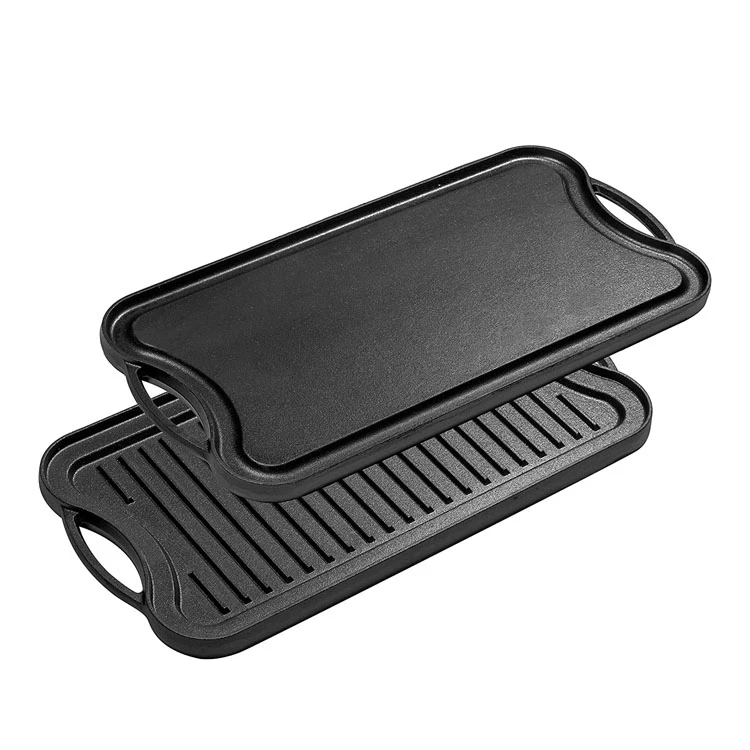
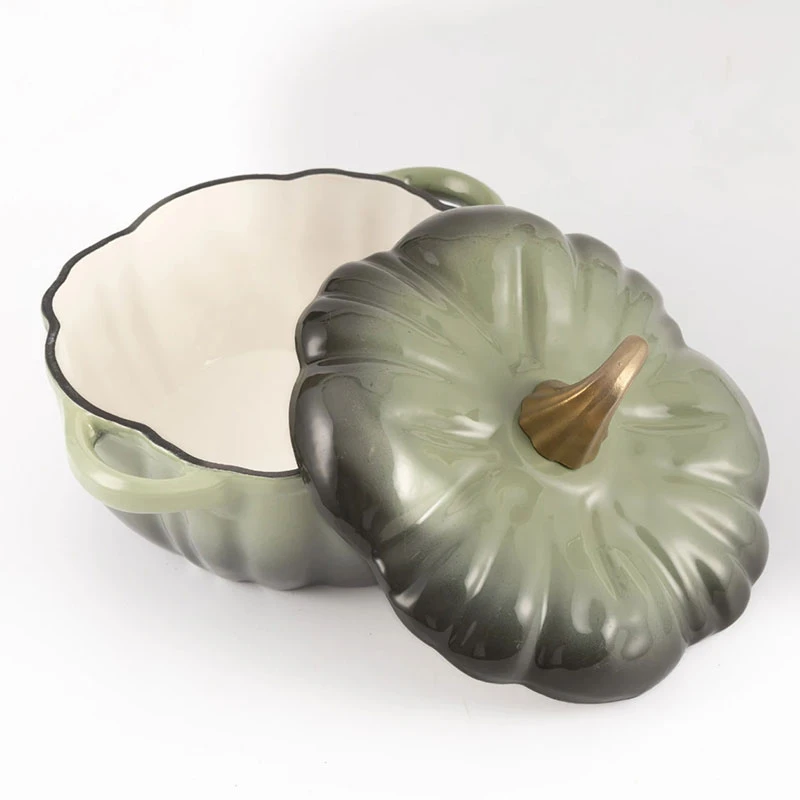
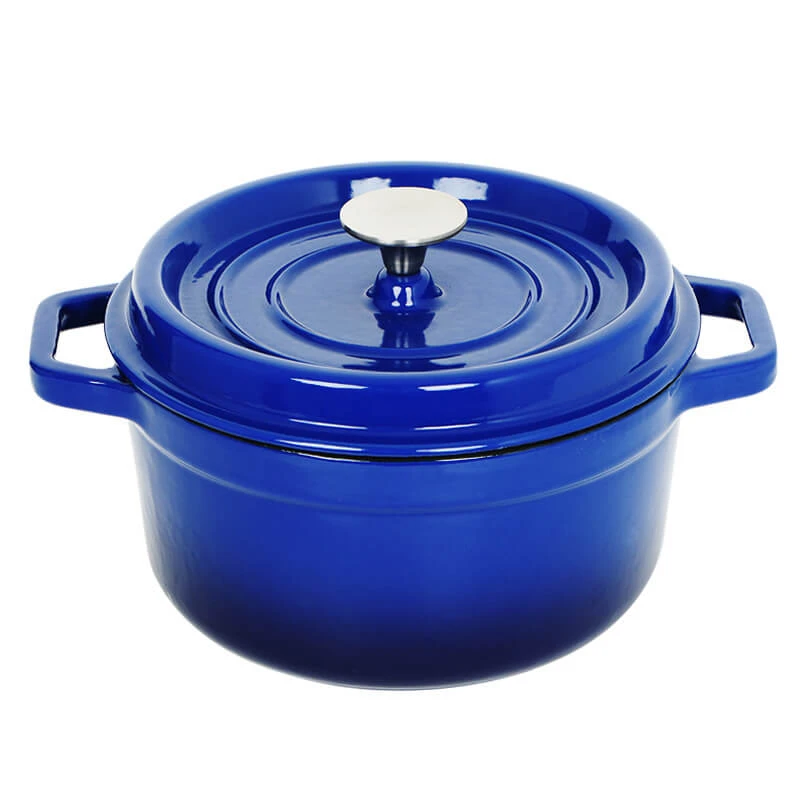
The Ultimate Guide to Iron Dutch Ovens: Durability, Sustainability, & Global Use
The Unsung Hero of Kitchens Worldwide: The Iron Dutch Oven
If you’ve ever paused long enough in a kitchen supply store or watched a cooking show, you might have seen a iron dutch oven tucked quietly in the background—an unpretentious cast-iron pot with a heavy lid and the kind of versatility that makes it a staple in countless households. But the significance of this tool goes beyond its charming rustic appearance; in global terms, the iron dutch oven represents an enduring fusion of durability, energy efficiency, and a heritage of food culture that transcends borders. For chefs, campers, and even humanitarian aid workers, understanding this humble kitchenworkhorse unlocks benefits ranging from sustainable cooking to cost savings and reliable meal preparation in challenging conditions.
So, why does the iron dutch oven still matter in an age of sleek non-stick pans and instant cooking gadgets? Because when you dig a little, it’s a quiet champion of efficiency and tradition, still playing its role in kitchens, industries, and even emergency response scenarios worldwide.
Why the Iron Dutch Oven Has Global Relevance
The market for cookware is huge—projected to exceed USD 19 billion by 2026 according to Statista—but what's fascinating is how iron dutch ovens have maintained a strong niche despite all the modern alternatives. The United Nations has emphasized sustainable cooking solutions as part of global health and environmental goals, especially in regions where fuel access is limited and waste reduction critical.
Iron dutch ovens, being excellent at retaining heat and lending themselves to low-energy cooking, help address vital challenges such as reducing fuel consumption and carbon emissions. In certain rural and disaster-affected areas, their robustness means they survive rough handling and long-term use much better than flimsy alternatives, improving food security and quality of life. That’s no small feat in a big world where millions depend on reliable cookware.
What Exactly Is an Iron Dutch Oven?
Simply put, an iron dutch oven is a heavy-duty, usually cast-iron pot with thick walls, a tightly fitting lid, and a design meant to hold and evenly distribute heat. It was originally developed in the Netherlands centuries ago but quickly spread worldwide due to its unmatched versatility.
Today, it’s a bridge between tradition and modern needs—not just beloved by home cooks for braising, roasting, and baking, but also valued in commercial kitchens and field cooking in industries like forestry, military, and humanitarian aid. The material's longevity aligns well with eco-conscious values, making it a core part of discussions on sustainable cookware.
Core Features and What Makes Iron Dutch Ovens Special
Durability: Built To Last Generations
Cast iron is legendary for its toughness. With proper seasoning and care, iron dutch ovens can become family heirlooms. In industrial or humanitarian contexts, this robustness means less frequent replacement and lower lifetime cost.
Heat Retention and Distribution
The thick iron walls hold heat evenly and for a long time—ideal for slow cooking and minimizing energy use, especially in places where fuel is expensive or scarce.
Multi-Surface Compatibility
Thanks to its heat tolerance, it can be used on induction, gas, electric cooktops, in ovens, on open flames—even campfires—making it incredibly versatile.
Maintenance and Seasoning
Unlike many modern pans, iron dutch ovens require seasoning to develop a natural non-stick layer. Some find this a bit of a ritual that deepens appreciation for the pot.
Eco-Friendliness
Its long lifespan reduces waste, and its energy efficiency ties into broader sustainability efforts.
Cost Efficiency
While the upfront price is higher than cheap aluminum pots, the return on investment over years makes iron dutch ovens cost-effective over time.
Common Specifications of a Modern Iron Dutch Oven
| Feature | Details |
|---|---|
| Material | Cast Iron (enameled or traditional) |
| Capacity | 4 to 7 quarts (3.8 to 6.6 liters) |
| Weight | Typically 8 to 12 lbs (3.6 to 5.5 kg) |
| Heat Source Compatibility | Gas, electric, induction, oven, campfire |
| Maintenance | Regular seasoning recommended for traditional cast iron |
Which Brands Make the Cut? A Vendor Comparison
| Brand | Material Type | Price Range | Notable Features |
|---|---|---|---|
| Lodge | Traditional Cast Iron | $40 - $120 | Affordable, American-made, pre-seasoned |
| Le Creuset | Enameled Cast Iron | $250 - $450 | High-end, vibrant colors, dishwasher safe |
| Staub | Enameled Cast Iron | $250 - $400 | Matte black enamel, self-basting lids |
Where the Iron Dutch Oven Shines Around the World
Some regions rely on iron dutch ovens not as a luxury but a necessity. For example:
- Africa and South Asia: In rural communities, the oven helps reduce fuelwood consumption—important for deforestation and health.
- Refugee Camps and Disaster Zones: In post-disaster relief operations, robust cookware like iron dutch ovens supports communal meal preparation with minimal replacement.
- Camping and Outdoor Industries: In North America and Europe, outdoor enthusiasts prize the oven for cooking hearty, slow meals over open fire.
Even in advanced commercial kitchens, many chefs trust their iron dutch ovens for consistently precise heat control and that homey “old-fashioned” flavor that modern pots rarely replicate.
Advantages & The Long-Haul Value of Iron Dutch Ovens
Why do so many swear by this old-school cookware? For starters, it’s about trust and reliability. Iron dutch ovens:
- Save money long-term by being virtually indestructible.
- Promote healthier cooking; the even heat and natural seasoning reduce the need for excess fats or oils.
- Support sustainability by reducing fuel use and waste.
- Feel comforting and familiar, bringing generations together with food traditions.
Emotionally, having an iron dutch oven is like owning a piece of culinary heritage. Logically, it translates to fewer replacements, less waste, and better meals.
Looking Ahead: Innovations and Trends in Iron Dutch Oven Use
Interestingly, while the design has remained largely unchanged for centuries, a few trends deserve mention:
- Eco-conscious production: Brands are emphasizing recycled materials and greener manufacturing processes.
- Digital integration: Smart cookware with embedded thermometers and app-based cooking guides are emerging, though not yet mainstream.
- Hybrid materials: Some prototypes blend iron with ceramics or coatings to reduce maintenance.
- Community-focused distribution: NGOs are partnering with manufacturers to place iron dutch ovens in food insecure regions as part of sustainable development goals.
Challenges and Practical Solutions
Iron dutch ovens aren’t without their quirks. Most users face issues like:
- Weight: Their heft can be a drawback for some, but lightweight alloys haven’t quite matched iron’s heat qualities yet.
- Maintenance: Seasoning requirements can intimidate beginners, though enameled versions skip this step.
- Initial Cost: Though cost-effective in the long run, the upfront price can seem high for some budgets.
Experts suggest proper education on use and care to overcome hurdles and recommend starting with pre-seasoned or enameled models for newcomers.
Frequently Asked Questions About Iron Dutch Oven
Q1: What makes an iron dutch oven better than stainless steel cookware?
A1: Iron dutch ovens excel at heat retention and even cooking, which stainless steel often struggles with, especially for slow-cooked, braised dishes. Plus, they create a natural non-stick surface when properly seasoned, unlike stainless steel which can require more oil and careful temperature control.
Q2: How long does a traditional iron dutch oven last?
A2: With proper care, a traditional cast iron dutch oven can last multiple generations—50 years or more isn’t unusual. It's common to find iron pots in use that are over a century old. The key is maintaining the seasoning and preventing rust.
Q3: Is an enameled iron dutch oven easier to maintain?
A3: Definitely. Enameled pots don’t require seasoning and are easier to clean, but they tend to be heavier and prone to chipping, which can affect durability if handled roughly.
Q4: Can I use an iron dutch oven on an induction cooktop?
A4: Yes! Cast iron’s ferromagnetic nature makes iron dutch ovens fully compatible with induction cooking sources, making them versatile for modern kitchens.
Q5: How do NGOs distribute iron dutch ovens internationally?
A5: NGOs usually partner with manufacturers for bulk purchasing and handle customs/import through relief-focused channels, ensuring that sustainable cookware reaches remote or disaster-affected areas as part of nutrition and development programs.
Wrapping It Up: Why the Iron Dutch Oven Still Matters
To sum it all up, the iron dutch oven is a remarkable example of a product that timelessly combines tradition with tangible modern benefits. Whether you’re a chef, an outdoor adventurer, or part of a relief operation, this piece of cookware delivers in reliability, sustainability, and performance. Next time you cook with one, you’re not just stirring food—you’re stirring history, community, and a better future.
Curious to explore more about iron dutch ovens? Check out our website for the latest models, tips, and stories from the field. Happy cooking!
References & Further Reading
-
Antique Cast Iron Camp Oven: Durable Outdoor Cookware for Professionals | ZD CookwareNewsJan.06,2026
-
Durable 4 Quart Camping Pot for Professional Use | ZD CookwareNewsJan.06,2026
-
Durable Campfire Cast Iron Pot for Outdoor & Industrial UseNewsJan.06,2026
-
Cast Iron Griddle for Camp Stove – Durable Outdoor Cooking EssentialNewsJan.06,2026
-
Dutch Oven Cast Iron Camping – Durable Outdoor Cooking GearNewsJan.05,2026
-
Durable and Efficient Cast Iron Camping Griddle for B2B Professionals | ZD CookwareNewsJan.05,2026