Durable and Versatile Cast Iron Camp Oven | Global Outdoor & Relief Cooking Solutions
Exploring the Cast Iron Camp Oven: A Global Essential
When you think about outdoor cooking, few tools are as iconic or as enduring as the cast iron camp oven. But beyond the rustic charm lies a product with real international importance—used for everything from remote expeditions to humanitarian efforts. These ovens aren't just about making a stew over a campfire; they link centuries-old craftsmanship with modern-day resilience, sustainability, and practical problem solving.
Understanding the cast iron camp oven matters globally because it offers a reliable, energy-efficient solution for cooking in conditions where conventional kitchens don't exist. Whether it's in the wild, a temporary refugee camp, or a humanitarian aid post-disaster zone, these ovens bring warmth and nourishment when it's needed most.
Mini takeaway: The cast iron camp oven is more than a cooking tool—it's a practical lifeline that meets critical global needs through durability and versatility.
Setting the Stage: The Global Importance of Cast Iron Camp Ovens
According to recent data from the United Nations and the World Health Organization, millions live in regions where infrastructure is minimal or compromised by conflict and environmental disasters. The need for reliable cooking equipment is vital, both for day-to-day life and large-scale relief scenarios.
Cast iron camp ovens provide an especially relevant solution because they work efficiently on open flames or coals, require minimal fuel, and last for decades. The cast iron camp oven tackles the challenges of inconsistent electricity, fuel shortages, and fragile supply chains common in many global hotspots.
Frankly, while electric or gas stoves get all the tech buzz, the humble cast iron cookware remains unrivaled in many outdoor and emergency situations.
What Exactly is a Cast Iron Camp Oven?
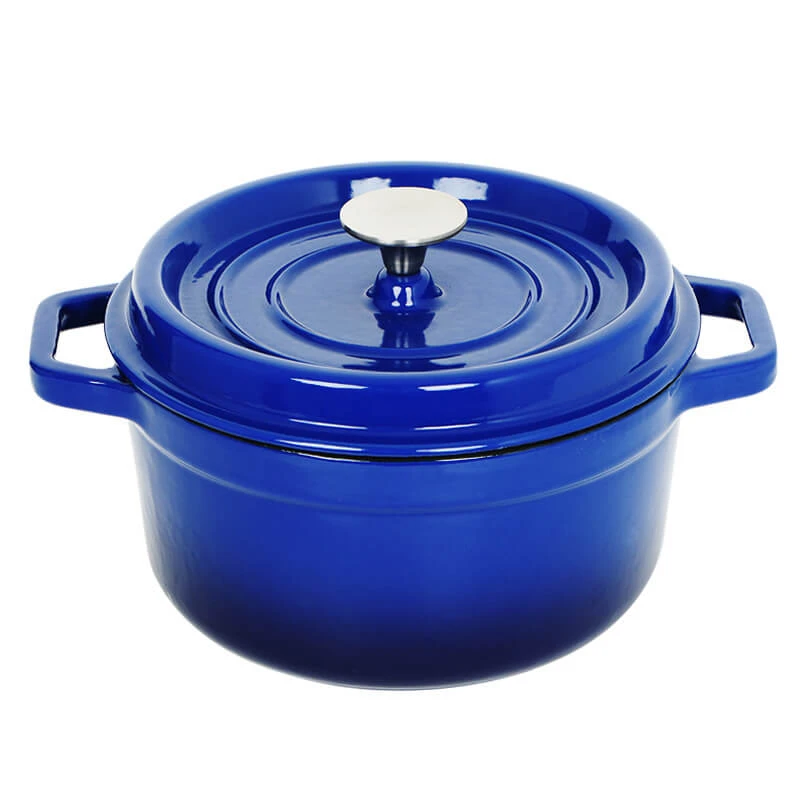
In simple terms, a cast iron camp oven is a heavy, thick-walled pot with a tight-fitting lid, designed for use over open fires or coals. Think of it as a Dutch oven's rugged sibling, built for outdoor endurance. Cast iron’s natural heat retention and even cooking qualities mean you can bake, stew, roast, and fry—all outside a conventional kitchen.
Modern industries and humanitarian groups rely on these ovens because they combine traditional cookware design with durability and reusability. Many agencies include cast iron camp ovens as part of their emergency kits since they’re easy to use even for untrained personnel and require no fancy tech.
Core Components and Factors That Define Cast Iron Camp Ovens
1. Durability
Cast iron is synonymous with longevity. These ovens, when properly cared for, can last a lifetime—and frankly, many generations. This durability means less waste and frequent replacement, which ties into sustainability goals.
2. Heat Retention and Distribution
The dense nature of cast iron ensures even heat distribution, preventing hot spots during cooking. This makes recipes from stews to baked bread remarkably consistent, even in the variable temperatures of outdoor cooking.
3. Portability
True, cast iron is heavy, but camp ovens are designed with handles and lids that double as skillets, enhancing their usability in the field. Portability also means quick setup during field operations or recreational camping.
4. Energy Efficiency
With cast iron’s excellent heat retention, you can cook longer with less fuel. This efficiency can be crucial where fuel is scarce or expensive.
5. Versatility
The camp oven doubles as a stove, baking dish, frying pan, or even a stew pot—offering multiple cooking methods in one.
6. Maintenance and Longevity
Cast iron needs seasoning to keep a natural non-stick surface and prevent rust—a small act that significantly extends durability. NGOs often provide instructions to ensure cookware serves communities for years, not months.
Mini takeaway: These factors underline why the cast iron camp oven remains a preferred choice globally—it’s practical, versatile, and built to last.
Global Uses: Real-World Applications of Cast Iron Camp Ovens
It's fascinating to see how these ovens travel across continents. In sub-Saharan Africa, they’re often used in rural homes without electricity, providing a dependable cooking tool. In Australian outback expeditions, they hold up to harsh environments where other pots fail.
In humanitarian contexts, NGOs like the Red Cross and Médecins Sans Frontières include cast iron camp oven kits in their relief packages. For instance, after natural disasters like earthquakes or floods where homes and utilities are destroyed, these ovens support camp kitchens and emergency food distribution.
Even in remote industrial zones, where workers spend weeks or months isolated, cast iron camp ovens yield hot, nutritious meals without complex tech.
Mini takeaway: From rural households to relief camps, the cast iron camp oven adapts brilliantly to a spectrum of demanding environments.
Advantages That Make the Cast Iron Camp Oven a Long-Term Investment
- Cost-effectiveness: Though initially heavier and sometimes pricier, their long life reduces long-term costs.
- Sustainability: Minimal replacement waste plus use of wood or charcoal reduces fossil fuel dependence.
- Emotional reassurance: Cooking a warm meal over an open flame imparts comfort and dignity, especially in emergency or displacement settings.
- Reliability: No need for electricity or gas. If you have fire or hot coals, you have cooking power.
Many users describe these ovens not just as equipment but as a dependable companion in otherwise uncertain environments.
Spec Sheet: Typical Cast Iron Camp Oven Model
| Feature | Specification | Notes |
|---|---|---|
| Material | Cast iron (seasoned) | Hand-prepared for rust resistance |
| Weight | 4.1 - 5.0 kg | Varies by size/model |
| Capacity | 4 - 8 quarts (3.8 to 7.6 L) | Common sizes for family groups |
| Lid style | Flat with deep lip for coals | Enables baking ring of heat |
| Handles | Steel bail handle + lid hook | For easy carrying and lifting lid |
| Cooking methods | Bake, roast, stew, fry | Multipurpose camp cooking |
Comparing Top Vendors of Cast Iron Camp Ovens
| Vendor | Price Range | Weight | Unique Features | Ideal Use |
|---|---|---|---|---|
| Lodge | $60 - $120 | 4.5 kg | Pre-seasoned, handled lids | Camping, casual outdoor |
| Camp Chef | $90 - $150 | 5.0 kg | Cast iron + steel lid, patent design | Expedition, survival use |
| Petromax | $120 - $180 | 4.2 kg | Traditional German craftsmanship | Professional & heavy use |
| Uniflame | $40 - $90 | 3.8 kg | Budget-friendly, basic finish | Entry-level, casual |
Looking Ahead: Trends and Innovations in Cast Iron Cooking
You might think cast iron is stuck in time, but there’s plenty happening—both in manufacturing and usage. Innovations focus on lighter alloys that preserve heat but reduce weight. Some manufacturers experiment with enameling for easier cleaning and rust prevention. There’s also growing interest in environmentally friendly manufacturing processes that reduce emissions.
Digitally connected camp ovens? Maybe not yet, but integrating smart temperature sensors for extreme environments isn’t out of the question in the near future. Green energy is also influencing fuel choices: biochar and sustainably harvested wood fuels complement the traditional charcoal setups.
Common Challenges and How They’re Being Tackled
Despite their benefits, cast iron camp ovens face a few hurdles: heavy weight, risk of rust, and the learning curve of seasoning. These can be barriers, especially for less experienced users or vulnerable populations.
Manufacturers are responding with lighter design tweaks, pre-seasoned surfaces, and detailed user guides. Some NGOs distribute seasoning kits and conduct training to encourage long-term use. Plus, innovative coatings aim to reduce maintenance, broadening appeal to newer users.
FAQ: Your Cast Iron Camp Oven Questions Answered
- Q1: How long does a cast iron camp oven typically last?
- A cast iron camp oven, if well cared for and regularly seasoned, can easily last decades—some users have reported 50 years or more. Its durability is one of its key selling points, especially for emergency preparedness kits.
- Q2: Can I use a cast iron camp oven on any type of fire?
- Yes, cast iron camp ovens work well on open fires, wood coals, charcoal, and even gas stovetops. Just avoid rapid temperature changes to prevent cracking.
- Q3: What maintenance does a cast iron camp oven need?
- After use, clean with warm water (no detergent), dry immediately, then apply a light coat of oil to prevent rust. Occasionally re-seasoning helps maintain the non-stick surface and durability.
- Q4: Are cast iron camp ovens environmentally friendly?
- Absolutely. They are reusable for decades, require minimal fuel, and produce no plastic waste. When paired with sustainably sourced fuels, they align well with green cooking practices.
- Q5: Where can I buy reliable cast iron camp ovens suitable for professional or humanitarian use?
- Vendors like Lodge, Camp Chef, and Petromax are known for quality. Specialized suppliers often offer bulk or ruggedized models used by aid organizations. Visit our website for a trusted selection.
Wrapping Up: Why the Cast Iron Camp Oven Still Shines
The cast iron camp oven, a time-tested piece of cookware, is far from obsolete. It’s a piece of practical history—balancing craftsmanship, sustainability, and adaptability to meet global cooking needs where modern conveniences are scarce. For outdoor enthusiasts, humanitarian aid workers, or anyone depending on fire-based cooking, it offers trusted reliability and hearty results.
Want to equip your next adventure or relief mission with durable cookware built for tough environments? Visit https://www.zdcookware.com and explore our range of cast iron camp ovens designed for all needs.
References:
-
Antique Cast Iron Camp Oven: Durable Outdoor Cookware for Professionals | ZD CookwareNewsJan.06,2026
-
Durable 4 Quart Camping Pot for Professional Use | ZD CookwareNewsJan.06,2026
-
Durable Campfire Cast Iron Pot for Outdoor & Industrial UseNewsJan.06,2026
-
Cast Iron Griddle for Camp Stove – Durable Outdoor Cooking EssentialNewsJan.06,2026
-
Dutch Oven Cast Iron Camping – Durable Outdoor Cooking GearNewsJan.05,2026
-
Durable and Efficient Cast Iron Camping Griddle for B2B Professionals | ZD CookwareNewsJan.05,2026