The Ultimate Guide to Choosing an Extra Large Dutch Oven for Any Kitchen
What’s the Big Deal About an Extra Large Dutch Oven?
You might be wondering—why focus on an extra large Dutch oven of all things? Well, it’s more than just a kitchen staple. Globally, these mighty pots serve beyond simple meal prep: they tackle feeding large families, community gatherings, and even emergency relief cooking where conventional kitchen setups fall short. Understanding their design and benefits can unlock smarter choices for commercial kitchens, outdoor enthusiasts, and humanitarian groups alike.
Setting the Scene: Global Importance of Cooking in Bulk
According to the Food and Agriculture Organization (FAO), feeding an increasing global population efficiently is becoming a more urgent challenge. Bulk cooking vessels like extra large Dutch ovens empower communities, particularly in areas where electricity or gas is inconsistent. In disaster relief, these ovens can prepare nutritious meals at scale, reducing food waste and cooking times. Oddly enough, while the world races toward high-tech kitchen gadgets, the basic extra large Dutch oven remains a cornerstone in many cultures—for good reason.
At the same time, with rising interest in sustainable cooking and reducing single-use containers, these ovens bring both tradition and practicality to the table.
Mini Takeaway: The extra large Dutch oven isn’t just about size—it addresses massive needs in food security, sustainability, and community resilience.
Defining the Extra Large Dutch Oven
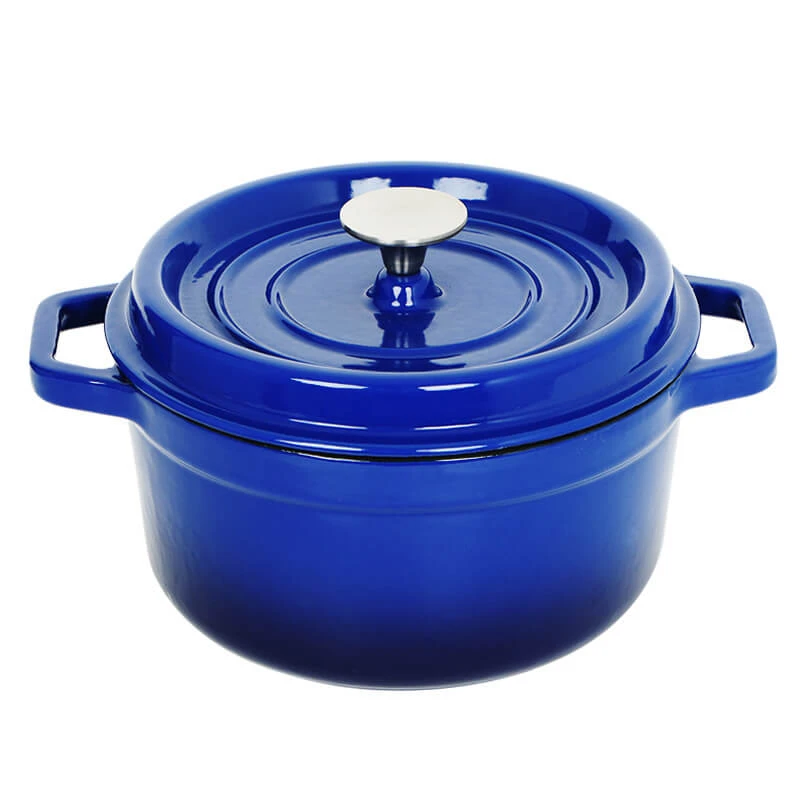
Simply put, an extra large Dutch oven is a heavy-duty cooking pot with a tight-fitting lid, typically made from cast iron or enameled steel, designed to cook large quantities of food slowly and evenly over heat.
“Extra large” refers to capacities typically over 7 quarts (around 6.6 liters), sometimes reaching 12 quarts or more. Their robust construction and versatility make them invaluable in commercial kitchens, campsites, and even humanitarian kitchens in remote locations.
In modern applications, their ability to retain and distribute heat evenly ties neatly into demands for controlled cooking in environments lacking sophisticated appliances.
Mini Takeaway: Extra large Dutch ovens blend traditional craftsmanship with broad utility, offering scalability and reliability where it’s most needed.
Core Components That Make a Difference
Durability
Cast iron, often the base material, lasts generations if properly cared for. Many chefs swear by how these pots survive heavy use without warping or cracking. Enameled versions add a non-reactive surface that’s easier to clean and maintain.
Heat Retention & Distribution
Thanks to their thick walls and mass, these ovens maintain a consistent temperature—crucial for slow-cooked meals like stews or braises where even heat means better flavor and texture.
Capacity & Shape
The large volume supports batch cooking, often feeding 10 to 20 people at once. Their round shape encourages convection currents inside the pot, cooking food more uniformly than shallow pans.
Portability & Versatility
While bulky, some models come with sturdy handles making them suitable for open-fire cooking or ovens. This versatility stretches across home, commercial, and field use.
Ease of Maintenance
Enamel coatings resist rust and simplify cleanup, critical in busy kitchens where time is short. Still, traditional cast iron lovers treasure seasoning rituals that improve performance over time.
| Specification | Typical Value |
|---|---|
| Capacity | 8 to 12 quarts (7.6 to 11.4 liters) |
| Material | Cast Iron or Enameled Cast Iron |
| Weight | 10–15 lbs (4.5–6.8 kg) depending on size and material |
| Lid Type | Tight-fitting, often with self-basting features |
| Compatible Heat Sources | Oven, stovetop, campfire, induction (if enameled) |
Real World Applications: Where and How They’re Used
The extra large Dutch oven shines wherever large-scale cooking meets tough conditions:
- Disaster Relief Camps: NGOs and aid workers use these ovens to prepare nourishing hot meals for displaced populations quickly and safely.
- Commercial Kitchens: Restaurants hosting big family-style meals or events find them invaluable for cooking large portions with consistent quality.
- Camping and Outdoor Adventures: Hunters and campers appreciate their ruggedness, as these pots can go straight onto coals or open flames.
- Institutional Settings: Schools, community centers, and places where large communal meals are served rely on their balanced heat and capacity.
- Remote Worksites: Mining camps and remote construction sites benefiting where kitchen facilities are limited but feeding many is essential.
One memorable example comes from Southeast Asia post-typhoon relief efforts, where local volunteers paired extra large Dutch ovens with communal cooking shifts to feed more than a thousand people daily. It was a logistics puzzle and these ovens turned out to be unsung heroes.
Mini Takeaway: From emergency kitchens to festive family dinners, the extra large Dutch oven adapts to needs spanning continents and contexts.
Why Invest in an Extra Large Dutch Oven Now?
There are striking benefits that make this more than just a “nice-to-have”:
- Cost-effective Cooking: Batch cooking reduces fuel and labor costs.
- Sustainability: Durable materials reduce waste, and slow cooking often uses less energy overall.
- Reliability: Inconvenient power outages or scarce cooking options? These ovens work on simple heat sources, no fancy gadgetry needed.
- Social Impact: By facilitating communal cooking, they foster shared experiences and sustenance during hardship.
- Emotional Comfort: The aroma and warmth of a meal made in these pots echo traditions, offering dignity and hope.
Looking Ahead: Innovations and Trends
While the concept may seem timeless, the extra large Dutch oven is evolving:
- Manufacturers are experimenting with lighter, more heat-efficient materials combining cast iron’s virtues with modern tech.
- Enameled versions see color and coating innovations that improve durability and aesthetic appeal.
- Some brands incorporate digital temperature sensors and smartphone connectivity for precision cooking, a definite upgrade for professional kitchens.
- There’s a growing push for environmentally friendly manufacturing processes to align with global sustainability goals (ISO 14001 standards).
Keep an eye out for Dutch ovens compatible with solar cookers or biomass stoves—both increasingly important in remote and off-grid scenarios.
Common Concerns & Practical Solutions
As with any product, there are challenges:
- Weight: At 10+ pounds, these pots aren’t for the faint-hearted or for those seeking ultra-portability. However, detachable handles and ergonomic designs are addressing this.
- Initial Cost: Premium Dutch ovens can be pricey, but they’re investments that last decades—many users find them cheaper per meal over time.
- Seasoning and Care: Cast iron demands maintenance to avoid rust. Fortunately, more types come pre-seasoned or enameled to skip this hurdle.
Experts recommend matching the oven size to your specific use case. Oversizing can become inefficient, so a balanced approach enhances usability and resource consumption.
Expert FAQ: Your Extra Large Dutch Oven Questions Answered
- What makes an extra large Dutch oven better than multiple smaller pots?
- Cooking in one large pot improves heat distribution and minimizes fuel use. It also reduces cleanup and allows flavors to meld beautifully over longer cook times.
- How do I clean and maintain a cast iron extra large Dutch oven?
- After use, clean with warm water and a stiff brush—no soap. Dry thoroughly and apply a thin layer of oil to prevent rust. Enamel-coated versions require gentler cleaning and avoid metal utensils.
- Can I use an extra large Dutch oven on an induction cooktop?
- Most enameled cast iron Dutch ovens work great on induction. Plain cast iron will also function but check the manufacturer’s specs to be sure.
- Is it practical to use these ovens for daily cooking in commercial kitchens?
- Absolutely. They’re ideal for preparing stews, soups, and braising large batches efficiently, often enhancing kitchen workflow and saving costs over time.
- Where can I purchase a reliable extra large Dutch oven?
- Specialty cookware retailers and reputable online vendors offer a range. See our vendor comparison below to find what fits your needs.
| Vendor | Typical Price | Material | Size Options | Notable Feature |
|---|---|---|---|---|
| Lodge | $80–$120 | Pre-seasoned cast iron | 7 to 12 quarts | Affordable, durable |
| Le Creuset | $350–$600 | Enameled cast iron | 5.5 to 13.25 quarts | Color choices, induction compatible |
| Staub | $300–$500 | Enameled cast iron | 7 to 13 quarts | Self-basting lids |
| Camp Chef | $150–$200 | Cast iron | 7 to 9 quarts | Outdoor camping focus |
Final Thoughts: Why Your Kitchen Needs an Extra Large Dutch Oven
In the grand scheme, the humble extra large Dutch oven packs a surprisingly potent punch. Whether you’re feeding a crowd at home, managing a professional kitchen, or coordinating disaster relief meals, its blend of durability, capacity, and reliable heat makes it a real MVP. Investing in one is less about a trendy gadget and more about timeless utility that transcends geography and circumstance.
Why not explore your options? For a solid start, check out models like the extra large dutch oven — a perfect gateway into this rewarding culinary tool.
References:
1. Wikipedia: Dutch Oven
2. Food and Agriculture Organization of the United Nations
3. ISO 14001 Environmental Management
-
Antique Cast Iron Camp Oven: Durable Outdoor Cookware for Professionals | ZD CookwareNewsJan.06,2026
-
Durable 4 Quart Camping Pot for Professional Use | ZD CookwareNewsJan.06,2026
-
Durable Campfire Cast Iron Pot for Outdoor & Industrial UseNewsJan.06,2026
-
Cast Iron Griddle for Camp Stove – Durable Outdoor Cooking EssentialNewsJan.06,2026
-
Dutch Oven Cast Iron Camping – Durable Outdoor Cooking GearNewsJan.05,2026
-
Durable and Efficient Cast Iron Camping Griddle for B2B Professionals | ZD CookwareNewsJan.05,2026