Durable and Sustainable Enameled Cast Iron Pots for Global Kitchens | ZD Cookware
Why the Enameled Cast Iron Pot Still Matters Globally
If you’ve ever wondered why a humble enameled cast iron pot often finds itself passed down generations or prized by chefs and home cooks alike, it’s because this cookware is more than just a pot. It’s a global staple in kitchens big and small, renowned for combining traditional craftsmanship with modern versatility. But beyond its aesthetic and culinary charm, understanding what makes this cookware a staple worldwide helps us appreciate the intersection of material science, sustainability, and cultural heritage.
Frankly, in an era dominated by plastic, Teflon-coated pans, and disposable kitchenware, the enameled cast iron pot stands as a beacon of durability and sustainability, holding significant value not just for cooking but for reducing global waste. Plus, with the pace of urbanization, food safety concerns, and the rising trend of slow cooking, this cookware’s relevance is only growing.
The Global Context: Why Enameled Cast Iron Pots Are Still a Big Deal
According to ISO standards for cookware and global material safety (ISO 10101), cast iron remains among the most robust materials for even heat distribution and retention. The World Bank estimates that nearly 50% of households worldwide still rely on solid cookware, such as cast iron, for daily meals. Now, imagine the difference when you add enamel — that glass-like coating — offering corrosion resistance, easy cleaning, and a splash of color.
In lower-income regions, where replacing cookware frequently is not viable, the long life span of enameled cast iron pots is essential. It addresses common challenges like uneven cooking heat and hygiene issues that tougher, non-coated cast iron may present.
What Exactly Is an Enameled Cast Iron Pot?
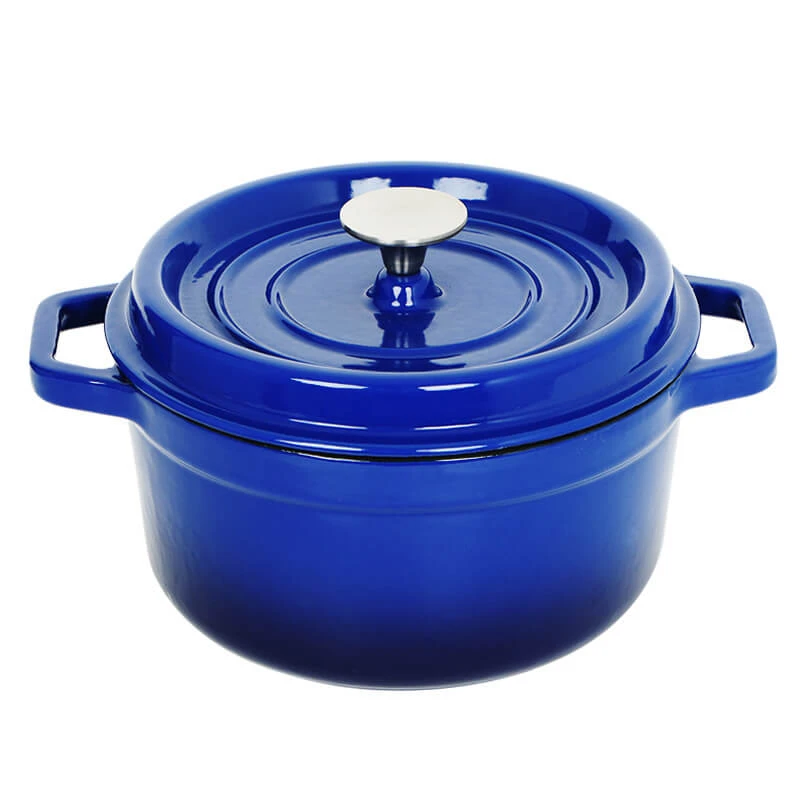
Simply put, think of a cast iron pot, which is heavy and renowned for its heat retention, covered inside and outside by a smooth enamel coating. This enamel is basically a ceramic glass fused to the metal at very high temperatures, creating a hard, protective layer that prevents rust and improves non-reactivity with acidic ingredients. So if you’ve ever worried about metallic taste or seasoning upkeep, enamel solves that.
Interestingly, the fusion of these materials links to industrial advances made in the late 19th century but has evolved to meet today’s design and health expectations — making it a practical solution for everything from rustic kitchens to modern humanitarian aid kitchens.
Durability: Built to Last, the Heavyweight Champion
When you pick up an enameled cast iron pot, you feel that weight — that’s not just physical heft, but durability. Unlike aluminum or stainless steel, these pots tolerate high temperatures and avoid warping. The enamel prevents rust and scratches, meaning these pots often outlive the user.
Heat Retention and Even Cooking
One reason chefs swear by them is their capacity to retain and spread heat evenly. Whether simmering a stew for hours or baking bread, the results are predictable and deeply satisfying.
Low Maintenance & Hygienic Surface
The glassy enamel surface resists sticking and prevents iron from leaching into food. It also handles acidic and alkaline foods gracefully, making it more hygienic than bare cast iron. From a safety perspective, this means fewer contaminants in everyday cooking.
Aesthetic Value and Versatility
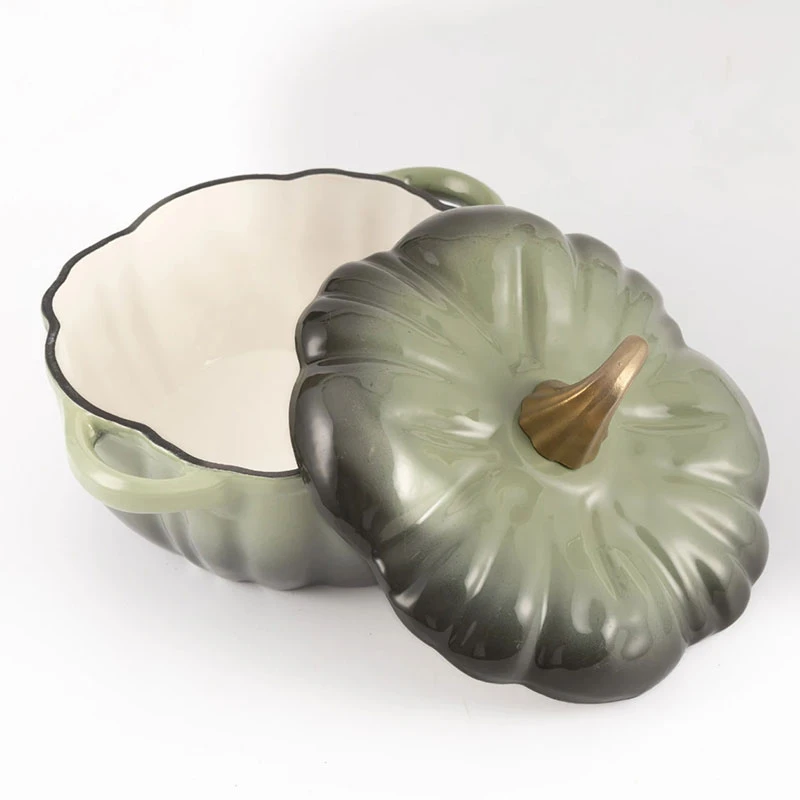
Colors and shapes vary widely nowadays, making these pots as decorative as they are functional. Oddly enough, the pots double as serving platters in some cultures, turning the kitchen from strictly utilitarian to a source of pride and culture.
Mini takeaway: The enameled cast iron pot combines timeless durability, kitchen safety, and culinary performance in a single vessel that speaks both the language of tradition and modern practicality.
Real-World Applications: Beyond the Home Kitchen
In many rural areas of Asia, Africa, and Latin America, long-lasting cookware like enameled cast iron pots help reduce fuel consumption by holding heat longer. NGOs working in disaster relief find these pots invaluable for communal kitchens that need reliable, sturdy cookware able to feed hundreds daily.
Plus, the cookware’s resistance to corrosion means it survives transport and rough handling in remote industrial zones or refugee camps, where resources are limited, and replacement often impossible.
Advantages That Stand the Test of Time
- Cost Efficiency: Though initially pricier, these pots pay back with decades of service.
- Sustainability: Unlike disposable pans, they reduce waste and lower the carbon footprint of manufacturing.
- Safety & Trust: No toxic coatings; infection control in community kitchens becomes easier.
- Social Impact: Their use in humanitarian projects boosts dignity and stable cooking environments.
Honestly, for those who cook every day, the emotional comfort of a dependable pot can’t be overstated. It’s a companion in the kitchen, reliable through the buildup of family life and countless meals...
Future Trends: What’s Next for the Enameled Cast Iron Pot?
With sustainability on everyone's minds, manufacturers are exploring eco-friendly enamel coatings that reduce emissions during production. Digital fabrication techniques and 3D printing ideas to tailor shapes or designs to exact cooking needs feel tantalizingly close.
Additionally, the blend of traditional cast iron with recycled metals and greener enamel finishes offers hope for a lower environmental footprint without sacrificing performance. Even automation in the enamel finishing process is improving consistency and reducing waste.
Challenges & How Experts Are Tackling Them
One downside, of course, is weight—these pots are heavy, which can be a burden, especially in crowded or limited kitchens. Another is the risk of chipping enamel if mishandled. Industry experts suggest improved enamel formulas to boost chip resistance and ergonomic designs to ease handling.
Plus, education campaigns about proper care help maximize lifespan, preserving investment and minimizing waste. It’s about combining user knowledge with better product design.
Frequently Asked Questions about Enameled Cast Iron Pots
- Are enameled cast iron pots safe for use on induction cooktops?
- Yes, because the pot is made of cast iron which is magnetic, it works great on induction cooktops. The enamel coating does not interfere with the induction heating process.
- Can I put an enameled cast iron pot in the dishwasher?
- While some manufacturers claim dishwasher safety, hand washing is recommended to preserve the enamel’s finish and prevent chipping over time.
- How do I avoid cracking or chipping the enamel?
- Avoid sudden temperature changes (like putting a hot pot in cold water), and use non-metal utensils when cooking to maintain the enamel layer.
- Is it true that enameled pots don’t require seasoning like traditional cast iron?
- Exactly! The enamel acts as a non-stick surface, so no seasoning is needed. This makes maintenance easier for most users.
- Are there environmentally friendly options for enameled cast iron cookware?
- Yes, some brands now use recycled cast iron and low-emission enamel coatings. Brands committed to sustainability are worth researching.
Product Specification Table: Example Enameled Cast Iron Pot
| Specification | Details |
|---|---|
| Material | Cast Iron with Enamel Coating |
| Capacity | 5 quarts (4.7 liters) |
| Weight | 8.5 lbs (3.9 kg) |
| Oven Safe Temperature | Up to 500°F (260°C) |
| Dishwasher Safe | Not Recommended |
| Available Colors | Red, Blue, Cream, Green |
Vendor Comparison Table: Popular Enameled Cast Iron Pot Brands
| Brand | Price Range | Key Features | Warranty |
|---|---|---|---|
| Zephyr Cookware | $120 - $200 | Eco-friendly enamel, lightweight design, vibrant colors | Limited Lifetime |
| Luxe Iron Co. | $150 - $250 | Premium porcelain enamel, chip-resistant, heavy gauge | 10 years |
| Heritage Pots | $100 - $180 | Traditional craftsmanship, classic colors, oven safe | 5 years |
Wrapping it Up: Why Choose an Enameled Cast Iron Pot?
So, in sum, the enameled cast iron pot isn’t just cookware. It’s a story of enduring materials meeting design that’s cared about, producing benefits that ripple across cooking traditions, sustainability efforts, and economies worldwide. Whether you’re in a bustling urban kitchen or an NGO feeding refugees, these pots deliver reliability and dignity.
Next time you pick one up, think about all the engineering, artistry, and global impact wrapped into that heavy, colorful vessel. It’s quite something.
If you want to explore some of the best options or learn more, don’t hesitate to visit our website: https://www.zdcookware.com
References & Further Reading
-
Antique Cast Iron Camp Oven: Durable Outdoor Cookware for Professionals | ZD CookwareNewsJan.06,2026
-
Durable 4 Quart Camping Pot for Professional Use | ZD CookwareNewsJan.06,2026
-
Durable Campfire Cast Iron Pot for Outdoor & Industrial UseNewsJan.06,2026
-
Cast Iron Griddle for Camp Stove – Durable Outdoor Cooking EssentialNewsJan.06,2026
-
Dutch Oven Cast Iron Camping – Durable Outdoor Cooking GearNewsJan.05,2026
-
Durable and Efficient Cast Iron Camping Griddle for B2B Professionals | ZD CookwareNewsJan.05,2026