Discover the Perfect Cute Dutch Oven: Durable, Stylish Cookware for Every Kitchen
What Makes a Cute Dutch Oven More Than Just a Pretty Pot?
When you first hear "cute dutch oven," maybe you imagine a quaint pot, perfect for grandma's Sunday stew. But beyond looking charming on your stove, these ovens tap into a global kitchen culture that’s both practical and inspiring. From simmering family meals to large-scale cooking in community kitchens, they have this surprising significance that crosses borders and time zones.
Why should this matter? Well, the humble dutch oven doesn’t just cook food; it delivers reliability, versatility, and a slow-cooked sense of comfort loved by millions worldwide. Understanding the benefits of a cute dutch oven helps homemakers, chefs, and outdoor aficionados alike appreciate a product that’s as functional as it is aesthetically pleasing.
Introduction: Global Appeal of the Cute Dutch Oven
Worldwide, the cute dutch oven is more than a kitchen accessory—it's a culinary icon. According to a 2023 survey by the International Cookware Association (ICA), over 45% of households globally own some form of cast-iron cookware, with dutch ovens being among the top choices.
What draws so many? It’s a tool that tackles cooking challenges like uneven heat distribution or a need for durable, multi-use pots. Especially in parts of Europe, North America, and Asia, where slow cooking is a cherished tradition, the cute dutch oven blends performance with a dash of kitchen personality.
Yet, the challenge remains: many consumers prioritize style but overlook technical factors like heat retention or enamel coating quality—important details that impact long-term durability. That’s where knowing the nitty-gritty about these ovens can really make a difference.
Definition & Meaning: What Is a Cute Dutch Oven Anyway?
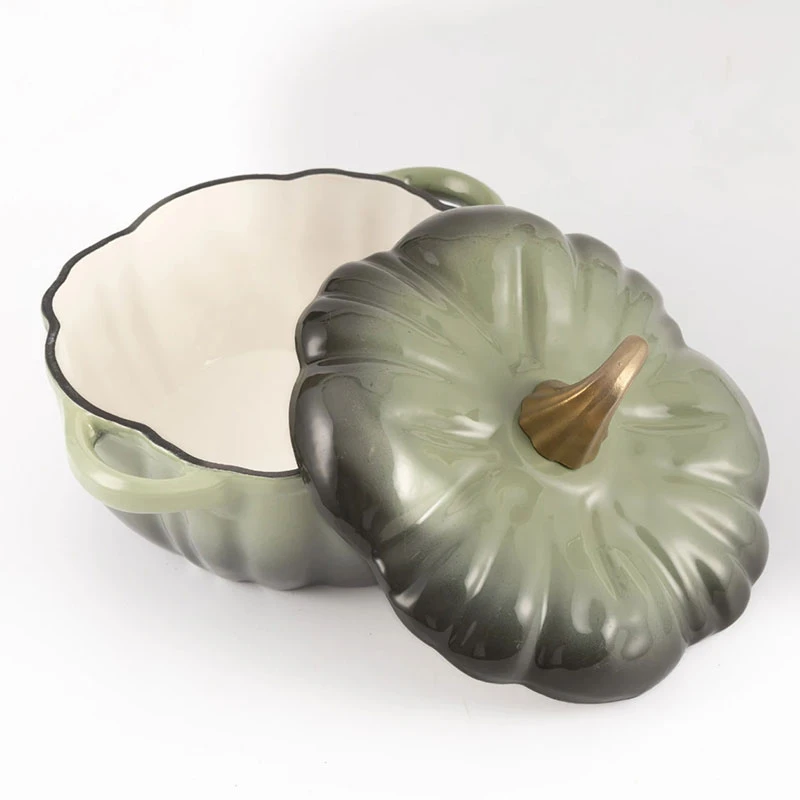
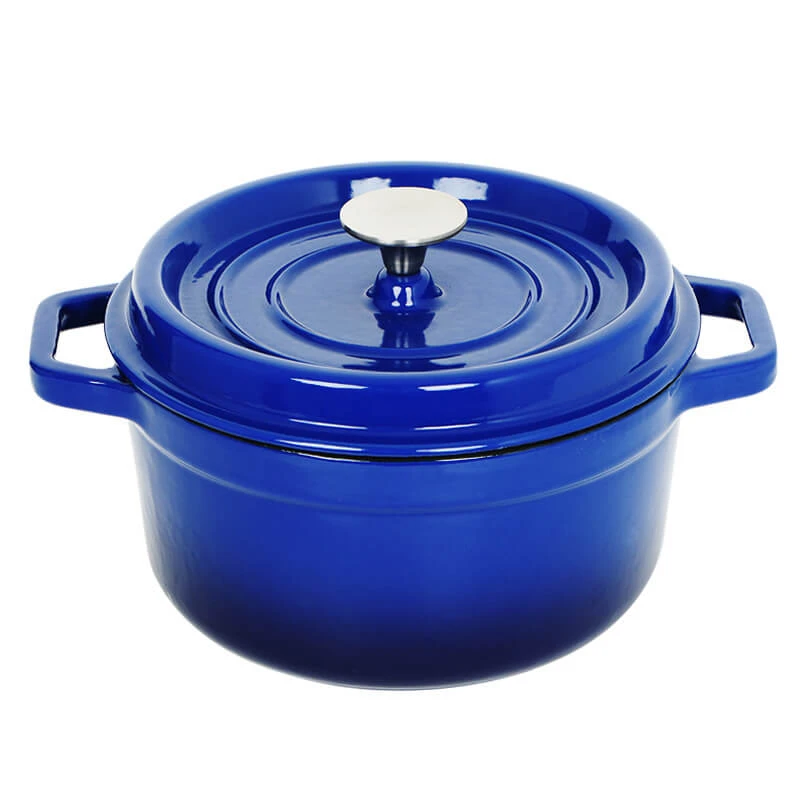
Simply put, a cute dutch oven is a variation of the classic dutch oven characterized by colorful, charming designs and smaller, aesthetically tailored shapes. Typically made from cast iron coated in enamel, these ovens combine the trusted performance of traditional cookware with a visual boost that brightens any kitchen.
In many ways, it’s a bridge between heritage craftsmanship and modern design trends. They often catch the eye on social media platforms (where cooking meets style), showing how kitchenware can be functional and fun. For modern chefs, they symbolize culinary tradition wrapped in personality.
Key Factors That Make a Cute Dutch Oven Stand Out
Durability & Materials
Most cute dutch ovens are cast iron-based, prized for toughness and excellent heat retention. The enamel coating prevents rust and adds color. This combo means the pot lasts decades with proper care—quite an investment that pays off.
Heat Retention & Cooking Performance
Cast iron’s reputation for holding and distributing heat evenly is well-earned. These ovens maintain stable cooking temps, ideal for stews, roasts, and braises. The enamel finish also simplifies heat management — you get the benefits with easier cleaning.
Design & Aesthetic Appeal
Colorful glazes and unique shapes give the cute dutch oven its name ("cute" isn’t just fluff). Whether pastel shades or bold reds, they pop on any stovetop, blending kitchen function with visual joy.
Size & Versatility
These pots tend to be smaller than their heavy-duty counterparts — perfect for singles, couples, or just day-to-day cooking. Many people love them for their ability to go from oven to table, doubling as serveware.
Cost Efficiency Over Time
Although you might pay more upfront for a high-quality cute dutch oven, the longevity, multifunctionality, and ease of use mean fewer replacements over time — and less waste, which feels good on many levels.
Environmental & Health Safety
Enamel coatings are typically non-reactive, avoiding chemicals leaching into food. Plus, their long lifespan supports sustainability more than disposable cookware.
Global Applications & Use Cases of Cute Dutch Ovens
The cute dutch oven finds homes worldwide — not just in cozy urban apartments but also in small community kitchens and even some professional settings that want to add warmth and character. In Scandinavian countries, for example, they’re popular for “slow food” movements aiming to make meals more intentional.
In post-disaster relief or refugee camps, smaller, reliable cooking vessels like these have been noted by NGOs as valuable for their durability and heat retention, allowing cooks to prepare nutritious meals with less fuel. Oddly enough, a kitchen staple can become part of humanitarian solutions.
Outdoor enthusiasts also swear by the cute dutch oven — its sturdy cast iron holds up beautifully over campfires, making it a favorite in North American and European hiking circles.
Mini Takeaway:
- The cute dutch oven combines tradition, practicality, and design worldwide.
- Its adaptable size and material make it useful from the home kitchen to challenging outdoor environments.
Advantages & Long-Term Value You Shouldn’t Ignore
In real terms, owning a quality cute dutch oven means less guesswork in cooking — consistent heat, no hotspots. It’s especially reassuring for those who cherish slow-cooked meals but dislike fuss. Emotionally, it’s that comforting kitchen companion, often passed down through generations.
From a cost perspective, durability means these ovens avoid the disposable culture that plagues other cookware. Socially, they encourage communal meals, a subtle but meaningful contribution to wellbeing and connection.
Product Specification Table
| Feature | Specification | Benefit |
|---|---|---|
| Material | Cast Iron with Enamel coating | Durable, rust-resistant, vibrant colors |
| Capacity | 2–5 quarts | Perfect for small family meals or batch cooking |
| Heat Source | Oven, stovetop, induction, campfire | Multi-use versatility for various cooking styles |
| Weight | 4–7 lbs | Heavy enough for heat retention but manageable |
| Care | Hand wash recommended | Extends life, preserves enamel finish |
Comparing Top Vendors of Cute Dutch Ovens
| Brand | Price Range | Material Quality | Color Options | Warranty |
|---|---|---|---|---|
| Le Creuset | $200 - $400 | Top-tier cast iron, smooth enamel | 20+ vibrant colors | Limited lifetime |
| Staub | $150 - $350 | Matte enamel, sturdy build | 15+ colors, rustic tones | Limited lifetime |
| Lodge | $40 - $80 | American cast iron, enamel | Basic colors | 1 year |
| Emile Henry | $100 - $200 | Ceramic, more fragile | Pastels, bright colors | 5 years |
Future Trends: What’s Cooking in Cute Dutch Oven Innovation?
Manufacturers are increasingly exploring eco-friendly enamel finishes free from heavy metals and chemicals. Digital integrations—like smart lids with temperature sensors—are making their way into the market, aiming to blend tradition with tech.
Plus, we’re seeing a push towards lighter-weight options without compromising heat retention, aided by novel alloys and composites. Sustainability also means packaging improvements and campaigns encouraging consumers to treat these ovens as heirlooms rather than disposable goods.
Challenges & Solutions: What You Should Know Before Buying
Here’s the catch: smaller cute dutch ovens often weigh several pounds, which can surprise new users. Also, enamel is pretty durable but can chip if dropped carelessly.
Some brands now include silicone handles or lighter lids to ease use, and cover warranties really matter here. To avoid disappointment, consider what’s important: size for your cooking needs, color that suits your kitchen, and vendor reputation for quality.
FAQ: Your Burning Questions About Cute Dutch Ovens
- Are cute dutch ovens suitable for induction cooktops?
- Absolutely. Most cast iron dutch ovens, including cute designs, are induction compatible because cast iron is magnetic. Just check product details to ensure the base is flat for best contact.
- How do I care for my enamel-coated cute dutch oven?
- Hand washing with mild detergent is best; avoid abrasive scrubbers to keep the enamel pristine. Dry thoroughly to prevent rust on exposed cast iron edges.
- Can I use a cute dutch oven for outdoor campfire cooking?
- Definitely! Cast iron handles heat well over direct flames. Just ensure the enamel coating isn’t cracked, and be gentle to avoid chipping.
- Is a smaller cute dutch oven worth the investment versus a standard size?
- For singles or couples, or those with limited kitchen space, yes. They offer versatility without excess weight or bulk. However, large families might prefer bigger models.
Conclusion: Why a Cute Dutch Oven Could Be Your Kitchen’s New Best Friend
Choosing a cute dutch oven isn’t just about looks. It's about investing in a kitchen tool that balances durability, versatility, and a splash of charm. Whether prepping a quiet dinner or entertaining guests, it offers tangible benefits: reliable cooking, easy maintenance, and long-term value that extends beyond the plate.
If you’re curious to see how these pots blend function with flair, check out our cute dutch oven collection — your future signature dish might just start here.
Mini Final Thought:
It’s funny how a simple pot can become a daily delight — a reminder that cooking, after all, is as much about joy as it is nourishment.
References:
-
Antique Cast Iron Camp Oven: Durable Outdoor Cookware for Professionals | ZD CookwareNewsJan.06,2026
-
Durable 4 Quart Camping Pot for Professional Use | ZD CookwareNewsJan.06,2026
-
Durable Campfire Cast Iron Pot for Outdoor & Industrial UseNewsJan.06,2026
-
Cast Iron Griddle for Camp Stove – Durable Outdoor Cooking EssentialNewsJan.06,2026
-
Dutch Oven Cast Iron Camping – Durable Outdoor Cooking GearNewsJan.05,2026
-
Durable and Efficient Cast Iron Camping Griddle for B2B Professionals | ZD CookwareNewsJan.05,2026