Dutch Oven for Induction Stove – Durable, Efficient Cookware for Modern Kitchens
The Rise of the Dutch Oven for Induction Stove: Why It Matters Worldwide
Whether you’re a home cook experimenting with timeless recipes or a kitchen professional seeking cookware that blends tradition with modern tech, the dutch oven for induction stove is a quietly transformative tool. But beyond its obvious charm in slow-cooked stews and braises, it addresses a broader, global shift. Induction cooking — more energy-efficient and faster than conventional gas or electric — is gaining traction worldwide due to sustainability goals and urbanization trends. Understanding how dutch ovens adapt to induction stoves unlocks efficiency, durability, and culinary innovation in homes and commercial kitchens alike.
Global Context: Why Invest in Dutch Ovens Suited for Induction?
Globally, the push for cleaner energy sources is reshaping cooking technologies. The International Energy Agency (IEA) reports that induction cooktops’ electricity use is growing by roughly 15% annually, thanks to their speed and low energy waste. Meanwhile, the World Bank notes rising urban households favor induction stoves for safety and environmental reasons.
Yet, traditional cookware often underperforms or outright fails on induction. Enter the dutch oven designed specifically for induction stoves — featuring ferromagnetic bases that heat efficiently without the energy loss typical of non-compatible pans. This innovation mitigates the problem of incompatible cookware that frustrates millions, from European apartments to bustling Asian urban centers.
What Exactly Is a Dutch Oven for Induction Stove?
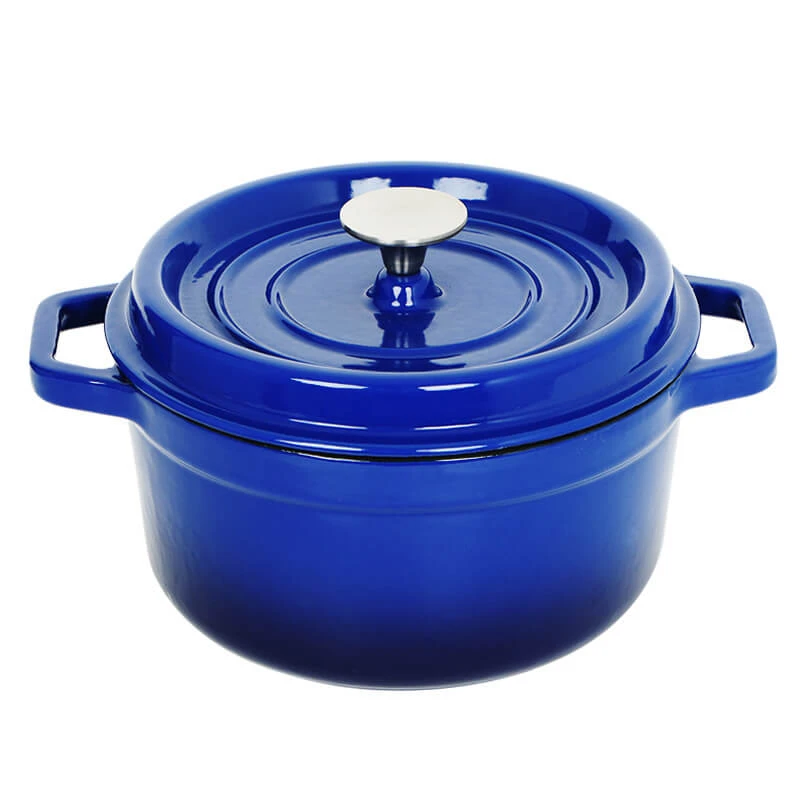
At its core, a “dutch oven for induction stove” is a heavy-duty pot crafted from materials that work with induction’s magnetic technology — mainly cast iron or enameled iron with a magnetic base. It keeps the classic dutch oven’s virtues: thick walls for heat retention, a tight-fitting lid to lock in moisture, and a hearty design that delivers even cooking.
It’s not just a kitchen curiosity but a nod to modern needs: improving cooking efficiency, reducing wasted energy, and elevating home-cooked meals without sacrificing the slow-cooked flavors people treasure. From a humanitarian angle, in places where fuel scarcity is a serious concern, these dutch ovens paired with induction cooktops offer a safer and more sustainable cooking solution.
Key Factors to Consider in Dutch Ovens for Induction Stoves
Durability
Cast iron-based dutch ovens naturally excel here. They’re almost heirlooms, passed down through generations — resistant to warping or scratching, enduring robust cooking conditions. In real terms, they can last decades with care, so the initial investment pays off.
Heat Distribution and Retention
A good dutch oven spreads heat evenly, preventing hotspots that ruin recipes or burn food. This is doubly important on induction, which heats quickly but can be uneven if the base isn’t perfect. The magnetic base is crafted to match the induction coil’s size, ensuring smooth, stable heat.
Material Compatibility
Not all metals are induction-friendly. Stainless steel, aluminum, or copper won’t heat on their own unless layered with a ferro-magnetic plate. A dutch oven tailored for induction commonly uses cast iron or layers magnetic plates, preserving the soul of classic cooking but adapting it for modern tech.
Weight and Usability
Cast iron dutch ovens are heavy — a point of love and grumble. For many, the heft means serious heat retention, but some vendors have innovated with lighter enamel or composite layers to reduce strain without sacrificing performance.
Maintenance and Cleaning
Traditional cast iron demands seasoning and care, but many induction-compatible dutch ovens are enamel-coated, making them dishwasher-safe and easier to maintain — a boon for busy kitchens.
Price and Value
These ovens can range from affordable basics to premium artisanal pieces. Understanding what features you truly need helps avoid overspending on bells and whistles that don’t fit your stove or cooking style.
Mini Takeaway:
Choosing a dutch oven for an induction stove means balancing durability, heat performance, and material compatibility — all vital for achieving efficient, joyful cooking with modern appliances.
Where Around the World Do These Cookware Innovations Shine?
Across Europe, with its dense urban apartments and increasing environmental awareness, induction stoves paired with dutch ovens are surging in popularity. In Nordic countries, where electricity largely comes from renewables, this combo plays into a low-carbon lifestyle. In Asia’s megacities, chefs and home cooks alike prize induction for safety, while the dutch oven represents heritage flavor and versatility.
Nonprofits operating in disaster relief zones are also taking notice. When communities have limited access to clean fuel, pairing induction stoves (powered by solar or other renewable microgrids) with suitable dutch ovens helps provide warm, nutritious meals without smoke or combustion hazards. In industry, catering firms and communal kitchens lean on these tools for consistent results and energy cost reduction.
Advantages Beyond the Kitchen: The Lasting Value of the Right Dutch Oven
- Energy Efficiency: Magnetic induction saves 20–30% energy vs. gas or electric coil, a real deal for eco-conscious consumers.
- Safety: Induction surfaces remain cool outside the base, reducing burn risks — crucial in busy households.
- Longevity: Dutch ovens built with induction compatibility often boast longer lifespan than flimsy alternatives.
- Culinary Excellence: Retained heat and even cooking enhance flavors, especially in slow-cooked dishes.
- Sustainability: Durable materials and compatibility with green electricity mix traditional craft with eco-forward living.
- Emotional Value: Owning a dutch oven is often nostalgic — a culinary tie to culture, family, and comfort.
Technical Overview: A Typical Dutch Oven for Induction Stove
| Specification | Details |
|---|---|
| Material | Enameled Cast Iron with Ferromagnetic Base |
| Diameter | 26 cm (10.2 inches) |
| Weight | 4.5 kg (9.9 lbs) |
| Coating | Non-reactive Enamel, Dishwasher Safe |
| Compatibility | All Induction Cooktops & Gas, Electric |
| Oven Safe | Yes, up to 260°C (500°F) |
How Top Vendors Stack Up: Who Makes the Best Dutch Oven for Induction Stove?
| Vendor | Price Range | Material | Warranty | Unique Features |
|---|---|---|---|---|
| CastMaster | $120–$180 | Enameled Cast Iron | Lifetime | Wide color range, oven-safe lid |
| IronCraft | $95–$150 | Traditional Cast Iron (seasoning required) | 5 years | Pre-seasoned for quick use |
| EcoCuisine | $140–$210 | Recycled Cast Iron with Ceramic Enamel | 10 years | Eco-friendly manufacturing process |
Looking Ahead: What’s Next for Dutch Ovens on Induction Stoves?
Innovation in this space is quietly exciting. Manufacturers are experimenting with composite materials that reduce weight without sacrificing heat retention. Induction interface technology is also improving — with bases designed for even better energy alignment and faster heat transfer.
From an environmental stance, incorporating recycled metals and eco-conscious coatings (free from harmful solvents) is becoming the norm rather than the exception. Plus, smart kitchen tech may soon integrate temperature sensors inside dutch ovens to sync cooking times perfectly with induction cooktop controls.
Challenges and How to Overcome Them
Not everything’s perfect, though. Quite frankly, the weight of cast iron/enameled induction dutch ovens remains a barrier for some users. Innovations to trim weight sometimes come at a pricier tag.
Also, uneven induction coils or poorly matched pot bases can cause inefficient heating, frustrating cooks used to a perfect simmer or roast.
Industry experts suggest carefully checking compatibility specs and investing in quality brands. For maintenance, enamel coatings greatly simplify cleaning, reducing rust concerns that plagued older cast iron. Using silicone or felt pads can protect both pots and induction surfaces from scratches.
FAQs About Dutch Ovens for Induction Stove
- Q: Can I use any dutch oven on an induction stove?
- A: Not necessarily. The pot’s base must contain ferromagnetic material like cast iron or specially designed steel layers. Non-magnetic cookware won’t heat efficiently or at all on induction stoves.
- Q: Are enameled dutch ovens better for induction cooking?
- A: They offer the advantage of being easier to clean and often dishwasher safe without seasoning. They also provide magnetic compatibility if cast iron-based, making them ideal for induction.
- Q: How heavy are typical induction-compatible dutch ovens?
- A: Typically, a 26cm dutch oven weighs between 4 to 5 kg (9 to 11 lbs). Some brands now offer lighter versions using composite materials but at a higher price point.
- Q: Can I use a dutch oven on other stove types if it’s for induction?
- A: Yes, most induction-compatible dutch ovens work well on gas or electric coil ranges too — they’re versatile across heat sources.
- Q: Is the pricier dutch oven worth it for induction cooking?
- A: Generally, yes. Higher-end products deliver superior durability, heat distribution, and warranty support. They tend to be better investments long-term than cheap, thin cookware.
Wrapping Up: Why Your Kitchen Needs a Dutch Oven for Induction Stove
The humble dutch oven, re-imagined for induction stoves, offers a perfect marriage of tradition and modern efficiency. Whether you prize culinary artistry, energy-saving tech, or durable cookware, this combo ticks all the boxes — from cozy family dinners to commercial kitchens seeking consistent, safe performance.
Curious? Discover our detailed selection and find the ideal dutch oven for induction stove crafted for your unique needs. We promise it’ll become your go-to pot for years to come.
-
Antique Cast Iron Camp Oven: Durable Outdoor Cookware for Professionals | ZD CookwareNewsJan.06,2026
-
Durable 4 Quart Camping Pot for Professional Use | ZD CookwareNewsJan.06,2026
-
Durable Campfire Cast Iron Pot for Outdoor & Industrial UseNewsJan.06,2026
-
Cast Iron Griddle for Camp Stove – Durable Outdoor Cooking EssentialNewsJan.06,2026
-
Dutch Oven Cast Iron Camping – Durable Outdoor Cooking GearNewsJan.05,2026
-
Durable and Efficient Cast Iron Camping Griddle for B2B Professionals | ZD CookwareNewsJan.05,2026