Durable & Versatile Cooks Cast Iron Dutch Oven | Global Guide & Reviews
Why Cooks Cast Iron Dutch Oven Matters Globally
If you’ve ever fancied slow-cooked stews bubbling over a campfire or rustic bread baked to perfection, the cooks cast iron Dutch oven is your unsung kitchen hero. But beyond its charm on a stovetop or outdoor grill, this simple cookware piece holds a global significance that stretches well beyond the kitchen. Why, you ask? Well, it’s an emblem of durability, versatility, and sustainable cooking solutions that many regions and industries worldwide rely on, whether in remote villages, humanitarian aid camps, or modern backyards.
Understanding the diverse applications of cast iron Dutch ovens sheds light on how a single tool can marry tradition with innovation, supporting food security, energy-efficient cooking, and cultural heritage preservation across various continents.
Mini takeaway: The cooks cast iron Dutch oven is more than cookware—it's a global symbol of resilience, efficient heat management, and culinary adaptability.
The Global Context: Why This Matters Today
Cast iron cookware, including Dutch ovens, has been around since the 18th century, but its relevance has only deepened amidst today’s challenges. According to the United Nations, sustainable cooking solutions are critical to reducing carbon footprints, especially in regions depending on biomass fuel. The ISO also promotes materials that last long and weather tough conditions—both hallmarks of cast iron cookware.
Consider this: over 2.6 billion people globally rely on traditional cooking methods that harm health and the environment (World Bank, 2020). Cooks cast iron Dutch ovens, with their energy efficiency and longevity, offer a practical alternative. Industrial and humanitarian sectors have taken notice — this cookware is often part of emergency kits or sustainable rural development programs, tackling health, environmental, and economic concerns all at once.
Mini takeaway: The cast iron Dutch oven intersects with global efforts for cleaner, safer cooking and durable tools usable in harsh, resource-scarce environments.
What Exactly Is a Cooks Cast Iron Dutch Oven?
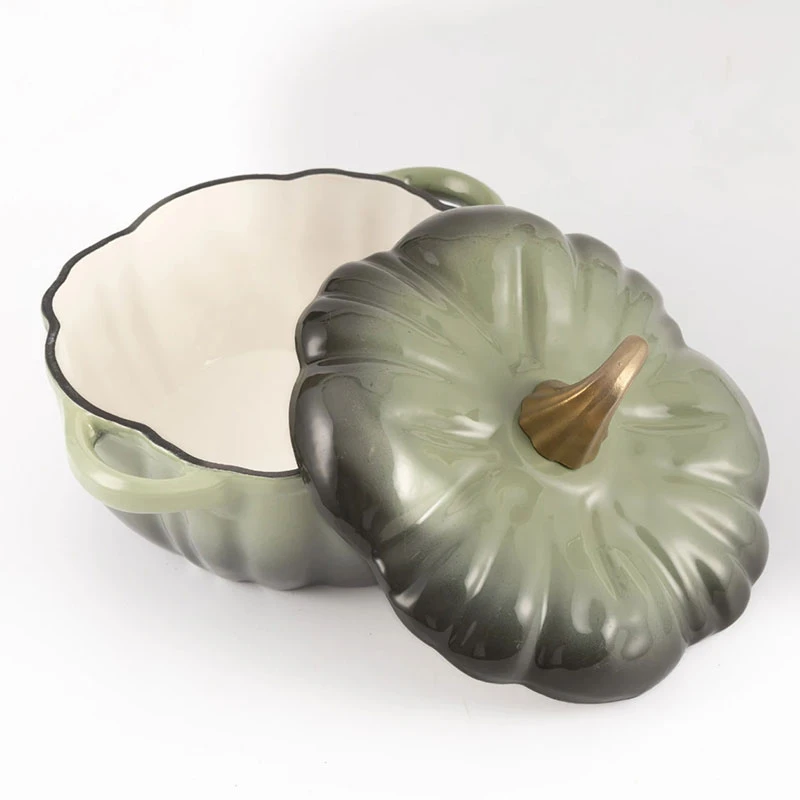
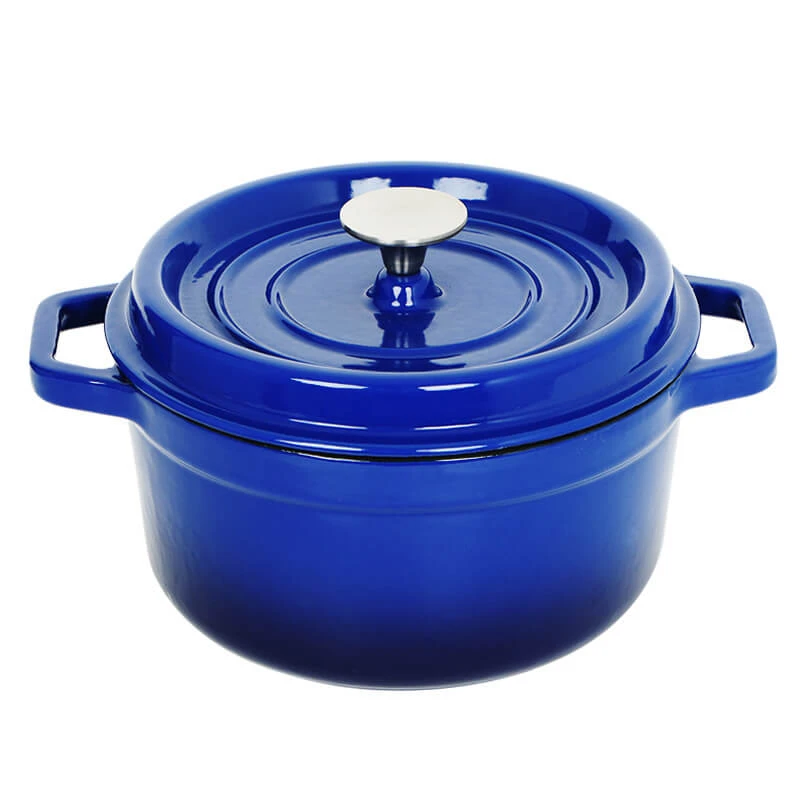
At its core, a cooks cast iron Dutch oven is a heavy-duty pot made from cast iron, typically featuring a tight-fitting lid. Its thick, dense walls and inverted lid design allow it to trap heat and moisture — the secret to those melt-in-the-mouth dishes.
While “Dutch oven” refers broadly to this style of cookware, “cooks cast iron” points to designs optimized for chefs and home cooks alike — with smooth enamel coatings or bare cast iron to suit various cooking techniques.
More intriguingly, it’s also tied to modern industry needs — from field kitchens for disaster relief teams to remote mining outposts where durability and multipurpose gear mean everything. This oven lets cooks prepare large meals over wood fires or gas stoves, saving fuel and reducing cooking times.
Mini takeaway: It’s a simple, rugged tool designed for multipurpose cooking, prized for efficiency and longevity in diverse settings.
Key Factors That Bring Cooks Cast Iron Dutch Oven to Life
Durability and Longevity
Cast iron doesn’t just last years — it can survive generations, often improving with age if properly seasoned. Many chefs swear by how their Dutch ovens develop a “natural non-stick” layer over time, ensuring consistent cooking performance.
Heat Retention and Distribution
Many engineers say this is the backbone of its magic. The thick cast iron walls hold heat evenly, preventing hotspots and allowing slow simmering or even roasting—perfect for complex recipes.
Versatility across Cooking Methods
You can use it on a stovetop, in an oven, or directly over an open fire. Whether baking bread, braising meat, or frying vegetables, the cooks cast iron Dutch oven adapts effortlessly, saving cooks the hassle of switching pots constantly.
Ease of Maintenance
It sounds odd, but seasoned Dutch ovens are straightforward to clean (no fancy detergents) and can withstand harsh scrubbing without damage — a vital point especially in field or emergency settings.
Cost Efficiency
The initial investment might seem high, but factor in the years of use, fuel savings, and reduced food waste due to even cooking, and it becomes quite the bargain.
Aesthetics & Cultural Value
Oddly enough, these ovens carry heritage—many cultures cherish them as family heirlooms or essential traditional cookware, which speaks to their emotional and social role.
Mini takeaway: Durability, heat mastery, flexibility, and cost-efficiency combine to make this cookware a timeless kitchen mainstay.
Global Applications & Use Cases
- Post-disaster relief: Emergency food preparation kits often include cooks cast iron Dutch ovens, as they quickly handle large quantities of food using minimal fuel.
- Remote industrial zones: Mining or oil rigs deploy these ovens in communal kitchens where reliable, multiuse cookware reduces logistic complexity.
- Rural development projects: NGOs introduce them in communities relying on firewood, to improve health by shortening cooking time and trapping smoke.
- Outdoor enthusiasts and culinary purists: From Yellowstone campers to slow-food aficionados in Europe, the Dutch oven remains a favorite for robust flavors and outdoor cooking.
Mini takeaway: Their reach is impressive — from humanitarian kitchens to luxury backyard cooking, these ovens meet a broad spectrum of real-world cooking demands.
Advantages & Long-Term Value of Cooks Cast Iron Dutch Oven
The emotional value of a Dutch oven goes beyond practical use. Reflecting on safety — avoiding toxic fumes from inefficient stoves or harmful aluminum cookware — this iron pot stands for health-conscious cooking. Socially, it empowers communities to cook meals that sustain dignity and tradition even in tough conditions.
The logical side? Reliable heat retention means less fuel use and reduced energy bills. The oven is essentially a green appliance, aligning with rising environmental concerns. Not to mention, its reliability builds trust — an indispensable trait when every minute matters in disaster relief or outdoor expeditions.
Mini takeaway: A cooks cast iron Dutch oven is a blend of heart and hard facts — boosting safety, cultural heritage, and sustainability while truly delivering on performance.
The Road Ahead: Future Trends & Innovations
In recent years, the industry has seen innovations such as improved enamel coatings for easier maintenance, lighter alloys that retain heat well, and even smart cookware with temperature sensors.
Sustainability pushes manufacturers to explore eco-friendly production methods and recycling programs. Digitally enhanced ovens paired with apps might soon guide your cooking time and temperature for foolproof meals every time.
Mini takeaway: While keeping its rustic charm, the cooks cast iron Dutch oven is embracing modern tech and green manufacturing — promising to stay relevant for decades to come.
Challenges & Solutions in Using Cast Iron Dutch Ovens
Despite its many charms, cast iron does have quirks: it’s heavy (not ideal for everyone), prone to rust if neglected, and requires seasoning — a maintenance step unfamiliar to many.
Solutions? Lightweight variants using composite materials ease carry, while improved enamel coatings reduce rust risk and maintenance. Additionally, education campaigns by cookware experts and NGOs help demystify seasoning and care, expanding user confidence.
Mini takeaway: Some practical hurdles exist, but innovation and education are steadily overrunning them.
FAQ: Frequently Asked Questions About Cooks Cast Iron Dutch Oven
- What makes cooks cast iron Dutch ovens better than other cookware?
- They offer unparalleled heat retention, durability, and versatility, performing well across cooking methods. Plus, they often improve with age and require minimal fuel, which is both cost-effective and eco-friendly.
- How do I maintain and season a cast iron Dutch oven properly?
- Seasoning involves coating the interior with a thin layer of oil and baking it, creating a protective non-stick surface. Regular cleaning without harsh soaps and drying to prevent rust keeps it in top shape.
- Are enamel-coated Dutch ovens as effective as bare cast iron?
- Enamel coatings make cleaning easier and prevent rust but slightly reduce the “seasoning” process benefits. Both types retain heat well, so the choice depends on user preference and maintenance willingness.
- Can these ovens be used safely on open fires?
- Yes! They’re designed to handle open flame cooking, which is why many outdoor enthusiasts and relief agencies prefer them for rugged environments.
- Is investing in a cooks cast iron Dutch oven worth it for everyday cooking?
- Absolutely. While heavier than some pans, the energy efficiency, flavor quality, and durable build often make them a kitchen staple for those who value quality cooking tools.
Conclusion: Why You Should Consider a Cooks Cast Iron Dutch Oven
Looking at the bigger picture, the cooks cast iron Dutch oven embodies tradition meeting modern sustainability needs. It’s a cookware piece that serves everyone—from a family camper to a humanitarian mission—reliable, efficient, and soulful.
For those curious to explore these culinary workhorses or upgrade what’s simmering in their pots, I’d say now’s a fine time to check out what’s available at cooks cast iron Dutch oven. Trust me, once you get the hang of it, your kitchen adventures — or field operations — will never be quite the same.
Happy cooking (and slow simmering)!
Product Specifications Table
| Feature | Specification | Benefit |
|---|---|---|
| Material | Cast Iron (Enameled or Bare) | Excellent heat retention; durable and long-lasting |
| Weight | 5 to 12 lbs (depending on size) | Robust build, but requires care when handling |
| Capacity | 2 to 7 quarts | Suitable for small families or large group cooking |
| Heat Source | Gas, electric, induction, wood fire | Versatile use in varied environments |
| Maintenance | Seasoning or enamel care | Ensures longevity and performance |
Vendor Comparison Table
| Brand | Price Range | Coating | Weight | Unique Selling Point |
|---|---|---|---|---|
| Lodge | $30 - $90 | Bare Cast Iron | 8-12 lbs | Affordable, traditional & widely trusted |
| Le Creuset | $300 - $600 | Enameled Cast Iron | 5-10 lbs | Premium color options & lifetime warranty |
| Staub | $250 - $400 | Enameled Cast Iron | 7-11 lbs | Matte finish & self-basting lids |
References
-
Antique Cast Iron Camp Oven: Durable Outdoor Cookware for Professionals | ZD CookwareNewsJan.06,2026
-
Durable 4 Quart Camping Pot for Professional Use | ZD CookwareNewsJan.06,2026
-
Durable Campfire Cast Iron Pot for Outdoor & Industrial UseNewsJan.06,2026
-
Cast Iron Griddle for Camp Stove – Durable Outdoor Cooking EssentialNewsJan.06,2026
-
Dutch Oven Cast Iron Camping – Durable Outdoor Cooking GearNewsJan.05,2026
-
Durable and Efficient Cast Iron Camping Griddle for B2B Professionals | ZD CookwareNewsJan.05,2026