The Cast Iron Dutch Oven: Durable, Timeless, and Globally Essential Cookware
What Makes the Cast Iron Dutch Oven a Global Kitchen Essential?
At first glance, a cast iron dutch oven might just seem like a hefty pot, but in reality, it spans cultures and continents in its humble versatility. Globally, it's a cookware linchpin—reliable, durable, and surprisingly sustainable in a world that's increasingly conscious of environmental impact. Whether you're simmering a hearty stew in a family kitchen or relying on it for durable cooking solutions in remote or resource-constrained areas, understanding this tool's benefits goes beyond the dinner table.
Its widespread adoption also reflects evolving industry challenges, like rising energy costs and the demand for long-lasting cookware. In humanitarian efforts, the cast iron dutch oven’s ability to cook evenly and retain heat efficiently suits it uniquely for field kitchens. So, why care about this kitchen stalwart? Because it symbolizes a bridge between tradition and innovation, affordability and quality, utility and heritage.
The Cast Iron Dutch Oven in Global Context
From the bustling markets of Southeast Asia to the rugged outdoor camps of Scandinavia, cast iron dutch ovens have found their way into diverse kitchens. According to Wikipedia, these pots originated in Europe centuries ago and have since become staples worldwide. Globally, the cooking appliance market is valued at over $30 billion (Statista 2023), with cast iron cookware capturing a significant share due to its longevity and energy efficiency.
Here’s the rub: energy-efficient cooking is a growing concern with roughly 24% of global energy use linked to residential cooking (UN Environment Programme). Cast iron dutch ovens address this challenge by cooking food thoroughly at lower heat, minimizing waste and emissions. This small but mighty pot has a footprint larger than its size suggests.
Simply Put: What is a Cast Iron Dutch Oven?
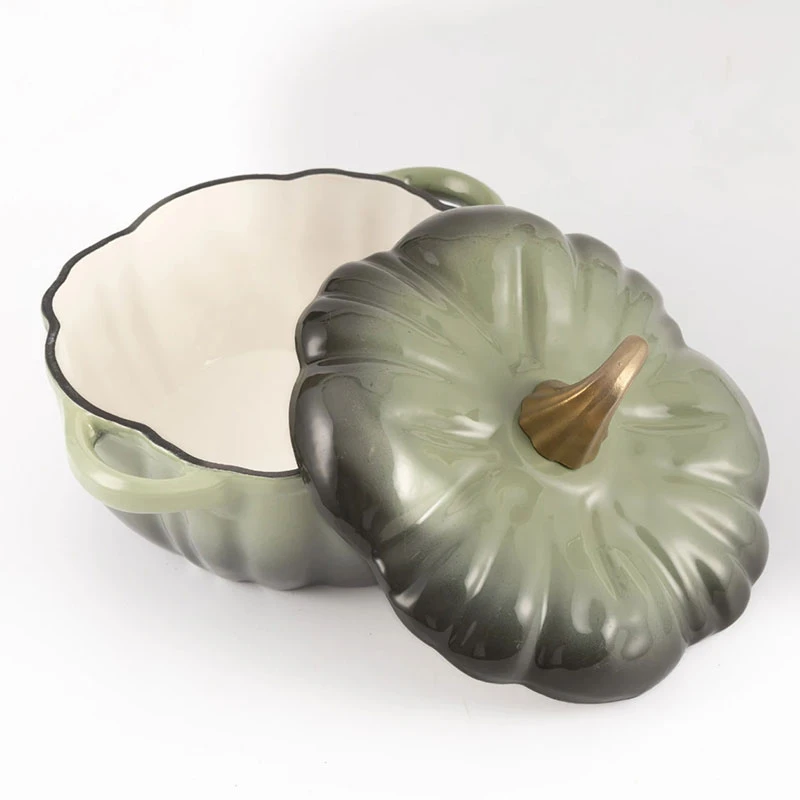
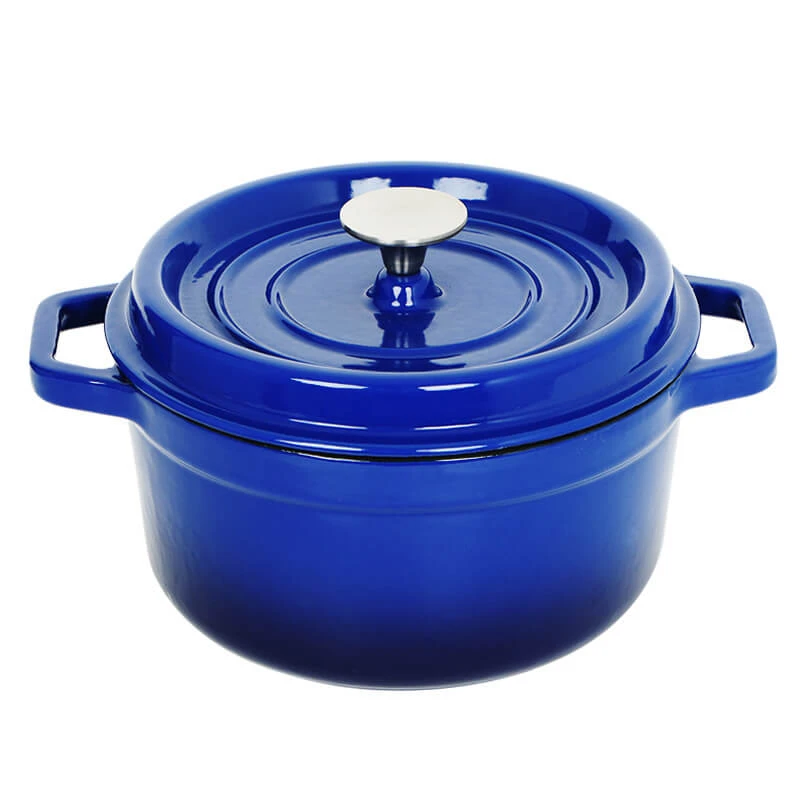
In basic terms, a cast iron dutch oven is a heavy-duty pot made from cast iron, often coated with porcelain enamel to prevent rusting but sometimes left bare for seasoning. The weight and thickness of cast iron allow excellent heat retention and distribution — critical for slow cooking, baking, frying, and even roasting.
In modern industry and humanitarian contexts, these ovens matter for durability and self-sufficiency. They can survive harsh conditions where electric or gas stoves might falter, making them invaluable for outdoor use, emergency relief kitchens, and even remote workers relying on portable cooking tech.
Core Components That Define the Cast Iron Dutch Oven
Durability and Longevity
Unlike flimsy cookware, cast iron dutch ovens can last generations. With proper care, they don’t just withstand decades; they improve — seasoned surfaces become naturally non-stick and resistant to damage.
Heat Retention and Distribution
Cast iron’s thermal mass is its secret weapon. Once heated, it stays hot and disperses warmth evenly, preventing hotspots that burn food. This is ideal for recipes requiring gentle, consistent heat.
Versatility in Cooking Methods
From searing meats on the stovetop to baking bread in the oven, the dutch oven adapts seamlessly. Outdoor enthusiasts love its ability to be used over campfires or charcoal grills.
Cost Efficiency
While the upfront cost is higher than some cookware, the per-use expense drops significantly with the dutch oven’s lifespan, making it a smart investment both economically and environmentally.
Eco-Friendly Attributes
Cast iron is recyclable and doesn’t rely on synthetic coatings full of chemicals. Many users swap out disposable cookware for dutch ovens — cutting waste.
In Real Life: Applications of Cast Iron Dutch Ovens
- Emergency Relief and Humanitarian Aid: NGO kitchens in refugee camps rely on cast iron dutch ovens for reliable cooking when energy resources are scarce.
- Remote Industrial Zones: Workers in mining or forestry camps often cook over open fires using these pots because of their ruggedness.
- Everyday Household Use: Across different cultures, families cherish the dutch oven for its ability to make everything from soups to artisan bread.
- Culinary Tourism and Outdoor Activities: Campers, hikers, and culinary adventurers carry lightweight, small cast iron variants for meals on the go.
Oddly enough, despite the rise of smart kitchen gadgets, this old-school pot retains a special status. It’s not just nostalgia—it’s practicality, even in 2024.
The Advantages and Lasting Value of Cast Iron Dutch Ovens
Investing in a cast iron dutch oven isn’t just about cooking. It’s about trust in heritage and quality, safety from toxic materials, and a deep connection to where food comes from. Here’s what many chefs and home cooks agree on:
- Economic Savings: Less energy consumed, longer-lasting cookware.
- Sustainability: Reduced waste, recyclable material, fewer replacements.
- Health and Safety: Free from harmful non-stick chemicals; seasoned surfaces actually improve flavor.
- Emotional Satisfaction: Cooking food slowly in a cast iron dutch oven feels like care — a ritual of patience and mindfulness.
Looking Ahead: Innovations in Cast Iron Cookware
While cast iron technology is steeped in tradition, innovations are simmering. For instance, some manufacturers now integrate porcelain enamel coatings with greater chip resistance and lighter weight variants. Others are exploring sustainable production methods with lower carbon footprints, responding to global sustainability goals (ISO standards).
Moreover, we see a push toward digital integration, like smart lids that measure temperature or connectivity features for IoT-enabled kitchens — a reminder that even classics can keep pace with tech.
Challenges and How to Overcome Them
Of course, the cast iron dutch oven isn’t without quirks:
- Weight: These pots are heavy and less portable — an issue for some users.
- Maintenance: Require seasoning and careful cleaning to avoid rust.
- Heating Time: Takes longer to reach cooking temperature than some metals.
But many experts recommend embracing these as part of the pot’s charm. Lightweight designs, dishwasher-safe enameling, and improving heating sources make these obstacles manageable.
FAQ: Practical Answers on Cast Iron Dutch Ovens
- Q: How do I prevent rust on my cast iron dutch oven?
- A: Keep it dry and well-seasoned. After cleaning, dry thoroughly and apply a thin layer of cooking oil. Store in a dry spot.
- Q: Can I use a cast iron dutch oven on induction cooktops?
- A: Yes! Cast iron works great on induction, thanks to its magnetic properties. It also heats evenly on gas and electric stoves.
- Q: Are cast iron dutch ovens suitable for baking bread?
- A: Absolutely! Their heat retention and tight-fitting lids create steam, making them perfect for artisan-style bread crusts.
- Q: How do enamel-coated and bare cast iron dutch ovens differ?
- Enamel-coated prevent rust without seasoning and simplify cleaning, but may chip. Bare cast iron requires maintenance but develops a natural non-stick surface over time.
Conclusion: The Cast Iron Dutch Oven’s Lasting Impact
At the end of the day, this cookware is more than a pot — it’s a trusted companion, a keeper of countless meals and stories, and a quiet champion of sustainable cooking. When you think about investment in quality that lasts, the cast iron dutch oven stands tall.
Interested in exploring your next cast iron dutch oven? Visit our website: cast iron dutch oven for the best selection and expert advice.
Product Specification Table
| Specification | Detail |
|---|---|
| Material | Cast Iron (Enameled or Bare) |
| Weight | 4-12 lbs (varies by size) |
| Capacity | 2-7 Quarts |
| Heat Source Compatibility | Gas, Electric, Induction, Oven, Campfire |
| Maintenance | Seasoning Required (bare cast iron), Easy clean (enameled) |
| Lifespan | 30+ years with proper care |
Vendor Comparison Table
| Brand | Price Range | Material Quality | Warranty | Target Market |
|---|---|---|---|---|
| Lodge | $30 - $100 | Robust, American cast iron | Limited Lifetime | Mass Market/Home |
| Le Creuset | $250 - $600 | High-end porcelain enameled | Limited Lifetime | Professional/Chef |
| Staub | $200 - $550 | French cast iron, matte enamel | 10 Years | Gourmet Cooking |
| Camp Chef | $40 - $150 | Outdoor rugged cast iron | Limited Lifetime | Outdoor/Camping |
Mini Takeaway
The cast iron dutch oven remains an incredible culinary and practical tool worldwide, balancing tradition with modern needs. Its durability, versatility, and eco-friendly qualities solidify its standing—not just as kitchenware, but as a trusted ally in food preparation and beyond.
References
-
Antique Cast Iron Camp Oven: Durable Outdoor Cookware for Professionals | ZD CookwareNewsJan.06,2026
-
Durable 4 Quart Camping Pot for Professional Use | ZD CookwareNewsJan.06,2026
-
Durable Campfire Cast Iron Pot for Outdoor & Industrial UseNewsJan.06,2026
-
Cast Iron Griddle for Camp Stove – Durable Outdoor Cooking EssentialNewsJan.06,2026
-
Dutch Oven Cast Iron Camping – Durable Outdoor Cooking GearNewsJan.05,2026
-
Durable and Efficient Cast Iron Camping Griddle for B2B Professionals | ZD CookwareNewsJan.05,2026