Durable Enameled Cast Iron Dutch Ovens for Efficient, Long-Lasting Cooking
Why the Enameled Cast Iron Dutch Oven Still Matters Today
If you’ve ever cooked a slow-simmered stew or baked artisan bread at home, you might owe a nod to the humble enameled cast iron dutch oven. Beyond kitchen nostalgia or aesthetic appeal, this cookware piece remains a global staple, prized not just by home chefs but by professionals worldwide.
In an age where fast, disposable products dominate grocery aisles and kitchen shelves, understanding why the enameled cast iron dutch oven matters is a small journey into durability, sustainability, and culinary versatility. It’s more than just a pot — it’s a tool that connects tradition to modern practicality, impacting food security, innovation in cookware design, and even sustainable living practices.
The Global Context: Why This Cookware Is More than Just a Kitchenware Item
According to the World Bank, approximately 2 billion people worldwide still rely primarily on cooking over open fires or inefficient stoves—a situation with profound health and environmental implications. Enter the enameled cast iron dutch oven, a robust and efficient cooking vessel that has been part of cooking cultures across continents for centuries.
With rising global concerns about food quality, environmental sustainability, and energy efficiency, the conventional cast iron Dutch oven, especially the enameled variant, has seen renewed interest. The thermal efficiency of cast iron makes it an excellent choice to reduce fuel consumption in cooking—an important factor in many developing regions and even emergency relief scenarios.
Plus, the enamel coating prevents rust and extends the cookware’s usable life, neatly addressing durability concerns highlighted by ISO standards for kitchenware longevity (ISO 6781).
Mini Takeaway:
The enameled cast iron Dutch oven is more than heritage cookware — it offers tangible efficiency and longevity benefits that respond to pressing global challenges in food preparation and sustainability.
Breaking It Down: What Exactly Is an Enameled Cast Iron Dutch Oven?
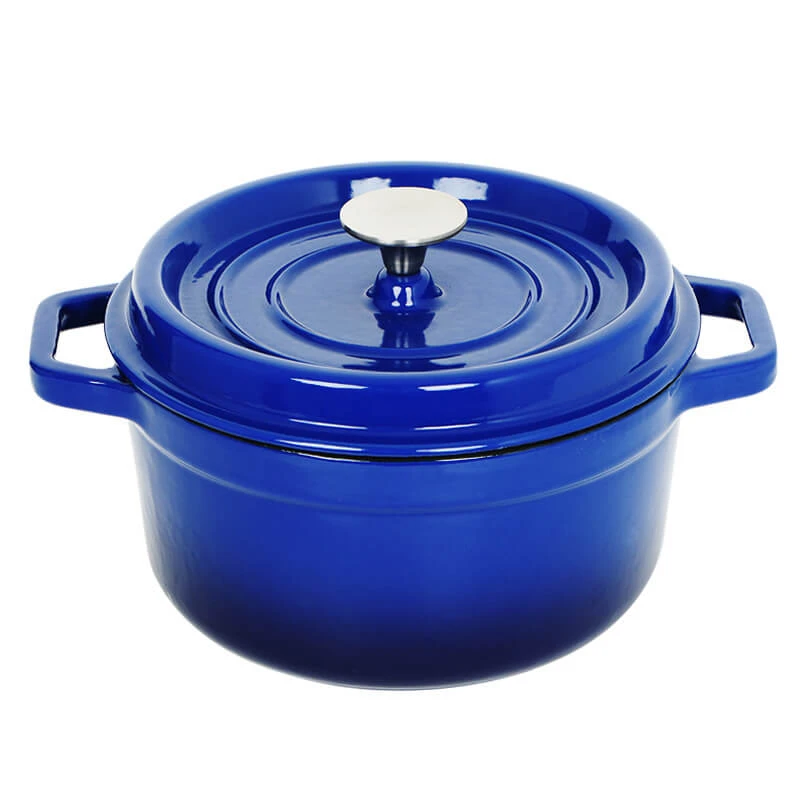
At its core, an enameled cast iron Dutch oven is a heavy-duty cooking pot made from cast iron, coated inside and out with a layer of smooth, colored enamel. The cast iron core provides excellent heat retention and even distribution, while the enamel prevents rust and eliminates the need for seasoning.
This combo makes it a versatile pot, perfect for braising, roasting, baking, and slow cooking on everything from stovetops to ovens. Industrially, it also symbolizes a trend toward products that marry traditional materials with modern finishes designed for hygiene and durability — which aligns well with the needs of humanitarian aid, remote kitchens, and health-sensitive environments.
Key Features of Enameled Cast Iron Dutch Ovens
1. Durability
Thanks to the cast iron base, these ovens can last for generations. The enamel coating resists chipping and cracking if treated correctly, making it perfect for heavy everyday use.
2. Heat Retention and Distribution
Cast iron holds heat like no other material, slowly releasing it for consistent cooking. This is crucial for dishes that need even, low-temperature cooking over hours.
3. Non-reactive Surface
The enamel coating means no metallic taste leaches into your food, unlike raw cast iron which can react with acidic ingredients. It also makes cleaning easier.
4. Versatility
Most enameled Dutch ovens are safe for stovetop, ovens, grills, and some even for induction. This flexibility adds value for different kitchen setups globally.
5. Aesthetic Appeal
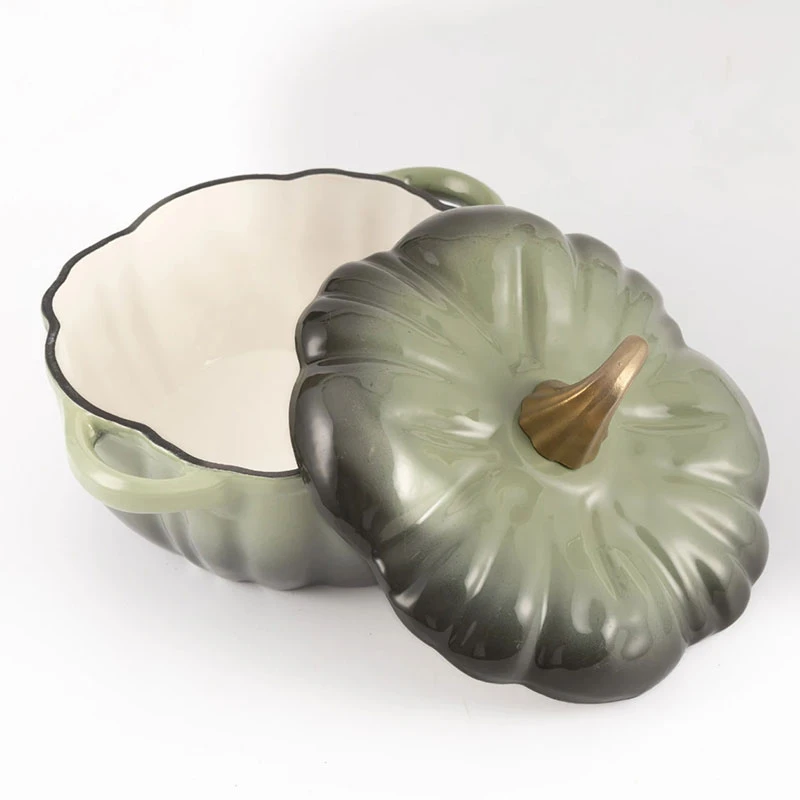
Whether in bright reds or classic crème, the visually pleasing enamel finish finds favor among professional chefs and home cooks alike, making it functional tableware too.
Mini Takeaway:
These ovens combine proven functionality with modern performance features — no wonder they are kitchen workhorses all around the world.
Real-World Uses of Enameled Cast Iron Dutch Ovens Across the Globe
You might picture them warming a family kitchen in Paris or New York — yes, that’s the classic image. But the reach is far wider and often surprising.
- Humanitarian Efforts: NGOs distribute these ovens in refugee camps for their ruggedness and fuel efficiency.
- Remote Industrial Sites: Camps in mining and forestry sectors depend on the Dutch oven’s reliability where fuel is scarce.
- Global Culinary Schools: Teaching classic skills in modern kitchens heavily utilize them for their precision and durability.
- Farm-to-Table Movements: Artisanal food producers adopt them for artisan bread baking and slow-roasting to capture authenticity in flavor.
Product Specifications Snapshot
| Specification | Details |
|---|---|
| Material | Cast iron core with porcelain enamel coating |
| Capacity | Ranges from 3 to 7 quarts |
| Weight | Approx. 6 to 10 lbs depending on size |
| Heat resistance | Up to 500°F (260°C) |
| Care instructions | Hand wash recommended; avoid metal utensils |
| Warranty | Typically 10+ years with proper care |
Comparing Leading Vendors of Enameled Cast Iron Dutch Ovens
| Vendor | Price Range | Popular Capacity | Colors Available | Notable Feature |
|---|---|---|---|---|
| Brand A | $200–$350 | 5.5 quarts | 10+ colors | Lifetime warranty |
| Brand B | $150–$280 | 4.0 quarts | 5 colors | Induction compatible |
| Brand C | $180–$320 | 6.0 quarts | 12+ colors | Eco-friendly packaging |
Why Should You Consider an Enameled Cast Iron Dutch Oven for Your Kitchen?
It’s the perfect marriage of function and form: the deep heat retention, the even cooking, the long-lasting enamel that keeps everything tasting just right. Plus, from a cost perspective, it’s an investment that generally pays off for decades—unlike many trendy non-stick pans that wear down in a couple of years.
Emotionally? There’s a quiet comfort in using cookware that feels substantial, created to last, and blends heritage with contemporary needs. It inspires trust and kind of a little joy when you pull the lid off a perfectly cooked meal.
Upcoming Trends in Enameled Cast Iron Cookware
Manufacturers are experimenting with more sustainable enamel processes—reducing emissions during production and using recycled materials. Some are integrating smart tech, like temperature sensors embedded in lids, to blend tradition with the digital kitchen.
Plus, as green energy gains traction globally, efficient cookware like enameled Dutch ovens is poised to become a staple in low-energy cooking solutions, including solar cooking kits.
Common Challenges and How to Mitigate Them
One sticking point with enameled cast iron cookware is weight. At 8–10 pounds, some users find it cumbersome, especially in smaller or less-abled hands. The enamel surface can chip if dropped or used improperly. But proper care—gentle cleaning, avoiding metal utensils, and using silicone or wood tools—extends life remarkably.
Cost can be a barrier too, but many manufacturers offer financing options or child-friendly warranty plans, making these durable products more accessible.
Frequently Asked Questions About Enameled Cast Iron Dutch Ovens
1. How long does an enameled cast iron Dutch oven typically last?
With proper care, these dutch ovens can last 20 years or more. The enamel coating prevents rust and reduces maintenance compared to bare cast iron, so longevity depends mostly on avoiding chips or cracks in the enamel.
2. Are enameled Dutch ovens suitable for induction cooktops?
Yes, since cast iron is magnetic, most enameled cast iron Dutch ovens work excellently on induction cooktops—just double-check the manufacturer specs for compatibility.
3. Can I use metal utensils with my enameled Dutch oven?
It’s best to avoid metal utensils because they can scratch or chip the enamel surface. Instead, use wood, silicone, or plastic tools to ensure longevity.
4. Is an enameled Dutch oven difficult to clean?
Not at all. The smooth enamel surface is somewhat non-stick and easy to clean. Hand wash with mild soap and avoid harsh abrasives. Some brands say their ovens are dishwasher safe, though hand washing is recommended for best results.
5. Why choose an enameled cast iron Dutch oven over stainless steel?
The cast iron with enamel delivers superior heat retention and more even cooking, especially for slow preparation like braising. Stainless steel heats up quickly but can have hot spots, affecting cook quality for some dishes.
Final Thoughts: The Enduring Appeal of the Enameled Cast Iron Dutch Oven
Whether you’re a professional chef or a home enthusiast, the enameled cast iron Dutch oven offers a combination of history, practicality, and sustainable design that feels rare nowadays. It’s an all-season kitchen companion that bridges worlds — old-school craftsmanship with modern needs, local kitchens to global humanitarian efforts.
If you want cookware that’s both a tool and a trusted friend in your culinary adventures, look no further. Discover more and explore options at our website.
References
-
Antique Cast Iron Camp Oven: Durable Outdoor Cookware for Professionals | ZD CookwareNewsJan.06,2026
-
Durable 4 Quart Camping Pot for Professional Use | ZD CookwareNewsJan.06,2026
-
Durable Campfire Cast Iron Pot for Outdoor & Industrial UseNewsJan.06,2026
-
Cast Iron Griddle for Camp Stove – Durable Outdoor Cooking EssentialNewsJan.06,2026
-
Dutch Oven Cast Iron Camping – Durable Outdoor Cooking GearNewsJan.05,2026
-
Durable and Efficient Cast Iron Camping Griddle for B2B Professionals | ZD CookwareNewsJan.05,2026