Dutch Oven: A Timeless Cookware Essential for Global Kitchens & Outdoor Adventures
Exploring the Dutch Oven: More Than Just a Pot
If you’ve ever peeked inside a well-equipped kitchen or glanced at a camping gear catalog, you might have stumbled upon a dutch oven. It often looks like a hefty cast iron pot with a lid, but don’t let its humble appearance fool you. This piece of cookware carries a legacy that stretches across centuries and continents. It’s a marvel not only in gastronomy but also in various modern contexts, from outdoor adventures to emergency preparedness worldwide.
Understanding the dutch oven is valuable because it embodies durability, versatility, and sustainability—qualities increasingly crucial in a world striving to reduce waste and embrace multifunctional tools. Plus, in a global economy where efficient, long-lasting products are prized, the dutch oven quietly shines.
Why the Dutch Oven Holds Global Relevance Today
Globally, cooking methods are evolving; people seek cookware that not only delivers excellent results but lasts for decades. According to the UN FAO, food security remains a pressing issue, and preparing nutritious food efficiently has never been more critical. The dutch oven fits snugly in this discourse. It’s an energy-efficient way to cook hearty meals without electric gadgets or fancy appliances.
Moreover, the global cast iron cookware market is expected to grow steadily by around 5% annually through 2030 (ISO, market reports). This includes dutch ovens—a testament to their persistent demand, especially among environmentally conscious consumers. From rural homesteads in developing nations to suburban kitchens in Europe and North America, the dutch oven helps overcome challenges such as unreliable electricity and limited fuel supplies.
What Exactly Is a Dutch Oven?
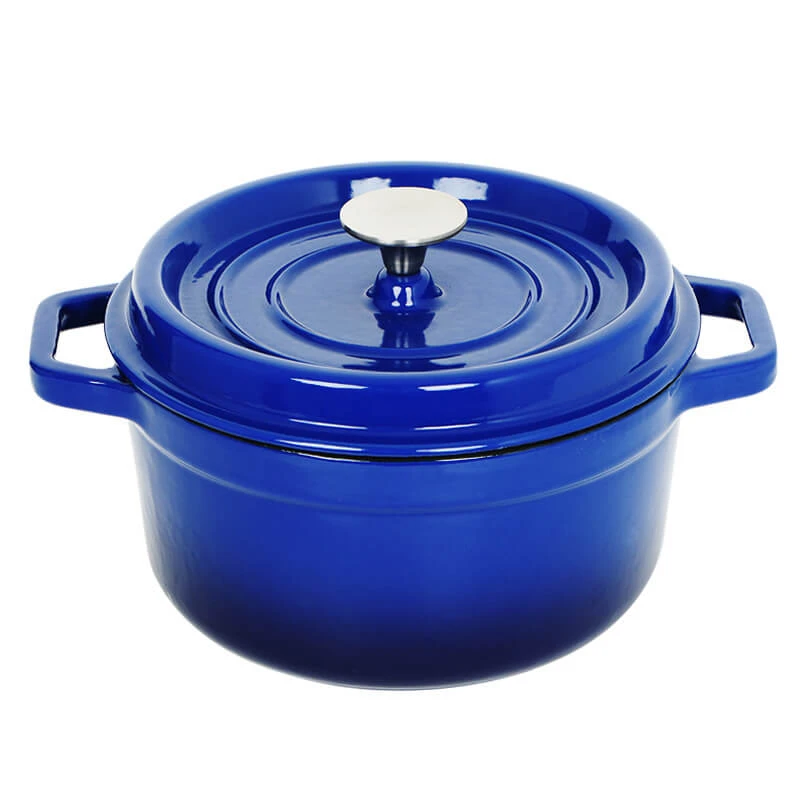
In simplest terms, a dutch oven is a thick-walled cooking pot, traditionally made from cast iron, featuring a tight-fitting lid. It’s designed for even heat distribution and retention, allowing slow-cooking, roasting, and simmering with minimal energy. Modern variants may use enameled coatings or lighter metals but the core design principle remains.
Historically linked to Dutch metallurgy and colonial trade, the dutch oven has progressed from a kitchen staple to an industrial and humanitarian tool. For example, in outdoor relief efforts, its capacity to cook large quantities of food over minimal fuel becomes invaluable.
Key Factors Behind the Dutch Oven’s Enduring Appeal
Durability
One of the toughest pots you’ll ever own. Cast iron dutch ovens can last over a lifetime with proper care. They withstand intense heat, rough handling, and time. Many chefs joke they inherit them from grandparents — and pass them down to their kids.
Heat Retention & Distribution
It’s kind of magical how evenly a dutch oven cooks. The heavy material absorbs and holds heat so long, you can slow-cook stew for hours with consistent temperature, reducing fuel consumption while yielding tender, flavorsome meals.
Versatility
From baking bread on a campfire to simmering sauces on a stovetop, a dutch oven does it all. It’s the ultimate multi-tasker, fitting a variety of culinary styles and heat sources.
Energy Efficiency
Given its insulation qualities, less energy is needed to cook. That’s a real plus for off-grid communities and environmentally conscious users.
Ease of Maintenance
While traditional cast iron demands seasoning to prevent rust, enameled dutch ovens offer corrosion-resistant surfaces, making them simpler to clean and maintain in humid or challenging environments.
Mini Takeaway:
Durability, heat management, adaptability, energy savings, and maintenance make the dutch oven not just cookware, but an enduring lifestyle companion—even beyond kitchens.
How Dutch Ovens are Used Around the World
The dutch oven finds its way everywhere—from suburban kitchens in Germany to remote villages in Africa. Here are some real-world applications where this cookware shines:
- Disaster Relief and Emergency Camps: Organizations provide portable dutch ovens to camp kitchens because they can feed hundreds with basic fuel, fostering community and sustenance.
- Outdoor Enthusiasts & Camping: In National Parks of the US and Australia, campers swear by dutch ovens for rustic, slow-cooked meals.
- Developing Rural Areas: Where electricity or gas may be scarce, cast iron pots become essential for daily family meals.
- Gourmet and Home Cooking Worldwide: Chefs praise the dutch oven for its slow braising and bread baking qualities.
Mini Takeaway:
Whether for survival, leisure, or gourmet cooking, dutch ovens serve diverse needs across continents and cultures.
Advantages that Extend Beyond the Kitchen
- Cost Efficiency: One pot, countless meals, lasting decades. Upfront investment pays off.
- Sustainability: Reduces reliance on electricity or disposable cookware.
- Social Impact: Prepping communal meals in emergencies promotes dignity and cohesion.
- Reliability: Works simply with wood, charcoal, or an oven.
Frankly, the feelings associated with a dutch oven are warm and reassuring—like comfort food you can trust. Many users speak of “heirloom” connections, linking family history through generations. There’s something inherently grounding about cooking with a piece of cookware that’s lasted well before smartphones.
Product Specification Table: Common Dutch Oven Models
| Model | Material | Capacity | Weight | Coating | Price Range |
|---|---|---|---|---|---|
| Classic Cast Iron | Cast Iron | 5 quarts | 12 lbs | None (seasoning required) | $60 – $120 |
| Enameled Dutch Oven | Cast Iron | 4.5 quarts | 8 lbs | Porcelain enamel | $100 – $300 |
| Lightweight Aluminum | Aluminum Alloy | 3 quarts | 3.5 lbs | Non-stick coating | $50 – $90 |
How Vendors Stack Up: A Comparative Look
| Brand | Price Range | Warranty | Popularity | Unique Feature |
|---|---|---|---|---|
| Lodge | $50-$150 | Limited Lifetime | High | Affordable, traditional cast iron |
| Le Creuset | $200-$500 | 10 years | Premium | Vibrant color selection and enamel coating |
| Camp Chef | $70-$130 | Limited Lifetime | Moderate | Great for outdoor enthusiasts & camping |
Looking Ahead: Trends and Innovations in Dutch Oven Design
The dutch oven is far from static. Manufacturers increasingly explore sustainable materials such as recycled metals and novel non-stick coatings that reduce seasoning hassles. Alongside, smart cookware integration—temperature sensors integrated into lids or digital cooking guides—is on the horizon to bring ancient methods into the digital age.
In parallel, growing environmental concerns push the industry toward energy-efficient designs, reflecting wider green energy imperatives. It feels like dutch ovens are poised to join this wave, especially in low-impact outdoor setups and emergency kits emphasizing sustainability.
Challenges and How Industry Leaders Tackle Them
Of course, these heavy pots aren’t perfect. Their weight makes transportation tricky, especially for elderly or disabled users. Seasoning requirements can deter beginners, and quality inconsistencies exist between brands.
To address these, vendors focus on lighter alloys and easier maintenance options, while instructional content helps newcomers trust the process. Some companies even bundle cookware with repair services and extended warranties, nurturing customer loyalty. It’s an evolving conversation that’s quite promising.
FAQ: Frequently Asked Questions About Dutch Ovens
1. What makes a dutch oven better than a regular pot for cooking?
The thick walls and lid of a dutch oven provide superior heat distribution and retention, resulting in evenly cooked meals without hotspots. This versatility also means you can sauté, braise, bake, or fry—all in one pot.
2. Can I use a dutch oven on any heat source?
Generally, yes. Traditional cast iron versions work well on stoves, ovens, campfires, and grills. However, enameled dutch ovens may not be suitable for open flames depending on the brand—always check manufacturer guidelines.
3. How do I maintain and season a cast iron dutch oven?
Clean your pot with hot water (no soap), dry thoroughly, then apply a thin layer of cooking oil. Heat it to polymerize the oil, creating a natural non-stick layer. Repeat periodically to maintain seasoning.
4. Are dutch ovens suitable for large family gatherings?
Absolutely! Sizes range from small (2 quarts) to large (8+ quarts), so you can pick a model to suit your cooking volume. They’re especially valued for slow-cooked stews and roasts, perfect for family-style meals.
5. Is it worth investing in an enamel-coated dutch oven?
If you prefer minimal upkeep and a modern look, yes. Enameled dutch ovens don’t require seasoning, are easy to clean, and come in multiple colors. They do tend to be pricier but may pay off for busy users.
In Closing: Why the Dutch Oven Still Deserves a Spot in Your Kitchen
There’s a reason the dutch oven has stood the test of time: it blends simplicity with unmatched practicality. Long-term, investing in one means embracing a trusted tool that saves energy, enhances meals, and even connects you with a centuries-long tradition.
If you’re curious or ready to bring this versatile cookware home, check out reliable options at our dutch oven collection. You might just find your next kitchen centerpiece.
References
-
Antique Cast Iron Camp Oven: Durable Outdoor Cookware for Professionals | ZD CookwareNewsJan.06,2026
-
Durable 4 Quart Camping Pot for Professional Use | ZD CookwareNewsJan.06,2026
-
Durable Campfire Cast Iron Pot for Outdoor & Industrial UseNewsJan.06,2026
-
Cast Iron Griddle for Camp Stove – Durable Outdoor Cooking EssentialNewsJan.06,2026
-
Dutch Oven Cast Iron Camping – Durable Outdoor Cooking GearNewsJan.05,2026
-
Durable and Efficient Cast Iron Camping Griddle for B2B Professionals | ZD CookwareNewsJan.05,2026