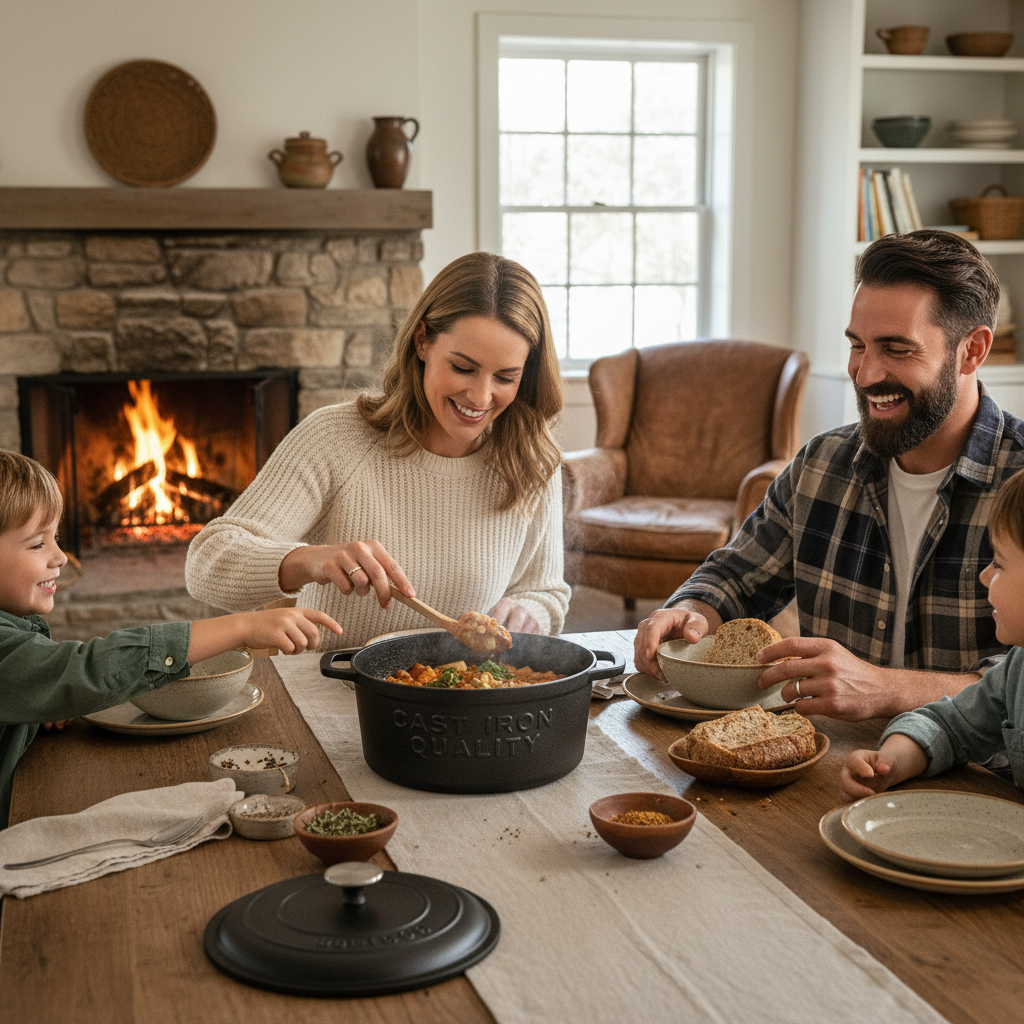
Different kinds of cast iron pans have been a cornerstone of kitchens for centuries, evolving from utilitarian cooking vessels to cherished heirlooms. Their versatility, durability, and ability to retain heat make them ideal for a wide range of cooking techniques, from searing steaks to baking rustic breads. Understanding the nuances of these pans – from seasoned skillets to enameled Dutch ovens – empowers cooks to unlock their full potential and create exceptional meals.
Globally, cast iron cookware enjoys widespread popularity, though regional preferences exist. In the United States, it’s often associated with Southern cuisine and outdoor cooking, while in Japan, tetsubin (cast iron teapots) are prized for their ability to enhance the flavor of tea. The demand for durable and reliable cookware, coupled with a growing interest in traditional cooking methods, continues to drive the global cast iron market.
The resurgence in cast iron’s popularity also reflects a broader trend towards sustainable living. Its longevity means fewer replacements, reducing waste. Furthermore, with proper care, a cast iron pan can last for generations, making it a truly timeless investment. Exploring the different kinds of cast iron pans opens up a world of culinary possibilities and promotes a more mindful approach to cooking.
The Historical Development of different kinds of cast iron pans
The history of cast iron cookware stretches back thousands of years, with evidence of iron smelting dating back to ancient civilizations. Early forms were crude, but the development of casting techniques gradually allowed for the creation of more sophisticated and functional pans. The widespread adoption of cast iron in Europe during the Middle Ages coincided with advancements in iron production and the growing demand for durable cookware.
Over time, cast iron pans became essential tools in both domestic and professional kitchens. In the United States, they were particularly prevalent in the 19th and early 20th centuries, often passed down through generations. The different kinds of cast iron pans, initially simple skillets, expanded to include Dutch ovens, griddles, and other specialized forms to meet evolving culinary needs.
The Composition and Manufacturing of different kinds of cast iron pans
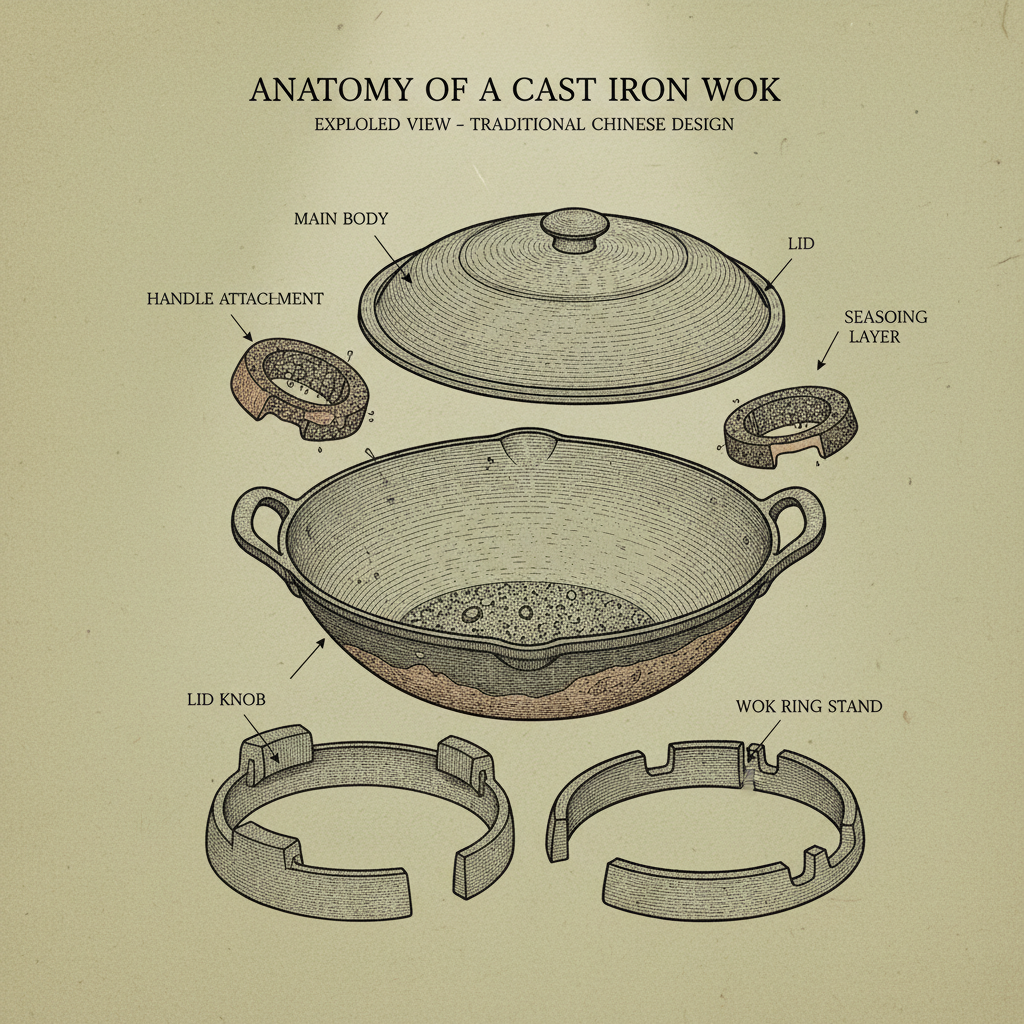
Cast iron is an alloy primarily composed of iron, carbon, and silicon. The carbon content is higher than that of steel, contributing to its brittleness but also to its excellent heat retention and distribution. Different manufacturing processes influence the final properties of the pan. Traditional methods involve pouring molten iron into sand molds, while modern techniques may utilize automated casting machinery.
The process of seasoning—coating the iron with layers of polymerized oil—is crucial for creating a non-stick surface and preventing rust. This process transforms the porous iron into a smooth, protective layer. Different oils can be used for seasoning, each imparting slightly different characteristics. The resulting surface is what gives different kinds of cast iron pans their legendary cooking performance.
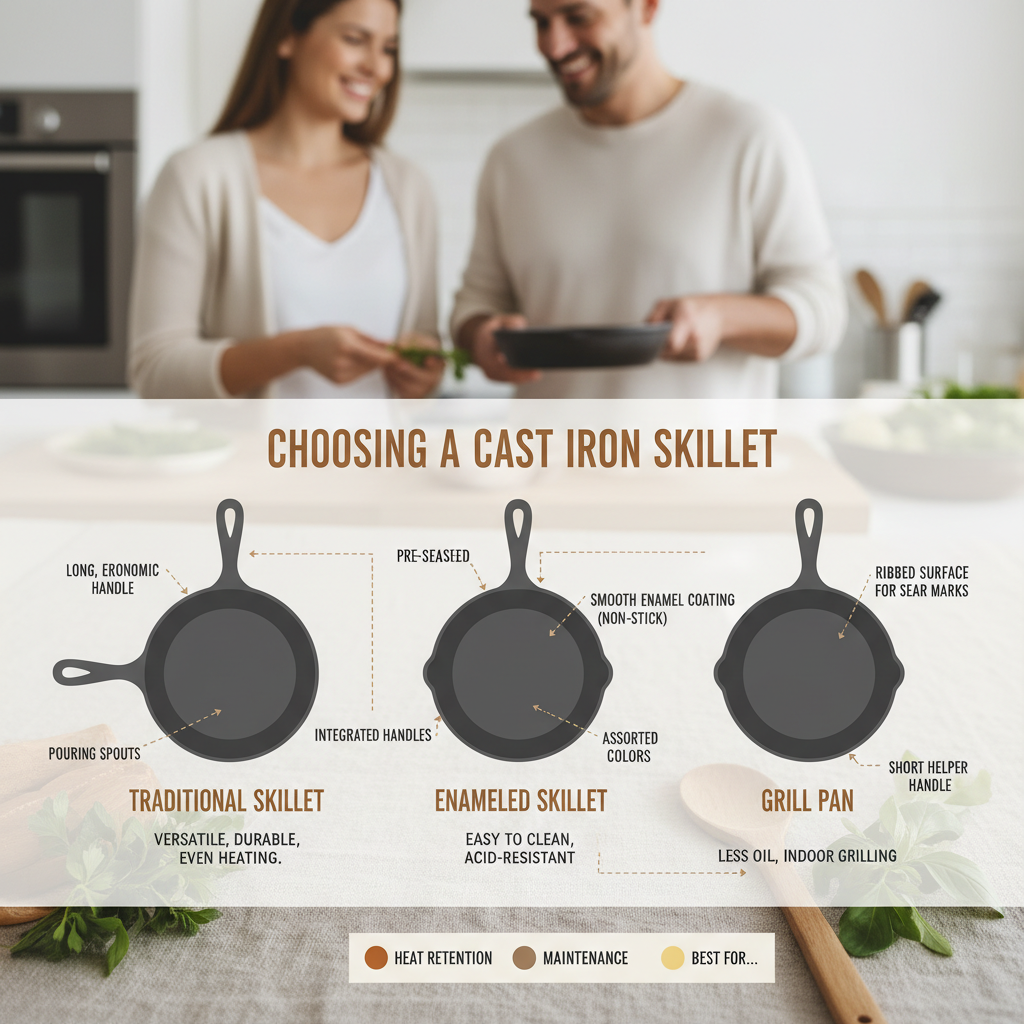
Enameled cast iron pans undergo an additional process where a porcelain enamel coating is fused to the iron surface. This coating provides a non-reactive cooking surface and eliminates the need for seasoning, while still retaining the heat retention benefits of cast iron. These different kinds of cast iron pans are often vibrantly colored and require different care routines than traditional seasoned cast iron.
The Diverse Range of different kinds of cast iron pans
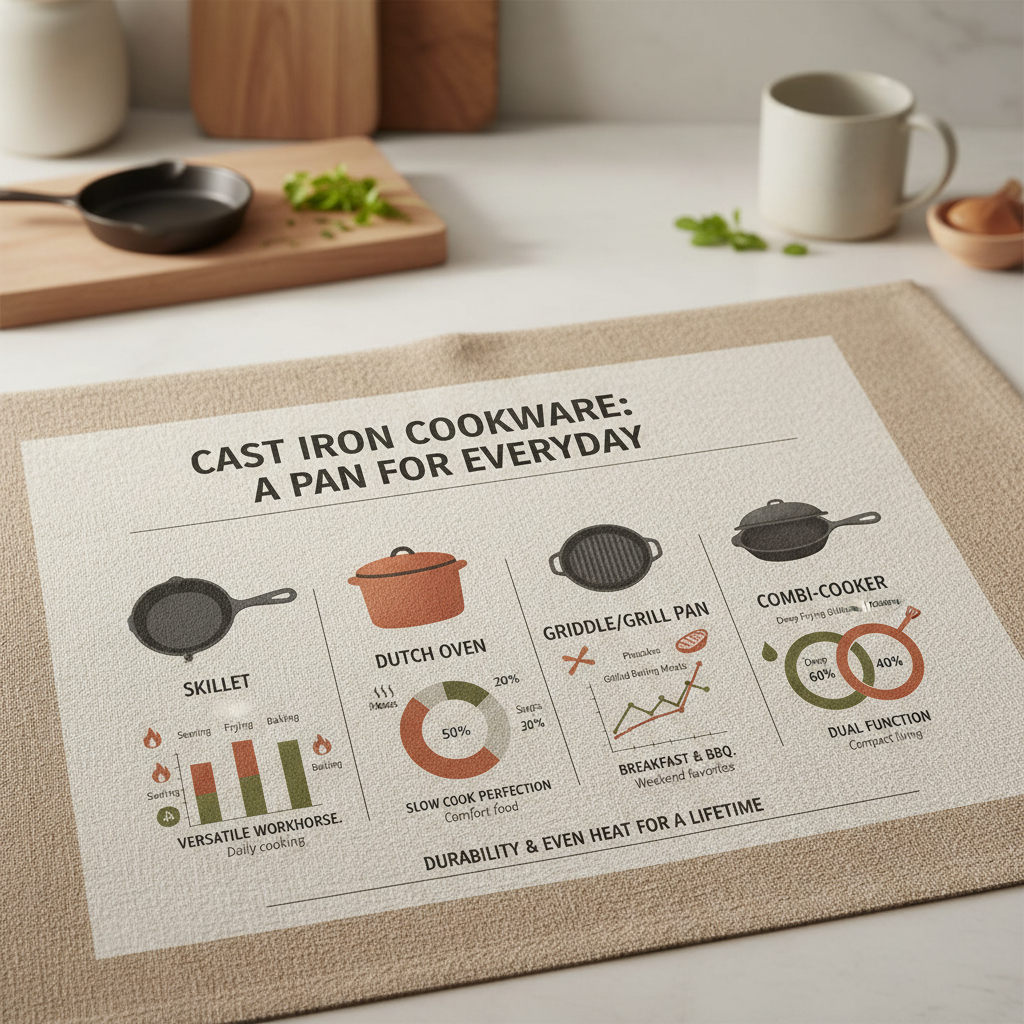
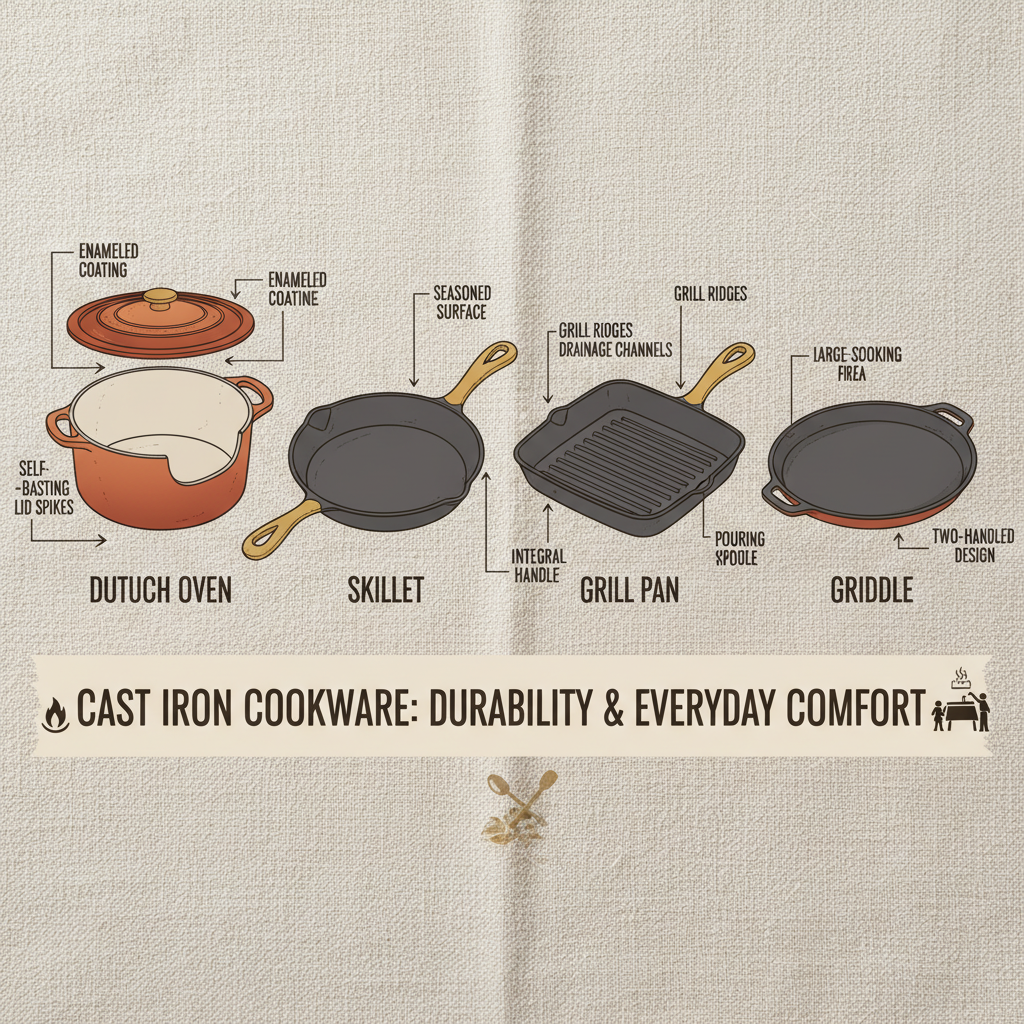
The world of cast iron cookware extends far beyond the standard skillet. Different kinds of cast iron pans cater to specific cooking needs. Skillets are versatile all-purpose pans, ideal for searing, frying, and sautéing. Dutch ovens are heavy-walled pots with tight-fitting lids, perfect for braising, stewing, and baking.
Griddles offer a flat surface for pancakes, bacon, and other breakfast favorites. Cornbread pans are designed specifically for baking cornbread with perfectly crisp edges. Waffle irons create delicious waffles with a characteristic grid pattern. There are even specialized cast iron pans for paella and pizza! Exploring these different kinds of cast iron pans expands your culinary repertoire.
Enameled cast iron expands the range even further, offering colorful and non-reactive options for acidic foods like tomatoes. While some consider traditional seasoned cast iron superior for certain tasks, enameled cast iron provides convenience and aesthetic appeal. The variety of different kinds of cast iron pans available ensures that there's a pan for every cook and every dish.
Performance Characteristics of different kinds of cast iron pans
The defining characteristic of different kinds of cast iron pans is their exceptional heat retention. This allows for even cooking and searing at high temperatures. Once heated, a cast iron pan maintains its temperature remarkably well, making it ideal for maintaining a consistent cooking environment.
Furthermore, cast iron distributes heat evenly, eliminating hot spots that can lead to unevenly cooked food. The weight of the pan also contributes to its stability and prevents it from shifting during cooking. These factors combined contribute to the superior performance of different kinds of cast iron pans, particularly for techniques like searing and baking.
Performance Ratings of Different Cast Iron Pan Types
Global Usage and Culinary Traditions of different kinds of cast iron pans
Across the globe, different kinds of cast iron pans are interwoven into diverse culinary traditions. In the American South, seasoned cast iron skillets are practically synonymous with soul food and Southern cooking, used for frying chicken, cornbread, and countless other dishes.
In Japan, tetsubin (cast iron teapots) are treasured for their ability to impart a unique flavor to tea and for their aesthetic appeal. In France, enameled cast iron Dutch ovens are staples for slow-cooked stews and braised meats. These regional preferences demonstrate the adaptability and enduring appeal of different kinds of cast iron pans.
The Advantages and Disadvantages of different kinds of cast iron pans
The advantages of different kinds of cast iron pans are numerous: exceptional heat retention, even heating, durability, versatility, and affordability. Properly maintained, a cast iron pan can last for generations. The non-stick surface develops with seasoning, minimizing the need for oil.
However, cast iron also has its drawbacks. It's heavy, requiring some strength to handle. It can rust if not properly seasoned and cared for. It reacts with acidic foods, potentially imparting a metallic taste (unless enameled). Finally, it requires a learning curve to master proper seasoning and maintenance.
Despite these disadvantages, the benefits of different kinds of cast iron pans often outweigh the drawbacks for serious cooks. The longevity, performance, and unique cooking characteristics make them a worthwhile investment for those seeking quality and durability.
Maintenance, Restoration, and Longevity of different kinds of cast iron pans
Proper maintenance is key to maximizing the lifespan of different kinds of cast iron pans. After each use, the pan should be cleaned with warm water and a mild soap (avoid harsh detergents). It's essential to dry the pan thoroughly to prevent rust. A light coating of oil after drying helps maintain the seasoning.
Rust can be removed with steel wool and re-seasoning. Stripping and re-seasoning can restore a heavily rusted or poorly seasoned pan. Regular use also contributes to the seasoning process. The more you cook with your cast iron, the better it becomes. Different kinds of cast iron pans truly improve with age.
With proper care, a cast iron pan can last for generations, becoming a cherished heirloom. The longevity of these pans represents a sustainable alternative to frequently replacing non-stick cookware. Investing in a good quality cast iron pan is an investment in a lifetime of cooking.
Summary of Cast Iron Pan Maintenance Best Practices
| Cleaning Method |
Seasoning Frequency |
Rust Removal Technique |
Long-Term Storage |
| Warm water, mild soap, soft sponge |
After each use, or as needed |
Steel wool, re-seasoning |
Dry location, light oil coating |
| Avoid dishwashers and abrasive cleaners |
Every 3-6 months for heavy use |
Vinegar soak, scrubbing |
Protect from humidity |
| Dry immediately after washing |
After rust removal |
Electrolysis for severe rust |
Avoid nesting with other cookware |
| Use a pan scraper for stuck-on food |
As needed to maintain non-stick surface |
Professional restoration services |
Wrap in cloth for protection |
| Avoid soaking for extended periods |
When the seasoning appears thin |
Chemical rust removers (use with caution) |
Store with desiccant packets |
| Seasoning oils: flaxseed, canola, vegetable |
Multiple thin coats are better than one thick coat |
Preventative maintenance is best |
Regular use is the best maintenance |
FAQS
Seasoning a new cast iron pan involves coating it with thin layers of oil and baking it in the oven. Start by washing the pan with warm, soapy water, drying it completely, and then applying a very thin coat of oil (like flaxseed or canola) to all surfaces. Bake upside down at 450-500°F for an hour, repeating the process 2-3 times to build up a good base seasoning. This process creates a polymerized layer that prevents rust and provides a natural non-stick surface.
Removing rust from a cast iron pan can be done using steel wool, a scouring pad, or even vinegar. For light rust, scrubbing with steel wool and warm water is often sufficient. For more stubborn rust, soak the pan in a 50/50 solution of vinegar and water for no more than 30 minutes, then scrub. After removing the rust, immediately wash, dry thoroughly, and re-season the pan to prevent further corrosion.
No, you should never put cast iron pans in the dishwasher. The harsh detergents and prolonged exposure to water will strip away the seasoning, leading to rust. Always hand wash your cast iron pans with warm water and a mild soap, dry them immediately, and apply a thin coat of oil after cleaning. This will help maintain the seasoning and prevent corrosion.
Flaxseed oil is often touted as the best oil for seasoning due to its high concentration of linolenic acid, which polymerizes readily. However, canola oil, vegetable oil, and shortening are also effective and more readily available. Avoid using olive oil or butter, as they can become sticky and don't polymerize as well. Apply the oil in very thin coats to prevent stickiness during the seasoning process.
Yes, you can use cast iron on a glass cooktop, but it’s essential to exercise caution. Avoid dragging the pan across the surface, as this can cause scratches. Lift and place the pan gently. Also, avoid high heat settings, as cast iron retains heat very well and can potentially damage the cooktop. Using a silicone trivet or mat beneath the pan can provide added protection.
Ensuring your cast iron pan is properly seasoned is the key to preventing food from sticking. Use enough oil or fat when cooking, and allow the pan to preheat thoroughly before adding food. Avoid cooking acidic foods (like tomatoes) for extended periods in a newly seasoned pan, as they can break down the seasoning. If food does stick, avoid using metal utensils to scrape it off.
Conclusion
Different kinds of cast iron pans represent a remarkable blend of tradition, practicality, and sustainability. From their ancient origins to their modern resurgence, these versatile cooking tools continue to hold a prominent place in kitchens worldwide. Their exceptional heat retention, durability, and ability to enhance the flavor of food make them a valuable investment for cooks of all levels.
Looking ahead, the popularity of different kinds of cast iron pans is likely to continue to grow as more people embrace sustainable cooking practices and seek out durable, long-lasting cookware. By understanding the nuances of seasoning, maintenance, and usage, you can unlock the full potential of these timeless kitchen companions. Visit our website at zdcookware.com to explore our range of cast iron pans and elevate your cooking experience!