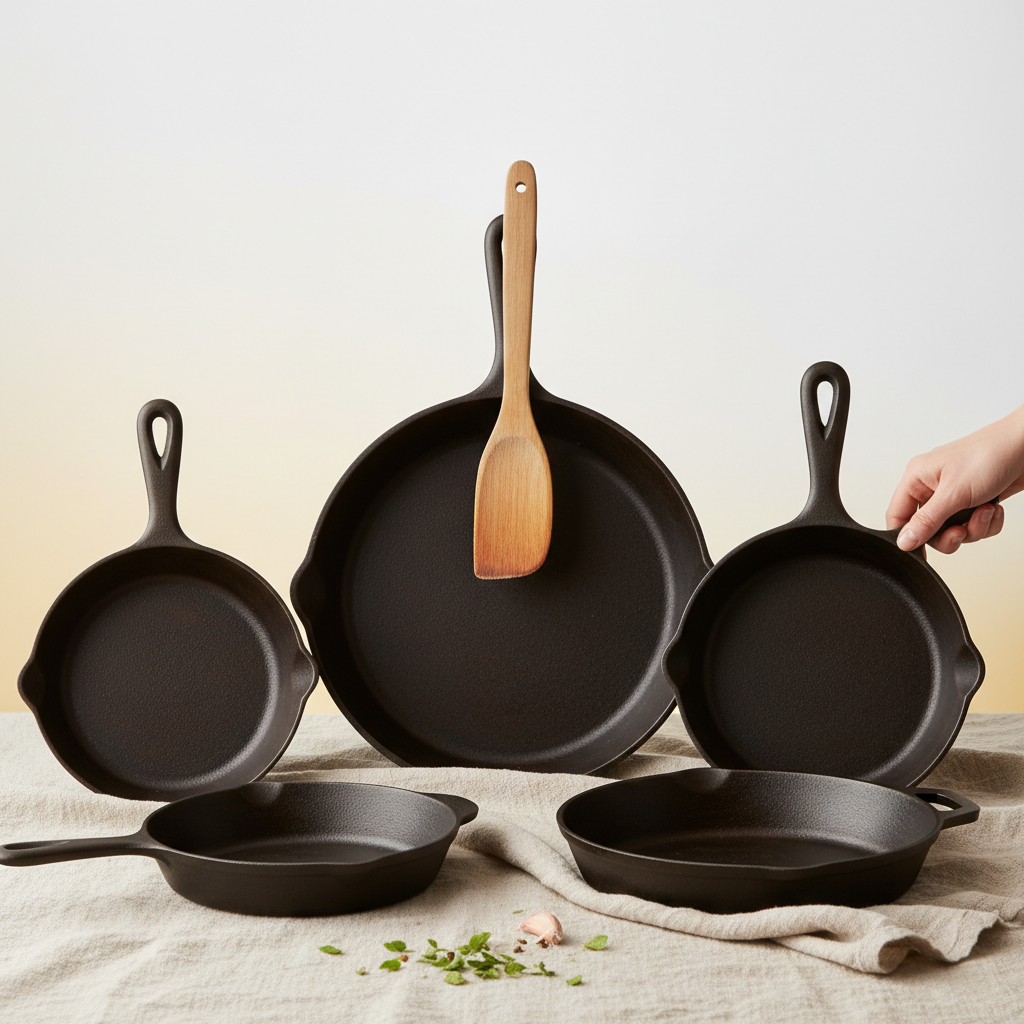
Different cast iron skillets have become a cornerstone of kitchens worldwide, prized for their durability, versatility, and ability to retain heat. From the classic American skillet to enameled variations and specialized designs, these cooking vessels represent a blend of traditional craftsmanship and modern innovation. Understanding the nuances of different cast iron skillets allows cooks to unlock a world of culinary possibilities, enhancing both flavor and cooking efficiency. This guide delves into the world of cast iron, exploring the various types available and their unique characteristics, all to elevate your cooking experience.
The global demand for cast iron skillets is steadily increasing, driven by a growing appreciation for sustainable and long-lasting cookware. While traditionally associated with North America, cast iron production and consumption are now prominent in Europe, Asia, and South America. According to industry reports, the market is projected to continue its growth trajectory, fueled by trends like home cooking, outdoor grilling, and a revival of classic cooking techniques. This resurgence highlights the enduring appeal of cast iron, offering a reliable and eco-friendly alternative to modern non-stick options.
Cast iron skillets aren’t just kitchen tools; they’re investments. Their ability to be passed down through generations speaks to their lasting value. Modern manufacturers are now combining traditional casting techniques with innovative designs, offering a wider range of choices for consumers. This accessibility is changing the landscape of home cooking and bringing the benefits of cast iron to more households globally. Discovering the ideal type of cast iron skillet – whether it's for searing steaks, baking cornbread, or simply everyday frying – is the first step to unlocking its potential.
The Evolution of different cast iron skillets
The history of cast iron skillets is a fascinating journey spanning centuries. Originally developed in China as early as the 7th century, cast iron technology gradually made its way to Europe and eventually North America. Early American colonists relied heavily on cast iron for cooking, utilizing its ability to distribute heat evenly, perfect for open-hearth cooking. different cast iron skillets have continuously evolved alongside culinary practices, adapting to changing needs and preferences.
Throughout the 19th and 20th centuries, cast iron skillets became a staple in American kitchens. Brands like Lodge emerged as iconic manufacturers, producing durable and affordable cookware. While the rise of non-stick surfaces in the latter half of the 20th century briefly diminished cast iron’s popularity, a renewed appreciation for its benefits has sparked a resurgence in recent decades. Today, you can find a wide array of different cast iron skillets to meet diverse cooking needs.
Defining different cast iron skillets
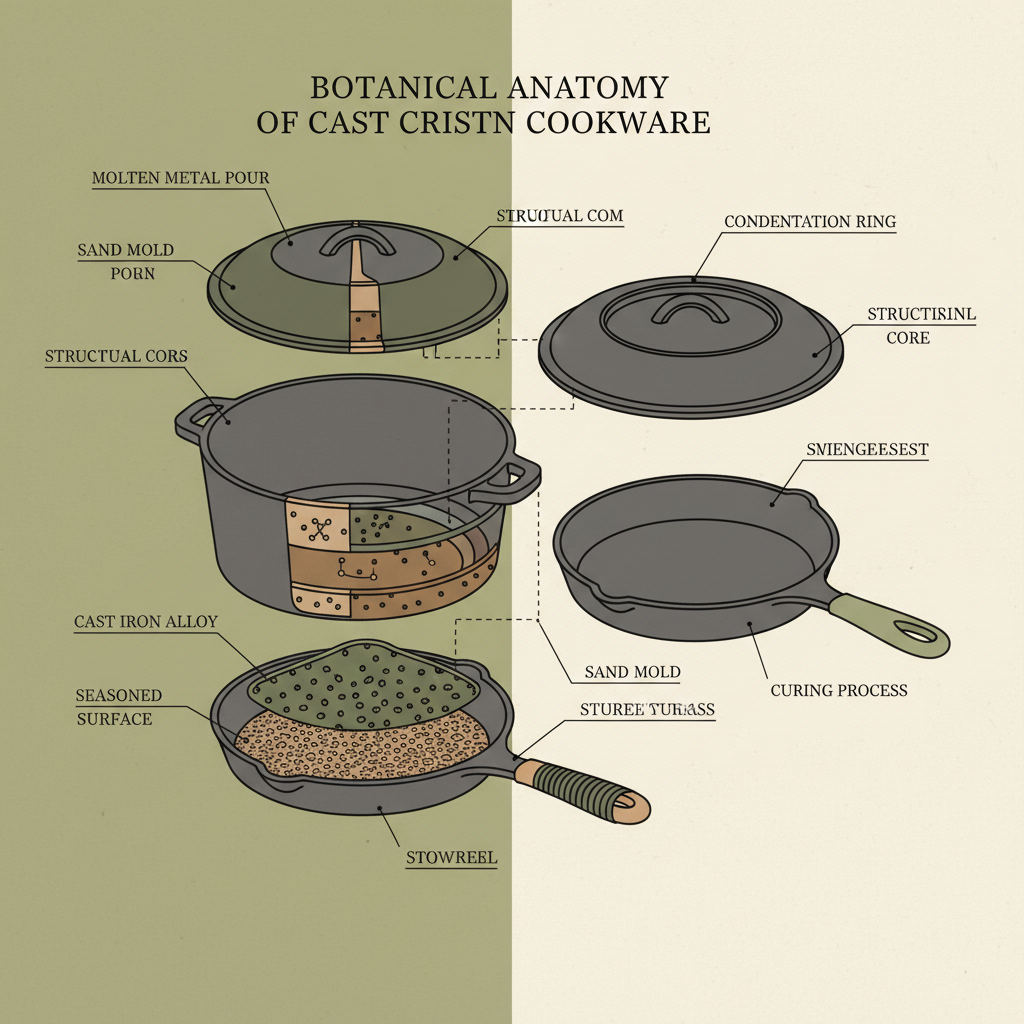
Different cast iron skillets are cookware made from cast iron – an alloy of iron, carbon, and silicon. The process involves pouring molten iron into a mold, creating a vessel known for its heat retention, even heating, and remarkable durability. Unlike stainless steel or aluminum, cast iron requires a seasoned surface – a protective layer built up through repeated oiling and heating – to prevent rusting and provide a naturally non-stick cooking surface.
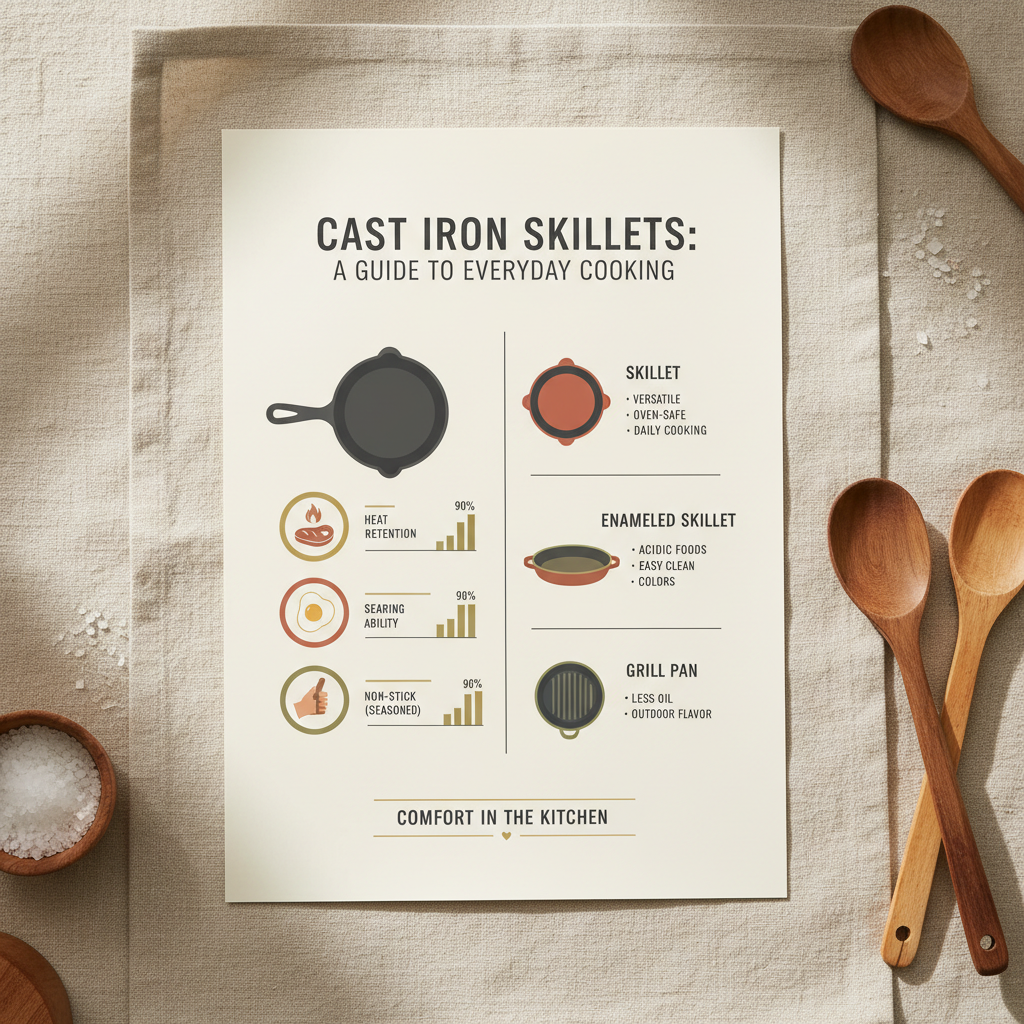
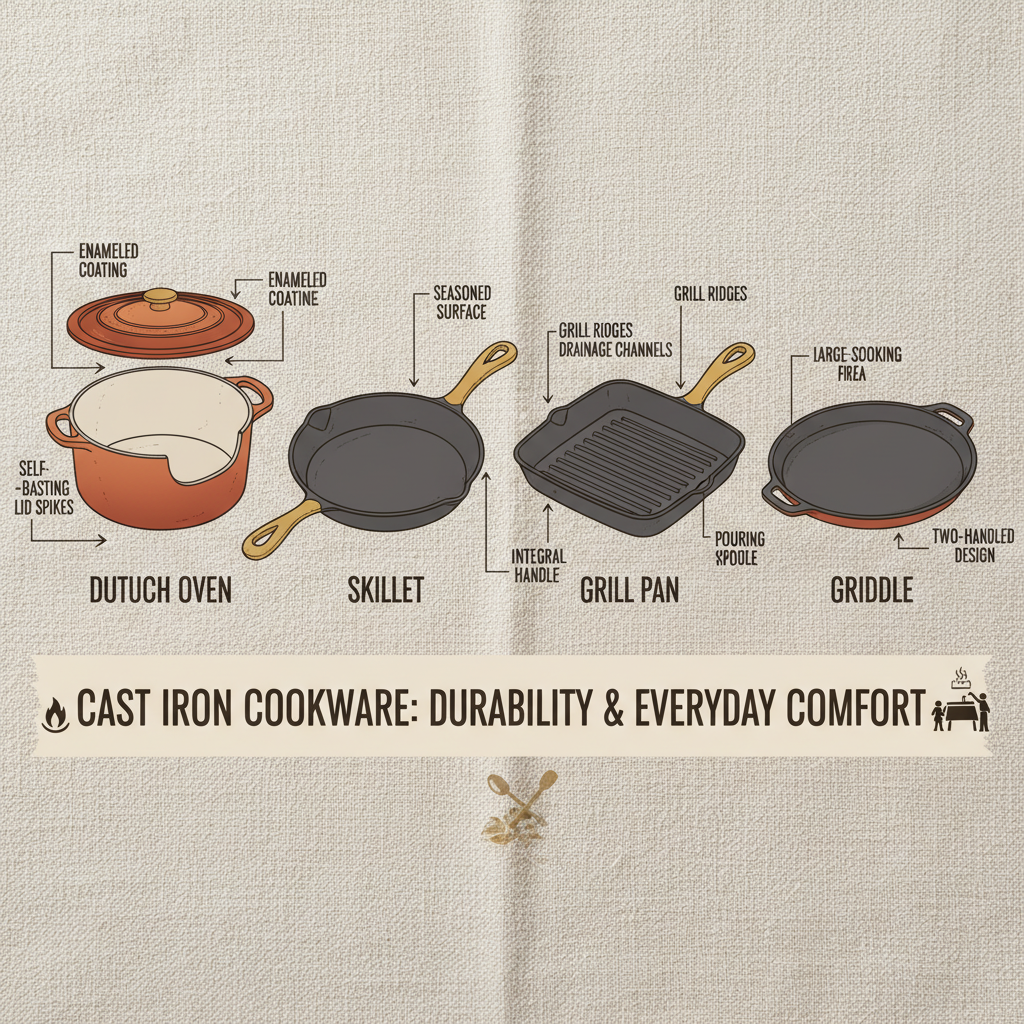
The variations in different cast iron skillets stem from the manufacturing process and additional treatments. Traditional skillets are rough-cast and require extensive seasoning. Enameled cast iron skillets, coated with a porcelain enamel finish, offer a smoother surface and don't require seasoning, though they don’t offer the same non-stick properties as a well-seasoned traditional skillet. These variations cater to different culinary preferences and cooking styles.
Ultimately, a cast iron skillet is more than just a pan; it’s a versatile cooking tool capable of handling a wide range of tasks, from searing and frying to baking and braising. The weight of the iron contributes to its excellent heat retention, making it ideal for maintaining consistent temperatures even when cooking outdoors or over an open flame.
Core Characteristics of different cast iron skillets
One of the most defining characteristics of different cast iron skillets is their exceptional heat retention. The density of the iron allows it to absorb and hold heat for extended periods, ensuring consistent cooking temperatures and preventing drastic fluctuations. This is particularly beneficial for tasks like searing meats, where a high initial temperature is crucial for achieving a flavorful crust.
Durability is another key attribute. A well-maintained cast iron skillet can literally last for generations, becoming a cherished family heirloom. The iron itself is incredibly robust, capable of withstanding high temperatures and rough handling. Unlike non-stick coatings that degrade over time, a seasoned cast iron surface actually improves with use, becoming smoother and more naturally non-stick.
Versatility is also a standout characteristic. Different cast iron skillets can be used on a variety of heat sources – stovetop, oven, grill, and even over a campfire. They are suitable for a wide range of cooking methods, including frying, sautéing, braising, baking, and roasting. This adaptability makes them an indispensable tool for any home cook.
Practical Applications of different cast iron skillets
Different cast iron skillets excel at searing meats, creating a beautiful crust while locking in juices. The high heat retention ensures even cooking and prevents sticking, resulting in perfectly browned steaks, chops, and poultry. The skill is also ideal for baking, producing evenly browned and crispy crusts on breads, pies, and cornbread.
Beyond searing and baking, cast iron is fantastic for frying. Whether you’re making crispy fried chicken, golden-brown hash browns, or delicate pancakes, the even heat distribution prevents hot spots and ensures consistent results. A well-seasoned skillet provides a naturally non-stick surface, minimizing the need for excessive oil.
Cooking Methods & Suitability for different cast iron skillets
Global Usage and Impact of different cast iron skillets
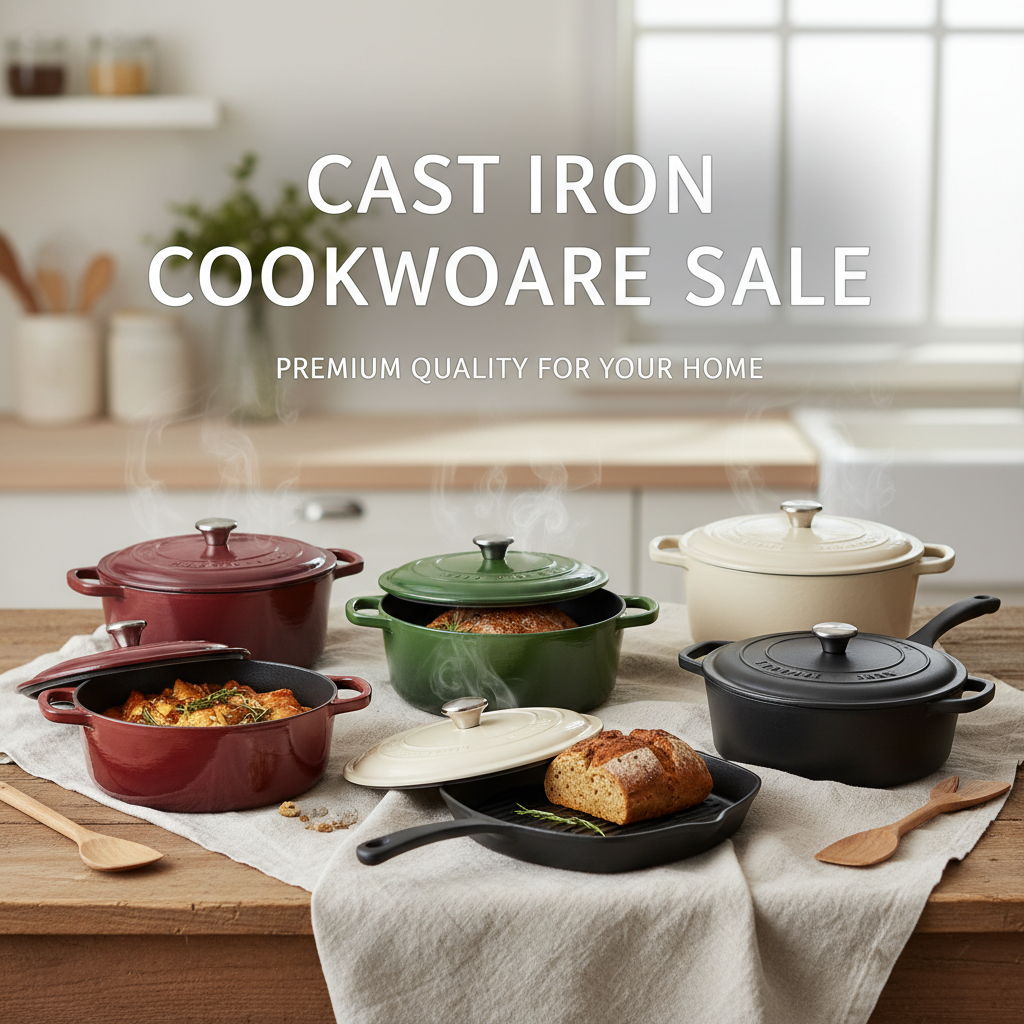
Across the United States, cast iron skillets are deeply ingrained in culinary traditions, particularly in Southern cooking where they are used for everything from fried chicken to cornbread. In Europe, particularly in France and Germany, enameled cast iron skillets, often marketed under brands like Le Creuset, are prized for their aesthetic appeal and versatility.
The use of different cast iron skillets extends beyond home kitchens. Restaurants and professional chefs worldwide appreciate their durability and ability to deliver exceptional results. In Latin America, cast iron is often used for traditional dishes cooked over open flames, taking advantage of its heat retention properties.
Even in remote areas with limited access to modern cooking technology, cast iron skillets provide a reliable and robust solution for preparing meals. Their simplicity and durability make them a valuable asset in disaster relief efforts and in communities where sustainability and longevity are prioritized.
The Enduring Value of different cast iron skillets
The tangible benefits of different cast iron skillets are numerous. They offer a cost-effective, long-term cooking solution that doesn’t require frequent replacement. Compared to non-stick cookware, which needs to be replaced every few years, a properly maintained cast iron skillet can last a lifetime, saving consumers money in the long run.
Furthermore, cast iron contributes to sustainable cooking practices. The longevity of the cookware reduces waste, and the material itself is recyclable. From a culinary perspective, the even heating and heat retention create consistently delicious results, enhancing the overall cooking experience and promoting a deeper connection to the food we prepare.
Future Trends in different cast iron skillets
Innovations in casting techniques are leading to lighter-weight cast iron skillets without sacrificing heat retention. Manufacturers are also experimenting with different alloys and coatings to enhance non-stick properties and reduce the need for extensive seasoning. Smart cast iron skillets with integrated temperature sensors are emerging, offering precise control and improved cooking accuracy.
A growing trend is the focus on sustainable manufacturing processes, utilizing recycled iron and eco-friendly packaging. The combination of traditional craftsmanship with modern technology is creating a new generation of different cast iron skillets that appeal to a wider audience.
Looking ahead, we can expect to see further integration of technology and a greater emphasis on customization. The potential for personalized cast iron skillets – tailored to specific cooking styles and preferences – is an exciting prospect for the future.
Analysis of Current Challenges and Potential Solutions in different cast iron skillets
| Challenge |
Impact on User Experience |
Proposed Solution |
Implementation Feasibility (1-10) |
| Weight of Traditional Skillets |
Difficult handling for some users |
Utilize thinner casting techniques and alloy blends |
7 |
| Seasoning Maintenance |
Requires regular oiling and heating to prevent rust |
Develop more durable, pre-seasoned coatings |
8 |
| Uneven Heating in Some Models |
Hot spots can lead to uneven cooking |
Improve casting precision and base design |
6 |
| Enameled Coating Durability |
Coatings can chip or crack with misuse |
Explore more resilient enamel formulations |
5 |
| Rusting Potential |
Susceptible to rust if not properly maintained |
Develop rust-resistant alloy compositions |
9 |
| Cost for High-Quality Skillets |
Premium brands can be expensive |
Streamline manufacturing processes and reduce material costs |
7 |
FAQS
Seasoning a new cast iron skillet involves coating it with a thin layer of oil and heating it to create a polymerized surface. Start by washing the skillet with mild soap and water, then thoroughly dry it. Apply a thin, even coat of cooking oil (flaxseed, canola, or vegetable oil work well) to all surfaces, inside and out. Place the skillet upside down in a preheated oven at 350-400°F (175-205°C) for one hour. Let it cool completely in the oven. Repeat this process several times for a durable seasoning.
While traditionally discouraged, modern dish soaps are generally safe to use on a well-seasoned cast iron skillet. The key is to use a mild soap and avoid harsh scrubbing. The seasoning protects the iron from rusting. Rinse thoroughly and dry immediately. However, avoid prolonged soaking, as this can weaken the seasoning.
If your cast iron skillet develops rust, don't despair! You can remove it with steel wool or sandpaper. Start by scrubbing the rust off, then wash the skillet with soap and water. Dry thoroughly and re-season it as described above. For stubborn rust, consider using a vinegar soak (equal parts vinegar and water) for no more than 30 minutes, followed by scrubbing and re-seasoning.
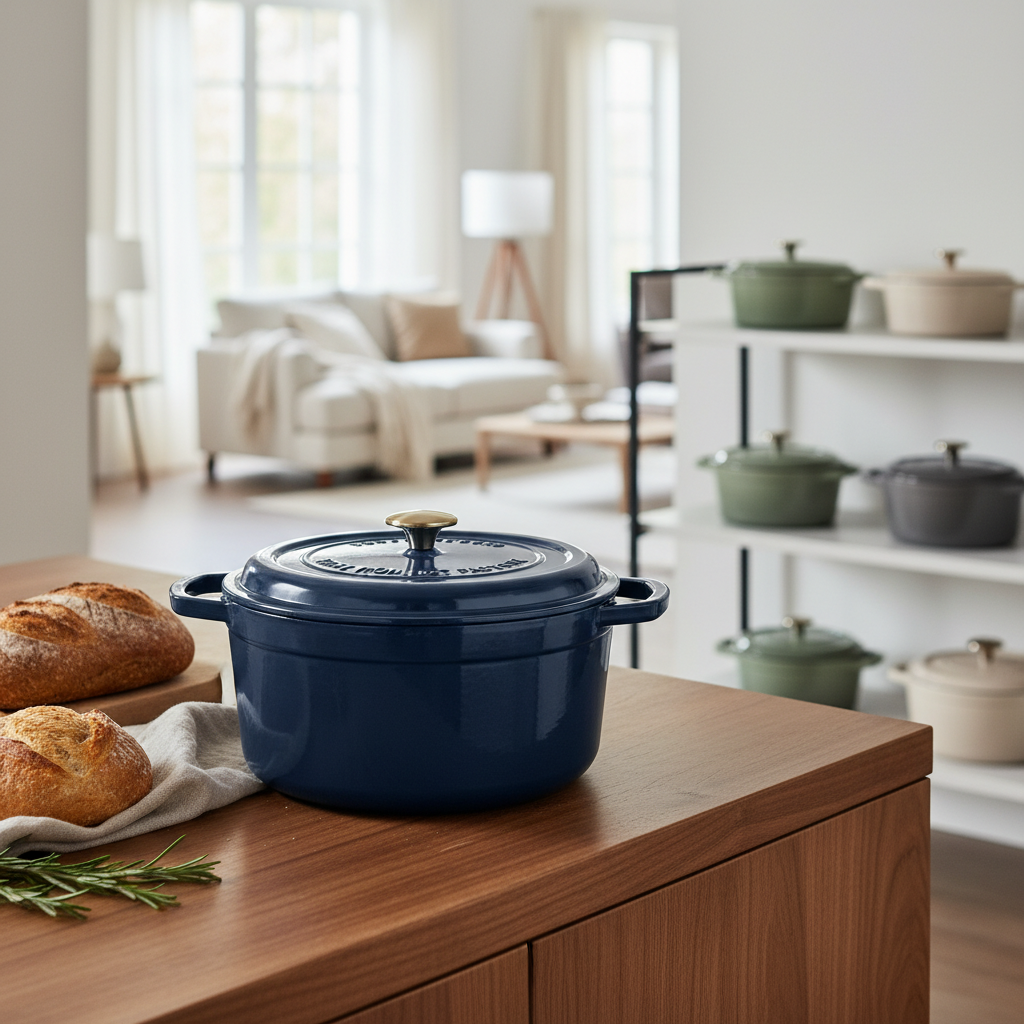
Enameled cast iron is still cast iron, but it's coated with a layer of porcelain enamel. This coating prevents rusting and eliminates the need for seasoning. While enameled cast iron doesn't offer the same naturally non-stick properties as seasoned cast iron, it's easier to clean and comes in a variety of colors. It's also often more expensive than traditional cast iron.
Cast iron skillets excel at cooking a wide range of foods! They’re fantastic for searing meats, baking breads and pies, frying chicken, making cornbread, and even simmering stews. The even heat distribution and heat retention make them ideal for dishes that require consistent temperatures. Avoid cooking highly acidic foods (like tomatoes) for extended periods, as they can potentially strip away the seasoning.
Absolutely not! Dishwashers are the enemy of cast iron. The harsh detergents and prolonged exposure to water will strip away the seasoning and cause rust. Always handwash your cast iron skillet with mild soap and water, dry it immediately, and lightly oil it to maintain the seasoning.
Conclusion
Different cast iron skillets represent a timeless investment in culinary excellence. From their remarkable heat retention and durability to their versatility and sustainability, these cookware staples offer a range of benefits that cater to both novice and experienced cooks. Understanding the nuances of various types of cast iron skillets, from traditional to enameled, allows for informed choices that enhance your cooking experience.
As culinary practices continue to evolve, the enduring value of cast iron remains undeniable. By embracing proper care and maintenance, and by exploring innovative advancements in manufacturing, we can ensure that these iconic skillets continue to grace kitchens for generations to come. Visit our website at www.zdcookware.com to explore our selection of different cast iron skillets and elevate your cooking today!