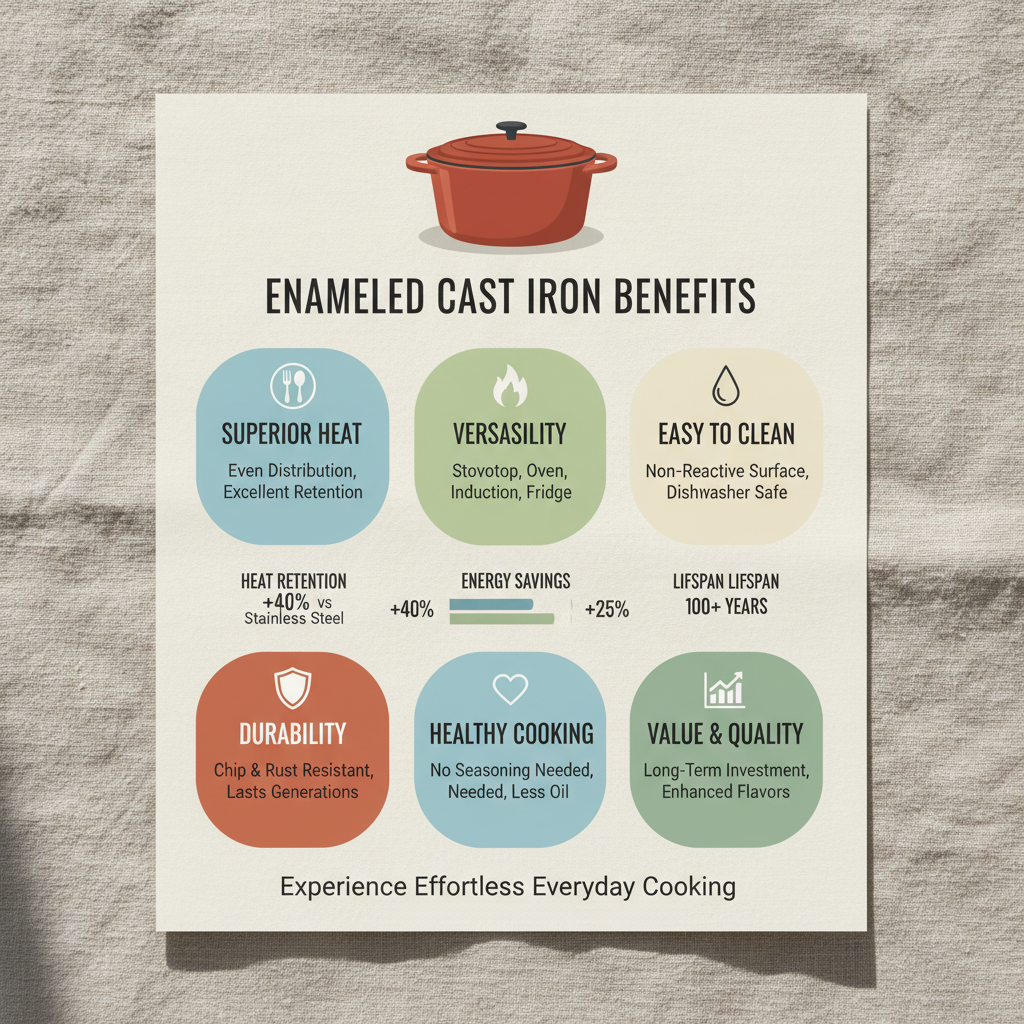
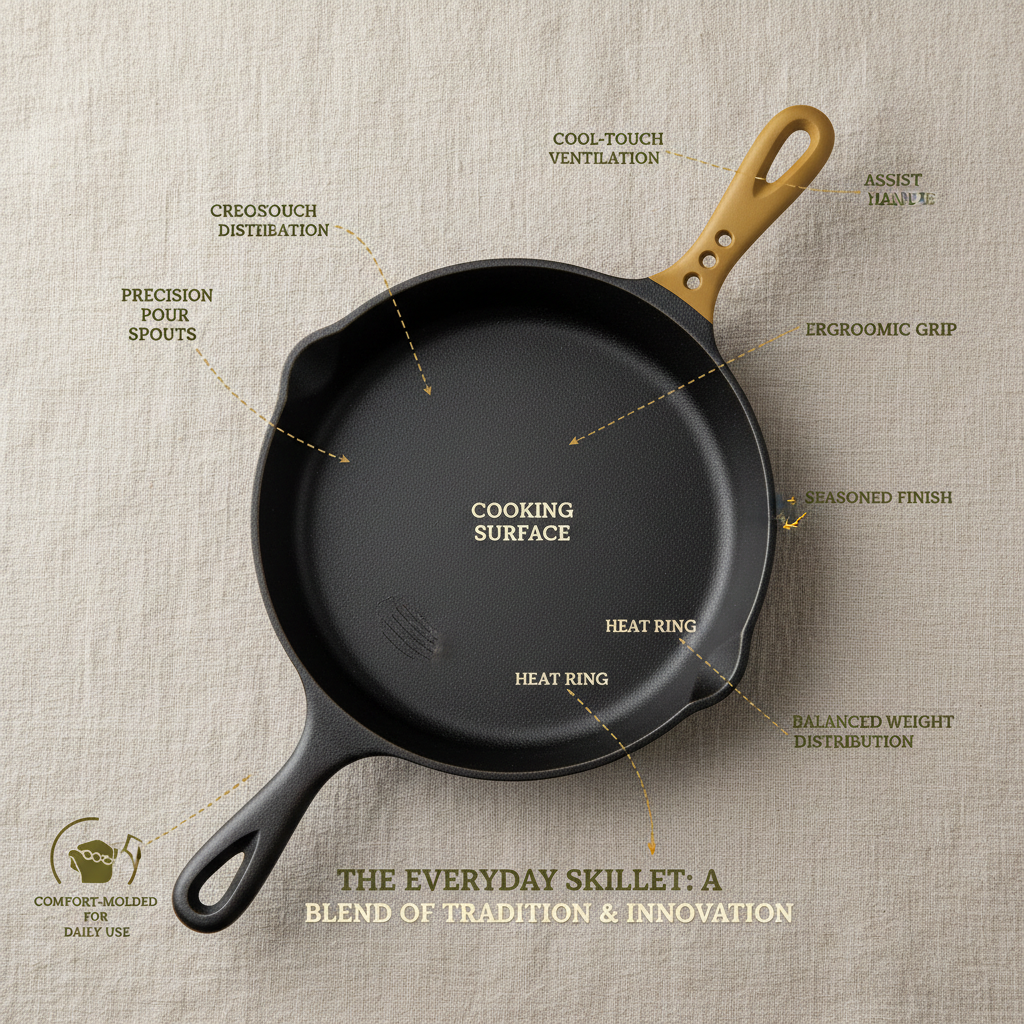
Enameled cast iron benefits aren’t just about pretty pots and pans, believe me. I’ve spent years on construction sites, wrestling with materials, talking to engineers, and seeing what actually lasts. And let me tell you, that durability translates directly into the kitchen. It's not a fleeting trend; it's a return to solid, dependable cooking. The benefits run deeper than just aesthetics. It’s about heat retention, even cooking, and frankly, a piece of cookware that won't be replaced every few years. enameled cast iron benefits are a genuine upgrade for anyone serious about their cooking.
For decades, I've witnessed the corrosion that eats away at good steel. And the uneven heating that ruins precise welds. With enameled cast iron, you get a barrier against that. The enamel protects the iron itself, and the iron holds the heat beautifully, just like a well-engineered structure. It’s a marriage of old-world craftsmanship and modern material science that delivers consistent results. I've seen plenty of 'innovations' come and go, but this one sticks around because it simply works.
What I find fascinating is how this translates to everyday use. We're talking about less energy used because of superior heat retention, even cooking preventing burnt spots, and a surface that’s easy to clean – meaning less time scrubbing and more time enjoying the meal. It’s about efficiency, reliability, and a piece of equipment you can genuinely depend on. That's what matters, in construction or in the kitchen.
The Introduction to enameled cast iron benefits
You see a lot of fads come and go in the building trades, and in cookware too. But certain materials just stand the test of time. Enameled cast iron falls squarely into that category. We're talking about a core material—cast iron—that’s been used for centuries for its strength and heat retention, but enhanced with an enamel coating that makes it non-reactive and easy to clean. It’s a workhorse, plain and simple.
From a practical standpoint, this means consistent cooking temperatures, which is critical for everything from searing steaks to simmering delicate sauces. Unlike thin-walled pots that develop hotspots, enameled cast iron distributes heat evenly. That’s not just about taste, it’s about safety and preventing frustrating failures in the kitchen – just like it’s about preventing structural failures on a building site.
The Global Relevance of enameled cast iron benefits
The demand for durable, long-lasting cookware is global, and it's growing. We're seeing a shift away from disposable consumer goods toward investments in quality. Globally, over 79.5 million people were forcibly displaced by conflict and persecution in 2022 (UNHCR data). This highlights a need for reliable, portable cooking solutions that can withstand challenging environments. Enameled cast iron, while not always the most portable, represents that level of enduring quality.
Beyond emergency situations, there's a growing middle class in many developing nations, and with it, an increased demand for higher-quality kitchen equipment. ISO standards for cookware materials are becoming more stringent, emphasizing durability and food safety. Enameled cast iron consistently meets and exceeds these standards.
The rising cost of raw materials also plays a role. Investing in a single, well-made piece of enameled cast iron can be more cost-effective in the long run than repeatedly replacing cheaper alternatives. It’s a lesson I’ve learned firsthand on construction projects: buy quality upfront, and you’ll save money on repairs and replacements down the line.
Defining enameled cast iron benefits
Simply put, enameled cast iron benefits are the advantages of combining the strength and heat retention of cast iron with the easy cleaning and non-reactive surface of an enamel coating. It’s not just about making a pot look pretty—though that’s a nice side effect. It’s about creating a cooking vessel that performs consistently, lasts a lifetime, and doesn’t impart any metallic taste to your food.
Think of it like the difference between a temporary scaffold and a permanent steel structure. Both can get the job done in the short term, but one is built to withstand the elements and provide long-lasting support. Enameled cast iron is the steel structure of the cookware world.
This connection extends to industries beyond food preparation. The same principles of durable materials and consistent performance apply to everything from industrial heating to medical equipment. Understanding enameled cast iron benefits provides insight into broader materials science and engineering principles.
Key Components of enameled cast iron benefits
Let's break down what makes enameled cast iron tick. First, you've got the cast iron itself: incredibly durable, excellent heat retention, and relatively inexpensive to produce. Then you have the enamel coating, which is a glass-like substance fused to the iron at high temperatures. This coating prevents rusting, makes cleaning a breeze, and doesn't react with acidic foods.
Critical to the benefits are the manufacturing processes. The quality of the enamel application and the thoroughness of the fusing process dictate how well the enamel adheres to the iron. A poorly enameled piece will chip and crack. But a well-made piece will be virtually indestructible, handling the harsh conditions of a busy kitchen like a champ.
Comparison of enameled cast iron benefits Methods
Global Applications of enameled cast iron benefits
You'll find enameled cast iron in professional kitchens around the world, from Michelin-starred restaurants to bustling bistros. It's a staple for chefs who demand consistent performance and durability. Beyond the culinary world, its properties lend themselves to laboratory equipment and specialized industrial processes where temperature control and chemical resistance are paramount.
In post-disaster relief operations, while lightweight options are prioritized for initial response, durable cookware like enameled cast iron can be invaluable for establishing long-term cooking solutions in resettlement areas. They can withstand the rigors of frequent use and limited maintenance.
Advantages & Long-Term Value of enameled cast iron benefits
The upfront cost is higher, yes, but the long-term value is undeniable. I’ve seen enameled cast iron pans passed down through generations. That's not just sentimental value; it’s a testament to its durability. You're not just buying a pot; you're buying a piece of equipment that will likely outlive you.
From a sustainability standpoint, reducing consumption and waste is crucial. A single, well-made piece of enameled cast iron replaces multiple cheaper alternatives, lessening the environmental impact. The peace of mind knowing you’re not contributing to a cycle of disposable consumerism is a benefit in itself.
There’s also a level of trust and confidence that comes with using a material that’s been proven over centuries. It’s not flashy or trendy, but it's reliable, dependable, and delivers consistent results. That’s a quality I appreciate, both on the construction site and in the kitchen.
Future Trends in enameled cast iron benefits
We’re seeing advancements in enamel technology, with manufacturers developing more scratch-resistant and chip-resistant coatings. There's also a growing focus on sustainable manufacturing processes, reducing the environmental impact of enamel production.
The integration of smart technology is another area to watch. Imagine cookware with embedded sensors that monitor temperature and cooking time, providing real-time feedback to the user. It might sound futuristic, but the demand for more precise and controlled cooking experiences is driving innovation.
I also suspect we’ll see a greater emphasis on customization. The ability to personalize enameled cast iron cookware with unique colors, patterns, and even engravings will likely become more popular, appealing to consumers who want to express their individual style.
Key Comparison of Future Enamel Cast Iron Trends
| Trend Category |
Innovation Level (1-10) |
Market Impact (1-10) |
Implementation Cost (1-10) |
| Enhanced Enamel Durability |
8 |
9 |
6 |
| Sustainable Manufacturing |
7 |
7 |
7 |
| Smart Cookware Integration |
6 |
5 |
9 |
| Personalized Customization |
5 |
6 |
5 |
| Improved Heat Distribution |
7 |
8 |
6 |
| Lightweight Cast Iron Alloys |
4 |
3 |
8 |
FAQS
From my perspective, absolutely. Stainless steel is versatile, but it doesn’t hold heat like cast iron, and it can be prone to scorching. Enameled cast iron’s heat retention means more even cooking and less energy used. While the initial cost is higher, the longevity and performance make it a better long-term value, similar to choosing high-quality steel for a construction project over cheaper alternatives.
You can, with caution. While the enamel is durable, repeated use of metal utensils, especially sharp ones, can eventually cause scratches. It's best to use wooden, silicone, or nylon utensils to preserve the enamel surface and extend the lifespan of your cookware. Think of it like protecting a polished finish on a steel beam - you want to maintain its integrity.
Avoid thermal shock – don’t take a hot pan and plunge it into cold water. Let it cool gradually. Don't drop it, obviously! Use non-abrasive cleaners, and avoid harsh scrubbing pads. Proper care will ensure your enameled cast iron lasts for decades. It's the same principle as preventative maintenance on any durable piece of equipment.
Generally, yes. Enameled cast iron is safe for most cooking methods, including searing, braising, simmering, and baking. However, avoid using it on extremely high heat for extended periods, as this can potentially damage the enamel. Also, some manufacturers recommend against using enameled cast iron on induction cooktops if the enamel isn’t specifically designed for induction.
A small chip on the exterior of the pan usually isn’t a major concern and won’t affect the cooking performance. However, if the chip exposes the cast iron to food, it's best to avoid using that pan, as the iron can rust and potentially leach into your food. It’s similar to addressing corrosion on metal structures - prevention is key, but small issues can be managed.
While some manufacturers claim their enameled cast iron is dishwasher safe, I generally recommend handwashing. Dishwasher detergents can be abrasive and may dull the enamel over time. Handwashing with a gentle sponge and soap will help preserve the finish and extend the life of your cookware. It’s a little extra effort, but worth it for a piece that’s built to last.
Conclusion
Enameled cast iron benefits are much more than just a cooking trend; they represent a return to quality, durability, and consistent performance. From its superior heat retention and easy cleaning to its long-lasting value and versatility, it's a worthwhile investment for any serious cook. It's a material that aligns with a mindset of building things to last, a philosophy I’ve carried with me throughout my career.
Looking ahead, continued innovation in enamel technology and sustainable manufacturing will only enhance the appeal of enameled cast iron. It’s a material that has stood the test of time, and it’s poised to remain a staple in kitchens around the world for generations to come. Don't just buy a pot, invest in a legacy. For more information on the benefits and quality of enameled cast iron, visit our website: www.zdcookware.com