The Ultimate Guide to Enamel Dutch Oven: Durability, Uses & Trends
What’s the fuss about an enamel dutch oven? And why does it still matter worldwide?
Whether you’re an avid home cook or someone just starting to explore the magic of slow-cooked stews, the enamel dutch oven is a kitchen champion. It’s more than just a pot; it’s a global story of tradition, innovation, and convenience wrapped up in one sturdy package. This cookware, beloved across continents, offers excellent heat distribution, durability, and a charming aesthetic that fits any kitchen.
But beyond the home kitchen, understanding the enamel dutch oven’s versatile appeal also touches on global cooking habits, culinary traditions, and sustainable cookware solutions—important topics, especially in a world shifting towards durability and eco-friendliness.
The Global Context: Why Enamel Dutch Ovens are Still Cooking Up a Storm
It's pretty interesting—due to ongoing trends reported by the International Organization for Standardization (ISO) and market analyses, cast iron cookware (which includes enamel dutch ovens) has maintained a steady growth in global demand. Specifically, in emerging markets across Asia and Africa, where traditional cooking meets modern lifestyle needs, enamel dutch ovens blend the old and the new perfectly.
More than 1.2 billion people worldwide still rely on traditional methods of cooking, often over open fires or basic stoves. The enamel dutch oven, in this sense, is a resilient tool that addresses several challenges:
- Boosting cooking efficiency
- Promoting safer handling of food
- Prolonging cookware lifespan, reducing waste
So, it doesn’t just help cooks in developed kitchens but also meets humanitarian contexts—think post-disaster relief kitchens or community cooking in remote areas.
Defining the Enamel Dutch Oven: What Exactly Is It?
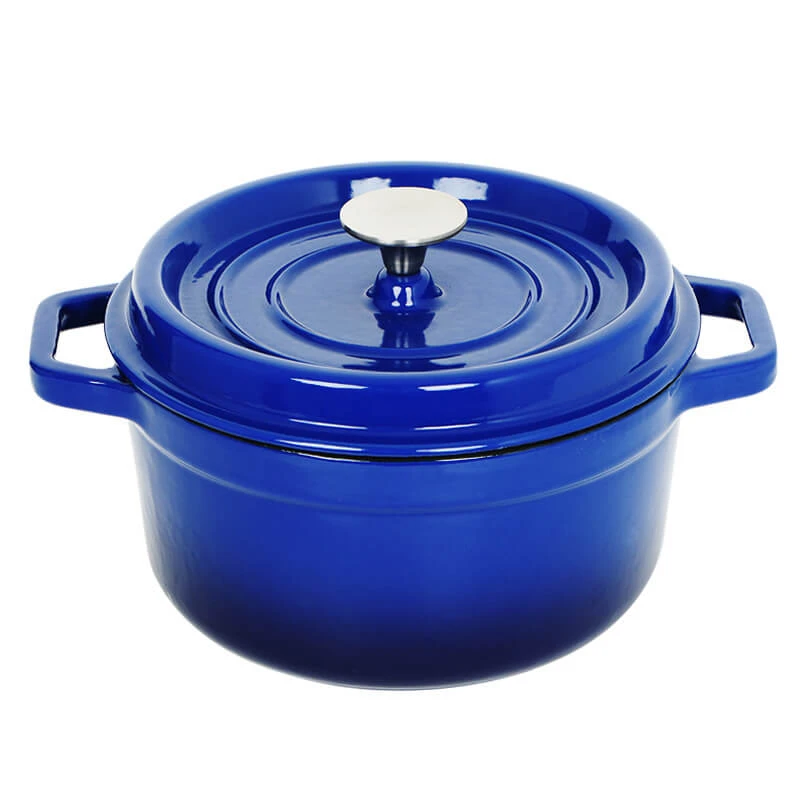
Simply put, an enamel dutch oven is a cast iron pot coated with a smooth layer of vitreous enamel. This means it blends the superb heat retention of cast iron with an easy-to-clean, rust-resistant, and sometimes colorful exterior. This marriage of materials results in cookware that’s as functional as it is beautiful.
In modern industries, this cookware finds its place in everything from high-end restaurant kitchens to large-scale food production units. It offers a sustainable alternative for those who want to minimize non-stick chemical use (like PFAS) without sacrificing durability or performance.
Core Components That Make the Enamel Dutch Oven Stand Out
1. Durability
Thanks to the solid cast iron base, enamel dutch ovens resist warping and cracking over years of use. The enamel coating also resists chipping if treated correctly, meaning these pots can literally be passed down generations.
2. Heat Retention and Distribution
This is often the feature that cooks obsess over. The cast iron core evenly distributes heat and maintains it for extended periods, which is essential for braising, roasting, and baking.
3. Easy Maintenance
The enamel surface is non-porous, so it doesn’t absorb odors or flavors. A quick scrub with soapy water usually does the trick—no oiling up or seasoning needed like bare cast iron.
4. Versatility
Whether you’re simmering soups, baking bread, or frying chicken, enamel dutch ovens do it all. Most are oven-safe and compatible with induction cooktops, making them a Swiss army knife of cookware.
5. Aesthetic Appeal
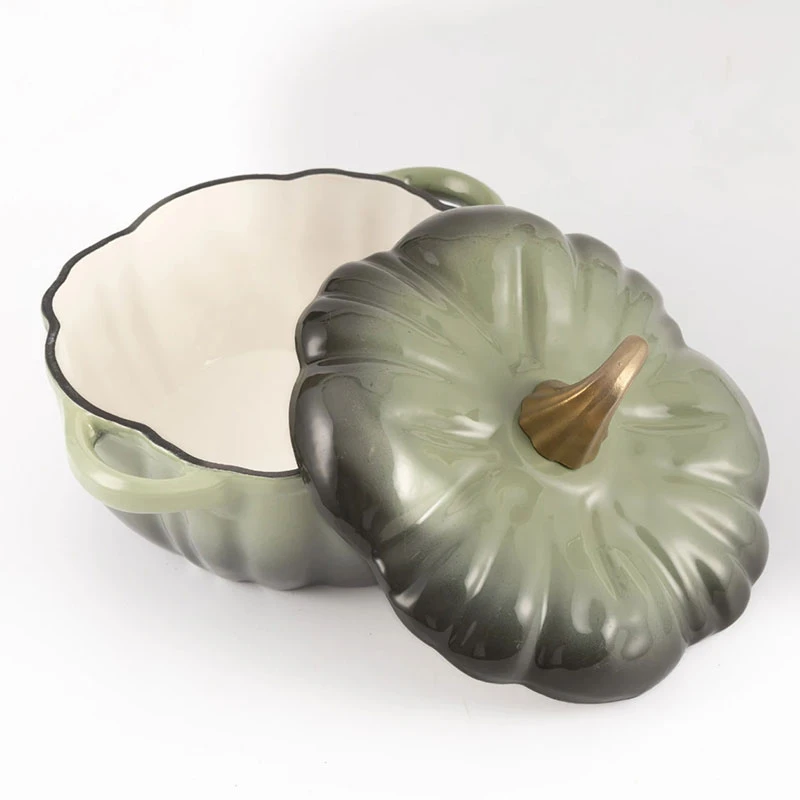
Available in a rainbow of colors, enamel dutch ovens bring a dash of personality straight to your countertop—who says cookware can’t be eye candy?
Mini takeaway:
Understanding the enamel dutch oven’s tough build, consistent performance, and versatility helps explain why it’s not just a fad but a kitchen staple that’s globally relevant.
Product Specification Table: Typical Enamel Dutch Oven Features
| Feature | Specification |
|---|---|
| Material | Cast iron core with vitreous enamel coating |
| Capacity | Typically 4 to 7 quarts (3.8–6.6 liters) |
| Weight | About 7–12 lbs (3.2–5.4 kg) |
| Oven safe temperature | Up to 500°F (260°C) |
| Heat source compatibility | Gas, electric, induction, ceramic stove, oven, and open flame |
| Care | Hand wash recommended; avoid metal utensils |
Where in the World Is the Enamel Dutch Oven Really Making a Difference?
Here’s a bit of a surprise: the enamel dutch oven isn’t just a hipster kitchen trend in Brooklyn or a shiny addition on Instagram foodie feeds. It’s actively supporting global food security, sustainability, and emergency response efforts worldwide.
For example:
- In Sub-Saharan Africa: NGOs distribute enamel dutch ovens during relief efforts because their durability allows cooking over open fires without rapidly degrading.
- Europe & North America: Culinary schools champion the use of enamel dutch ovens for teaching classic braising and baking—connecting students with cookware history.
- Remote Industrial Zones: Workers rely on enamel pots for communal meals, appreciating their robustness and ability to retain heat for long shifts.
Mini takeaway:
From post-disaster kitchens to gourmet restaurants, the enamel dutch oven proves it’s the kind of cookware that adapts to the needs of very different users — a potentially life-improving tool beyond just good food.
Advantages & Long-Term Value of Enamel Dutch Ovens
Let’s be frank: investing in quality cookware can feel like a splurge, but enamel dutch ovens offer solid value for multiple reasons:
- Cost Efficiency: While pricier than standard pots, their longevity means you replace far less often—kind of like buying durable boots versus cheap sneakers.
- Sustainability: High-quality enamel dutch ovens reduce waste and environmental impact by lasting decades, avoiding disposable cookware culture.
- Social Impact: Durable cookware supports food programs and empowers communities to prepare healthy meals safely and efficiently.
- Reliability: You can trust these pots for consistent temperature control, which means better results and less stress in the kitchen.
- Emotional Connection: A pot this sturdy and beautiful can become a family heirloom. That’s kind of comforting in a fast-moving world.
Future Trends: Where’s the Enamel Dutch Oven Headed?
Innovation meets tradition here, surprisingly. Some trends to watch include:
- Eco-Friendly Manufacturing: Producers are reducing emissions during casting and switching to lead-free enamels.
- Digital Integration: Smart lids recording cooking time and temperature are in experimental stages.
- Policy and Standards: ISO continues enhancing safety and quality benchmarks for enamel coatings, reassuring consumers worldwide.
- Material Innovations: Researchers are exploring hybrid coatings that combine enamel with nano-ceramics for even greater durability.
Challenges & How We Tackle Them
The enamel dutch oven isn’t perfect, of course. Some common issues include:
- Chipping Risks: Enamel can chip if dropped or treated roughly, exposing iron beneath to rust.
- Weight: Cast iron is heavy, which might not suit every user, especially those with limited arm strength.
- Temperature Limits: High broil temperatures or thermal shock from cold water can damage the enamel.
Solutions? Many manufacturers now reinforce edges, offer special care guides, and suggest pairing with silicone handles for better grip and protection. User education has surged because, oddly enough, many problems come down to how the cookware is treated — a gentle hand goes a long way.
Vendor Comparison: Leading Enamel Dutch Oven Brands
| Brand | Price Range (USD) | Capacity Options | Special Features |
|---|---|---|---|
| Le Creuset | $230 – $600 | 2–13 quarts | Lifetime warranty, vivid colors, self-basting lid |
| Lodge | $40 – $120 | 3.75–7 quarts | Affordable, rugged, pre-seasoned surface |
| Staub | $200 – $400 | 1.75–7 quarts | Matte black matte enamel, self-basting spikes |
| Chasseur | $70 – $250 | 3–7 quarts | French craftsmanship, bright enamel, durable lid |
FAQ: Frequently Asked Questions About Enamel Dutch Ovens
Q1: How do I clean my enamel dutch oven without damaging the coating?
A1: The best way is to hand wash with warm soapy water using a soft sponge. Avoid metal scrubbers or harsh detergents. For stubborn residue, soak with baking soda and water before gently scrubbing. Avoid thermal shocks by not pouring cold water into a hot pot.
Q2: Can I use metal utensils with my enamel dutch oven?
A2: Generally, it’s best to use wooden, silicone, or nylon utensils to prevent chipping the enamel surface. While occasional metal contact may not cause immediate damage, repeated use can wear down the coating.
Q3: Are enamel dutch ovens suitable for induction cooktops?
A3: Yes. Because the core is cast iron, enamel dutch ovens work great on induction stoves—perfect for modern kitchen setups.
Q4: What’s the typical lifespan of a well-maintained enamel dutch oven?
A4: With proper care, these pots can last 20 years or more, often outliving many other types of cookware in the kitchen. That’s why they often become heirlooms.
Q5: Is an enamel dutch oven a good gift for a novice cook?
A5: Absolutely. It’s versatile, forgiving, and can boost confidence with home cooking. Plus, the variety of colors makes it a thoughtful and stylish gift.
Conclusion: Why the Enamel Dutch Oven Earns Its Spot in Your Kitchen
In the grand symphony of kitchen cookware, enamel dutch ovens play a uniquely enriching tune. They blend durability, versatility, and heritage into a product that not only heats your meals but warms your soul. From local home kitchens to global humanitarian kitchens, their continued relevance speaks volumes about smart cookware engineering and cultural continuity.
Curious to explore more about enamel dutch ovens or pick one up for yourself? Visit our website and dive into a world where every meal becomes a celebration.
References and Inspiration
-
Antique Cast Iron Camp Oven: Durable Outdoor Cookware for Professionals | ZD CookwareNewsJan.06,2026
-
Durable 4 Quart Camping Pot for Professional Use | ZD CookwareNewsJan.06,2026
-
Durable Campfire Cast Iron Pot for Outdoor & Industrial UseNewsJan.06,2026
-
Cast Iron Griddle for Camp Stove – Durable Outdoor Cooking EssentialNewsJan.06,2026
-
Dutch Oven Cast Iron Camping – Durable Outdoor Cooking GearNewsJan.05,2026
-
Durable and Efficient Cast Iron Camping Griddle for B2B Professionals | ZD CookwareNewsJan.05,2026