Discover the Versatility and Benefits of a Small Dutch Oven | Durable & Compact Cookware
A Small Dutch Oven: Why Size Matters More Than You Think
What’s so special about a small dutch oven? Sure, it might sound like just a tiny pot, but in kitchens and around campfires worldwide, this compact marvel plays a surprisingly big role. Understanding the value and versatility of a small dutch oven isn’t just for foodies or outdoor enthusiasts; it touches on global culinary culture, sustainability, and even emergency preparedness.
The Global Context: Small Dutch Oven Popularity Around the World
Globally, the cast iron cookware market, driven by such versatile tools as the small dutch oven, has seen steady growth—estimated to surpass $3 billion by 2025, according to industry analysts. From North America to Europe, and increasingly in Asia-Pacific, the demand for durable, multifunctional cookware is rising. Why? Because people want quality tools that last and can adapt to modern and traditional cooking styles.
But there’s a real challenge here: many households lack space or budget for bulky cookware, and yet crave the ability to cook hearty meals with minimal waste. That's where a small dutch oven truly shines — compact but mighty. Plus, in humanitarian fields and disaster relief scenarios, the small size makes it easier to transport and distribute durable cooking gear—a detail often overlooked.
What Exactly Is a Small Dutch Oven?
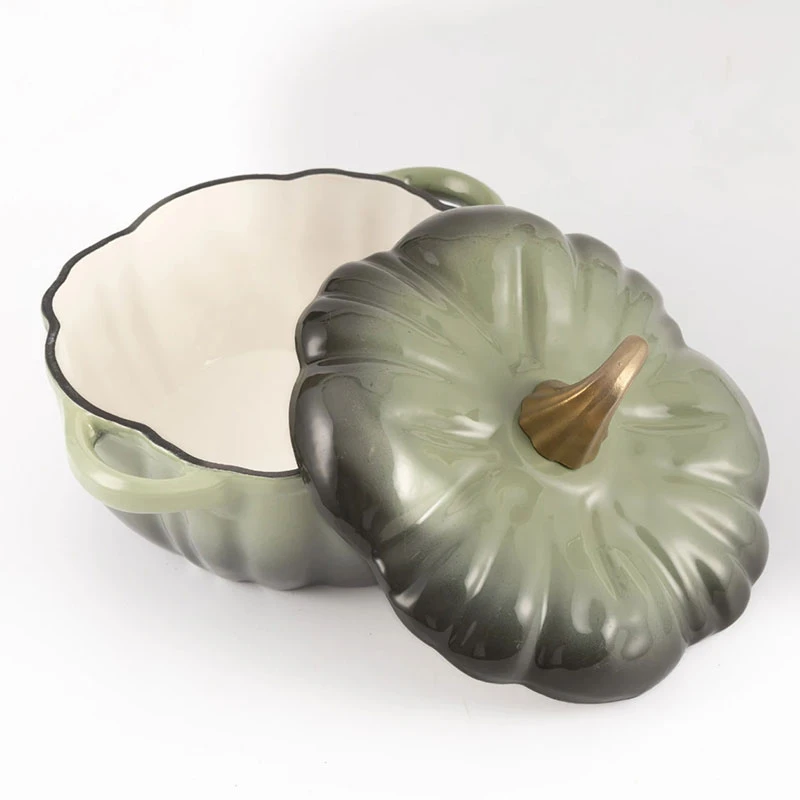
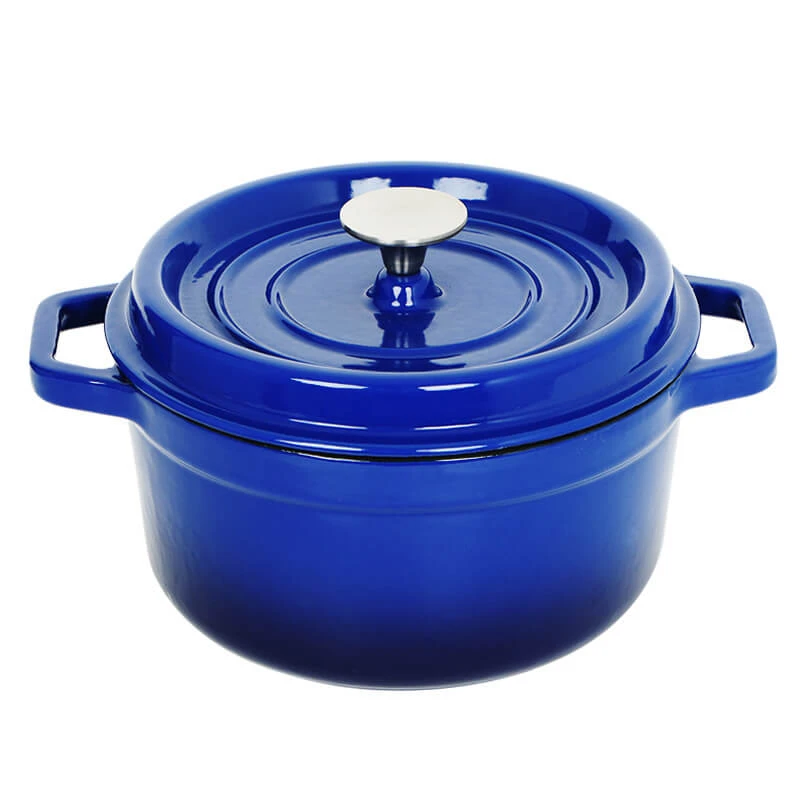
In plain terms, a small dutch oven is a compact, heavy-duty pot typically made from cast iron and often coated with enamel. Its size generally ranges from about 2 to 4 quarts, making it perfect for meals for one to three people.
Beyond just pots, small dutch ovens are a cornerstone for slow cooking, baking, frying, and roasting—demonstrating their versatility in both home kitchens and field operations. The small size means less storage stress, quicker heat-up times, and easier handling without losing the legendary heat retention cast iron is known for.
In industry and humanitarian aid, these are sometimes preferred for their portability and durability when cooking areas are makeshift and resources limited.
Key Features That Make Small Dutch Ovens Essential
Durability That Lasts Generations
Cast iron's enduring appeal partly stems from its toughness. Small dutch ovens can literally last decades—if not inherited through generations. The enamel coating on many models prevents rust and offers relatively low maintenance.
Efficient Heat Retention & Distribution
Oddly enough, these pots keep heat longer than many modern alternatives, creating perfect conditions for slow-cooked stews, soups, or even baking bread. Their small size means less fuel is wasted — a notable plus for campers and those worried about energy costs.
Compact Size for Easy Storage & Transport
Whether you live in a small apartment or need to pack for a hiking trip, smaller dutch ovens reduce space constraints so cooking need not wait. It's also friendlier for those who prefer minimalist kitchens. For relief agencies or military uses, they’re easier to handle and ship in bulk.
Multi-functionality for Various Cooking Styles
Baking, roasting, frying, simmering — all possible in a small dutch oven. Essentially, it replaces multiple cookware types, cutting down clutter and cost.
Cost Efficiency Over Time
Despite premium upfront costs, small dutch ovens often save money by lasting longer than cheaper pots, improving meal quality (which means less food waste), and requiring less fuel to cook.
Specifications of a Typical Small Dutch Oven
| Feature | Specification |
|---|---|
| Material | Cast iron with enamel coating |
| Capacity | 2 to 4 quarts (1.9 to 3.8 liters) |
| Weight | 4 to 7 pounds (1.8 to 3.2 kg) |
| Heat Source Compatibility | Gas, electric, induction, oven-safe |
| Lid Type | Tight-fitting, often enameled cast iron |
| Cleaning | Hand wash recommended; dishwasher safe on some models |
Leading Brands: How Small Dutch Ovens Compare
| Brand | Capacity Range | Material Quality | Average Price | Notable Features |
|---|---|---|---|---|
| Lodge | 1.5 - 3.5 qt | Pre-seasoned cast iron | $30 - $80 | Affordable, robust, classic design |
| Le Creuset | 2 - 4 qt | Enameled cast iron, premium finish | $200 - $400 | Vibrant colors, lifetime warranty |
| Staub | 2 - 3.5 qt | Enameled cast iron | $180 - $350 | Matte finish, self-basting lid |
How Small Dutch Ovens Are Used Worldwide
- Home Cooking: In apartments or small kitchens, these pots conserve space but open up whole new recipe possibilities.
- Outdoor & Camping: Their heat retention and resilience make them perfect for open-fire cooking.
- Disaster Relief & Humanitarian Aid: It turns out, organizations often include small dutch ovens in cookware kits distributed to displaced populations due to their durability and ease of use over simple heat sources.
- Professional Kitchens: Chefs use them for delicate braises or side dishes where quantity is limited but flavor complexity must remain.
The Advantages and Long-Term Value of Choosing a Small Dutch Oven
Choosing a small dutch oven often means investing in reliability. It’s not just practical value—it’s emotional, too. Imagine handing down cookware that ages beautifully rather than wears out. There’s a sense of safety in knowing this pot will endure years of hearty dinners and festive gatherings alike.
On the logical front, the advantages include:
- Energy efficiency: Less fuel needed because smaller volume heats faster and holds warmth.
- Cost savings: Long-lasting materials avoid frequent replacements.
- Reduced food waste: Perfect portion sizes mean you’re not cooking too much.
- Social impact: Durable cookware lessens demand for disposable utensils in low-resource communities.
Looking Forward: Trends and Innovations in Small Dutch Ovens
The cookware space is evolving subtly but steadily. Innovations are largely around materials and coatings — for example, eco-friendly enamels with less environmental impact, and lighter cast iron blends to ease portability without losing heat performance.
Manufacturers also experiment with digital thermometers integrated into lids and designs optimized for induction stoves—surprisingly in demand by younger consumers trying to marry tradition and tech.
And, oddly enough, there’s a growing niche for sustainably made, artisan small dutch ovens crafted from recycled metals, underscoring consumers’ desire for green products that carry a story.
Common Challenges and Practical Solutions
Let’s face it: cast iron cookware, especially smaller sizes, can be heavy and intimidating to some. Seasoning and cleaning may deter the casual cook accustomed to dishwasher-friendly tools. However, reputable models with enamel coatings solve the rust and maintenance problem quite elegantly.
Another sticking point is the price; premium brands like Le Creuset come with a hefty cost — but opting for trusted mid-range brands like Lodge often means you get great performance for less.
For those who want lightweight and quick heating without sacrificing durability, the latest hybrids that incorporate ceramic and cast iron composites might be the answer coming soon.
FAQ: All Your Small Dutch Oven Questions Answered
- Q1: What size small dutch oven should I choose for daily use?
- A 2 to 3-quart pot is ideal for one to three servings, balancing ease of handling with versatility. If you regularly cook for more people, consider stepping up to 4 quarts but keep “small” in mind for storage space.
- Q2: Can I use a small dutch oven on an induction cooktop?
- Yes! Cast iron and enameled cast iron work perfectly on induction stoves because they’re magnetic. Just be careful moving the pot, as it’s heavy and can scratch the surface if dragged.
- Q3: Is it safe to use a small dutch oven in a campfire?
- Absolutely. Cast iron is great for open fire cooking due to its heat retention and ruggedness, though enamel coatings might chip if handled roughly around stones or firewood. Always lift rather than drag the pot.
- Q4: How can NGOs distribute small dutch ovens efficiently during relief efforts?
- Packaging sets of small dutch ovens with matching lids and handles in stackable, durable crates helps shipping efficiency. Many organizations partner with cookware manufacturers to source cost-effective, ready-to-use kits, making deployment faster and more reliable.
Wrapping Up: Why Every Kitchen Needs at Least One Small Dutch Oven
Through their efficiency, built-to-last nature, and sheer versatility, small dutch ovens remain timeless tools that suit today's demands for sustainability and quality. Whether you're cooking in a tiny apartment, roasting meals in a remote camp, or supplying cookware in humanitarian missions, their value is clear.
Ready to explore your options? Visit our website: small dutch oven to find detailed models, buy tips, and even recipes designed especially for these mighty little pots.
-
Antique Cast Iron Camp Oven: Durable Outdoor Cookware for Professionals | ZD CookwareNewsJan.06,2026
-
Durable 4 Quart Camping Pot for Professional Use | ZD CookwareNewsJan.06,2026
-
Durable Campfire Cast Iron Pot for Outdoor & Industrial UseNewsJan.06,2026
-
Cast Iron Griddle for Camp Stove – Durable Outdoor Cooking EssentialNewsJan.06,2026
-
Dutch Oven Cast Iron Camping – Durable Outdoor Cooking GearNewsJan.05,2026
-
Durable and Efficient Cast Iron Camping Griddle for B2B Professionals | ZD CookwareNewsJan.05,2026