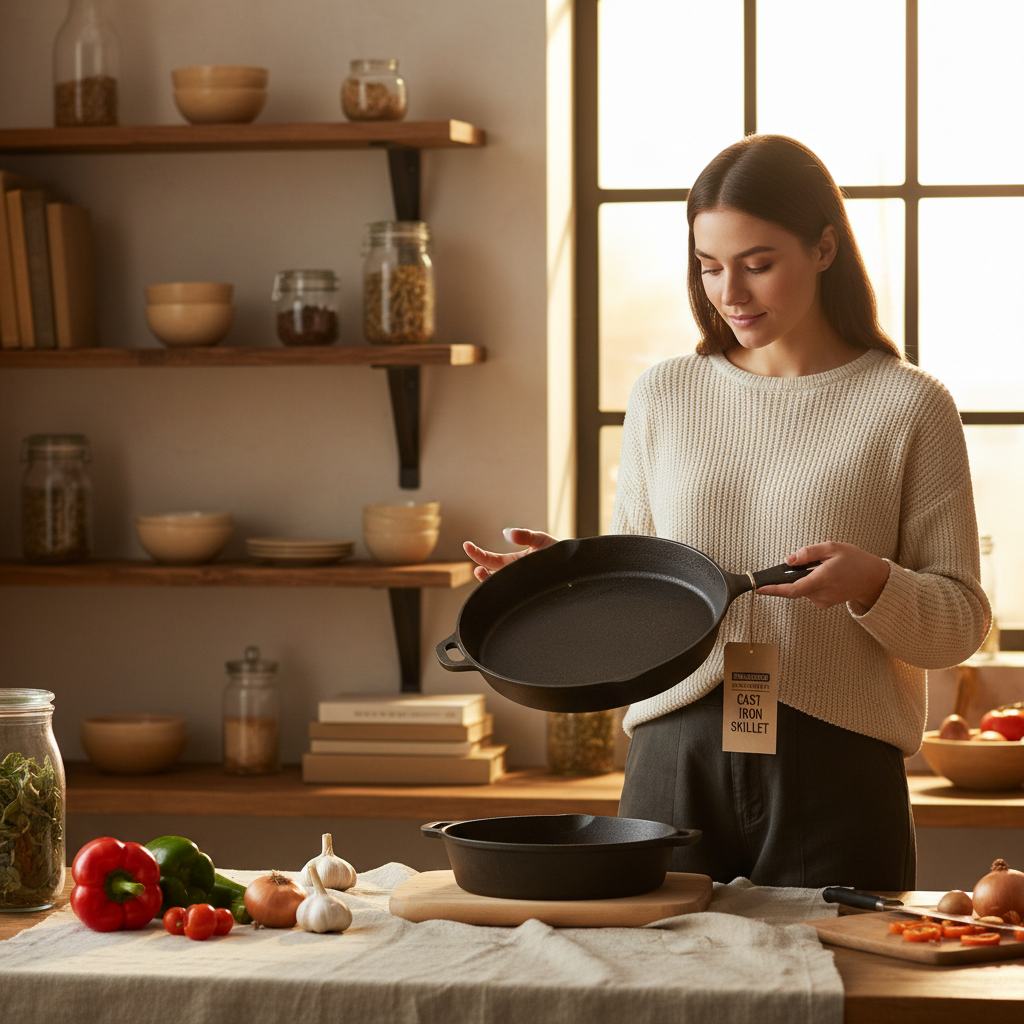
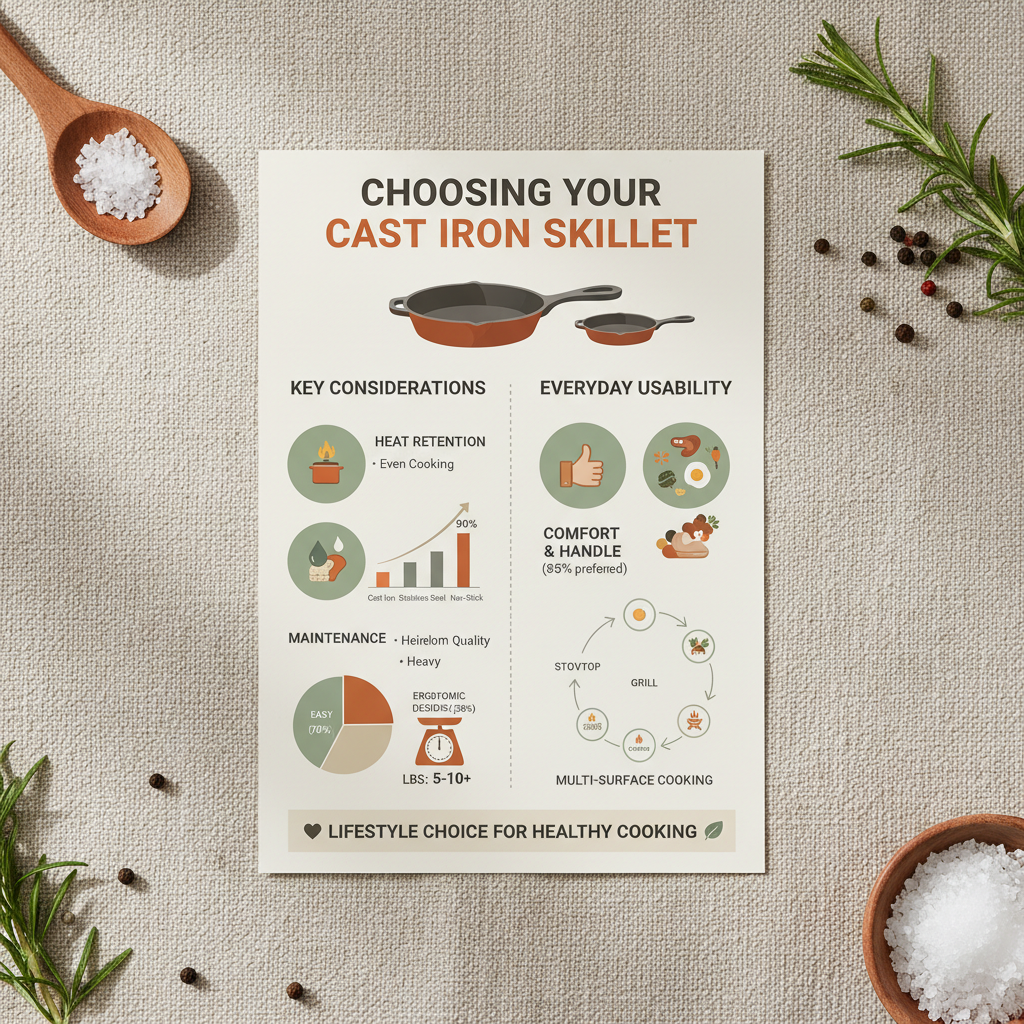
Choosing the right cast iron skillet is a cornerstone of any well-equipped kitchen, offering a versatility and durability unmatched by many modern cookware options. From searing steaks to baking cornbread, a quality cast iron skillet can become a family heirloom, passed down through generations. Understanding the nuances of different types of cast iron, seasoning techniques, and care routines is crucial to unlocking its full potential and ensuring decades of reliable performance. This guide will delve into the specifics of choosing cast iron skillet, empowering you to make an informed decision.
The global resurgence in popularity of cast iron cookware isn’t merely a nostalgic trend; it reflects a growing desire for sustainable, long-lasting products and a return to simpler cooking methods. Traditionally used for centuries, cast iron is experiencing a modern revival driven by its ability to retain heat exceptionally well, distribute it evenly, and even impart a subtle iron enrichment to food. This makes it a particularly attractive option for health-conscious individuals and those seeking to reduce their reliance on non-stick coatings.
Understanding the benefits of choosing cast iron skillet goes beyond just cooking performance. It's an investment in quality, durability, and a cooking experience that connects you to culinary traditions. The ability to use cast iron on various heat sources – stovetop, oven, campfire – provides unparalleled flexibility, making it a valuable asset for both seasoned chefs and beginner cooks.
The Fundamentals of Choosing Cast Iron Skillet
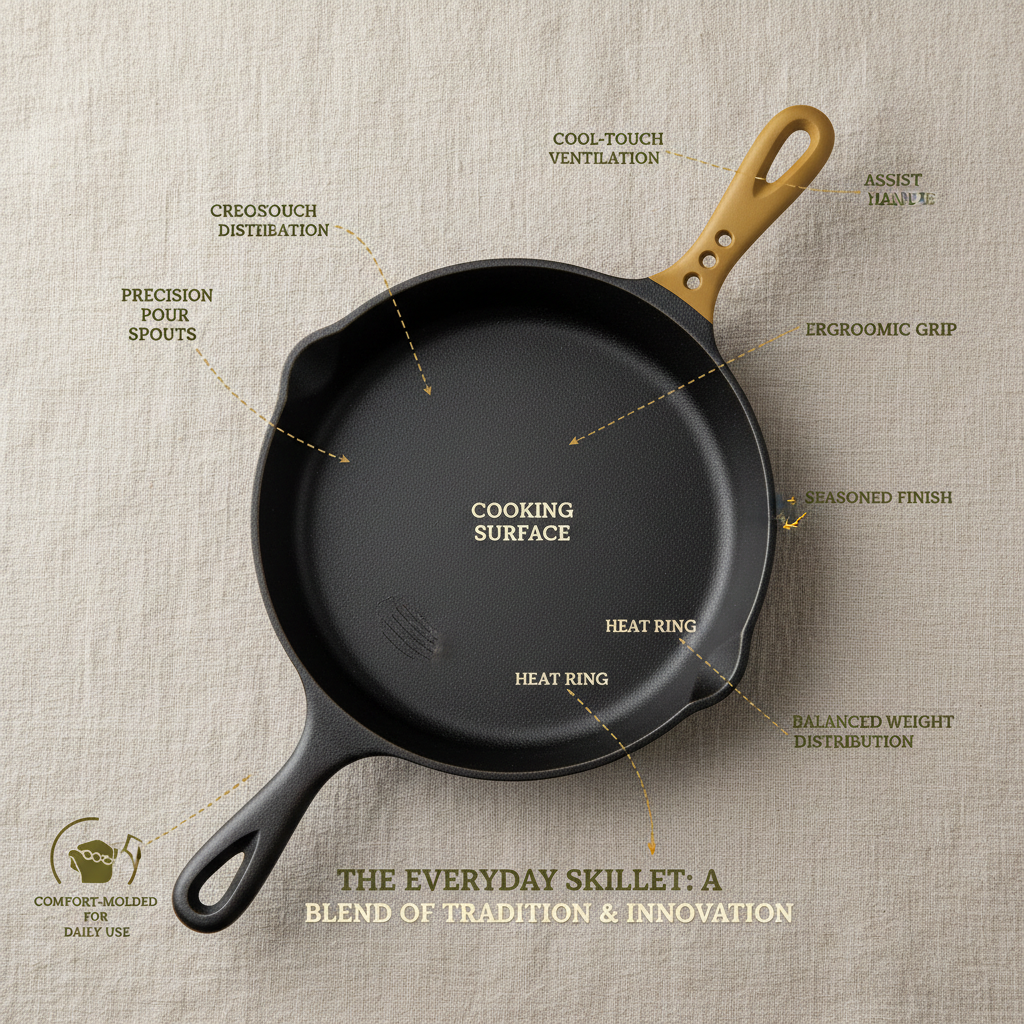
The core principle behind choosing cast iron skillet lies in understanding its inherent properties. Cast iron's ability to retain heat creates a consistent cooking surface, ideal for searing, frying, and baking. The heavier weight contributes to this stability and also ensures even heat distribution, eliminating hot spots.
Furthermore, proper seasoning – the process of polymerizing fats onto the iron surface – creates a natural, non-stick patina. This eliminates the need for harmful chemical coatings and adds to the skillet’s longevity. The more you use and properly care for your cast iron, the better it performs.
Types of Cast Iron Skillets
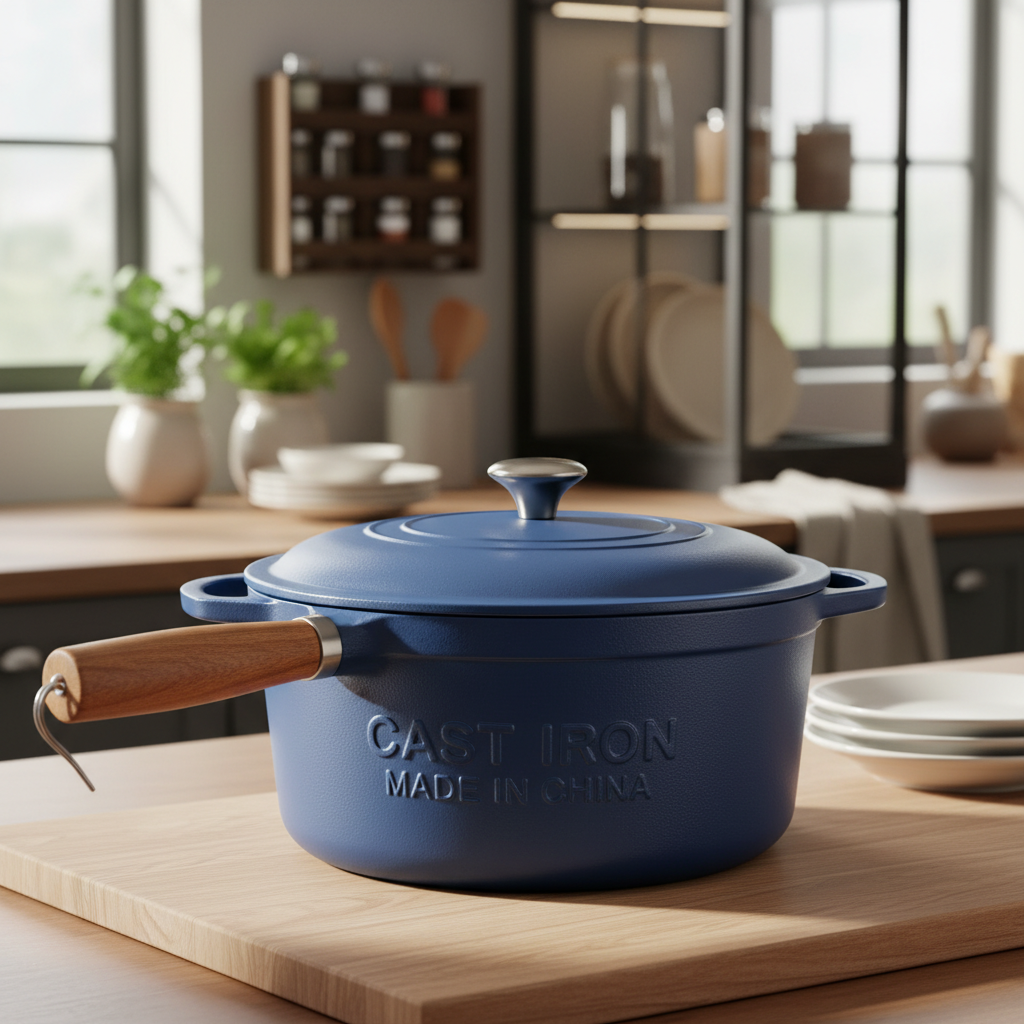
When choosing cast iron skillet, you’ll encounter three primary types: traditional, enameled, and seasoned. Traditional cast iron is unpolished and requires seasoning to prevent rust and create a non-stick surface. Enameled cast iron is coated with porcelain enamel, eliminating the need for seasoning and offering a smoother, easier-to-clean surface. Seasoned cast iron is pre-seasoned at the factory, providing a head start but still requiring maintenance.
Each type has its advantages. Traditional cast iron is the most affordable and can develop the most robust seasoning over time. Enameled cast iron is visually appealing and requires less maintenance but is more prone to chipping. Seasoned cast iron strikes a balance between cost and convenience, offering a pre-existing patina that simplifies the initial use.
Considering your cooking style and maintenance preferences is key to selecting the right type. If you enjoy the process of seasoning and maintaining your cookware, traditional cast iron is an excellent choice. If you prioritize convenience and aesthetics, enameled cast iron might be a better fit.
Key Factors Influencing Your Choice
Several key factors should guide your decision when choosing cast iron skillet. Size is paramount – consider the number of people you typically cook for and the types of dishes you intend to prepare. A 10-inch skillet is a versatile all-rounder, while a 12-inch skillet is better suited for larger meals.
Weight is another important consideration. Cast iron is inherently heavy, but the weight can vary depending on the thickness of the metal. A heavier skillet provides better heat retention but can be more difficult to maneuver, particularly for those with limited strength.
Finally, handle design is crucial for safety and comfort. Look for skillets with ergonomic handles that provide a secure grip, even when wet. Some skillets feature assist handles to make lifting and pouring easier.
Choosing Cast Iron Skillet: Material and Construction
The material of the cast iron skillet directly impacts its performance. Most skillets are made from gray cast iron, known for its excellent heat retention and affordability. However, some skillets are made from ductile cast iron, which is stronger and more resistant to cracking.
The construction method also plays a role. Skillets can be made using sand casting, centrifugal casting, or investment casting. Sand casting is the most common and affordable method, but it can result in a slightly rough surface. Centrifugal casting produces a smoother surface and more consistent thickness.
Comparative Performance of Choosing Cast Iron Skillet Techniques
Practical Applications and Use Cases
The versatility of cast iron makes it suitable for a wide range of culinary applications. From searing steaks and burgers to baking cornbread and pies, a cast iron skillet can handle it all. Its excellent heat retention also makes it ideal for deep-frying and maintaining consistent temperatures.
Beyond the kitchen, cast iron skillets can even be used for camping and outdoor cooking, offering a durable and reliable cooking surface over an open flame.
The Long-Term Value Proposition
Investing in a quality cast iron skillet is an investment in a lifetime of cooking. With proper care, a cast iron skillet can last for generations, becoming a cherished family heirloom. The durability and versatility of cast iron make it a cost-effective alternative to disposable cookware.
Beyond its financial benefits, choosing cast iron promotes sustainable living by reducing waste and reliance on mass-produced goods. Its ability to cook efficiently also saves energy, contributing to a smaller environmental footprint.
Ultimately, choosing cast iron skillet isn’t just about acquiring a piece of cookware; it’s about embracing a time-honored tradition and investing in a culinary experience that will enrich your life for years to come.
Future Trends in Cast Iron Cookware
The future of cast iron cookware is marked by innovation and a renewed focus on sustainability. We're seeing a rise in lightweight cast iron skillets that retain the benefits of cast iron while being easier to handle. Advancements in seasoning techniques are also simplifying the maintenance process.
The integration of smart technology, such as temperature sensors and connected apps, could further enhance the cooking experience with cast iron. Furthermore, increased emphasis on eco-friendly manufacturing processes and recycled materials will contribute to a more sustainable industry.
Expect to see more experimentation with design and finishes, catering to diverse aesthetic preferences while maintaining the core functionality and durability that define cast iron cookware.
Summary of Key Comparison Factors for Choosing Cast Iron Skillet
| Skillet Type |
Seasoning Effort |
Durability Score (1-10) |
Cost Range (USD) |
| Traditional Cast Iron |
High |
9 |
$20 - $50 |
| Enameled Cast Iron |
Minimal |
7 |
$70 - $200 |
| Pre-Seasoned Cast Iron |
Medium |
8 |
$30 - $80 |
| Vintage Cast Iron |
Variable |
8 |
$25 - $150 |
| Lightweight Cast Iron |
Medium |
7 |
$50 - $120 |
| Specialty Cast Iron (e.g., Grill Pan) |
Medium |
8 |
$40 - $100 |
FAQS
Seasoning a new cast iron skillet involves coating it with a thin layer of oil (like flaxseed, canola, or vegetable) and baking it upside down in a hot oven (typically 450-500°F) for an hour. Repeat this process several times to build up a robust protective layer. Proper seasoning prevents rust and creates a naturally non-stick surface, essential for optimal performance when choosing cast iron skillet.
Absolutely not! Dishwashers are the enemy of cast iron. The harsh detergents and prolonged exposure to water will strip away the seasoning and cause rust. Always handwash your cast iron skillet with warm water and a gentle sponge, and dry it thoroughly immediately after washing. Proper care ensures your choosing cast iron skillet lasts a lifetime.
If your cast iron skillet develops rust, don't panic! Remove the rust with steel wool or a scouring pad, then thoroughly wash and dry the skillet. Re-season it using the method described earlier. A little rust doesn't necessarily mean the skillet is ruined; with proper attention, it can be restored to its former glory.
Flaxseed oil is often recommended for its ability to polymerize into a hard, durable coating. However, it can be sticky if not applied correctly. Canola, vegetable, and grapeseed oil are also good options, offering a more forgiving seasoning process. Avoid using olive oil, as it can become gummy. When choosing cast iron skillet, remember oil quality impacts seasoning.
Yes, you can! Unlike non-stick cookware, cast iron is durable enough to withstand the use of metal utensils. However, avoid using abrasive utensils that could scratch the seasoning. Gentle scraping is fine, and over time, the seasoning will build up and become even more resistant to damage.
Pre-seasoned cast iron can be a good option for beginners, as it eliminates the initial seasoning process. However, the factory seasoning is often thinner than what you can achieve at home. You may still want to add additional layers of seasoning for optimal performance. Whether it’s worth the extra cost depends on your willingness to invest time in seasoning from scratch.
Conclusion
In conclusion, choosing cast iron skillet is a decision that transcends mere cookware selection. It’s an investment in a durable, versatile, and sustainable cooking tool that can enhance your culinary experience for generations. Understanding the different types, construction methods, and care routines is crucial to unlocking its full potential and enjoying its many benefits. From the traditional seasoned skillet to the convenience of enameled cast iron, there’s a perfect option for every cook.
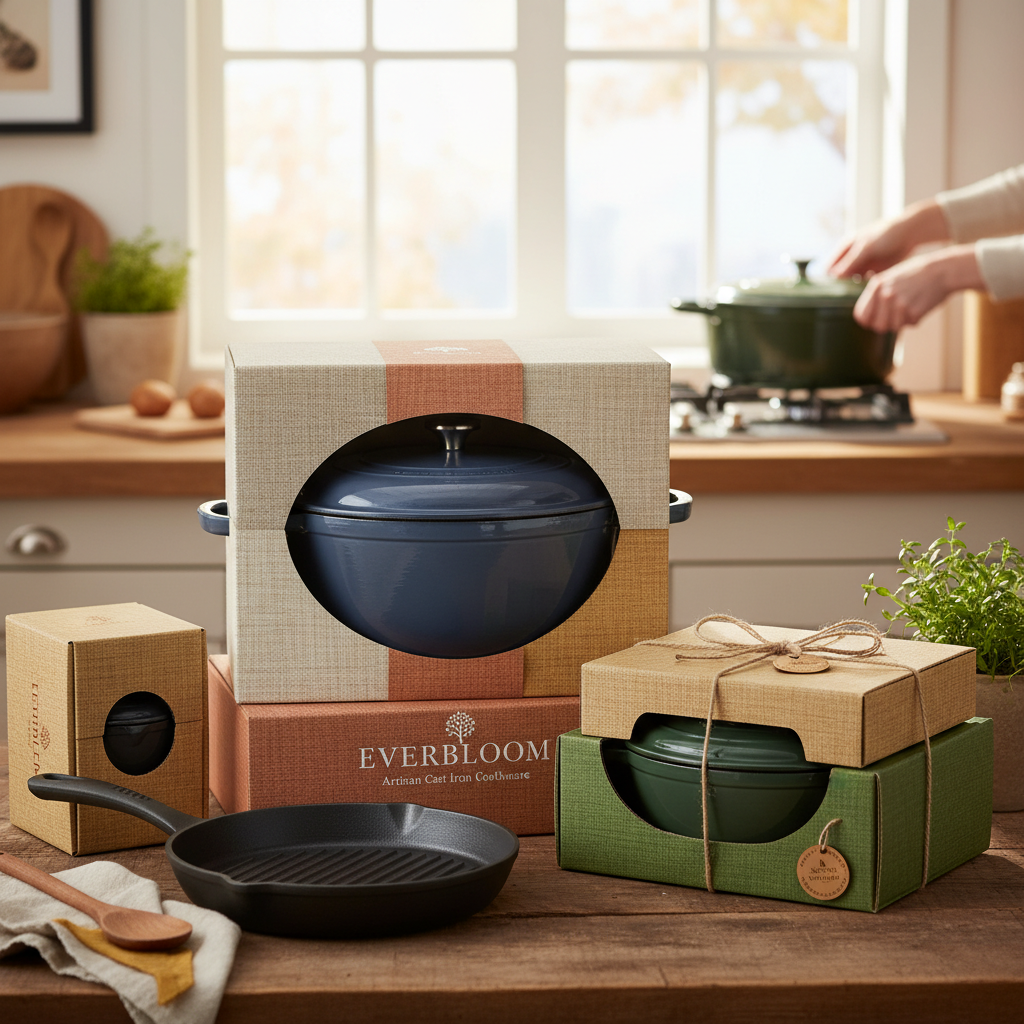
We encourage you to explore the world of cast iron cookware and discover the joy of cooking with this timeless classic. Consider your cooking style, maintenance preferences, and budget when making your selection. Visit our website at www.zdcookware.com to browse our curated collection of high-quality cast iron skillets and accessories and take the first step towards a lifetime of flavorful cooking!