Discover the Benefits of a Cast Camp Oven for Outdoor Cooking
Choosing the Right Cast Camp Oven for Your Outdoor Cooking Adventures
Outdoor cooking enthusiasts know the unique flavor and experience a cast camp oven provides. But with so many options available, selecting the best one for your needs can be daunting. This guide will explore the benefits of cast iron camp ovens, different types, key features, and how to choose the perfect oven for your next camping trip or outdoor adventure. We’ll cover everything from size and shape to lid types and accessories, helping you make an informed decision.
Why Choose a Cast Camp Oven?
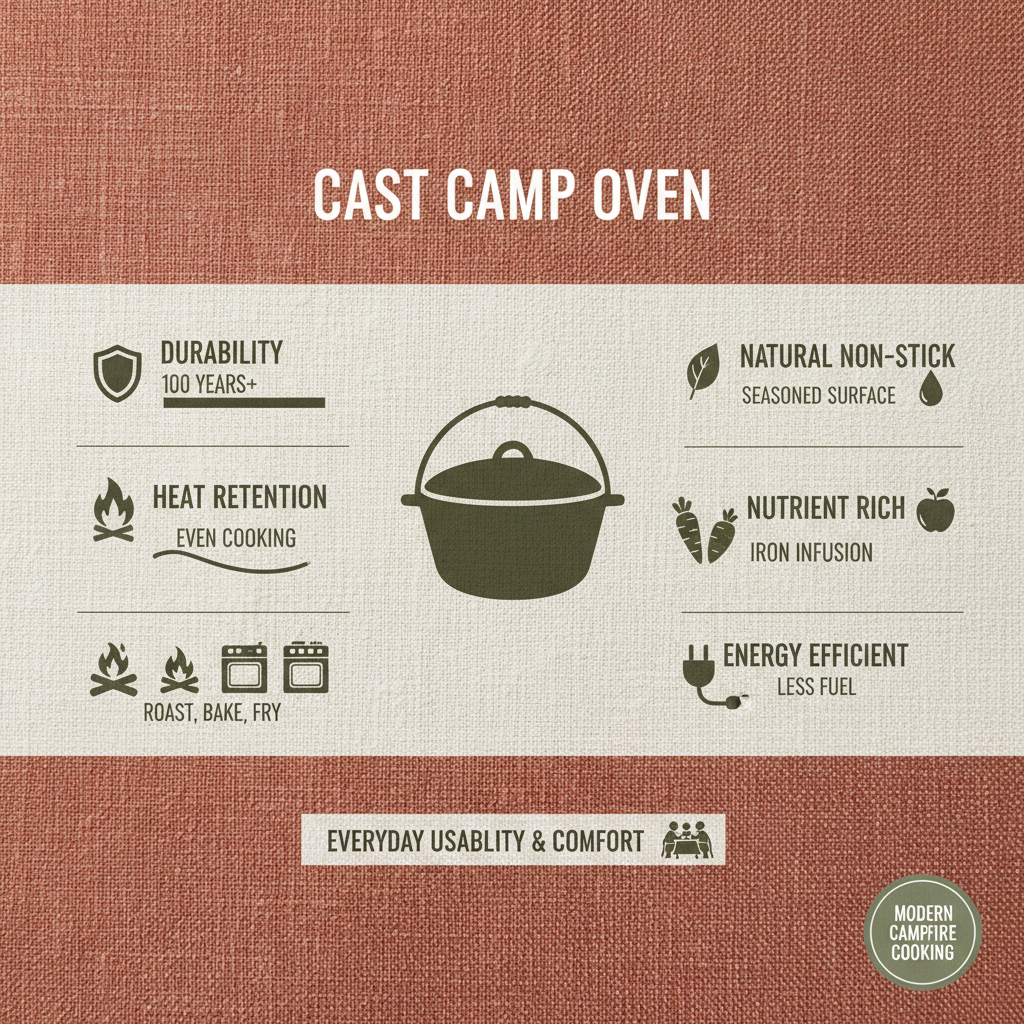
Cast iron is renowned for its exceptional heat retention and even distribution. This is critical for successful camp oven cooking, allowing for consistent temperatures and perfectly cooked meals. Unlike thinner materials, cast iron can withstand high temperatures without warping or degrading. This durability translates to a long-lasting cooking tool that can be passed down for generations. Furthermore, a well-seasoned cast iron oven is naturally non-stick, making cleaning much easier. The weight of cast iron also contributes to its stability on uneven ground, reducing the risk of spills and accidents. A cast camp oven is much more than just cookware; it's an investment in quality and flavor.
Key Benefits: Exceptional heat retention, even heat distribution, durability, naturally non-stick (when seasoned), stability, and versatility.
Types of Cast Camp Ovens
Cast camp ovens come in a variety of styles, each offering unique advantages. The most common types include:
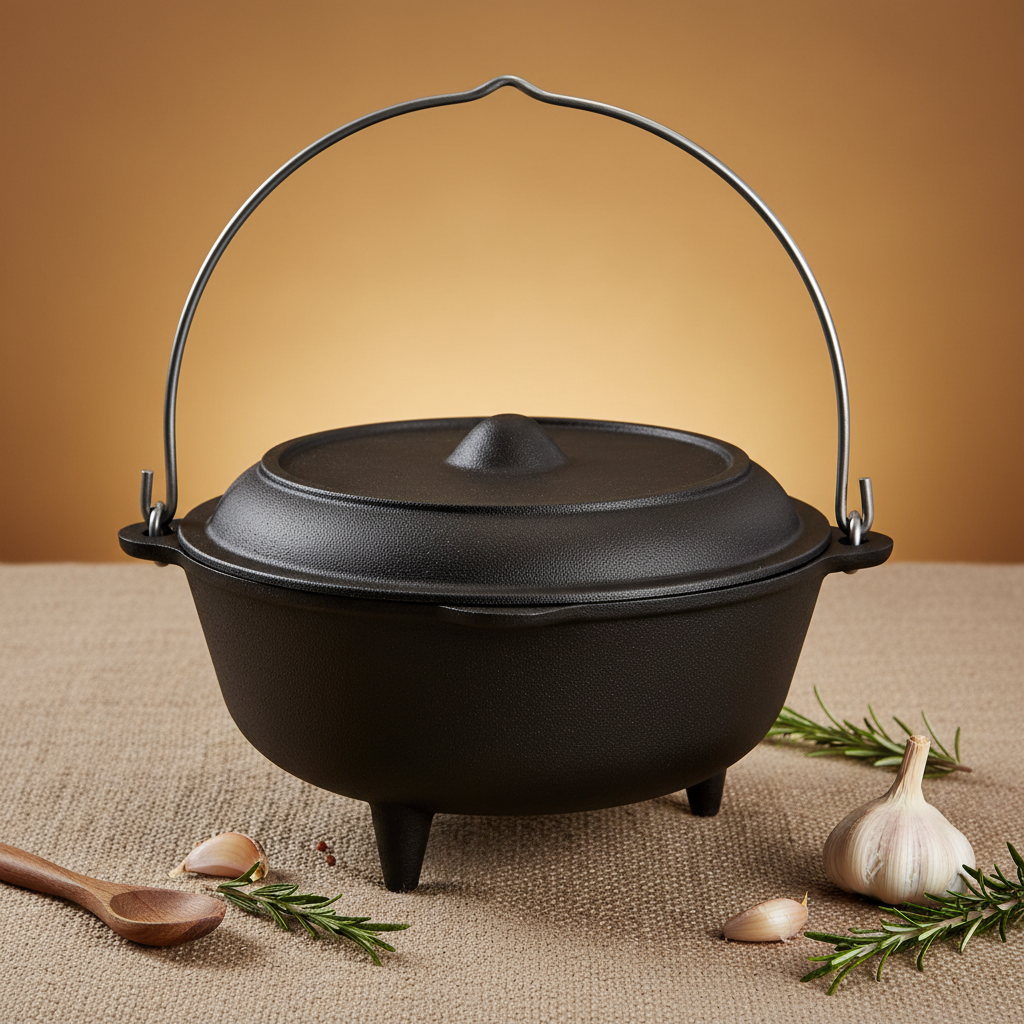
- Traditional Dutch Ovens: These feature a three-legged base for direct placement over coals.
- Flat-Bottomed Ovens: Designed for use on stoves or with trivets over coals.
- Lidded Ovens: Lids vary, with options including standard lids, self-basting lids (with a raised rib pattern), and lids with legs for inverted cooking.
Understanding these differences will help you choose an oven that best suits your preferred cooking method and terrain. For example, a traditional Dutch oven is ideal for rugged campsites, while a flat-bottomed oven offers greater versatility.
Choosing the Right Type:
• Dutch Ovens: Best for open fire cooking.
• Flat-Bottomed Ovens: Versatile for stoves and coals.
• Self-Basting Lids: Ideal for moist cooking and flavorful results.
Key Features to Consider When Buying a Cast Camp Oven
Beyond the basic type, several features influence the performance and usability of a cast camp oven. Consider these factors:
Choosing the Right Size Cast Camp Oven
Determining the appropriate size is crucial. A smaller oven (around 8 quarts) is ideal for solo campers or couples, while larger groups (4-6 people) will benefit from a 10-12 quart oven. Consider the types of meals you plan to cook. If you’re primarily making stews and roasts, a larger oven is essential. For smaller side dishes or desserts, a smaller oven may suffice. Don’t underestimate the weight – a fully loaded camp oven can be quite heavy, so choose a size you can comfortably manage. ZD Cookware offers a range of sizes to accommodate various cooking needs.
Maintaining Your Cast Camp Oven
Proper maintenance is key to ensuring the longevity of your cast camp oven. After each use, clean the oven while it's still warm (but not hot) with a brush and hot water. Avoid using soap, as it can strip the seasoning. Dry the oven thoroughly and lightly coat it with oil to prevent rust. Regular seasoning will maintain the non-stick surface and protect the cast iron. Storing the oven in a dry place is also crucial. With proper care, your cast camp oven will provide years of delicious outdoor meals.
Conclusion: Embrace the Art of Camp Oven Cooking
Investing in a quality cast camp oven opens up a world of culinary possibilities for outdoor enthusiasts. From hearty stews to delicious baked goods, the versatility and durability of cast iron are unmatched. By carefully considering your needs and following proper maintenance practices, you can enjoy countless memorable meals under the open sky.
Frequently Asked Questions (FAQs)
How do I season a new cast camp oven?
Seasoning is crucial for creating a non-stick surface and protecting the cast iron. Start by thoroughly cleaning the oven with hot water (no soap). Dry it completely, then apply a thin, even coat of cooking oil (flaxseed oil is often recommended) to all surfaces, inside and out. Bake the oven upside down in a hot oven (350-400°F) for at least an hour. Repeat this process several times to build up a strong seasoning layer. Regular use and oiling after each cooking session will maintain the seasoning.
Can I use metal utensils in a cast camp oven?
While cast iron is durable, using metal utensils can scratch the seasoning. It’s best to use wooden, silicone, or plastic utensils to avoid damaging the surface. If you do accidentally scratch the seasoning, it can be repaired by re-seasoning the affected area. Gentle care will significantly extend the life of your seasoning and prevent rust.
What's the best way to cook with coals?
For even heat distribution, use a consistent coal size and arrange them strategically. A common method is to place more coals on top of the lid than underneath. The ratio depends on what you are cooking – for baking, you generally want more heat on top. Experiment with different coal arrangements to find what works best for your oven and cooking style. Using a trivet to elevate the oven above the coals can also help prevent scorching.
How do I prevent rust on my cast camp oven?
Rust is the enemy of cast iron. To prevent it, always dry the oven thoroughly after cleaning and apply a thin coat of oil. Store it in a dry place. If rust does appear, scrub it off with steel wool, then re-season the oven. Regular maintenance and proper storage are essential for keeping your oven rust-free.
-
Mastering Outdoor Cooking with a Portable Dutch Oven GuideNewsApr.16,2026
-
Master Outdoor Cooking with the Oval Cast Iron Camp Oven GuideNewsApr.09,2026
-
Unlocking Flavorful Adventures with Outdoor Cooking with a Dutch OvenNewsApr.07,2026
-
Elevate Your Outdoor Cooking With A Premium Outdoor Cast Iron OvenNewsApr.04,2026
-
Maximize Your Outdoor Cooking with a Camping Tripod and Dutch OvenNewsMar.28,2026