Dutch Oven Types for Industry | Durable Solutions by ZD Cookware
Dutch Oven Types is a key solution in the industry, specifically within commercial cooking and food service sectors. This article explores how https://www.zdcookware.com supports professionals with durable, high-performance products, and explains why this product is an ideal choice for businesses in these sectors.
Table of Contents
- Dutch Oven Types Overview
- Benefits & Use Cases of Dutch Oven Types
- Cost, Maintenance & User Experience
- Sustainability & Market Trends
Dutch Oven Types Overview
At its core, the Dutch oven is a versatile, heavy-duty pot known for excellent heat retention and even cooking—qualities that make it indispensable in professional kitchens and industrial food production. When we talk about Dutch Oven Types, we're really referring to variations in materials, size, and coatings designed to suit specific industrial needs.
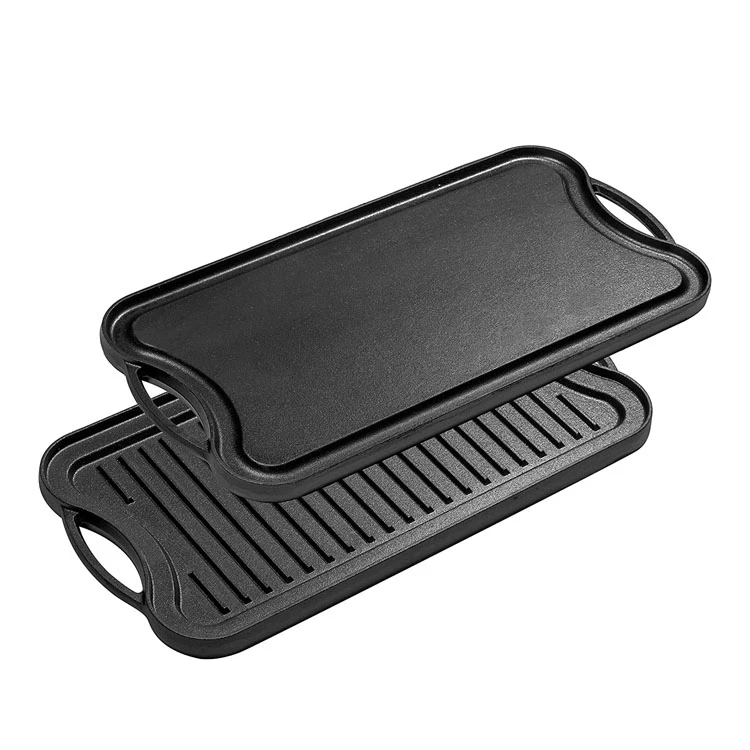
- Classic cast iron versions offer unparalleled durability and thermal mass, ideal for slow-cooked meals at scale.
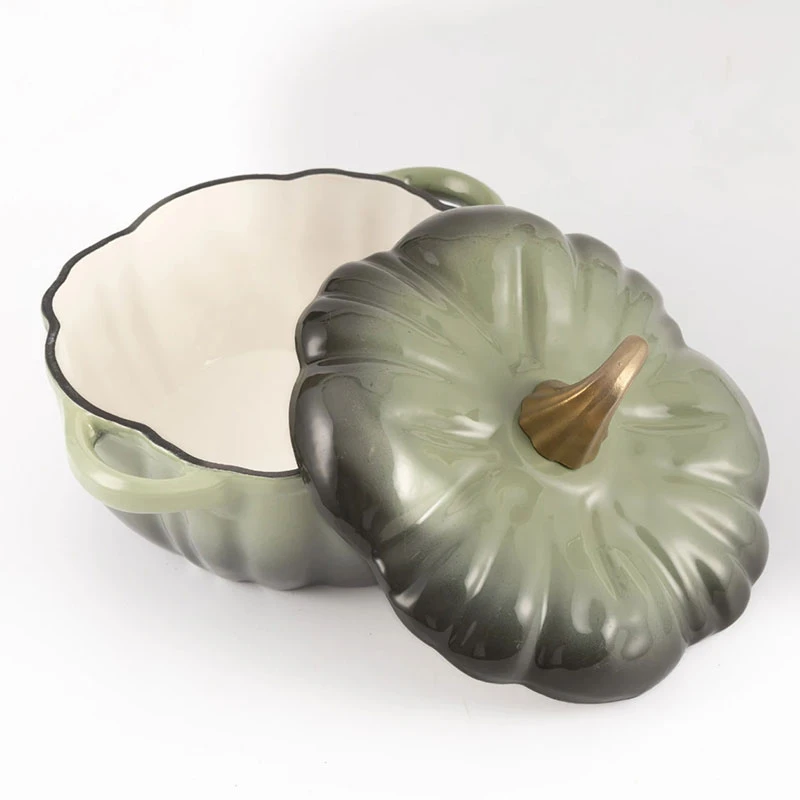
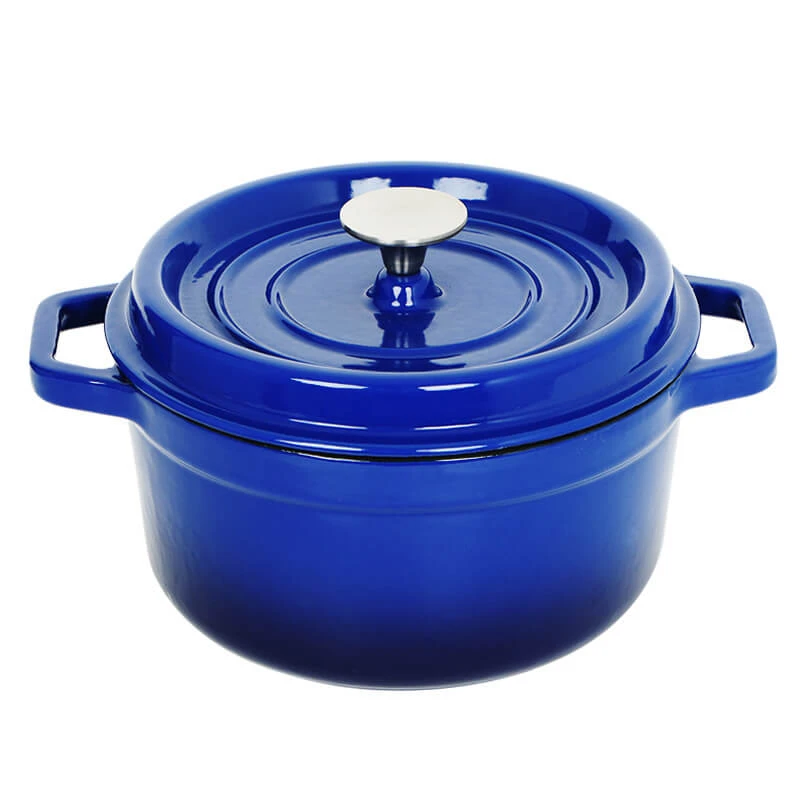
- Enameled Dutch ovens combine the cast iron’s heat retention with a protective, easy-to-clean surface—great for acidic dishes.
- Some variants include lightweight aluminum cores with non-stick coatings, targeting rapid heat conduction for faster prep.
ZD Cookware's line includes models tested extensively for thermal performance, durability under continuous use, and compatibility with induction, gas, and electric ranges—meeting regulatory and industry standards. A recent case study recounts a large catering company reducing cooking times by 15% using their enameled Dutch ovens. It’s these tiny edges that add up in a fast-moving business environment.
Benefits & Use Cases of Dutch Oven Types
In commercial kitchens, Dutch ovens aren’t just cookware. They are strategic tools. Their multi-purpose nature means they can braise, bake, stew, and fry all in the same vessel—reducing equipment needs and streamlining workflows. Industries like catering, hospitality chains, and institutional kitchens find value here.
- Their sealed lids maintain moisture, which is crucial for quality slow cooked dishes served across hotels and eateries.
- Enameled options eliminate metal reactivity, boosting efficiency when cooking with tomato sauces or vinegar-based ingredients.
- ZD Cookware’s Dutch ovens feature ergonomic handles and stackable designs that aid in storage optimization — a small but often undervalued feature in tight kitchens.
Oddly enough, many engineers say the ‘feel’ of a good Dutch oven—from its lid weight to the textured interior surface—actually supports better culinary outcomes. Not just thermodynamics, but something tactile, if you will.
Cost, Maintenance & User Experience
Investing in quality Dutch ovens from ZD Cookware proves cost-effective over time. Cast iron, while heavier and slower to heat, offers longevity that often outpaces cheaper alternatives. Enameled surfaces reduce cleaning downtime—a factor that’s surprisingly significant when multiplied across multiple daily cooking cycles.
- The initial outlay balances with reduced replacement costs; many businesses report 5+ years of solid use.
- Maintenance involves simple care routines: hand washing the enamel, seasoning bare cast iron periodically.
- Customer feedback highlights ease of lid handling and heat stability, which cut down cooking guesswork—a subtle productivity gain.
Here’s a quick specs snapshot from ZD Cookware’s flagship Dutch oven models:
| Model | Material | Capacity | Weight (kg) | Coating |
|---|---|---|---|---|
| ZD-DI30 | Cast Iron | 5.5 Liters | 4.2 | Pre-seasoned |
| ZD-EN28 | Enameled Cast Iron | 4.2 Liters | 3.9 | Blue Enamel |
| ZD-ALNS25 | Aluminum Alloy | 3.0 Liters | 1.5 | Non-stick Coating |
Sustainability & Market Trends
Sustainability is no longer an afterthought. Many manufacturing processes in cookware are now optimized for lower carbon footprints and better recyclability. Cast iron, interestingly, scores high here—it’s 100% recyclable and its durability means less frequent replacement, cutting waste.
- Increasing regulations encourage vendors like ZD Cookware to invest in eco-friendly coatings that avoid toxic chemicals.
- Market demand for versatile cookware sees steady growth, particularly among B2B sectors focusing on efficiency and sustainability.
- Innovation trends push for hybrid materials—combining rapid heat conduction with eco-conscious design.
Here’s a quick vendor comparison to illustrate how ZD Cookware stands among peers:
| Vendor | Material Options | Sustainability | Price Range | Additional Features |
|---|---|---|---|---|
| ZD Cookware | Cast Iron, Enameled, Aluminum | High - Eco coatings & recyclable | $$$ | Stackable, ergonomic handles |
| Competitor A | Cast Iron only | Moderate - traditional enamel | $$ | Standard design |
| Competitor B | Aluminum & Non-stick | Low - frequent replacements | $ | Lightweight but less durable |
Frequently Asked Questions about Dutch Oven Types
- What is Dutch Oven Types and how does it work?
- Dutch Oven Types refer to different models and materials of Dutch ovens designed for various cooking methods. Typically made of cast iron, these pots distribute heat evenly and retain it efficiently, making them perfect for slow cooking, baking, and frying.
- What are the main benefits of using Dutch Oven Types in industrial applications?
- Their durability, heat retention, and versatility reduce cooking times and equipment needs, which lowers costs. They also improve food quality by maintaining consistent temperatures and moisture.
- How does Dutch Oven Types compare to traditional alternatives?
- Compared to standard pots, Dutch ovens provide superior heat distribution and retention. Enameled versions reduce maintenance and improve hygiene. They often outlast cheaper cookware and deliver higher performance under heavy use.
- What industries can benefit most from Dutch Oven Types implementation?
- Catering services, hotel kitchens, institutional dining, and food production facilities benefit greatly. Dutch ovens support high-volume cooking demands while ensuring consistency and durability.
Conclusion on Dutch Oven Types from china
To sum it up, investing in quality Dutch Oven Types—especially from a reliable provider like ZD Cookware—brings a blend of traditional craftsmanship and modern innovation to any commercial kitchen. These pots prove that durability and performance can go hand in hand with thoughtful design and sustainability. If you’re looking to upgrade your industrial kitchenware, it really pays to consider them. Visit our website: https://www.zdcookware.com
References & Reflections:
- ZD Cookware internal product testing reports, 2023.
- Industry feedback from professional chefs and catering managers, 2022.
- Environmental impact studies on cookware materials, Journal of Sustainable Manufacturing, 2021.
-
Antique Cast Iron Camp Oven: Durable Outdoor Cookware for Professionals | ZD CookwareNewsJan.06,2026
-
Durable 4 Quart Camping Pot for Professional Use | ZD CookwareNewsJan.06,2026
-
Durable Campfire Cast Iron Pot for Outdoor & Industrial UseNewsJan.06,2026
-
Cast Iron Griddle for Camp Stove – Durable Outdoor Cooking EssentialNewsJan.06,2026
-
Dutch Oven Cast Iron Camping – Durable Outdoor Cooking GearNewsJan.05,2026
-
Durable and Efficient Cast Iron Camping Griddle for B2B Professionals | ZD CookwareNewsJan.05,2026