Everything You Need to Know About the Dutch Pan: Cooking, Durability & Trends
Understanding the Dutch Pan: More Than Just a Cooking Essential
If you’ve ever watched a slow-cooked stew come to life or marveled at a perfectly braised pot roast, you might have a dutch pan to thank. But beyond the kitchen’s warmth, the dutch pan carries a heritage and design that have made it a global staple, transcending cultures and styles of cooking. This isn’t just another pot—it’s a versatile powerhouse used in homes, restaurants, and even some commercial kitchens worldwide.
In this article, we'll dive into what exactly defines a dutch pan, why it matters on a global scale, and explore its key features, applications, and future trends. Curious yet? Let’s dive in.
The Global Appeal of the Dutch Pan: Why It Still Matters
Even in a world rushing headlong toward high-tech kitchen gadgets, the dutch pan has stayed remarkably relevant. According to a 2023 report by the International Trade Centre (ITC), the cookware market—including cast iron and enameled cast iron vessels—has seen steady growth, particularly in Europe and North America, where slow cooking and artisanal food prep remain popular.
Why is the dutch pan still holding court? For one, it solves fundamental problems: even heat distribution, durability, and ease of use. These features meet the needs of chefs and home cooks alike. Plus, as people worldwide shift toward comfort foods and sustainable cooking methods, the dutch pan fits perfectly in both narratives.
What Exactly Is a Dutch Pan?
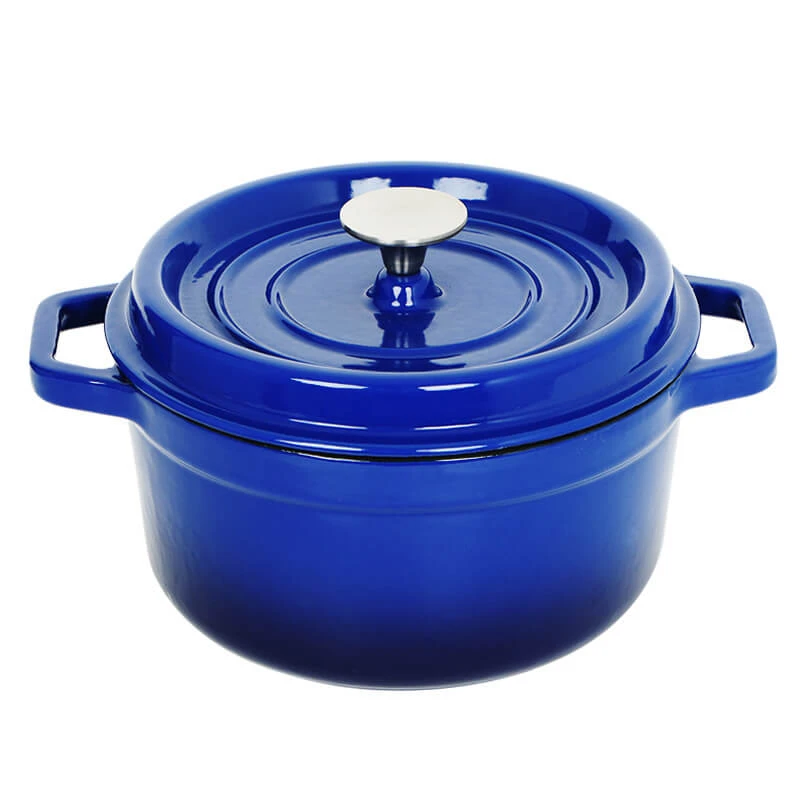
Simply put, a dutch pan (sometimes called a dutch oven or dutch pot) is a heavy-duty cooking pot, traditionally made from cast iron, often coated with enamel. It combines thick walls and a tight-fitting lid to distribute heat evenly and retain moisture.
Historically, these pans were essential for everything from baking bread to stewing meats over an open fire. In modern times, the dutch pan still excels in braising, roasting, frying, and simmering. Its ability to maintain consistent heat makes it an important tool in both household kitchens and professional settings.
Mini Takeaway:
The dutch pan is essentially a heavy, lidded pot that excels at slow, even cooking — a timeless kitchen hero.
Key Attributes That Make a Dutch Pan Special
Durability
Cast iron is famously rugged. Many dutch pans outlive their owners and are passed down generations. Their enamel coating protects against rust and makes cleaning easier, adding to their longevity.
Heat Retention and Distribution
Unlike thin stainless steel or aluminum pans, the thick cast iron walls absorb and distribute heat gradually and uniformly. This reduces hotspots that burn food unexpectedly.
Versatility
From searing steaks on the stovetop to baking casseroles or even bread in the oven, a dutch pan can do it all. It’s compatible with electric, gas, and induction stovetops — plus, it can go from stovetop to oven seamlessly.
Seal and Moisture Retention
The snug lid creates an almost airtight environment, helping to trap steam and juices. This is why it’s perfect for braised dishes that need long, slow cooking.
Aesthetic and Design
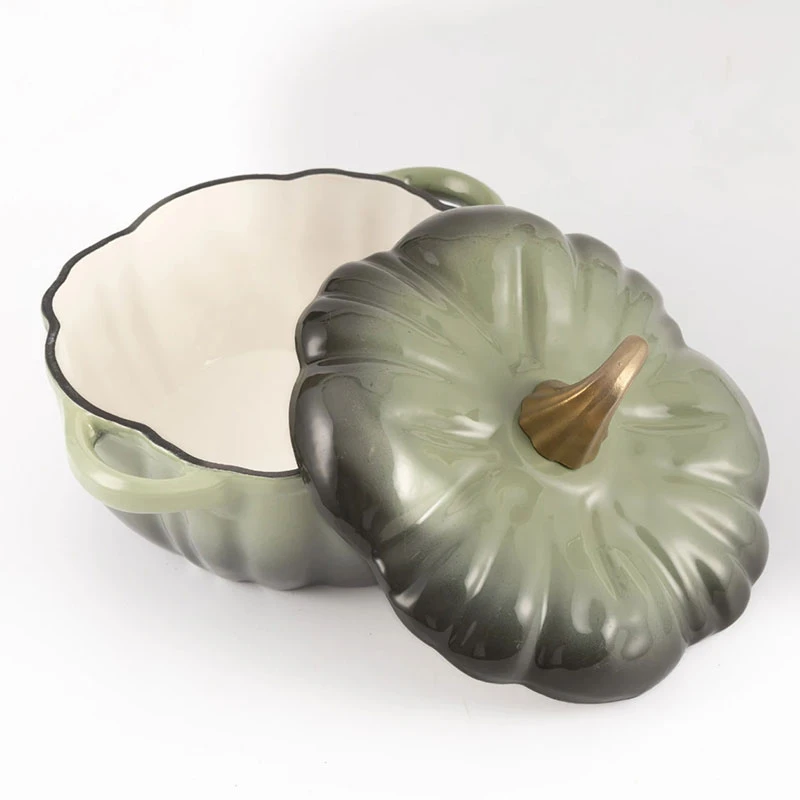
Modern dutch pans come in a range of colors and styles — enamel finishes add a vibrant pop to the kitchen while providing practical, easy-to-clean surfaces.
Mini Takeaway:
It’s hard to beat a dutch pan for longevity, heat control, and versatility—it’s the kitchen equivalent of a trusty Swiss army knife.
Global Applications and Real-World Use Cases for Dutch Pans
From Belgium to the southern United States, dutch pans are a staple across continents. Here are a few places and scenarios where their value truly shines:
- Home kitchens: Slow-cooked Sunday roasts or stews.
- Restaurants: Professional chefs rely on dutch pans for braising in French and Southern cuisine.
- Camping and outdoor cooking: Cast iron’s ruggedness lets campers cook over open flames safely.
- International humanitarian efforts: Large-scale, durable cooking vessels like dutch pans are used in refugee camps for communal cooking, where robustness and versatility are essential (source: UNHCR).
Mini Takeaway:
The dutch pan’s global reach isn’t just about food—it’s about resilience and adaptability wherever people gather to cook.
Advantages & The Long-Term Value of Investing in a Dutch Pan
Buying a good dutch pan often means paying a premium upfront, but many people find it’s worth every cent in the long run. Here’s why:
- Cost-effective over time: No need for replacements; one pan can last decades.
- Sustainability: Cast iron pans are recyclable and often made from recycled materials.
- Health benefits: Cooking in cast iron can add iron to your diet, a plus for some.
- Emotional value: The pan often becomes family heirloom, tied to heritage and memories.
Product Specification Table
| Specification | Description |
|---|---|
| Material | Cast Iron with Enameled Coating |
| Capacity | 4 to 7 Quarts |
| Weight | 5 to 10 lbs |
| Heat Source Compatibility | Gas, Electric, Induction, Oven |
| Care | Hand Wash Recommended, Avoid Abrasive Tools |
| Warranty | Typically 10+ years manufacturer warranty |
Comparing Major Dutch Pan Vendors: A Quick Look
| Brand | Price Range | Material | Warranty | Unique Feature |
|---|---|---|---|---|
| Le Creuset | $300 - $600 | Enameled Cast Iron | Lifetime | Vibrant colors, French heritage |
| Lodge | $40 - $100 | Cast Iron (Some Enamel) | Limited Lifetime | Affordable, American made |
| Staub | $200 - $500 | Matte Enameled Cast Iron | Lifetime | Black matte finish, self-basting lids |
Future Trends and Innovations in Dutch Pans
You might wonder, “How much innovation can a pan have?” Quite a bit, actually. Designers and manufacturers are focusing on sustainable materials and eco-friendly production processes to reduce the environmental footprint — after all, long-lasting cookware is green by nature.
New enamel formulas improve chip-resistance, while some companies experiment with lighter-weight cast iron composites for easier handling. Digital cookware, with temperature sensors embedded, might soon become more common, merging tradition with tech.
Challenges and Expert Solutions
Despite its many virtues, dutch pans aren’t perfect. They’re heavy, sometimes fragile if dropped, and enamel coatings can chip if mishandled. Cleaning requires care: abrasive scrubbing can damage the enamel. Hence, many users are encouraged to maintain seasoning on raw cast iron or use gentle cleaners for enameled versions.
Some newer entrants in the market solve these issues with hybrid materials or reinforced finishes. Others provide educational support on care to extend product life, an essential move to justify their premium.
Frequently Asked Questions About Dutch Pans
1. What makes a dutch pan better than other pots?
Its heavy cast iron construction means it heats evenly and retains heat longer than thin metal pots, making it perfect for slow cooking. The tight-fitting lid also traps moisture effectively, improving flavor and texture.
2. How do I care for an enameled dutch pan?
Hand wash with warm, soapy water and a soft sponge. Avoid metal utensils that can scratch the enamel. Dry completely before storing to prevent rust on any exposed cast iron.
3. Can I use a dutch pan on induction cooktops?
Yes, because cast iron is magnetic, dutch pans work beautifully on induction stoves, making them a versatile option regardless of your kitchen setup.
4. Are dutch pans eco-friendly?
Definitely. Their long lifespan means fewer replacements, and cast iron is highly recyclable. When used for decades, their environmental impact is minimized compared to disposable alternatives.
5. What sizes are best for families?
Generally, 5 to 7-quart dutch pans accommodate most family meals, enough capacity for large stews or roasts without being unwieldy.
In Conclusion: Why a Dutch Pan Is a Worthy Addition to Your Kitchen
Choosing a dutch pan means investing in great food, superior craftsmanship, and sustainability. Its durability and versatility make it an indispensable kitchen tool, appreciated from home cooks to world-class chefs. If you haven’t experienced the magic of braising, baking, and slow-cooking in one pot, this might be the year to start.
For those eager to explore quality dutch pans and elevate their kitchen prowess, do check out our range here. Your future self (and meals) will thank you.
Mini Takeaway:
A dutch pan is more than cookware—it’s an investment in tradition, flavor, and a greener kitchen. How’s that for tasty sustainability?
References
-
Antique Cast Iron Camp Oven: Durable Outdoor Cookware for Professionals | ZD CookwareNewsJan.06,2026
-
Durable 4 Quart Camping Pot for Professional Use | ZD CookwareNewsJan.06,2026
-
Durable Campfire Cast Iron Pot for Outdoor & Industrial UseNewsJan.06,2026
-
Cast Iron Griddle for Camp Stove – Durable Outdoor Cooking EssentialNewsJan.06,2026
-
Dutch Oven Cast Iron Camping – Durable Outdoor Cooking GearNewsJan.05,2026
-
Durable and Efficient Cast Iron Camping Griddle for B2B Professionals | ZD CookwareNewsJan.05,2026