Discover the Timeless Appeal of the Dutch Oven Skillet | Ultimate Kitchen Essential
What Exactly is a Dutch Oven Skillet and Why Should You Care?
In kitchens worldwide, whether bustling restaurant or quiet home, the dutch oven skillet quietly holds a special place. It’s one of those timeless tools that chefs, casual cooks, and survivalists alike swear by. Beyond its sturdy cast iron or enameled surfaces, it embodies a fascinating mix of durability, versatility, and even sustainability. You might be surprised how understanding this humble cookware fits into a broader global scene—from food security to eco-conscious living. Let’s dive right in and explore what makes the dutch oven skillet a staple far beyond the stove.
The Global Context: Why Dutch Oven Skillets Matter More Than You Think
Globally, the kitchen is often the heart of community and culture. According to the UN's Food Systems Summit, sustainable culinary practices are crucial for reducing waste and carbon footprints. Enter the dutch oven skillet: a tool that supports slow cooking, energy efficiency, and multi-use capacity that helps households consume less power and cook more nutritiously. In developing regions and disaster zones, this reliable cookware often doubles as a multi-purpose tool, crucial for safe, affordable food preparation.
But here’s the catch — modern convenience sometimes pushes people toward disposable, fast-use cookware, losing the value and longevity embodied in a dutch oven skillet. Globally, improving awareness and usage could measurably offset cooking emissions and food waste — a subtle but meaningful nudge toward greener living.
Defining the Dutch Oven Skillet: Simple but Powerful
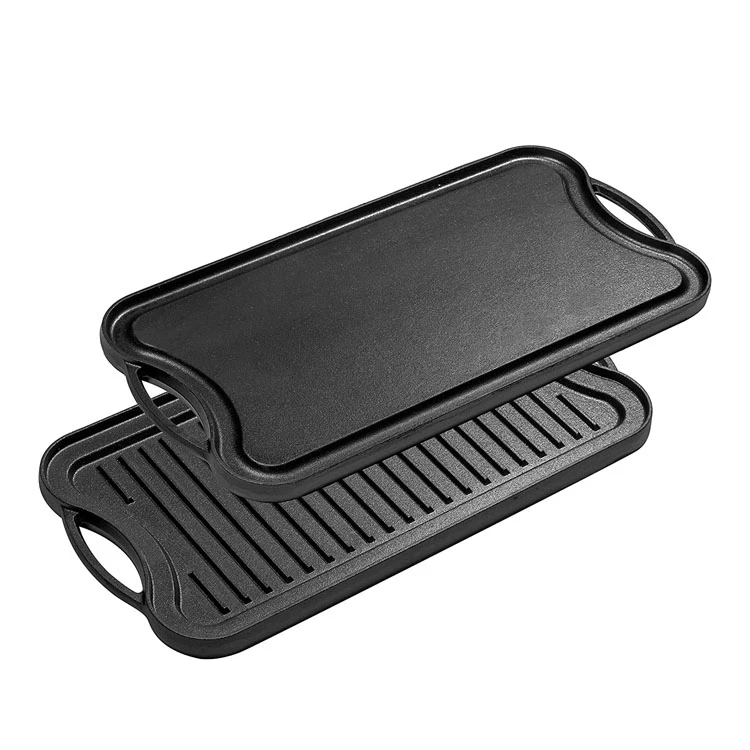
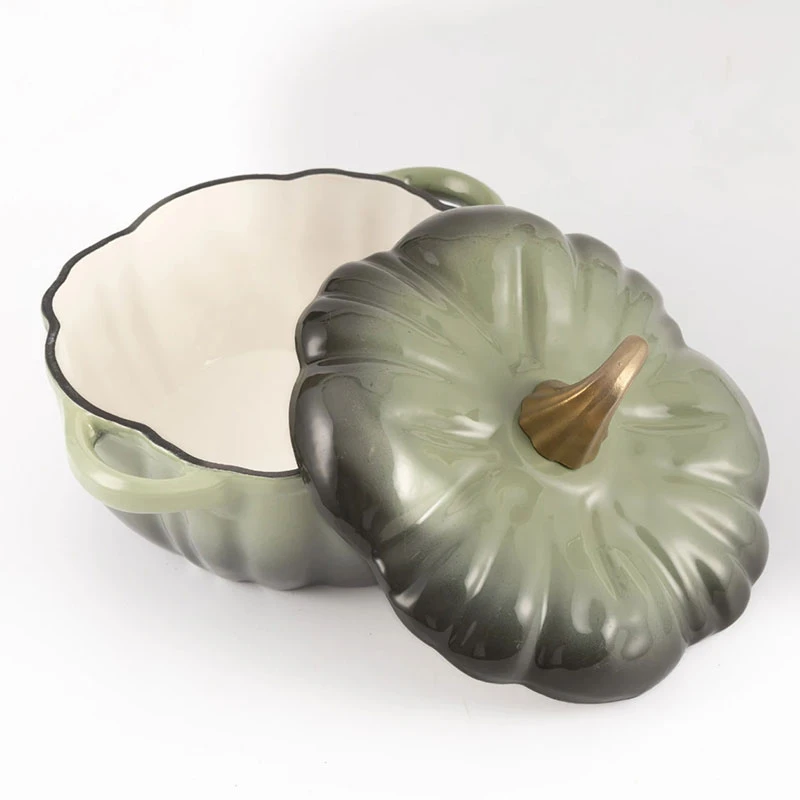
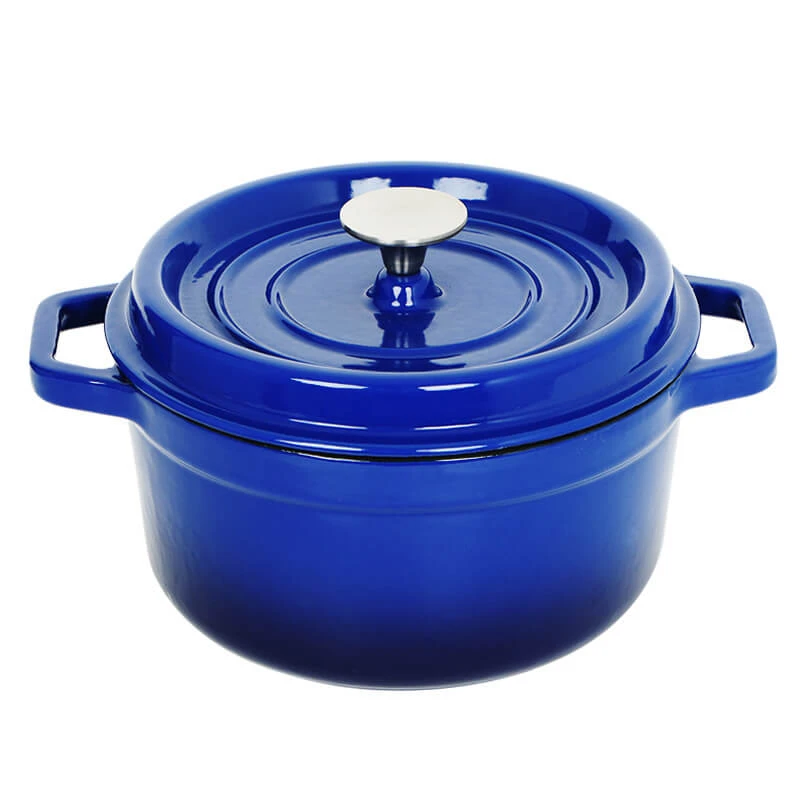
So what is a dutch oven skillet exactly? In simple terms: it’s a heavy cast iron or enameled pot or pan, often with high sides and a tight-fitting lid, designed for both frying and slow cooking. It combines the benefits of a skillet’s heat retention with the enclosed cooking style of a dutch oven. This hybrid nature makes it uniquely versatile.
Modern manufacturing and materials means these skillets can withstand high temperatures, are often dishwasher-safe (if enameled), and versatile enough to go from stovetop to oven seamlessly. In humanitarian terms, this means one tool can serve many purposes—heating, baking, frying, boiling—all with minimal energy input.
Mini Takeaway:
In essence, the dutch oven skillet is a multifunctional, resilient culinary companion that bridges traditional cooking with modern needs, especially in resource-limited settings.
Key Features That Make Dutch Oven Skillets Stand Out
1. Durability
Cast iron is built to last. Many a family heirloom skillet attests to that, often passed down across generations. The seasoning on cast iron develops with use, creating a non-stick surface without synthetic chemicals.
2. Thermal Retention and Even Heating
This hefty cookware holds heat remarkably well, distributing it evenly. Unlike typical pans, it avoids hot spots, which means your stew or roast comes out perfectly cooked every time.
3. Versatility
This skillet isn’t just for frying; it braises, bakes, sautés, and even doubles as a serving dish. This multifunctionality is why many chefs and families swear by them.
4. Energy Efficiency
Because of its heat retention, the skillet requires lower and less frequent heating to maintain temperatures—great news for eco-conscious and off-grid kitchens.
5. Health and Safety
Cast iron skillets allow for iron infusion into food, an often understated nutritional benefit. Plus, enameled varieties offer rust resistance and easy cleaning without toxic coatings.
Mini Takeaway:
The mix of durability, heat performance, and health benefits makes the dutch oven skillet more than just cookware—it’s a sustainable kitchen investment.
The Real-World Impact: Where and How Dutch Oven Skillets Are Put to Work
From rugged outdoor campsites in Colorado to family kitchens in rural India, dutch oven skillets find niches everywhere. In disaster relief operations, such as those supported by the World Food Programme, reliable cooking vessels like these significantly improve food preparation conditions. Their ability to evenly cook meals on open fires or temporary stoves reduces health risks and food wastage.
In parts of Africa and Southeast Asia, increased interest in durable cookware helps households cook nutritious meals safely over smoky fires, reducing indoor air pollution—a serious health hazard documented by the World Health Organization.
And of course, in gourmet and home kitchens alike, these skillets shine for slow-roasting meats, one-pot stews, and even baking bread, underscoring their timeless culinary appeal.
Advantages and Why They Still Matter Long-Term
- Financially smart: Buy once, use forever. The long lifespan outweighs the upfront cost.
- Sustainability wins: Less energy, fewer pans, recyclable materials.
- Social & emotional: Passing down a dutch oven skillet can feel like passing down love or tradition.
- Reliability: Independence from fragile cookware or electricity makes it a kitchen workhorse.
Future Trends & Innovations on the Horizon
Manufacturers are responding to green trends by producing dutch oven skillets with recycled metals and eco-friendly enamels. Some experimental designs include smart temperature sensors embedded in handles for precision cooking — pretty nifty, right? Oddly enough, the techier the skillet, the more it honors ancient cooking disciplines.
Additionally, in humanitarian logistics, lightweight, durable variations paired with solar cookers are being tested to aid off-grid communities.
Challenges and Smart Solutions
While dutch oven skillets are amazing, they aren’t perfect. Their weight can be a barrier—especially for elderly users. And care is needed to avoid rust (unless enameled). Plus, initial costs might deter some budget-conscious shoppers.
But these problems spark innovation—companies now offer lighter alloys and beginner-friendly care kits. Meanwhile, educational campaigns promote seasoning and cleaning techniques that extend lifespan. So, just a little effort, and you’re golden.
FAQ: Your Burning Questions about Dutch Oven Skillets Answered
- Q: How do I maintain my cast iron dutch oven skillet to prevent rust?
- A: After each use, clean with hot water (avoid soap). Dry it completely and apply a thin layer of vegetable oil before storing. Seasoning builds up over time, creating a natural rust barrier.
- Q: Can I use a dutch oven skillet on induction stovetops?
- A: Absolutely! Cast iron and enameled skillets work excellently on induction because they have magnetic properties essential for that heating method.
- Q: Are enameled dutch oven skillets better for beginners?
- A: They’re very user-friendly—no seasoning needed, easy cleaning, and no rust. However, they’re generally more expensive and can chip if treated roughly.
- Q: Is the dutch oven skillet suitable for outdoor cooking?
- A: Definitely. Its thick walls and lid help stabilize temperature when cooking over campfires or portable burners.
- Q: How energy efficient is cooking with a dutch oven skillet compared to modern cookware?
- Casting heat longer and more evenly means often using less fuel, saving energy and money in the long run.
Product Specification Table: Typical Dutch Oven Skillet
| Feature | Specification |
|---|---|
| Material | Cast iron or Enameled cast iron |
| Diameter | 10 to 14 inches (varies) |
| Weight | 6–12 lbs depending on size |
| Oven Safe Temperature | Up to 500°F (260°C) |
| Heat Source Compatibility | Stovetop, oven, induction, campfire |
| Care | Seasoning required for bare cast iron; enameled models easy maintenance |
Vendor Comparison: Leading Dutch Oven Skillet Brands
| Brand | Material | Price Range | Unique Features | Warranty |
|---|---|---|---|---|
| Lodge | Cast iron | $30-$80 | Pre-seasoned; great for beginners | Limited lifetime |
| Le Creuset | Enameled cast iron | $300-$400 | High-end enamel coatings; extensive colors | Limited lifetime |
| Staub | Enameled cast iron | $250-$350 | Matte enamel interior; self-basting lids | Limited lifetime |
Conclusion and Next Steps
The dutch oven skillet remains a stellar example of kitchen ingenuity meeting global cooking needs. From home chefs who relish slow, flavorful meals to communities requiring reliable cookware in tough conditions, its long-term value and adaptability can’t be overstated. If you haven’t explored this cookware type yet, now’s a great time. Check out our curated selection and find your perfect skillet partner. Your future meals—and maybe the planet—will thank you.
References
-
Antique Cast Iron Camp Oven: Durable Outdoor Cookware for Professionals | ZD CookwareNewsJan.06,2026
-
Durable 4 Quart Camping Pot for Professional Use | ZD CookwareNewsJan.06,2026
-
Durable Campfire Cast Iron Pot for Outdoor & Industrial UseNewsJan.06,2026
-
Cast Iron Griddle for Camp Stove – Durable Outdoor Cooking EssentialNewsJan.06,2026
-
Dutch Oven Cast Iron Camping – Durable Outdoor Cooking GearNewsJan.05,2026
-
Durable and Efficient Cast Iron Camping Griddle for B2B Professionals | ZD CookwareNewsJan.05,2026