Discover the Camping Dutch Oven: Essential Outdoor Cooking Gear for Every Adventure
Getting to Know the Camping Dutch Oven: Why It Still Matters Globally
It’s easy to overlook the humble camping dutch oven as just another piece of outdoor gear. But dig a little deeper, and you’ll find it’s a tool with serious global relevance—whether for the weekend camper enjoying some fresh air or aid workers feeding communities in remote disaster zones. This cookware, essentially a heavy-duty pot with a tight-fitting lid, has been quietly essential for generations. It enhances the outdoor cooking experience and even intersects with humanitarian efforts worldwide.
Why bring this up now? Because as outdoor leisure surges and emergency relief grows more complex and urgent, understanding how this classic tool meets diverse challenges is... well, surprisingly useful. Beyond just boiling water or slow-cooking stews by campfires, camping dutch ovens offer robustness, versatility, and often, a slice of tradition that feeds more than just appetite.
Mini takeaway: The camping dutch oven is more than camping gear — it’s a global practical asset with deep roots in both leisure and critical relief contexts.
Camping Dutch Oven in a Global Context: Why the Buzz?
Globally, outdoor activities form an economic powerhouse—just look at the outdoor recreation industry, valued at hundreds of billions annually ([Outdoor Industry Association, 2023](https://outdoorindustry.org/)). Meanwhile, the UN reports that disaster-affected populations are climbing steadily, demanding durable, low-tech solutions for feeding displaced families safely. Enter the camping dutch oven: a rugged, portable option for cooking that requires minimal fuel and no electricity.
Oddly enough, the problem of feeding people on the move or off-grid isn’t new, but is compounded by today's climate crises and mass migration. Modern cook stoves can be fragile or expensive, but a cast iron or steel dutch oven withstands the test of time and conditions.
Mini takeaway: The camping dutch oven fulfills a niche that high-tech solutions often can't—durable, simple cooking even in challenging environments worldwide.
What Exactly Is a Camping Dutch Oven?
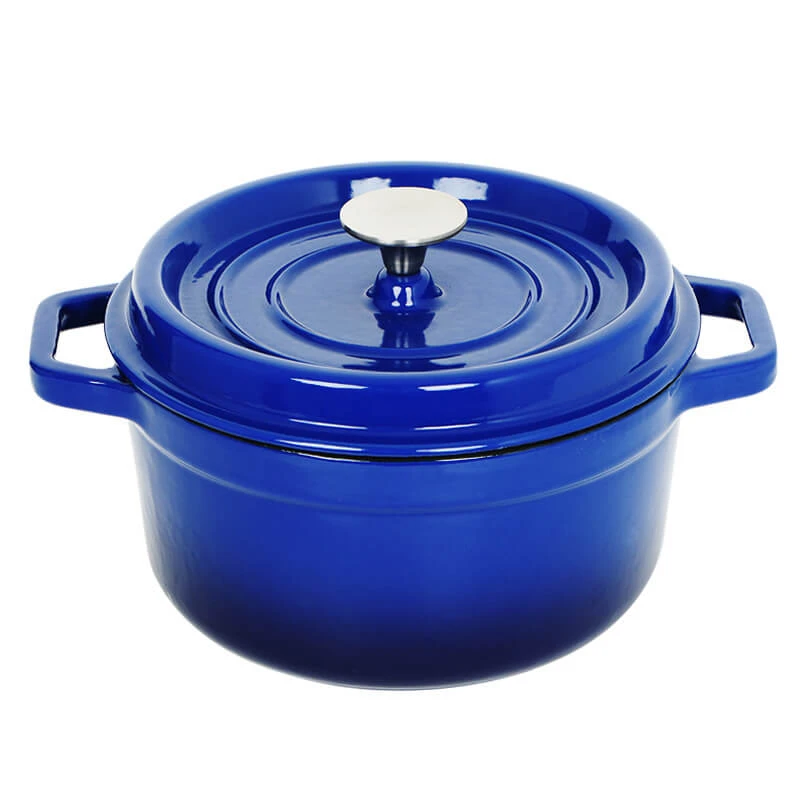
At its core, a camping dutch oven is a heavy pot, traditionally made of cast iron, designed for cooking over an open flame or campfire. It usually features a tight lid (often with legs for placing hot coals on top), which creates an oven-like environment. This simple cookware can bake, roast, stew, and simmer.
From a modern perspective, especially within relief or remote work industries, it’s a low-tech but indispensable appliance that requires no electricity, lets cooks control heat with coals or embers, and—importantly—lasts for decades if well maintained. In fact, it blends old-fashioned durability with modern-day practicality.
Core Components of a Camping Dutch Oven
Durability & Material
Most camping dutch ovens are cast iron, prized for heat retention and toughness. Others use enameled steel for easier cleaning but can chip. The material must resist warping and rust, especially outdoors.
Heat Distribution
Uneven cooking is no fun, and many engineers say cast iron provides surprisingly even heat. The lid’s ability to hold coals allows top heat—perfect for even baking.
Portability
Because it’s heavy, designers balance size with weight. Smaller 8-inch models are popular for solo campers; larger 12-inch pots feed a family or group.
Design Features
Legs on the base, a loop handle, tight-fitting lids are not arbitrary. They allow for versatile heat source use, easy carrying, and better cooking control.
Maintenance & Longevity
Seasoning the cast iron (a thin layer of oil baked into the surface) is key to preventing rust and sticking—a small but important chore to extend usable life, which often spans generations.
| Feature | Cast Iron Model | Enameled Steel Model | Weight |
|---|---|---|---|
| Diameter | 12 inches | 12 inches | 15 lbs (cast), 9 lbs (enameled) |
| Lid Type | Flat with legs | Flat without legs | |
| Heat Source Compatibility | Wood, charcoal, coals | Wood, charcoal, coals (less durable) | |
| Care Required | Seasoning needed | Easier cleaning, no seasoning |
Practical Uses Around The World
From national parks in the U.S. to remote villages in sub-Saharan Africa, camping dutch ovens serve very diverse roles.
- Outdoor Recreation: Weekend camping, survival training, and scout camps adore the versatility of dutch ovens, helping groups prepare nutritious meals where there’s no electricity.
- Humanitarian Relief: The Red Cross and similar organizations use these ovens in refugee camps for efficient, large-batch cooking that’s fuel-conscious.
- Remote Worksites: In mining camps or forestry operations scattered across Canada and Australia, these ovens allow workers to prepare meals even without modern kitchens.
I once read a relief worker’s anecdote about cooking hundreds of meals daily in a single dutch oven while stationed in a flooded village in South Asia — a testament to how old-school tools still save lives.
Mini takeaway: This cookware crosses all borders, turning up wherever you need dependable, off-grid meal prep.
The Value of a Camping Dutch Oven: Why Invest in This Time-Tested Tool?
Benefits stretch beyond the obvious cooking abilities:
- Cost-Effective: These ovens last decades, spreading the initial purchase cost over many uses.
- Sustainable: No batteries or electricity needed, they’re eco-friendly by default.
- Built for Reliability: Cast iron pots handle heat, rough treatment, and weather with ease.
- Social Impact: They lend dignity to people—providing a warm meal in tough times isn’t just sustenance; it’s humanity.
Emotionally, there’s something grounding about a dish slow-cooked in a dutch oven—kind of an ancient connection we forget today’s tech can sometimes blur.
What’s Next? Innovations Around the Camping Dutch Oven
While cast iron remains dominant, there are whispers of changes:
- Lighter Materials: Titanium and advanced alloys that retain heat but reduce carry-weight could redefine portability.
- Smart Lid Designs: Integrated thermometers or heat indicators may soon become standard.
- Sustainability: Using recycled metals and eco-friendly coatings aligns with growing environmental concerns.
Though the classic dutch oven is stubbornly traditional, these tweaks hint at a future where outdoor cooking merges heritage with innovation.
Common Challenges and Solutions with Camping Dutch Ovens
Of course, it’s not all perfect. The biggest headache is weight. Cast iron can feel like a workout in your backpack. Maintenance (seasoning) requires patience. Also, the initial heat-up time demands a bit of planning—there’s no quick microwave fix here.
Solutions? Lightweight enameled options for less rugged trips, better carrying cases, and user guides help novices get started. Online communities share seasoning hacks daily, so it’s easier to learn than ever.
| Brand | Material | Price Range | Best For | Warranty |
|---|---|---|---|---|
| Lodge | Cast Iron | $70-$120 | Sturdy, classic designs | Limited lifetime |
| Camp Chef | Enameled Cast Iron | $100-$140 | Easy clean-up, multiple colors | Limited lifetime |
| GSI Outdoors | Hard-Anodized Aluminum | $60-$90 | Lightweight, backpacking | 1-year limited |
FAQ: Common Queries About Camping Dutch Ovens
What makes a camping dutch oven better for outdoor cooking than regular pots?
Camping dutch ovens excel because they’re built for open flames and coals, creating an environment similar to a traditional oven, which regular pots can’t replicate. Their heavy cast iron material retains and distributes heat evenly — crucial when cooking uneven heat sources like campfires.
How do I maintain my cast iron camping dutch oven to keep it rust-free?
The key is seasoning, which involves regularly coating it with cooking oil and heating it to create a protective layer. After each use, clean with hot water (no soap), dry thoroughly, then apply a thin layer of oil before storing. This prevents rust and food sticking.
Are camping dutch ovens suitable for all types of cooking on a camping trip?
Yes, they’re incredibly versatile — slow stews, baking bread, roasting meats, even frying. Though heavy, the oven’s ability to cook a variety of recipes makes it worth the effort for many camping enthusiasts.
Can camping dutch ovens be used safely in humanitarian or emergency relief situations?
Absolutely. Their durability and low fuel needs make them ideal for emergency settings. Organizations use them for mass cooking where electricity or gas stoves might be unavailable or unreliable.
Where can I learn more or buy reliable camping dutch ovens?
Trusted retailers like camping dutch oven specialists offer various brands and sizes. Reading customer reviews and community forums also help you pick the best model for your needs.
Wrapping It Up: Why the Camping Dutch Oven Is a Long-Term Outdoor Essential
At first glance, a camping dutch oven might seem like an old-school relic. But in practical terms, it’s a reliable, versatile, and sustainable cooking tool, with global applications ranging from leisurely camping trips to feeding communities in need. Its long lifespan and ease of use keep it relevant — plus, there’s a kind of warmth and solidarity that comes with slow-cooked meals prepared over an open flame.
So whether you’re a seasoned camper, a relief worker, or somewhere in between, giving a camping dutch oven a spot in your gear feels like a smart, down-to-earth investment. Curious to learn more or order? Check out trusted vendors at camping dutch oven.
References:
1. Outdoor Industry Association, 2023 Report on Recreation Economy
2. United Nations Disaster Relief Data, 2022
3. Wikipedia, Dutch oven (cooking)
-
Antique Cast Iron Camp Oven: Durable Outdoor Cookware for Professionals | ZD CookwareNewsJan.06,2026
-
Durable 4 Quart Camping Pot for Professional Use | ZD CookwareNewsJan.06,2026
-
Durable Campfire Cast Iron Pot for Outdoor & Industrial UseNewsJan.06,2026
-
Cast Iron Griddle for Camp Stove – Durable Outdoor Cooking EssentialNewsJan.06,2026
-
Dutch Oven Cast Iron Camping – Durable Outdoor Cooking GearNewsJan.05,2026
-
Durable and Efficient Cast Iron Camping Griddle for B2B Professionals | ZD CookwareNewsJan.05,2026