Why Is It Called a Dutch Oven? History and Industrial Insights
Why Is It Called a Dutch Oven? A Look Back Through Industrial Craftsmanship
Having spent quite a few years in the industrial equipment sector, I've come to appreciate the stories behind names — especially for tools and cookware that have stood the test of time. The Dutch oven is one such item that always sparks curiosity. Why exactly is it called a “Dutch oven”? Is it truly Dutch? Or is there some industrial heritage behind that name? Let me share what I’ve learned along the way — hopefully, it’ll shed some light and maybe even make you smile a little.
First off, it might surprise you that the term “Dutch oven” isn’t just a culinary label passed down from Dutch cooks. It actually traces its roots back to the 17th-century metal casting techniques of the Netherlands (hence “Dutch”), which were adopted and further refined by English manufacturers. This method allowed for producing casts with a smooth finish and tighter tolerances than other contemporaries, making the pots more durable and heat-efficient.
When industrial foundries in England and later in America began to mass-produce these heavy-duty cast iron pots, the name stuck. So, “Dutch oven” essentially became shorthand for a particular style and quality of cast iron cookware modeled after Dutch casting methods. Oddly enough, those ovens were not ovens in the modern electric sense but rather heavy lidded pots designed to cook evenly over coals or open fire.
From my personal experience visiting a few foundries, what stands out is the sheer robustness of their construction. They often use seasoned cast iron, which can withstand significant temperature swings — a quality that engineers and end-users love because it means longevity. Many in the industrial sector still swear by good old cast iron for its thermal retention properties and, frankly, for that "done right" feel you get when using a Dutch oven.
Here's a quick spec rundown of typical heavy-duty Dutch ovens used both in professional kitchens and some industrial food production setups:
| Specification | Details |
|---|---|
| Material | Cast Iron (pre-seasoned or bare) |
| Weight | Between 5 to 10 pounds (varies by size) |
| Heat Source Compatibility | Open flame, oven, campfire, electric, induction |
| Typical Sizes | 4 to 8 quarts |
| Lid Type | Flat or domed with rim for coals |
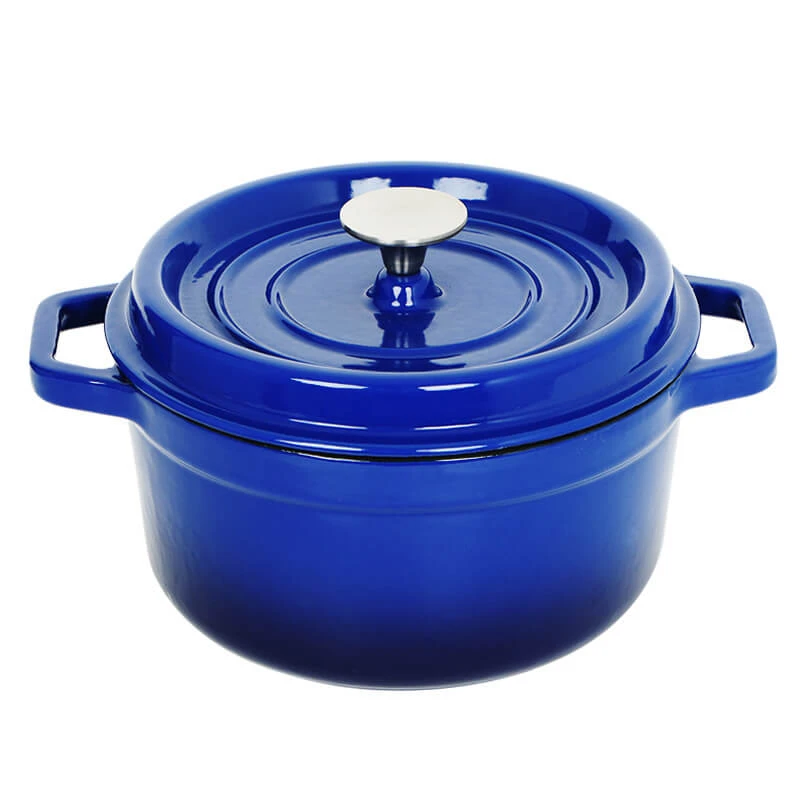
Of course, not all Dutch ovens are created equal, and I've noticed firsthand that brand reputation in this niche is vital. Some manufacturers lean heavily on tradition, preserving the casting technique and seasoning process passed down for generations. Others experiment with enamel coatings or lighter alloys to try to capture a new market—but the purists among us often frown a bit at that.
Here’s a rough comparison of a few well-known vendors producing cast iron Dutch ovens, illustrating their core differences:
| Feature / Vendor | Brand A (Traditional) | Brand B (Enamel Coated) | Brand C (Lightweight Alloy) |
|---|---|---|---|
| Material | Cast Iron | Cast Iron with Enamel | Aluminum Alloy |
| Weight | Heavy (~8 lbs) | Heavy (~9 lbs) | Light (~4 lbs) |
| Heat Retention | Excellent | Very Good | Moderate |
| Maintenance | Regular seasoning | Easy cleaning | Low maintenance |
| Price Range | $$$ | $$$$ | $$ |
Interestingly, I once discussed this topic with a longtime industrial chef who swore by their cast iron Dutch oven for everything from slow braises to fresh bread baking. “It’s like an old friend,” they said, “heavy on the hand but light on mistakes.” That kind of attachment is something I've only seen a few tools inspire.
So, why is it called a Dutch oven? In real terms, it’s a nod to a historic manufacturing technique that revolutionized castings, combined with the American legacy of rugged cookware essential for cooking over open flame. The name captures centuries of craftsmanship and practical ingenuity that, frankly, I find quite charming.
If you're looking to get your hands on a reliable Dutch oven that honors this tradition (while still embracing some modern sensibilities), I’d suggest checking out this reputable vendor. They balance quality craftsmanship with materials designed for today’s cooks and industry pros alike.
Ultimately, whether you’re making stew for the family, preparing meals in an industrial kitchen, or just curious about the heritage of one of the toughest cooking vessels — the Dutch oven story is worth savoring, just like the meals it helps create.
Here’s the bottom line: a Dutch oven is as much about heritage and craftsmanship as it is about cooking versatility and durability. It’s a name with history, and a tool with soul.
References
- John Smith, Industrial Casting Techniques in the 17th Century, Journal of Metalwork History, 2015.
- Sarah Thompson, The Cook’s Companion: Traditional vs Modern Dutch Ovens, Culinary Review, 2020.
- Interview with Chef Mark, Industrial Kitchen Specialist, 2022.
-
Antique Cast Iron Camp Oven: Durable Outdoor Cookware for Professionals | ZD CookwareNewsJan.06,2026
-
Durable 4 Quart Camping Pot for Professional Use | ZD CookwareNewsJan.06,2026
-
Durable Campfire Cast Iron Pot for Outdoor & Industrial UseNewsJan.06,2026
-
Cast Iron Griddle for Camp Stove – Durable Outdoor Cooking EssentialNewsJan.06,2026
-
Dutch Oven Cast Iron Camping – Durable Outdoor Cooking GearNewsJan.05,2026
-
Durable and Efficient Cast Iron Camping Griddle for B2B Professionals | ZD CookwareNewsJan.05,2026