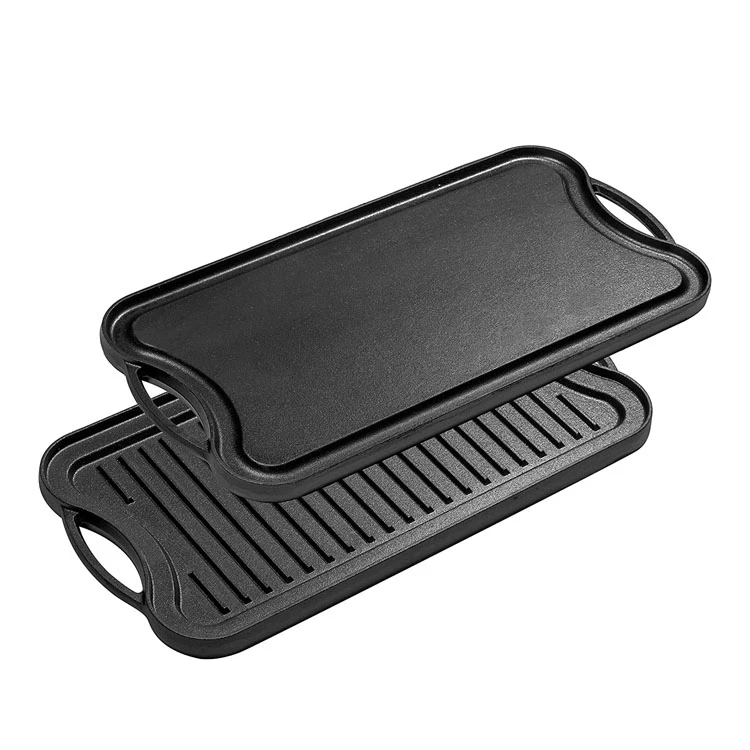
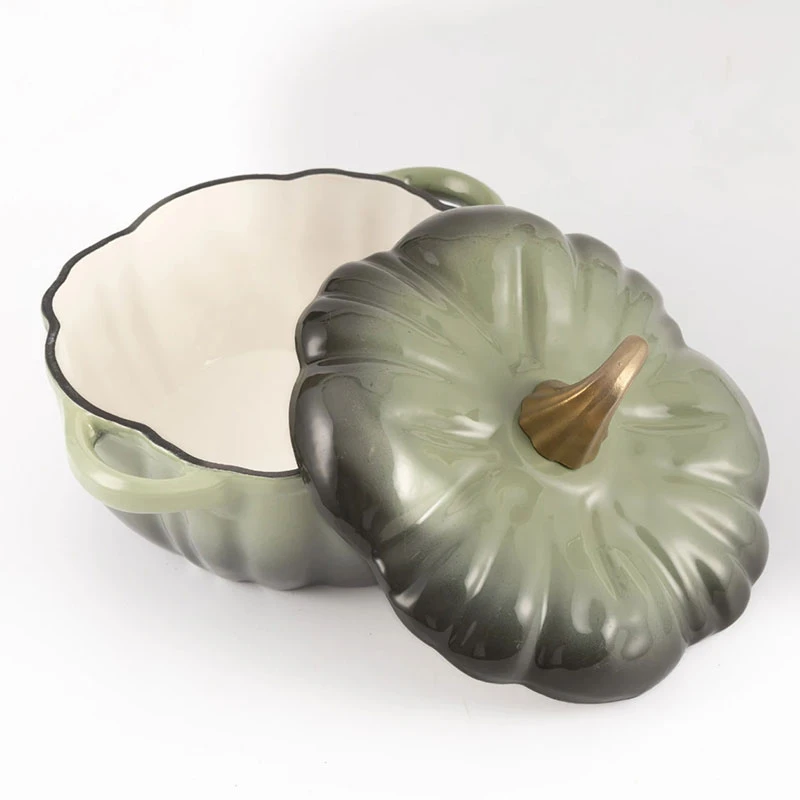
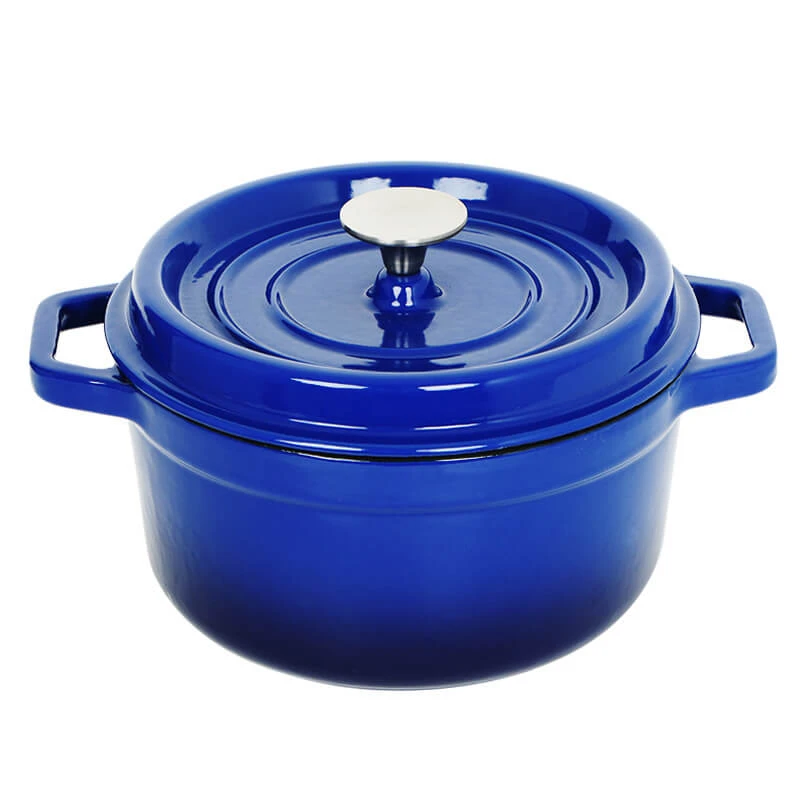
Dutch Ovens and Braisers: Timeless Cookware for Global Kitchens and Beyond
Dutch Ovens and Braisers: The Heart of Slow Cooking Across the Globe
If you’ve ever reveled in a meal that seemed to have a little soul — that tender stew, that perfectly braised meat — chances are, a dutch oven or braiser was involved somewhere along the way. These timeless tools aren’t just kitchen accessories; they’re vital culinary vessels that bring magic to food across continents. But why do dutch ovens and braisers still matter in our fast-paced, high-tech world, and what makes them indispensable for kitchens globally? Let’s break it down.
Global Context: A Tool with Worldwide Relevance
Interestingly, the global cookware industry hit a valuation of over $19 billion in 2023 (Statista), with steady growth in cast iron pieces like dutch ovens and braisers. From bustling urban restaurants to humble homes in developing regions, these cookware pieces bridge generations, cultures, and cooking styles. On a broader level, they address food sustainability by enabling efficient slow cooking — which tends to enhance flavors and nutrients, and helps reduce food waste.
Oddly enough, despite modern appliances, the basic principles of heat retention and even cooking that these pots offer remain unrivaled. Moreover, in regions facing frequent power outages or limited access to energy (UN reports estimate that over 750 million people lack reliable electricity), dutch ovens and braisers often become go-to tools — simply placed over coals or open flames.
Defining Dutch Ovens and Braisers
So, what exactly are these cooking vessels? A dutch oven is typically a thick-walled pot, often made from cast iron, sometimes coated with enamel, designed for slow-cooking, braising, and baking. The key trait? Superior heat retention and distribution. A braiser, meanwhile, looks similar but usually has wider, shallower dimensions with sloping sides. It’s optimized to sear and then slowly cook meats and vegetables in small amounts of liquid. Both enable “slow and low” cooking methods, crucial for breaking down tough ingredients into melt-in-your-mouth textures.
This cookware category connects closely with humanitarian and industrial food needs. For example, camps and relief kitchens value these pots because they can cook large amounts efficiently with low fuel consumption, preserving nutrients—vital where resources are limited.
Key Factors that Make Dutch Ovens and Braisers Stand Out
1. Durability and Longevity
Cast iron dutch ovens often last decades, sometimes even generations. Their heavy-duty nature means they tolerate open flames, ovens, and induction stoves alike, resisting warps and cracks that plague thinner cookware.
2. Heat Distribution and Retention
Thanks to cast iron’s density, heat is distributed evenly, which avoids hot spots and burns. This also means the cooking temperature stays consistent, crucial for recipes requiring hours of braising or simmering.
3. Versatility
These pots can go from stovetop to oven to campfire without skipping a beat — sauté, roast, steam, or bake. That’s why outdoor enthusiasts and chefs alike swear by them.
4. Cost Efficiency
While a quality cast iron dutch oven might seem pricey upfront (typically $50–$250), its lifespan and multifunctionality offset costs compared to repeatedly replacing cheaper cookware.
5. Aesthetic and Cultural Value
Beyond function, many brands have embraced colorful enamels and classic designs, making dutch ovens a fixture in kitchens around the world — sometimes even heirlooms.
| Specification | Typical Cast Iron Dutch Oven | Typical Enameled Braiser |
|---|---|---|
| Material | Cast Iron | Cast Iron with Enamel Coating |
| Size Range | 3 to 10 quarts | 3 to 6 quarts |
| Heat Tolerance | Up to 500°F (260°C) | Up to 450°F (232°C) |
| Weight | 8–14 lbs | 6–10 lbs |
| Maintenance | Seasoning Required | Easy Cleaning, No Seasoning |
Global Applications & Use Cases
- Humanitarian Relief: After natural disasters in Asia-Pacific or Africa, relief teams often distribute cast iron pots because they help local kitchens prepare nutritious meals with limited fuel.
- Remote Industrial Camps: Mining or exploration sites in Canada and Australia rely on robust cookware that can handle primitive heat sources.
- Restaurants & Culinary Schools: Chefs use braisers for classic French dishes like coq au vin, while dutch ovens excel in baking bread.
- Home Cooking & Camping: Outdoor enthusiasts worldwide prize this cookware for campfire adaptability.
Honestly, hearing about a remote village stove where a single cast iron pot fed dozens always strikes me as a testament to the practical magic of these vessels.
Advantages and Long-Term Value
Investing in dutch ovens and braisers offers more than just cooking benefits. You get:
- Cost Savings: No need to replace them every few years — these pots can weather decades.
- Environmental Benefits: Efficient heat retention reduces fuel use and cooking times.
- Enhanced Food Quality: Slow cooking’s tender, nutrient-retentive results boost nutrition and enjoyment.
- Social & Emotional Impact: Shared meals prepared with these vessels create tradition, comfort, and dignity.
Future Trends and Innovations
Cast iron classics are getting modern makeovers: eco-friendly enamel coatings with fewer VOCs, smart lids embedded with temperature sensors, and even advancements in lightweight alloys mimicking cast iron properties. The move toward sustainability also promotes pots made from recycled metals and enhanced longevity standards (ISO 9001 quality management). Curious chefs and engineers are experimenting with hybrid materials to reduce weight but maintain heat retention — a tricky balance, frankly.
Challenges and Solutions
Of course, no tool is perfect. Cast iron’s heavy weight can deter some, and seasoning requirements may intimidate newcomers. Plus, enameled surfaces can chip if mishandled. Manufacturers are addressing these through ergonomic handle designs, improved enamel durability, and better user education around maintenance. Frankly, treating these pots a little respectfully goes a long way.
| Vendor | Price Range | Material Quality | Warranty | Unique Feature |
|---|---|---|---|---|
| Lodge | $30-$100 | Pre-seasoned cast iron | Limited lifetime | Affordable & durable |
| Le Creuset | $300-$600 | High-grade enameled cast iron | Limited lifetime | Colorful, collectible pieces |
| Staub | $250-$500 | Matte-black enameled cast iron | Limited lifetime | Self-basting lid technology |
FAQ: Frequently Asked Questions About Dutch Ovens and Braisers
- Q: How do I maintain my cast iron dutch oven?
- A: Regular seasoning with oil after cleaning prevents rust and builds a natural non-stick surface. Avoid soaking in water and use gentle scrubbing tools.
- Q: Are enameled dutch ovens better than traditional cast iron?
- A: Enameled versions need less maintenance and don’t require seasoning but can chip. Traditional cast iron is more durable long-term if maintained properly.
- Q: Can I use a dutch oven on induction cooktops?
- A: Yes, cast iron is highly compatible with induction heat sources due to its magnetic properties.
- Q: What size dutch oven should I buy for a family of four?
- A: A 5 to 6-quart dutch oven is ideal for most families, providing enough volume without being too bulky.
- Q: Can I use dutch ovens/braisers outdoors?
- A: Definitely! They are excellent for campfire cooking but avoid sudden temperature shocks which can crack enamel coatings.
Conclusion
In the end, dutch ovens and braisers remain iconic because they combine durability, versatility, and timeless cooking performance. Whether it’s a cozy family dinner, a high-end restaurant dish, or a nutritious meal in a disaster-relief camp, these pots deliver with dignity and style. If you’re looking to bring slow cooking mastery home or into your professional kitchen, exploring these tools is a no-brainer.
Visit our website for an extensive collection of dutch ovens and braisers that suit every kitchen and budget.
References:
1. Wikipedia - Dutch oven
2. Statista - Cookware market size
3. United Nations - Energy Access
-
Antique Cast Iron Camp Oven: Durable Outdoor Cookware for Professionals | ZD CookwareNewsJan.06,2026
-
Durable 4 Quart Camping Pot for Professional Use | ZD CookwareNewsJan.06,2026
-
Durable Campfire Cast Iron Pot for Outdoor & Industrial UseNewsJan.06,2026
-
Cast Iron Griddle for Camp Stove – Durable Outdoor Cooking EssentialNewsJan.06,2026
-
Dutch Oven Cast Iron Camping – Durable Outdoor Cooking GearNewsJan.05,2026
-
Durable and Efficient Cast Iron Camping Griddle for B2B Professionals | ZD CookwareNewsJan.05,2026