Dutch Pots and Pans – Durable, Versatile Cookware for Every Kitchen
Understanding Dutch Pots and Pans: A Global Kitchen Essential
If you’ve ever fancied yourself a home chef or gourmande, you know a good pot or pan can make all the difference. But dutch pots and pans are not just cookware — they’re a timeless staple seen in kitchens worldwide, transcending cultures and cuisines. Knowing what makes them so reliable and versatile isn’t just good for your culinary mojo; it actually touches on global trends in durability, sustainability, and cooking efficiency.
In essence, understanding the role and impact of dutch pots and pans means appreciating a mix of tradition and modern innovation that feeds billions daily. It’s frankly more than just pots—it’s about how cookware shapes food culture and even supply chains across continents.
Why Dutch Pots and Pans Matter Globally
Pottery might seem humble, but it’s big business worldwide. According to the International Trade Centre and World Bank data, cookware markets, including cast iron and enameled cookware segments, have grown steadily, driven by both emerging markets and a resurgence in artisan cooking in developed countries. Dutch pots and pans, with their notable heat retention and durability, are often the first choice for both professional chefs and home cooks.
However, there’s a challenge: many regions still rely on less efficient cookware leading to energy waste and cooking challenges that affect nutrition and economic cost—especially where fuel is precious. That’s where the robustness of dutch pots and pans comes in, offering a practical solution for energy-efficient cooking worldwide.
What Are Dutch Pots and Pans?
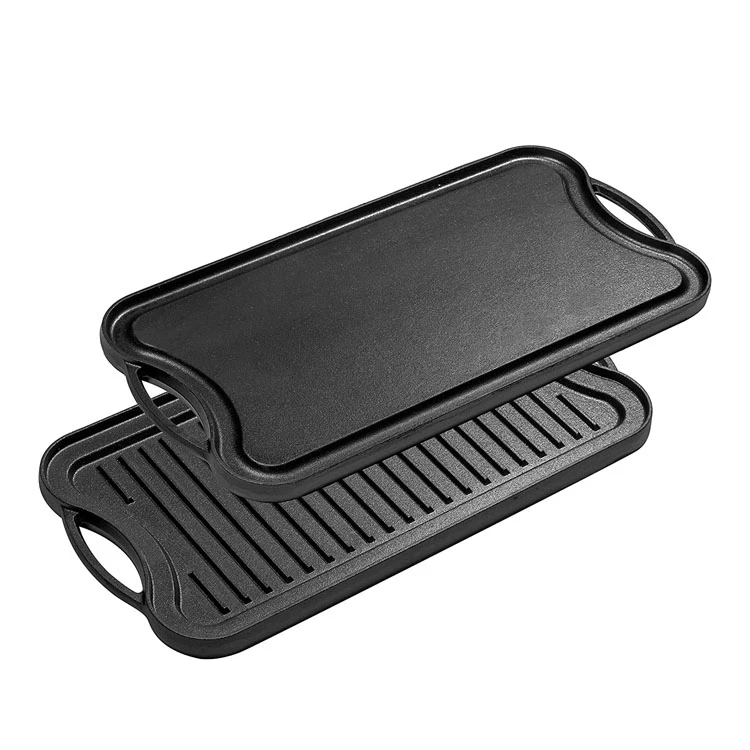
Simply put, dutch pots and pans are heavy, usually cast iron cookware known for even heat distribution and excellent retention. They can be bare cast iron, enameled, or coated for easier maintenance. Originating in the Netherlands centuries ago, their design has evolved but the core principles remain: thick walls, snug lids, and versatility across heat sources.
In industrial and humanitarian contexts, they correlate to rugged, long-lasting tools ideal for rugged conditions — whether it’s a remote kitchen in northern Scandinavia or a refugee camp tent stove. Think of them as the Swiss Army knife of pots and pans: sturdy, reliable, multipurpose.
Key Factors That Define Dutch Pots and Pans
Durability and Longevity
Cast iron’s unmatched resilience makes these pots practically heirlooms. If seasoned and cared for, they could last generations. This is not just nostalgia; it’s extreme cost efficiency, reducing waste by replacing disposable or cheap cookware.
Heat Retention and Cooking Performance
Unlike thin stainless steel or anodized aluminum, dutch pots absorb and hold heat steadily, allowing for slow, even cooking—perfect for stews and braises. Oddly enough, this kind of steady heat reduces the need for constant stirring or temperature adjustments.
Versatility Across Heat Sources
Fancy an open flame? Stove-top? Oven? Dutch pots handle all. This makes them indispensable in various settings from fancy restaurant kitchens to field kitchens where power sources might be limited.
Maintenance and Usability
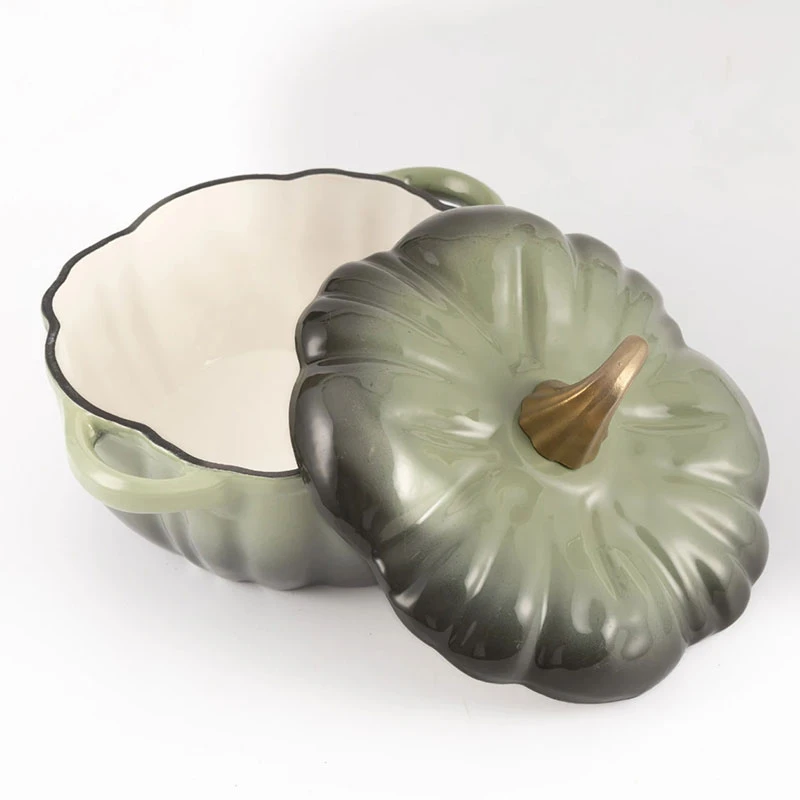
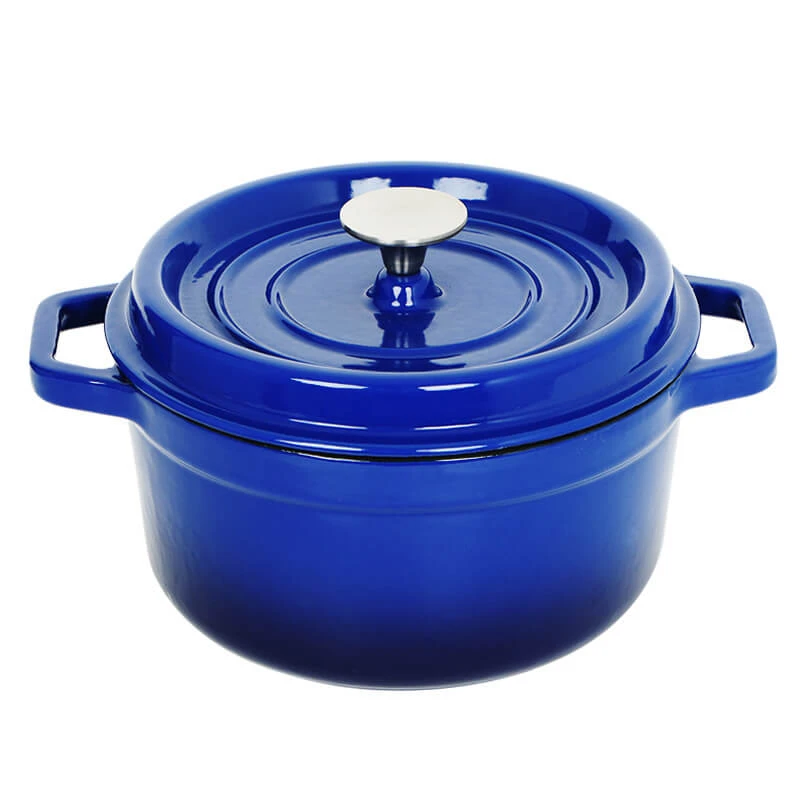
While bare cast iron requires seasoning and care, enameled versions offer easier cleaning and often vibrant colors—adding a bit of kitchen flair. The trade-off? Slightly heavier weight and sometimes higher cost, which many users happily accept.
Cost Efficiency Over Time
Initial investment is higher than cheap pans, but their lifespan and cooking efficiency – saving fuel and food wastage – mean a lower total cost of ownership in the long run.
Mini takeaway:
Durability, heat control, and versatility make dutch pots and pans both an economical and environmentally sensible kitchen investment.
Global Applications of Dutch Pots and Pans
In North America and Europe, dutch ovens are celebrated for home cooking, outdoor camping, and even as trendy kitchen décor. Meanwhile, in Africa and Asia, sturdy cast iron pots are crucial for households where cooking fuel is precious and efficient heat retention is vital for safety and economy.
For example, in disaster relief operations organized by NGOs, durable cookware simplifies logistics. NGOs can ensure food is prepared safely and efficiently for large groups without frequent replacements. Similarly, in remote industrial zones — think mining camps or oil rigs — tough, all-in-one dutch pots cut down equipment needs and increase meal quality.
Advantages and Long-Term Value of Dutch Cookware
- Cost Savings: Long-lasting cookware minimizes replacements and fuel consumption.
- Sustainability: Cast iron is recyclable and often made from recycled materials.
- Reliability: Trusted for hundreds of years, resistant to warping and damage.
- Emotional Connection: Many cherish passing down these pots, adding sentimental value.
Cooking with dutch pots feels safe and familiar. There’s a sort of trust in their design, that no matter how many times you use them, they perform consistently. In social contexts, cooking with such sturdy tools uplifts dignity and innovation in food preparation—key for community kitchens or family gatherings.
Looking Ahead: Future Trends in Dutch Pots and Pans
While the basics remain timeless, there’s subtle innovation brewing. Manufacturers increasingly explore eco-friendly enamels free of harmful chemicals and coatings that improve non-stick properties without synthetic chemicals. Also, lighter alloys infused with cast iron elements are under testing for easier transport without sacrificing performance.
Digital transformation even makes a cameo — “smart” pots with embedded temperature sensors sync with smartphones giving cooks unprecedented control. Plus, new policies encouraging sustainable manufacturing practices are reshaping how we source raw materials.
Challenges in Using Dutch Pots and Pans (And How to Overcome Them)
They’re heavy—there’s no sugarcoating that, which can be a hassle for elderly users or those with limited strength. Seasoning bare cast iron can be a learning curve; improper care risks rust or sticky surfaces. Enameled versions cost more and can chip if mishandled.
Experts recommend beginner-friendly versions with factory seasoning or enameled finishes. Many brands now offer lids and handles designed ergonomically. Storing moisture-proof and drying thoroughly after washing are key to longevity.
Frequently Asked Questions About Dutch Pots and Pans
- Q: Are dutch pots suitable for induction cooktops?
- A: Yes! Cast iron and many enamel-coated dutch pots work great on induction due to their magnetic base, but always check manufacturer details.
- Q: How do I season my cast iron dutch pot?
- A: Clean it thoroughly, dry, then rub with a thin layer of vegetable oil. Bake upside down at 375°F for an hour. Repeat periodically.
- Q: Can dutch pots go from stove to oven safely?
- A: Absolutely. They’re designed for multi-heat use, perfect for recipes requiring searing then slow baking.
- Q: What’s the difference between enameled and bare cast iron?
- A: Enameled pots have a protective coating making them easier to clean but heavier and pricier. Bare cast iron needs seasoning but is highly durable.
- Q: How do I prevent chipping on an enameled dutch pot?
- A: Avoid sudden temperature shocks and metal utensils. Use silicone or wooden tools and hand wash gently.
Product Specifications: Representative Models of Dutch Pots and Pans
| Feature | Model A (Bare Cast Iron) | Model B (Enameled) |
|---|---|---|
| Material | 100% Cast Iron | Cast Iron with Porcelain Enamel |
| Weight | 6.5 lbs (3 kg) | 7 lbs (3.2 kg) |
| Oven Safe Temp | Up to 500°F (260°C) | Up to 420°F (215°C) |
| Maintenance | Requires Regular Seasoning | Easy Clean, No Seasoning |
| Price Range | $40 - $70 | $80 - $120 |
Vendor Comparison: Leading Dutch Pots and Pans Manufacturers
| Vendor | Material Quality | Price Range | Warranty | Special Features |
|---|---|---|---|---|
| Lodge | American cast iron, pre-seasoned | $35 - $75 | Limited Lifetime | Affordable, wide product range |
| Le Creuset | French enameled cast iron | $200 - $600 | Limited Lifetime | High-end finish, vibrant colors |
| Staub | German enameled cast iron | $180 - $500 | Limited Lifetime | Matte enamel, self-basting lids |
Conclusion: Why Dutch Pots and Pans Are Worth the Investment
It’s clear that dutch pots and pans are more than just ceramics collecting dust in your cupboard. They’re trusted kitchen allies, blending millennia-old craftsmanship with modern needs for durability and sustainability. Whether you’re an outdoor aficionado, a family cook, or involved in food humanitarian work, these pots offer unmatched value.
For a range of options, prices, and styles, I recommend exploring well-reviewed dutch pots and pans from reputable vendors. Your future self (and meals) will thank you.
Until next time, happy cooking — may your pots stay hot and your dishes hearty!
References:
- International Trade Centre (ITC) Market Analysis Reports
- Wikipedia: Cast Iron Cookware
- World Bank Global Market Data on Kitchenware
-
Antique Cast Iron Camp Oven: Durable Outdoor Cookware for Professionals | ZD CookwareNewsJan.06,2026
-
Durable 4 Quart Camping Pot for Professional Use | ZD CookwareNewsJan.06,2026
-
Durable Campfire Cast Iron Pot for Outdoor & Industrial UseNewsJan.06,2026
-
Cast Iron Griddle for Camp Stove – Durable Outdoor Cooking EssentialNewsJan.06,2026
-
Dutch Oven Cast Iron Camping – Durable Outdoor Cooking GearNewsJan.05,2026
-
Durable and Efficient Cast Iron Camping Griddle for B2B Professionals | ZD CookwareNewsJan.05,2026