Discover the Benefits of Enamel Coated Cast Iron Dutch Ovens | Durable & Energy Efficient Cookware
What’s the Big Deal About Enamel Coated Cast Iron Dutch Ovens?
In kitchens around the world, the enamel coated cast iron dutch oven holds a quietly powerful spot. Whether you’re braising a Sunday roast, baking fresh bread, or slow-cooking a stew, these vessels do more than just cook—they often transform meals into comforting rituals. But beyond culinary charm, they represent a fascinating blend of traditional craftsmanship and modern innovation with impacts reaching far beyond your stove.
Why does it matter globally? From energy-efficient cooking practices to durability in off-grid rural areas, understanding these Dutch ovens reveals broader industrial trends, sustainable design, and even humanitarian usability. In simple terms, peeling back the layers on enamel coated cast iron cookware exposes a piece of cookware history that’s keenly alive today — and relevant across cultures, budgets, and kitchens.
Global Industry Context: Why Enamel Coated Cast Iron Dutch Ovens Still Matter
According to the International Organization for Standardization (ISO), traditional cookware materials are being revisited for their long-term sustainability and health impact. Enamel coated cast iron dutch ovens perfectly embody this trend: they’re built to last, resist corrosion, and offer an inert cooking surface that doesn’t leach harmful metals—very important when you consider the billions who cook daily on a global scale.
Interestingly, the World Bank reports that energy-efficient cooking methods can reduce fuel consumption and emissions by 30–60%, and heavy cast iron cookware excels at retaining and distributing heat efficiently, cutting down cooking times (and fuel use). So yes, this is not just about nostalgia or rustic aesthetics — it’s a small piece in a huge global sustainability puzzle, especially in areas lacking reliable power.
One challenge the industry faces is making these ovens affordable and lightweight enough for wider distribution without sacrificing durability or performance.
What Exactly Is an Enamel Coated Cast Iron Dutch Oven?
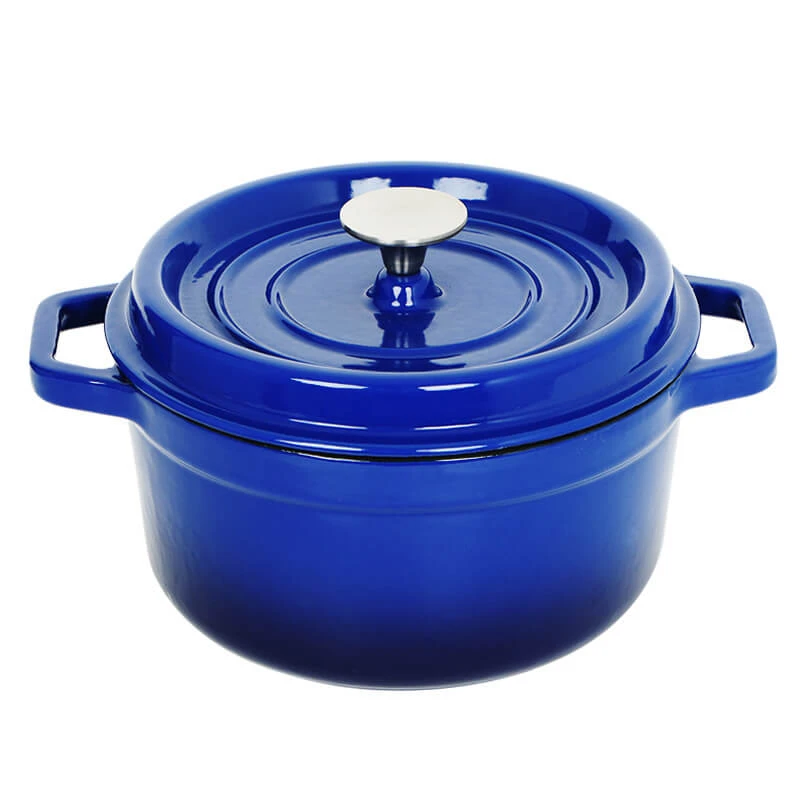
Put simply: it’s a heavy-duty cooking pot cast from iron, then coated inside and out with porcelain enamel. This enamel layer forms a glassy, non-reactive surface that is resistant to rust and doesn’t need seasoning like bare cast iron.
These ovens usually come with a tight-fitting lid to lock in moisture, making them perfect for slow cooking, roasting, and soups. Think of them as the Swiss Army knife of cookware—enduring, versatile, and relatively low maintenance.
In modern industry and humanitarian circles alike, they’re prized for their robustness and multipurpose use. For example, relief organizations sometimes include enamel coated cast iron dutch ovens in field cook kits due to their durability and hygienic enamel surfaces.
Quick takeaway
At heart, these dutch ovens combine traditional material science and practical design, offering solutions beyond regular kitchen use.
Key Features and Design Elements of Enamel Coated Cast Iron Dutch Ovens
1. Durability
Cast iron by itself is already nearly indestructible when cared for. Adding enamel makes it resistant to rust and scratches, preventing chipping when handled properly. It’s a pot you can expect to hand down for decades, if not generations.
2. Heat Retention and Distribution
Many chefs swear by cast iron’s ability to hold heat and spread it evenly. The enamel coating does not interfere with this — it just adds a smooth cooking surface. This feature means you can cook with lower heat, saving energy in the process.
3. Easy Cleaning and Maintenance
The glossy enamel finish prevents food from sticking and eliminates the need for special seasoning routines. It’s dishwasher-safe (though hand washing is recommended to preserve the finish), making it a practical option for busy households and commercial kitchens alike.
4. Aesthetic Appeal
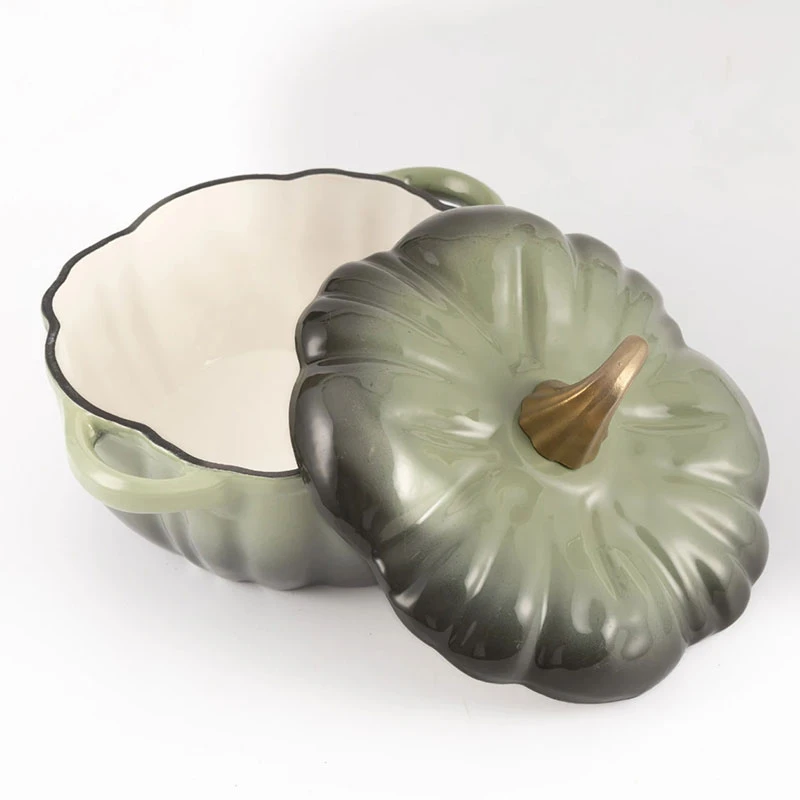
With colors ranging from vibrant reds to soft pastels, these ovens make a statement on the stove and table. This combination of beauty and utility has kept enamel coated cast iron dutch ovens in vogue for well over a century.
5. Versatility
Compatible with almost every cooktop type (gas, electric, induction), oven, and even campfire, their utility crosses indoor and outdoor settings — a factor appreciated in both home kitchens and field work.
Product Specifications At a Glance
| Feature | Details |
|---|---|
| Material | Cast Iron with Porcelain Enamel Coat |
| Weight | 5 - 10 lbs (varies by size) |
| Common Sizes | 4 qt, 5 qt, 7 qt |
| Heat Compatibility | Gas, Electric, Induction, Oven, Open Flame |
| Warranty | Limited Lifetime (varies by brand) |
Mini takeaway
Its blend of classic reliability and modern convenience means the enamel coated cast iron dutch oven remains hard to beat for many cooking scenarios.
Who Uses These and How? Global Applications & Real-World Examples
This cookware is everywhere — from French bistros to backcountry campsites across all continents.
- Professional kitchens: Chefs prize enamel coated cast iron for even roasting and simmering with little fuss.
- Home cooks: The durability and low maintenance make it a staple for daily meals.
- Disaster relief: In emergency camps, organizations equip kitchens with these ovens because they tolerate rough use, are easy to clean, and help prepare large volumes of nutritious food.
- Remote communities: For places where modern appliances are scarce, the pot’s ability to work on basic heat sources is invaluable.
For example, in Nordic countries, enamel coated cast iron dutch ovens are popular for preparing slow-cooked stews during harsh winters, helping conserve precious heating fuel. Oddly enough, that one pot helps families stay warm and fed simultaneously.
Why Invest in an Enamel Coated Cast Iron Dutch Oven? Advantages & Long-Term Benefits
Many people overlook the fact that this isn’t just a cooking tool but a small sustainability champion. Using durable materials reduces waste in the kitchen. Its heat retention helps cut down on energy consumption. The enamel surface improves hygiene, lowering health risks related to poorly maintained cookware.
On an emotional level, owning one feels like carrying on culinary traditions, connecting past and present through simple pleasures. The sense of trust it builds — for a product you know will do the job every time — is invaluable in both home and professional settings.
Emerging Trends: What’s Next for Enamel Coated Cast Iron Dutch Ovens?
The future is leaning into eco-conscious and smart cooking. Manufacturers are experimenting with:
- More eco-friendly enamel formulations that reduce emissions during production.
- Hybrid coatings combining enamel with nanotechnology to resist chipping even more.
- Integration of sensors for digital temperature tracking embedded discreetly into the lids—yes, that’s a thing.
- Recyclable packaging and ethical sourcing of raw materials in line with new ISO 14001 environmental standards.
Green energy initiatives also aim to push cookware into synergy with induction and solar-powered cooktops, further supporting sustainable living worldwide.
Common Hurdles and Some Clever Fixes
Of course, enamel coated cast iron isn’t perfect. It’s heavy (can be a workout for your wrists), and the enamel can chip if mishandled. For some, the price point is a barrier — they’re costly upfront compared to basic pots.
But innovation is addressing these pain points: lighter alloys mixed in cast irons, improved enamel toughness, and modular designs that make handling simpler are all underway. Plus, the long lifespan generally offsets the initial expense over time.
Vendor Comparison: Choosing a Quality Enamel Coated Cast Iron Dutch Oven
| Brand | Price Range | Warranty | Color Options | Made In |
|---|---|---|---|---|
| Le Creuset | $250–$450 | Lifetime | 17 | France |
| Lodge | $40–$80 | Limited 1 year | 5 | USA |
| Staub | $200–$350 | Lifetime | 10 | France |
| Tramontina | $50–$120 | Limited 10 years | 6 | Brazil |
FAQs About Enamel Coated Cast Iron Dutch Ovens
Q1: How do I prevent enamel from chipping?
A: Handle your dutch oven with care—avoid dropping or banging it against hard surfaces. Use wooden or silicone utensils instead of metal, and hand wash with non-abrasive sponges. Sudden temperature changes (like plunging a hot pot into cold water) can stress the enamel, so let it cool gradually.
Q2: Can enamel coated cast iron be used on induction cooktops?
A: Absolutely! The cast iron base is fully induction compatible, making enamel coated dutch ovens versatile across modern cooktop technologies.
Q3: Is enamel coated cast iron cookware better than traditional cast iron?
A: It depends on use. Enamel coating means no seasoning needed and easier cleaning but can chip. Traditional cast iron is more rugged but requires maintenance to prevent rust. Both have excellent heat retention and durability but cater to slightly different user preferences.
Q4: How should I store my enamel coated cast iron dutch oven?
A: Store it dry with the lid off or slightly ajar to prevent moisture buildup. Avoid stacking heavy items on top. If stacking is necessary, place a towel between pots to protect enamel surfaces.
Final Thoughts: Ready to Cook Smarter and Longer?
The enamel coated cast iron dutch oven is more than a kitchen tool – it’s an investment in quality, heritage, and sustainability. Its global relevance touches how we think about efficiency, durability, and tradition in everyday cooking. Frankly, after using one for years, it feels like a trusted friend in the kitchen.
Interested in exploring or upgrading your own? Check out enamel coated cast iron dutch oven offerings to find a perfect match for your culinary adventures.
References
-
Antique Cast Iron Camp Oven: Durable Outdoor Cookware for Professionals | ZD CookwareNewsJan.06,2026
-
Durable 4 Quart Camping Pot for Professional Use | ZD CookwareNewsJan.06,2026
-
Durable Campfire Cast Iron Pot for Outdoor & Industrial UseNewsJan.06,2026
-
Cast Iron Griddle for Camp Stove – Durable Outdoor Cooking EssentialNewsJan.06,2026
-
Dutch Oven Cast Iron Camping – Durable Outdoor Cooking GearNewsJan.05,2026
-
Durable and Efficient Cast Iron Camping Griddle for B2B Professionals | ZD CookwareNewsJan.05,2026